Wellcome Sanger Institute, Wellcome Genome Campus, Cambridge, CB10 1SA, UK.
Cambridge Institute of Therapeutic Immunology & Infectious Disease (CITIID), Jeffrey Cheah Biomedical Centre, University of Cambridge, Puddicombe Way, Cambridge, CB2 0AW, UK.
Nat Commun. 2019 Jun 26;10(1):2792. doi: 10.1038/s41467-019-10642-x.
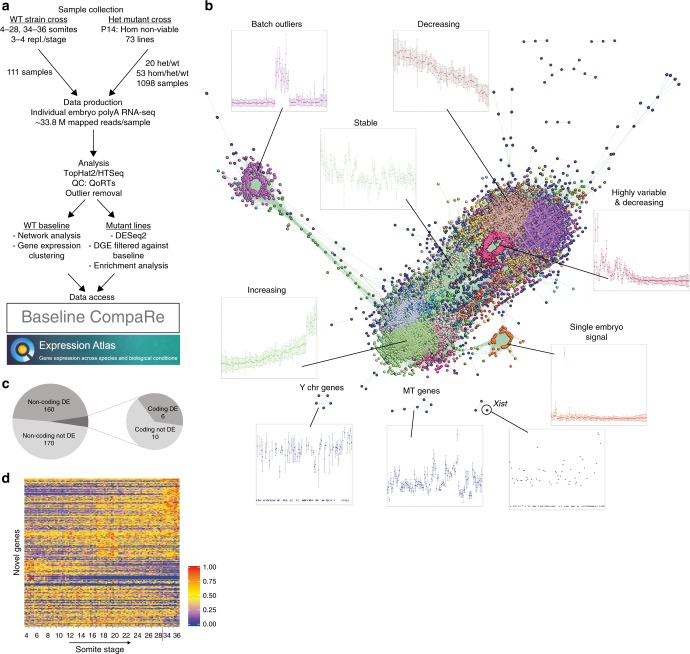
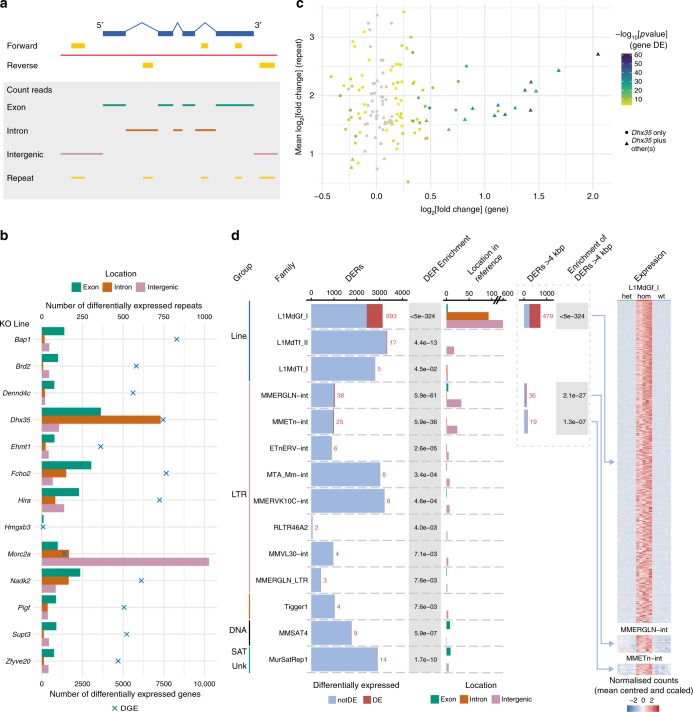
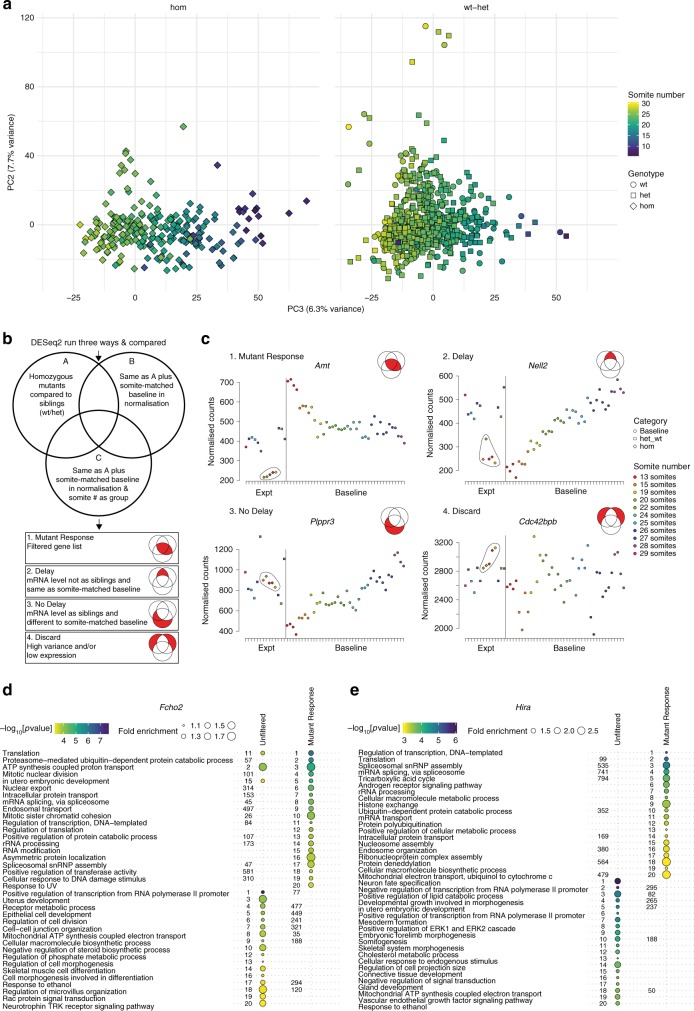
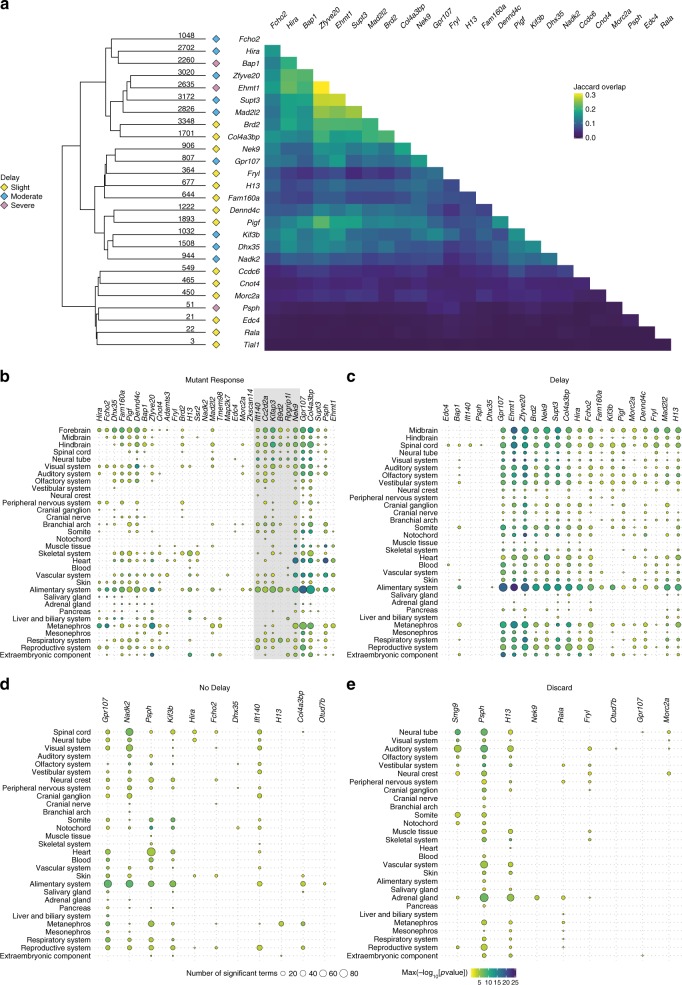
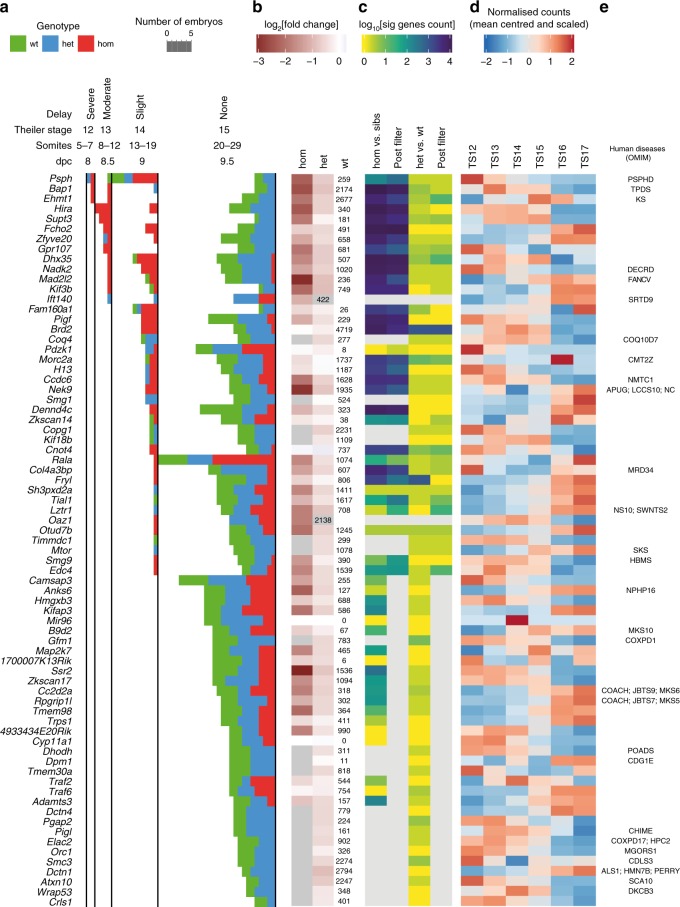
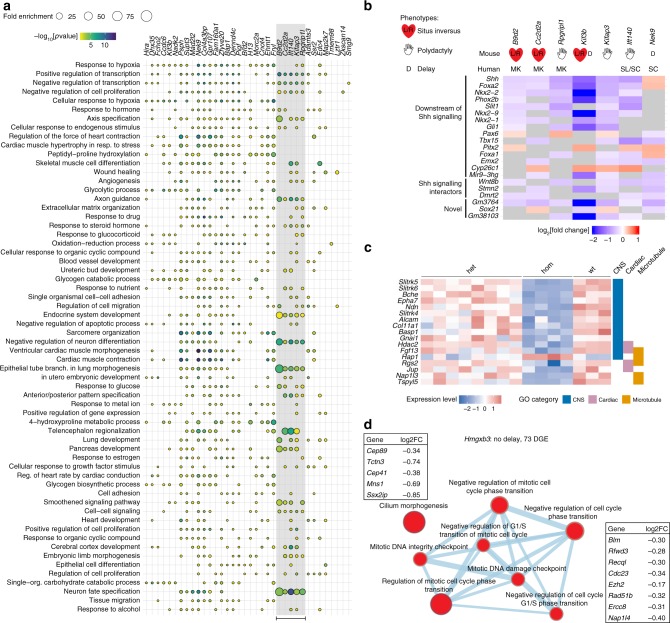
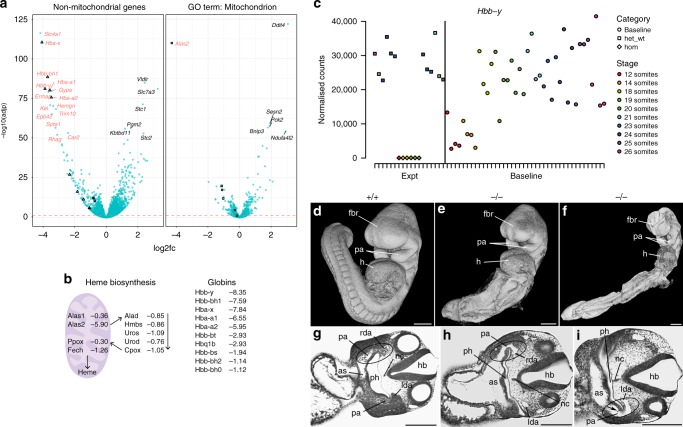
The Deciphering the Mechanisms of Developmental Disorders programme has analysed the morphological and molecular phenotypes of embryonic and perinatal lethal mouse mutant lines in order to investigate the causes of embryonic lethality. Here we show that individual whole-embryo RNA-seq of 73 mouse mutant lines (>1000 transcriptomes) identifies transcriptional events underlying embryonic lethality and associates previously uncharacterised genes with specific pathways and tissues. For example, our data suggest that Hmgxb3 is involved in DNA-damage repair and cell-cycle regulation. Further, we separate embryonic delay signatures from mutant line-specific transcriptional changes by developing a baseline mRNA expression catalogue of wild-type mice during early embryogenesis (4-36 somites). Analysis of transcription outside coding sequence identifies deregulation of repetitive elements in Morc2a mutants and a gene involved in gene-specific splicing. Collectively, this work provides a large scale resource to further our understanding of early embryonic developmental disorders.
发育障碍解析计划分析了胚胎期和围产期致死的小鼠突变系的形态和分子表型,以研究胚胎致死的原因。在这里,我们展示了对 73 条小鼠突变系(>1000 个转录组)的整个胚胎 RNA-seq 分析确定了胚胎致死的转录事件,并将以前未被描述的基因与特定的途径和组织联系起来。例如,我们的数据表明 Hmgxb3 参与 DNA 损伤修复和细胞周期调控。此外,我们通过开发野生型小鼠在早期胚胎发生(4-36 体节)期间的基线 mRNA 表达图谱,从突变系特有的转录变化中分离出胚胎延迟特征。对非编码序列转录的分析确定了 Morc2a 突变体中重复元件的失调和一个参与基因特异性剪接的基因。总的来说,这项工作提供了一个大规模的资源,以进一步了解早期胚胎发育障碍。