School of Environmental Science and Engineering, Shaanxi University of Science and Technology, Xi'an, 710021, China.
School of Environmental Science and Engineering, Shaanxi University of Science and Technology, Xi'an, 710021, China.
Environ Res. 2022 Jul;210:112899. doi: 10.1016/j.envres.2022.112899. Epub 2022 Feb 14.
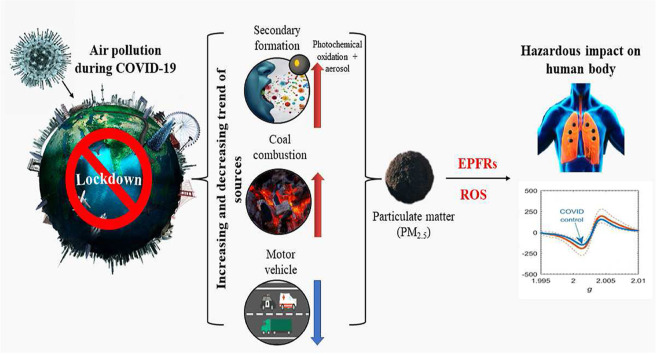
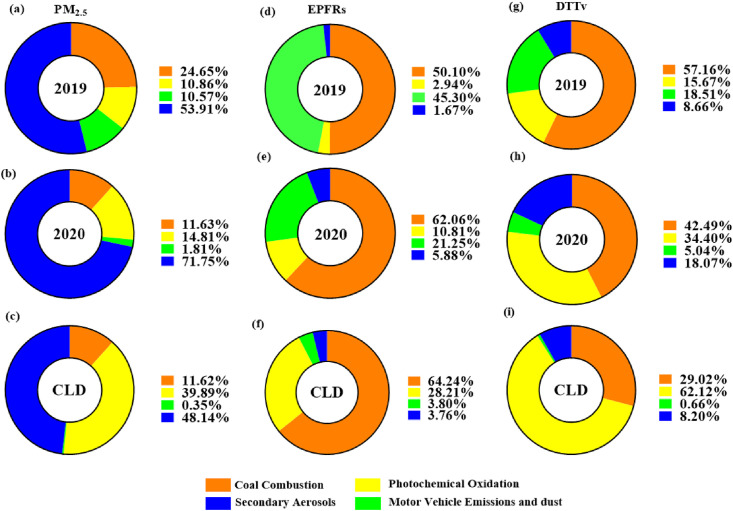
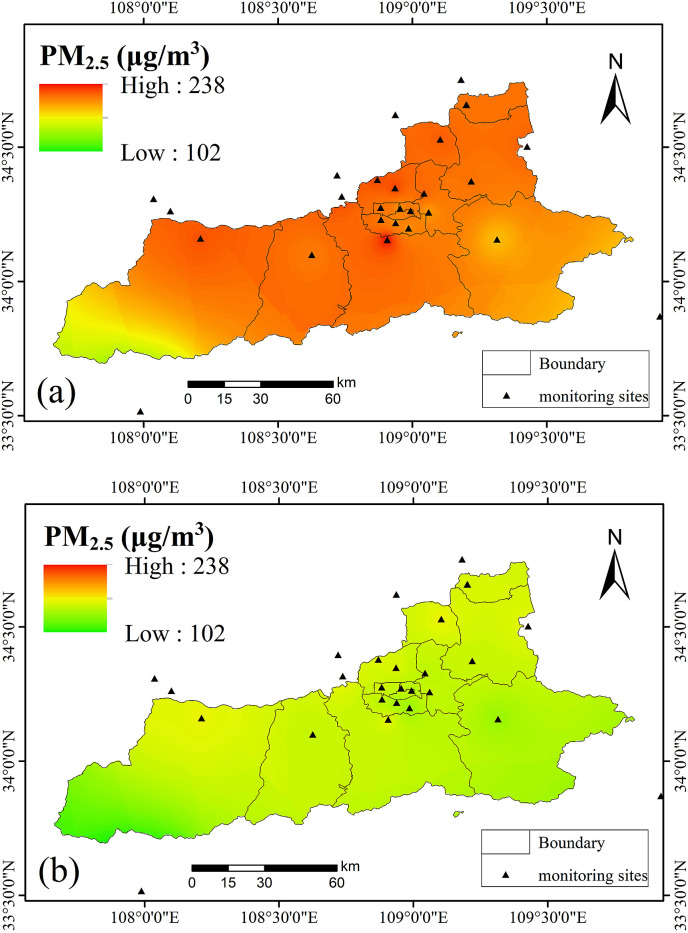
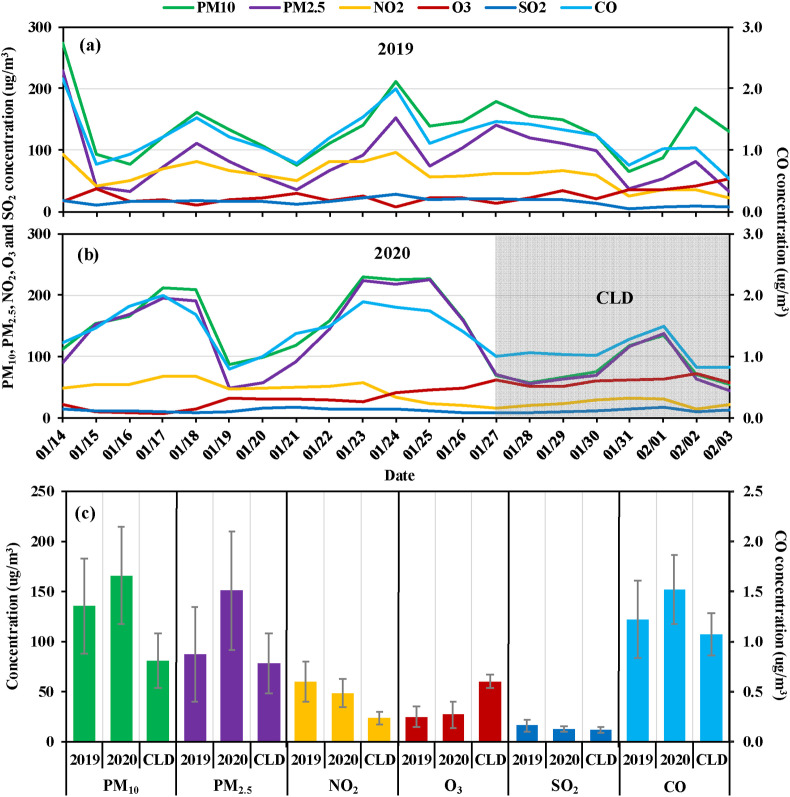
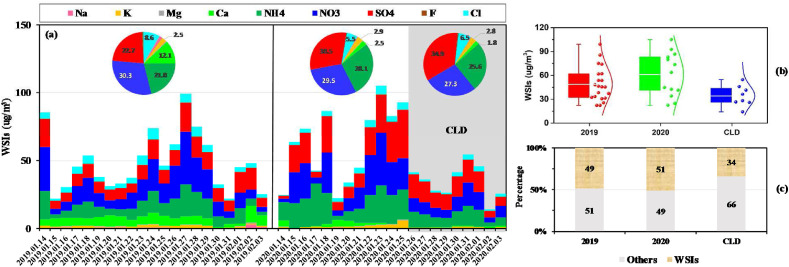
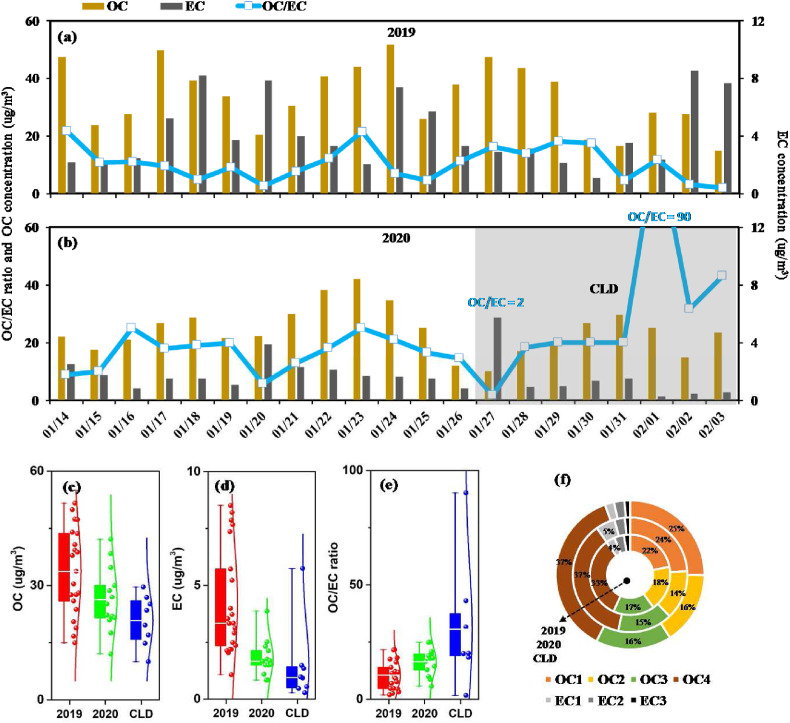
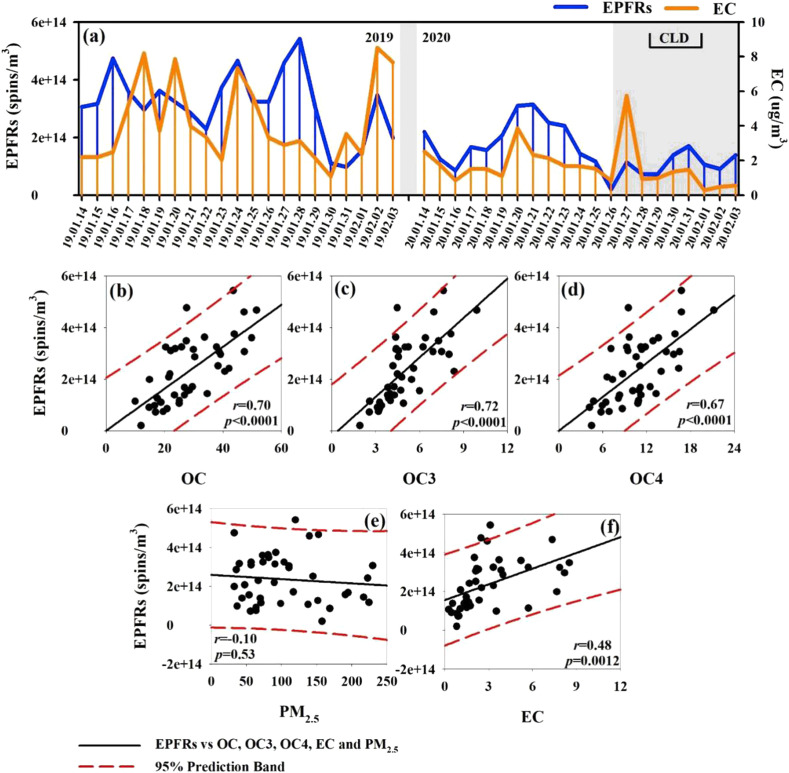
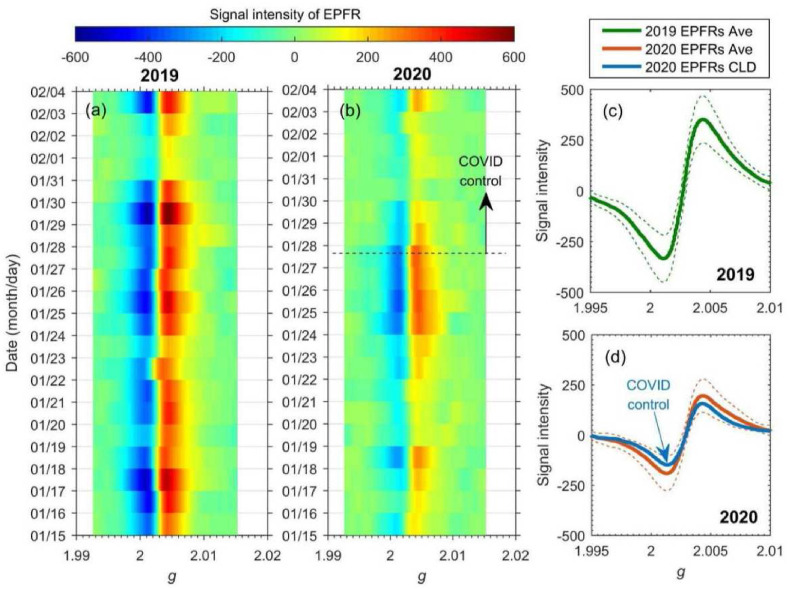
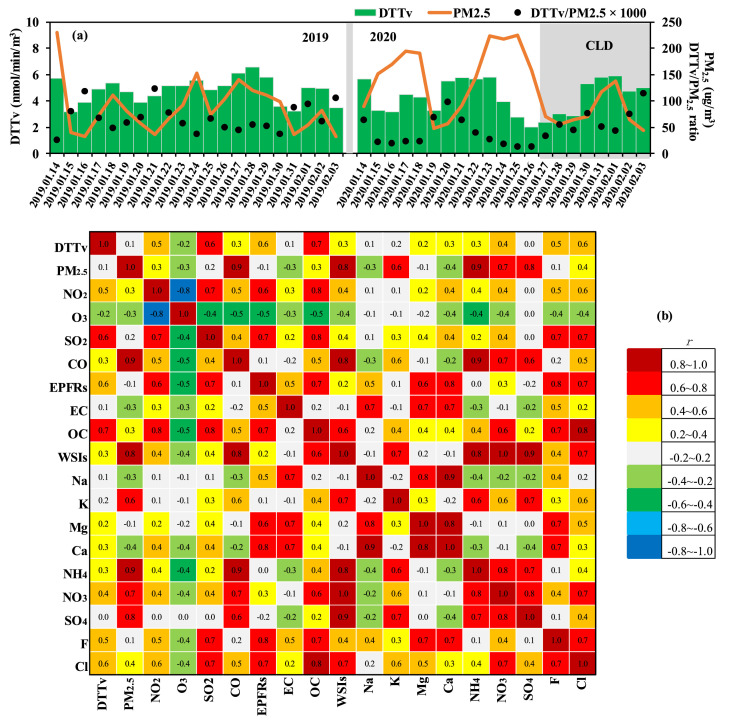
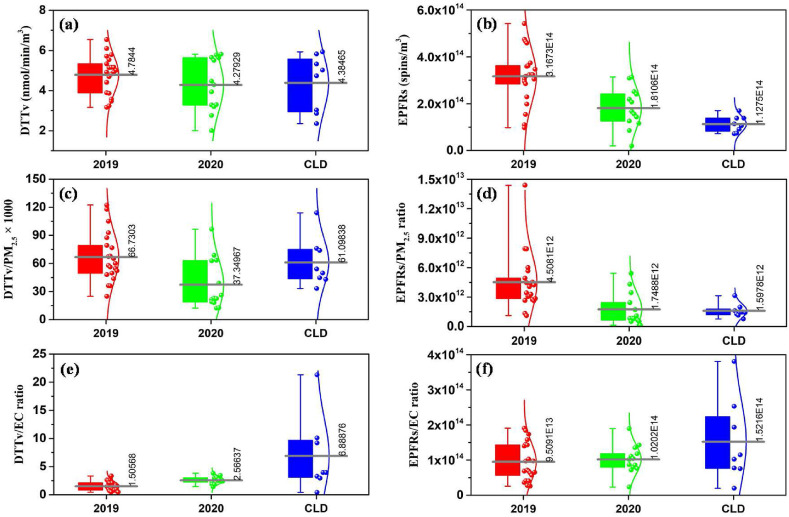
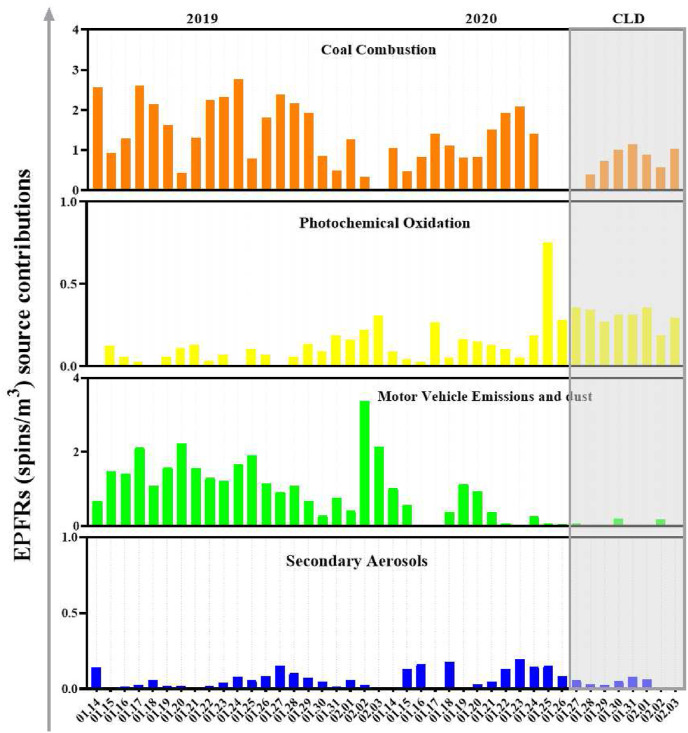
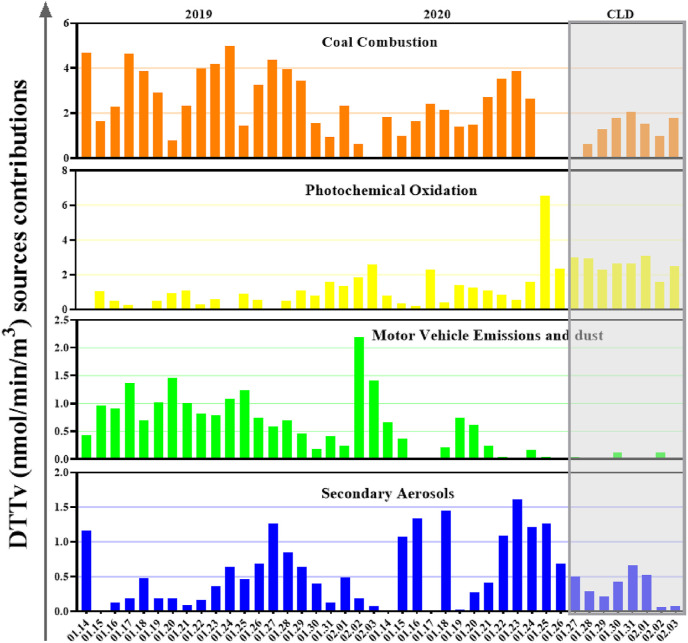
The impact of COVID-19 control on air quality have been prevalent for the past two years, however few studies have explored the toxicity of atmospheric particulate matter during the epidemic control. Therefore, this research highlights the characteristics and sources of oxidative potential (OP) and the new health risk substances environmentally persistent free radicals (EPFRs) in comparison to city lockdown (CLD) with early days of 2019-2020. Daily particulate matter (PM) samples were collected from January 14 to February 3, 2020, with the same period during 2019 in Xi'an city. The results indicated that the average concentration of PM decreased by 48% during CLD. Concentrations of other air pollutants and components, such as PM, NO, SO, WSIs, OC and EC were also decreased by 22%, 19%, 2%, 17%, 6%, and 4% respectively during the CLD, compared to the same period in 2019. Whereas only O increased by 30% during CLD. The concentrations of EPFRs in PM was considerably lower than in 2019, which decreased by 12% during CLD. However, the OP level was increased slightly during CLD. Moreover, both EPFRs/PM and DTTv/PM did not decrease or even increase significantly, manifesting that the toxicity of particulate matter has not been reduced by more gains during the CLD. Based on PMF analysis, during the epidemic period, the contribution of traffic emission is significantly reduced, while EPFRs and DTTv increased, which consist of significant O and secondary aerosols. This research leads to able future research on human health effect of EPFRs and oxidative potential and can be also used to formulate the majors to control EPFRs and OP emissions, suggest the need for further studies on the secondary processing of EPFRs and OP during the lockdown period in Xi'an. .The COVID-19 lockdown had a significant impact on both social and economic aspects. The city lockdown, however, had a positive impact on the environment and improved air quality, however, no significant health benefits were observed in Xi'an, China.
过去两年,COVID-19 防控对空气质量的影响一直备受关注,但很少有研究探讨疫情防控期间大气颗粒物的毒性。因此,本研究重点探讨了与城市封锁(CLD)相比,2019-2020 年早期的氧化势(OP)和新型环境持久性自由基(EPFRs)的特征和来源。每日颗粒物(PM)样品于 2020 年 1 月 14 日至 2 月 3 日采集,与 2019 年同期相同。结果表明,CLD 期间 PM 的平均浓度降低了 48%。CLD 期间,其他空气污染物和成分(如 PM、NO、SO、WSIs、OC 和 EC)的浓度也分别降低了 22%、19%、2%、17%、6%和 4%。而 O 则增加了 30%。PM 中 EPFRs 的浓度明显低于 2019 年,CLD 期间降低了 12%。然而,CLD 期间 OP 水平略有升高。此外,EPFRs/PM 和 DTTv/PM 均未降低,甚至有所升高,表明 CLD 期间,颗粒物的毒性并未因更多的收益而降低。基于 PMF 分析,在疫情期间,交通排放的贡献明显减少,而 EPFRs 和 DTTv 增加,这包含了显著的 O 和二次气溶胶。本研究为未来研究 EPFRs 和氧化势对人类健康的影响提供了依据,也为控制 EPFRs 和 OP 排放制定主要方案提供了依据,提示需要进一步研究西安封锁期间 EPFRs 和 OP 的二次处理。。COVID-19 封锁对社会和经济方面都产生了重大影响。然而,城市封锁对环境产生了积极影响,改善了空气质量,但在中国西安,并未观察到明显的健康益处。