Zhang Fushun, Zhao Junfang, Jiang Nan, Zhai Qiao, Hu Juanjuan, Zhang Jing
Department of Health Management Centre in Tianjin Academy of Traditional Chinese Medicine Affiliated Hospital, China.
Department of Laboratory Medicine in Tianjin Academy of Traditional Chinese Medicine Affiliated Hospital, China.
Appl Bionics Biomech. 2022 Feb 7;2022:2759977. doi: 10.1155/2022/2759977. eCollection 2022.
The effectiveness of Tai Chi Chuan in treating various ailments has been well reported; however, its effect on back pain and lumbar spondylosis remains unclear.
We performed this meta-analysis under the guidelines of the Preferred Reporting Items for Systematic Reviews and Meta-Analyses (PRISMA), and the research-associated search was performed over the provided databases: Embase, Cochrane Library, Web of Science, PubMed, Scopus, and CINAHL in the period of 2008 to 2016, to recognize the related studies. We used the Physiotherapy Evidence Database (PEDro) scale to measure the standard of the involved randomized control trials (RCTs). The accumulated outcomes with parameters of weighted mean difference (WMD) and confidence level (CI) of 95% were evaluated to discover the influence of Tai Chi over pain as well as dysfunction among the patients suffering from pain depending on the outcome model.
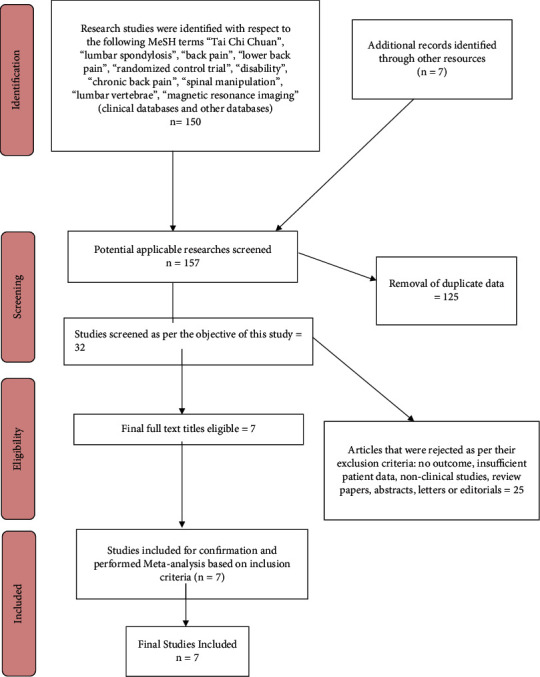
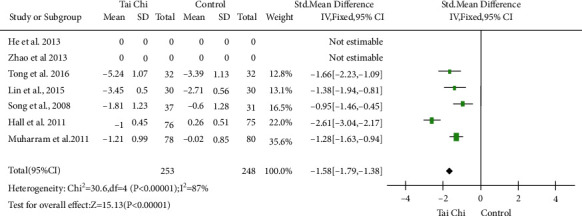
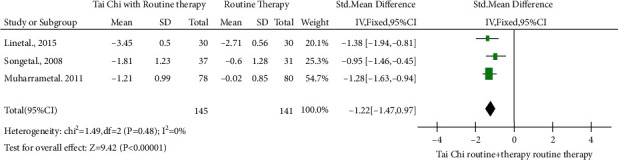
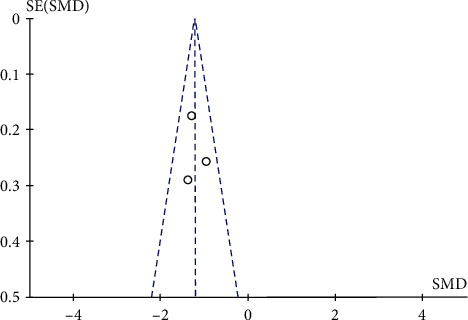
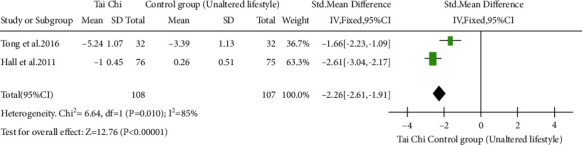
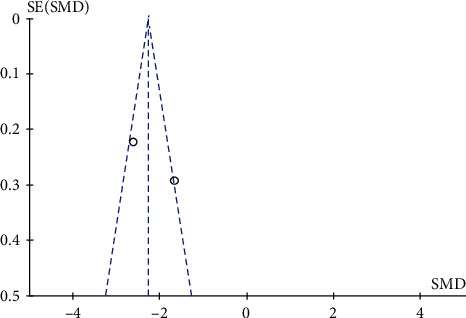
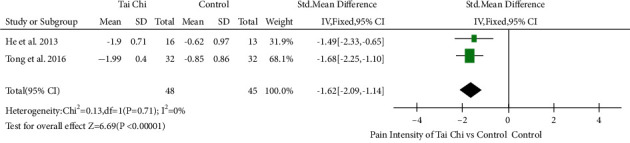
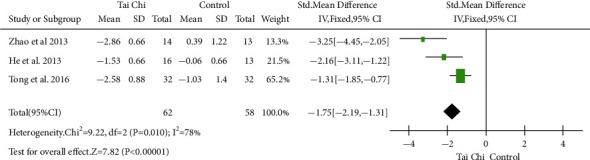
Seven eligible studies with a total of 296 participants were identified that met inclusion criteria for the systematic review; in the forest plot analysis, it was noted that for 95% CI, the standardized mean difference found to be -1.58 (-1.79, -1.38) with the heterogeneity of 87%, thereby favoring Tai Chi over the control group; a comparison was drawn for Tai Chi with routine therapy against the routine therapy alone, where 95% CI for -1.22 [-1.47, -0.97] is observed for = 0% for the overall effect = 9.42 ( < 0.00001); pain intensity of Tai Chi was compared with the control group, where 95% CI for -1.62 [-2.09, -1.14] was observed for = 6.69 ( < 0.00001). The forest plot subgroup analysis of Tai Chi was compared with the control group for an unchanged lifestyle, where 95% CI for -2.26 [-2.61, -1.91] was observed for = 12.76 ( < 0.00001).
Our results indicate that Tai Chi individually or with additional treatment along with routine physical exercises might reduce the pain and functional disorders for the patients suffering from back pain.
太极拳治疗各种疾病的有效性已有大量报道;然而,其对背痛和腰椎病的影响仍不明确。
我们按照系统评价和Meta分析的首选报告项目(PRISMA)指南进行了这项Meta分析,并在2008年至2016年期间对以下数据库进行了相关研究检索:Embase、Cochrane图书馆、科学网、PubMed、Scopus和CINAHL,以识别相关研究。我们使用物理治疗证据数据库(PEDro)量表来衡量所纳入的随机对照试验(RCT)的质量。根据结果模型,评估了加权平均差(WMD)和95%置信区间(CI)参数的累积结果,以发现太极拳对疼痛患者疼痛及功能障碍的影响。
共确定了7项符合系统评价纳入标准的合格研究,共计296名参与者;在森林图分析中,注意到对于95%CI,标准化平均差为-1.58(-1.79,-1.38),异质性为87%,因此太极拳组优于对照组;对太极拳联合常规治疗与单纯常规治疗进行了比较,总体效应的95%CI为-1.22[-1.47,-0.97],I² = 0%,Z = 9.42(P < 0.00001);将太极拳组与对照组的疼痛强度进行了比较,95%CI为-1.62[-2.09,-1.14],I² = 6.69(P < 0.00001)。对太极拳组与对照组在生活方式不变情况下进行森林图亚组分析,95%CI为-2.26[-2.61,-1.91],I² = 12.76(P < 0.00001)。
我们的结果表明,太极拳单独使用或与常规体育锻炼联合额外治疗可能会减轻背痛患者的疼痛和功能障碍。