Molecular Cell and Developmental Biology Laboratory, Department of Biological Sciences, Indian Institute of Science Education and Research Mohali, Punjab 140306, India.
Developmental Genetics Laboratory, Department of Biological Sciences, Indian Institute of Science Education and Research Mohali, Punjab 140306, India.
Sci Adv. 2022 Feb 18;8(7):eabj4991. doi: 10.1126/sciadv.abj4991.
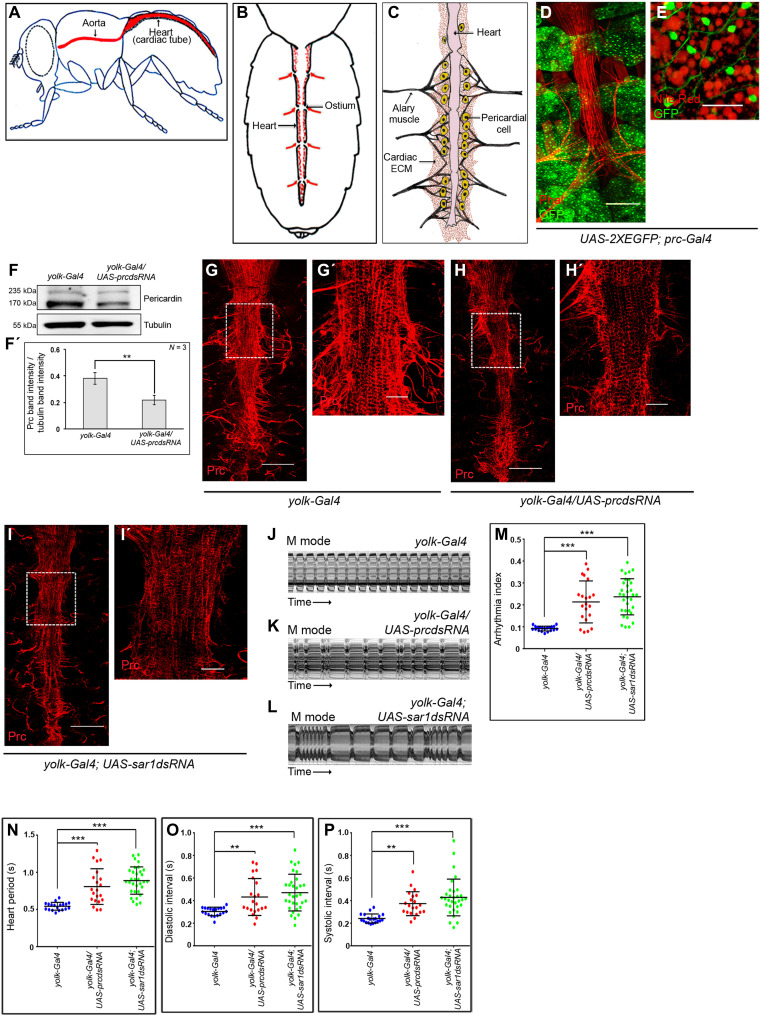
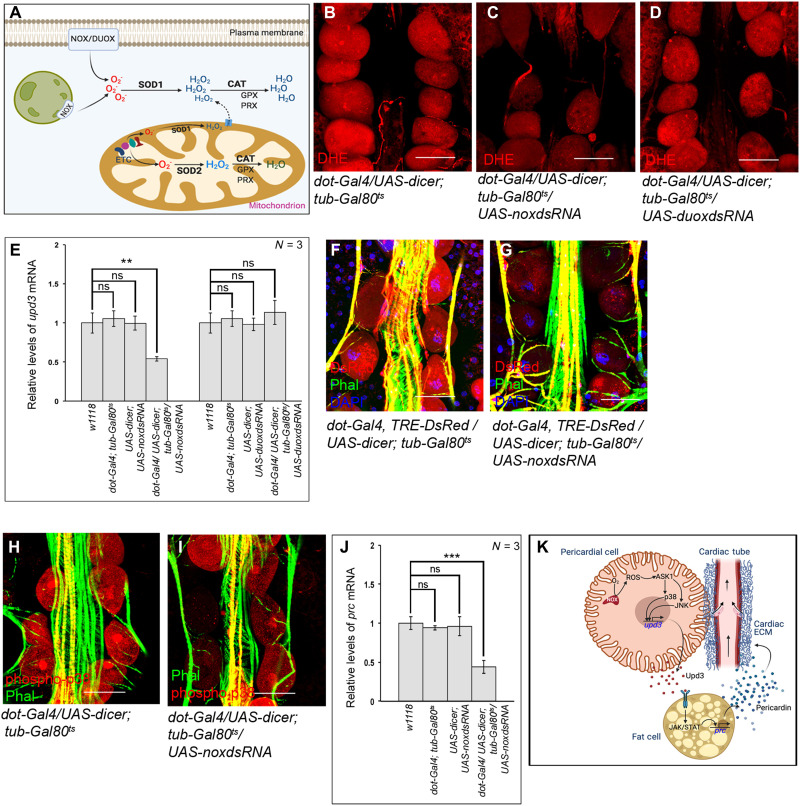
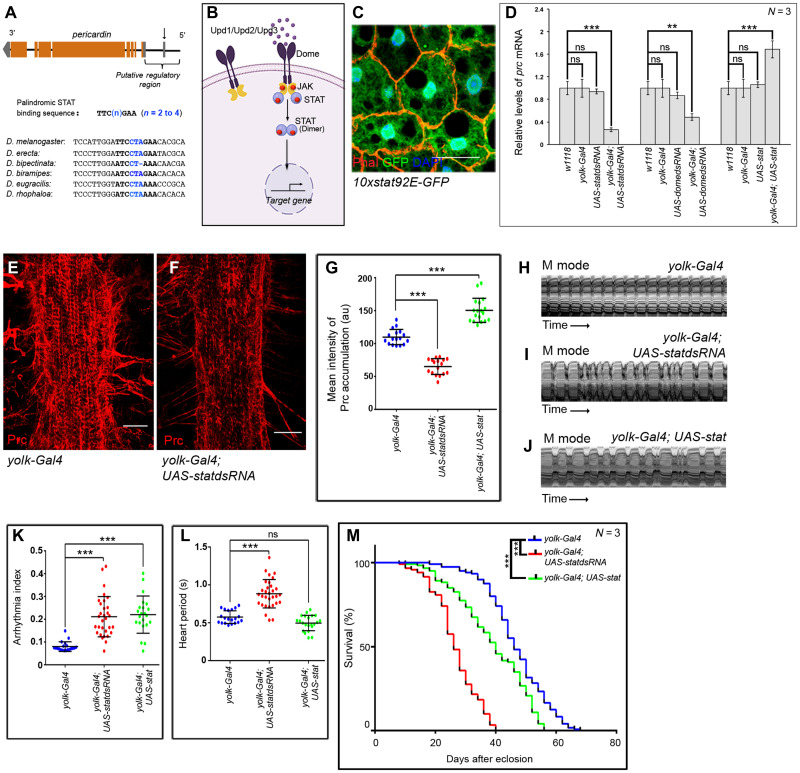
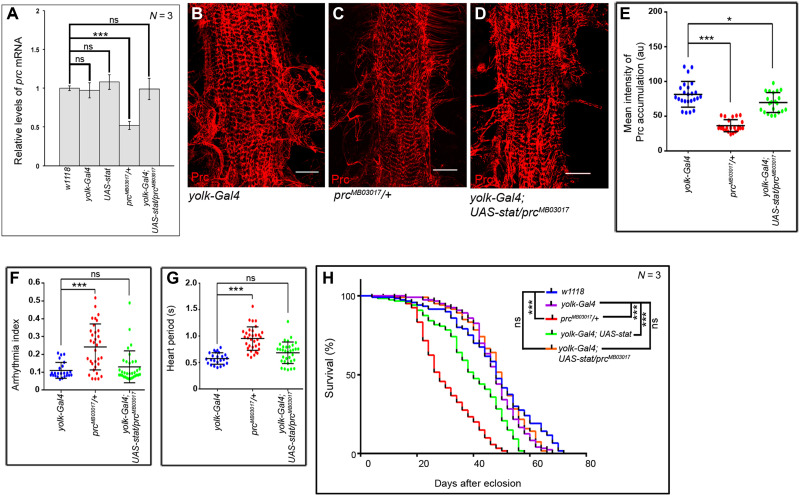
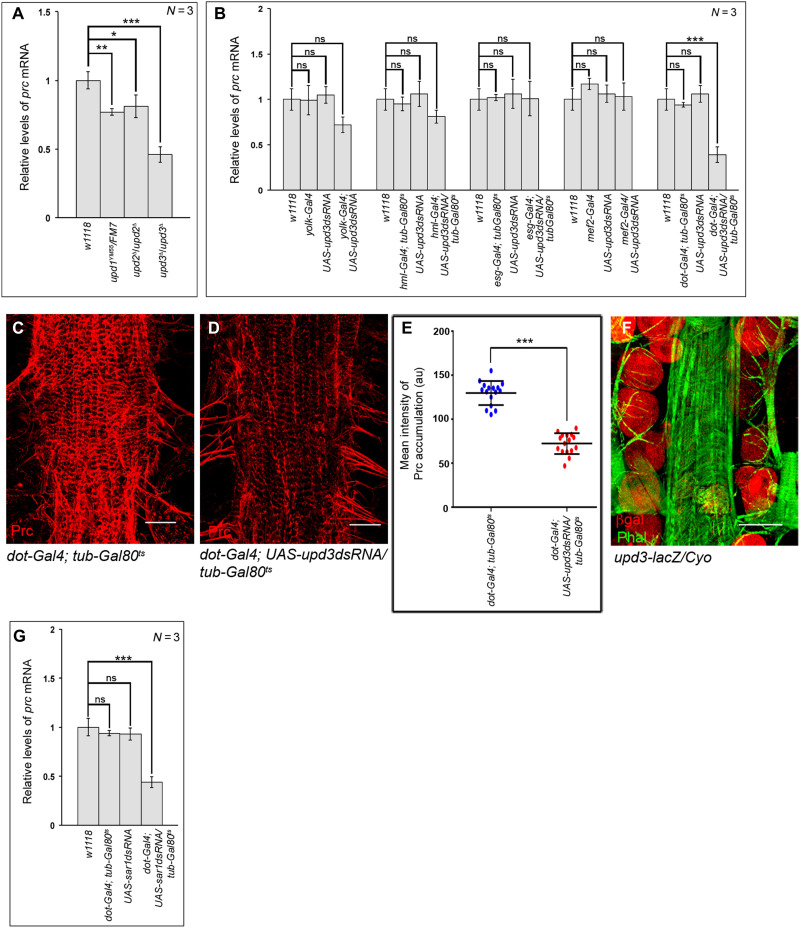
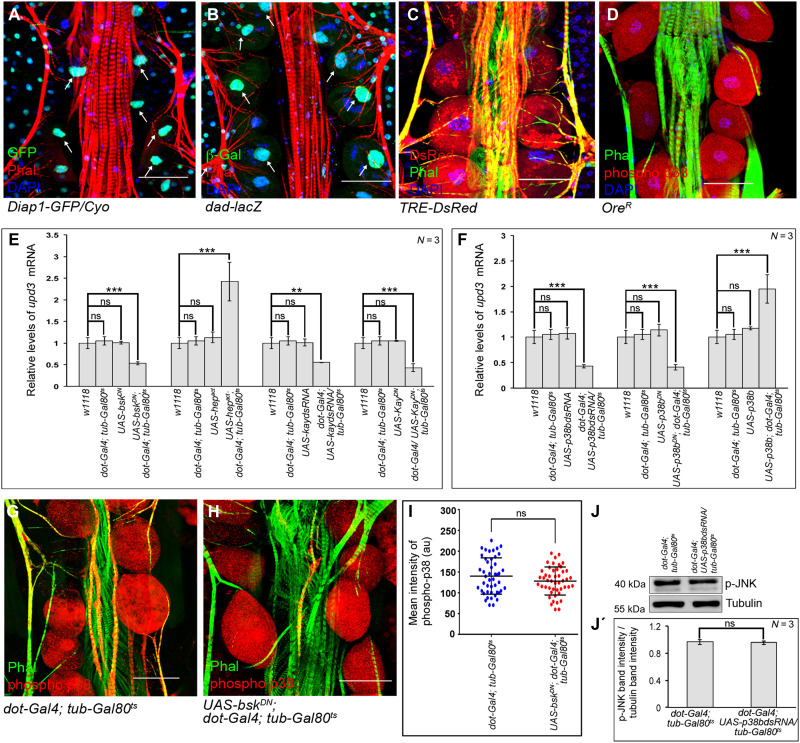
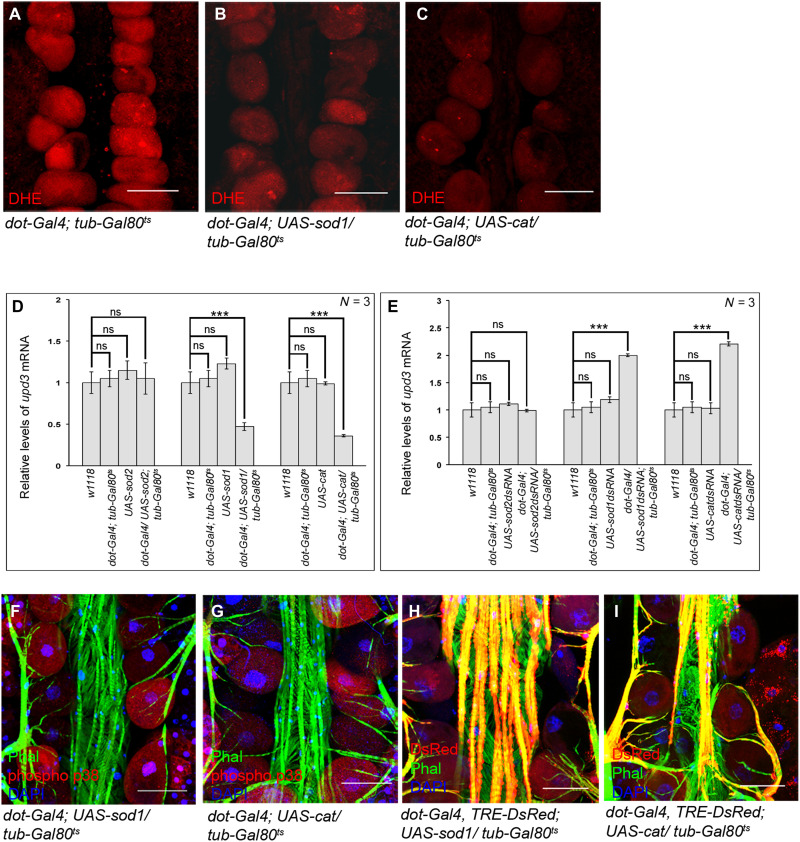
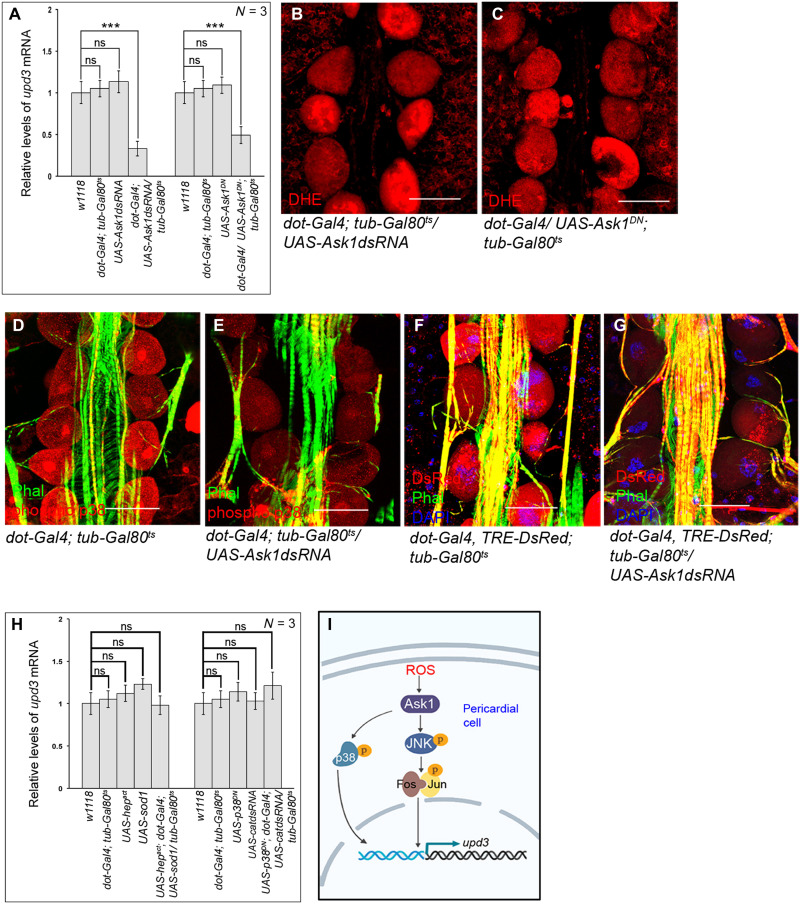
Despite their highly reactive nature, reactive oxygen species (ROS) at the physiological level serve as signaling molecules regulating diverse biological processes. While ROS usually act autonomously, they also function as local paracrine signals by diffusing out of the cells producing them. Using in vivo molecular genetic analyses in , we provide evidence for ROS-dependent paracrine signaling that does not entail ROS release. We show that elevated levels of physiological ROS within the pericardial cells activate a signaling cascade transduced by Ask1, c-Jun N-terminal kinase, and p38 to regulate the expression of the cytokine Unpaired 3 (Upd3). Upd3 released by the pericardial cells controls fat body-specific expression of the extracellular matrix (ECM) protein Pericardin, essential for cardiac function and healthy life span. Therefore, our work reveals an unexpected inter-organ communication circuitry wherein high physiological levels of ROS regulate cytokine-dependent modulation of cardiac ECM with implications in normal and pathophysiological conditions.
尽管活性氧(ROS)具有高度反应性,但在生理水平下,它们作为信号分子调节着多种生物过程。虽然 ROS 通常是自主作用的,但它们也可以作为局部旁分泌信号,通过扩散出产生它们的细胞来发挥作用。通过在体内进行分子遗传学分析,我们提供了证据表明 ROS 依赖性旁分泌信号不需要 ROS 释放。我们表明,心包细胞内升高的生理 ROS 水平激活了由 Ask1、c-Jun N 端激酶和 p38 转导的信号级联反应,从而调节细胞因子 Unpaired 3(Upd3)的表达。心包细胞释放的 Upd3 控制脂肪体中细胞外基质(ECM)蛋白 Pericardin 的特异性表达,这对于心脏功能和健康寿命至关重要。因此,我们的工作揭示了一个意想不到的器官间通讯电路,其中生理水平的 ROS 调节细胞因子依赖性的心脏 ECM 调节,这对正常和病理生理条件都有影响。