Laboratory of Tissue Engineering and Organ Regeneration, Department of Surgery, University of Geneva, Geneva, Switzerland.
Cell Isolation and Transplantation Center, Department of Surgery, Geneva University Hospitals and University of Geneva, Geneva, Switzerland.
Transpl Int. 2022 Jan 21;35:10214. doi: 10.3389/ti.2021.10214. eCollection 2021.
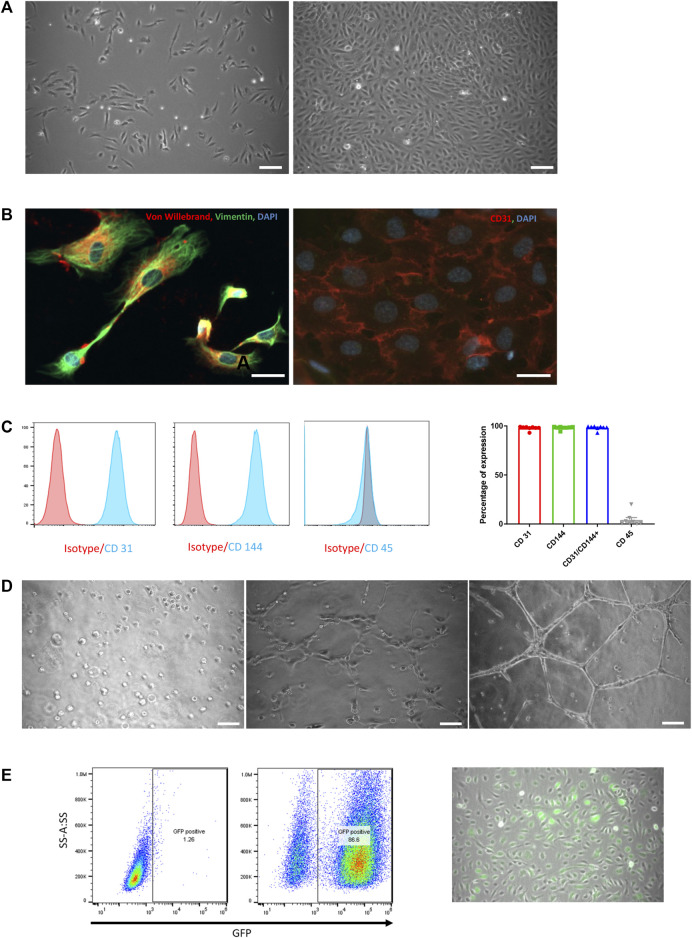
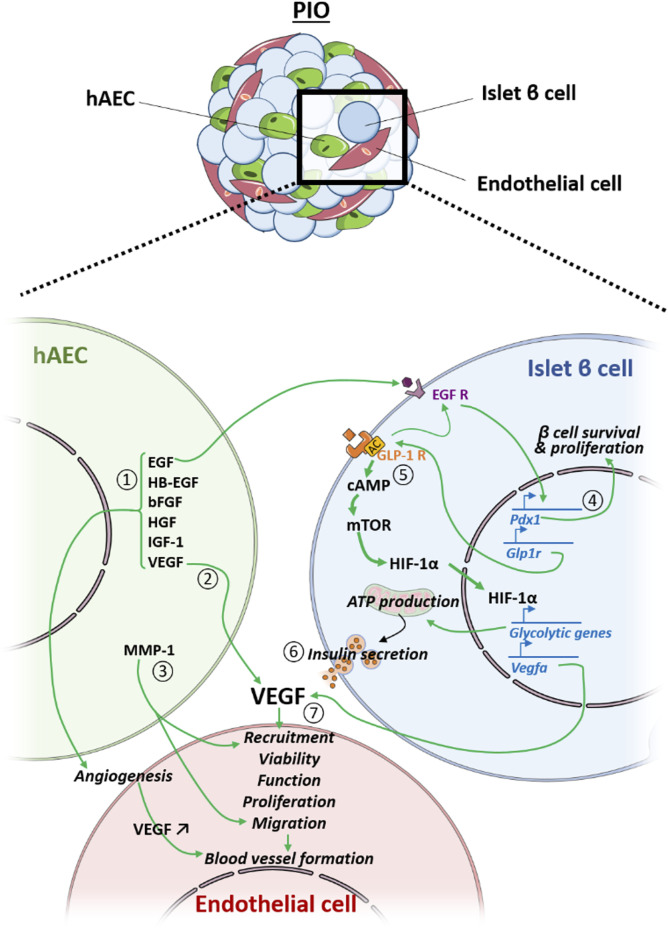
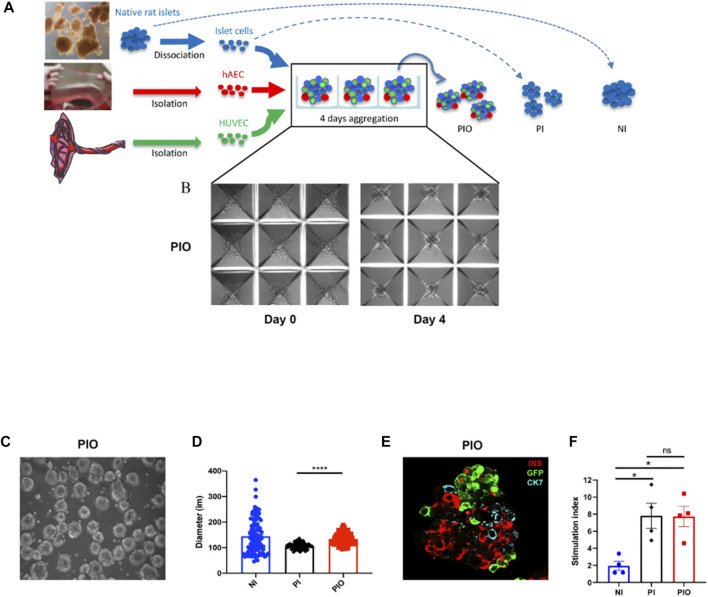
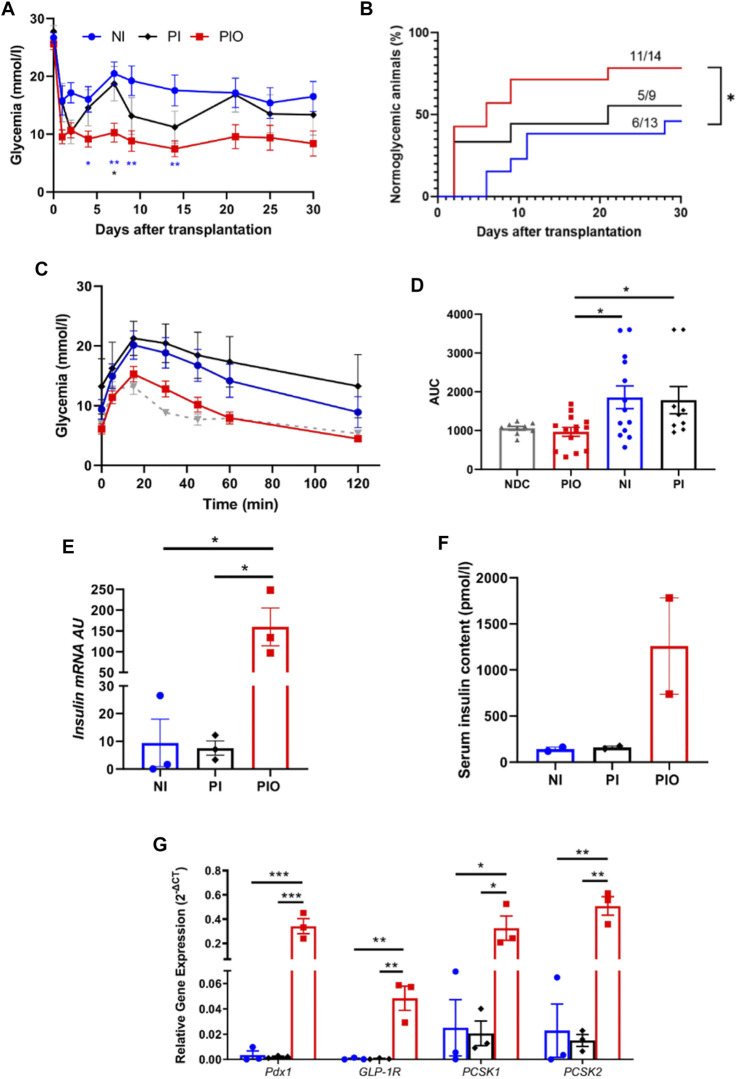
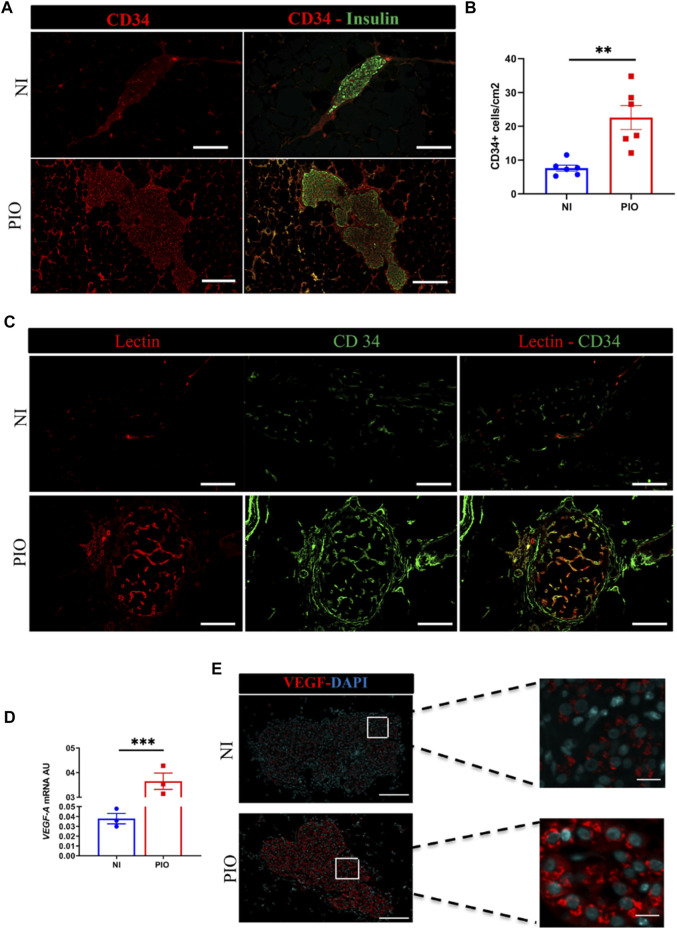
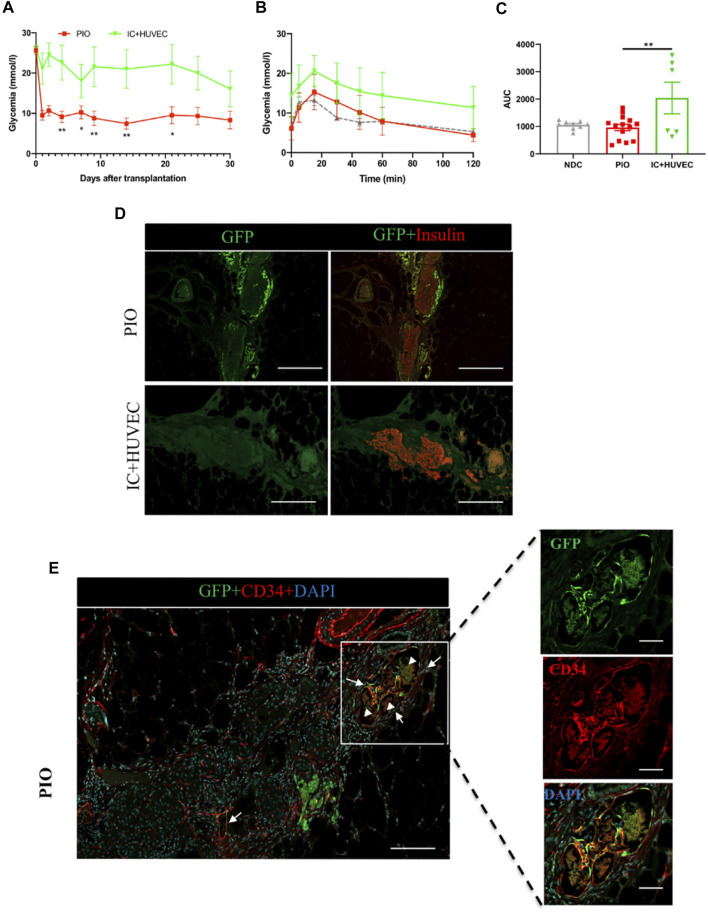
Lack of rapid revascularization and inflammatory attacks at the site of transplantation contribute to impaired islet engraftment and suboptimal metabolic control after clinical islet transplantation. In order to overcome these limitations and enhance engraftment and revascularization, we have generated and transplanted pre-vascularized insulin-secreting organoids composed of rat islet cells, human amniotic epithelial cells (hAECs), and human umbilical vein endothelial cells (HUVECs). Our study demonstrates that pre-vascularized islet organoids exhibit enhanced function compared to native islets, and, most importantly, better engraftment and improved vascularization in a murine model. This is mainly due to cross-talk between hAECs, HUVECs and islet cells, mediated by the upregulation of genes promoting angiogenesis () and β cell function (, ). The possibility of adding a selected source of endothelial cells for the neo-vascularization of insulin-scereting grafts may also allow implementation of β cell replacement therapies in more favourable transplantation sites than the liver.
缺乏快速的再血管化和移植部位的炎症攻击导致胰岛移植后受损的胰岛植入和不理想的代谢控制。为了克服这些限制并增强植入和再血管化,我们已经生成并移植了由大鼠胰岛细胞、人羊膜上皮细胞(hAEC)和人脐静脉内皮细胞(HUVEC)组成的预血管化的胰岛素分泌类器官。我们的研究表明,与天然胰岛相比,预血管化的胰岛类器官表现出增强的功能,最重要的是,在小鼠模型中更好的植入和改善的血管化。这主要是由于 hAEC、HUVEC 和胰岛细胞之间的串扰,由促进血管生成()和β细胞功能(、)的基因上调介导。添加选定的内皮细胞来源用于胰岛素分泌移植物的新血管化的可能性也可能允许在比肝脏更有利的移植部位实施β细胞替代疗法。