Hosseini Faezeh Sadat, Amanlou Arash, Amanlou Massoud
Department of Medicinal Chemistry, Faculty of Pharmacy, Tehran University of Medical Sciences, Tehran, Iran.
Experimental Medicine Research Center, Tehran University of Medical Sciences, Tehran, Iran.
Iran J Pharm Res. 2021 Fall;20(4):315-328. doi: 10.22037/ijpr.2021.115367.15339.
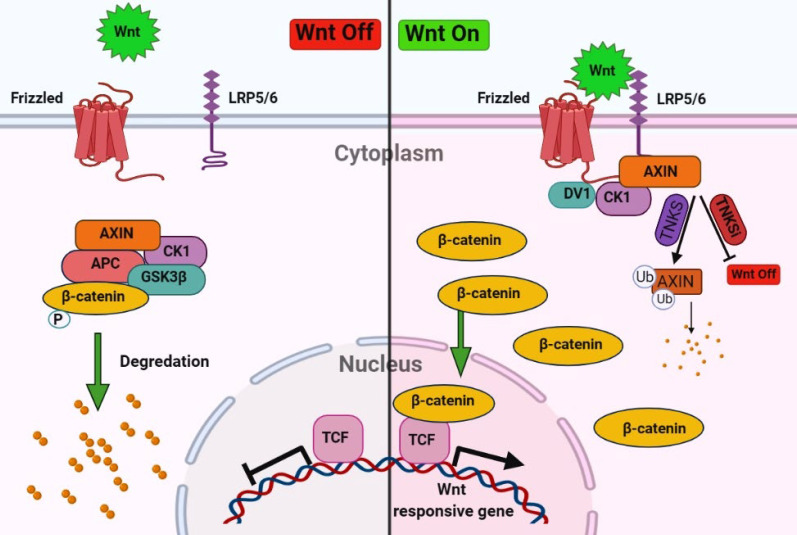
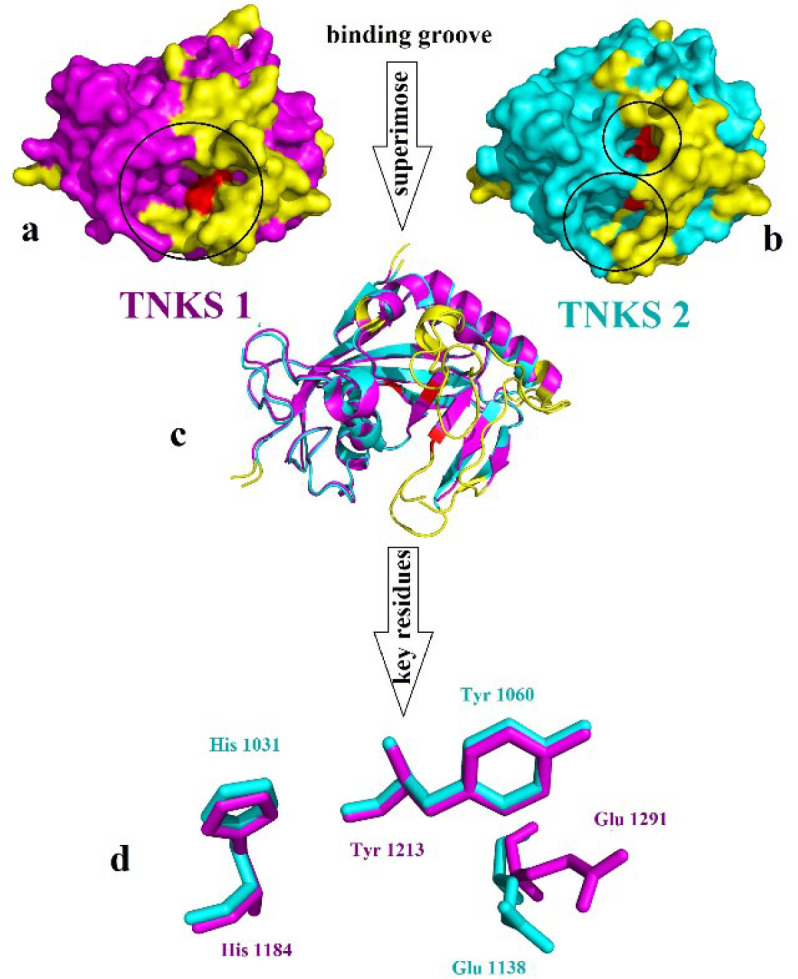
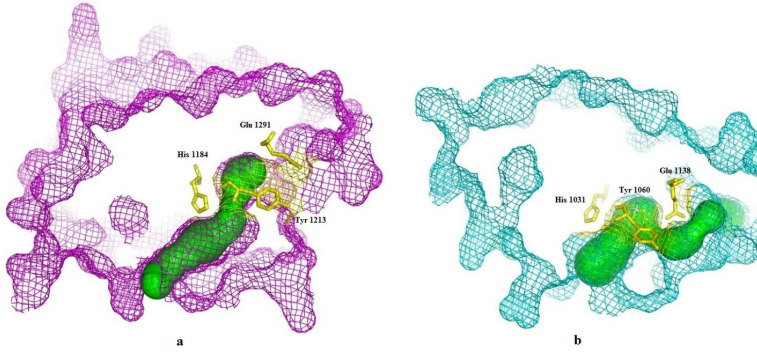
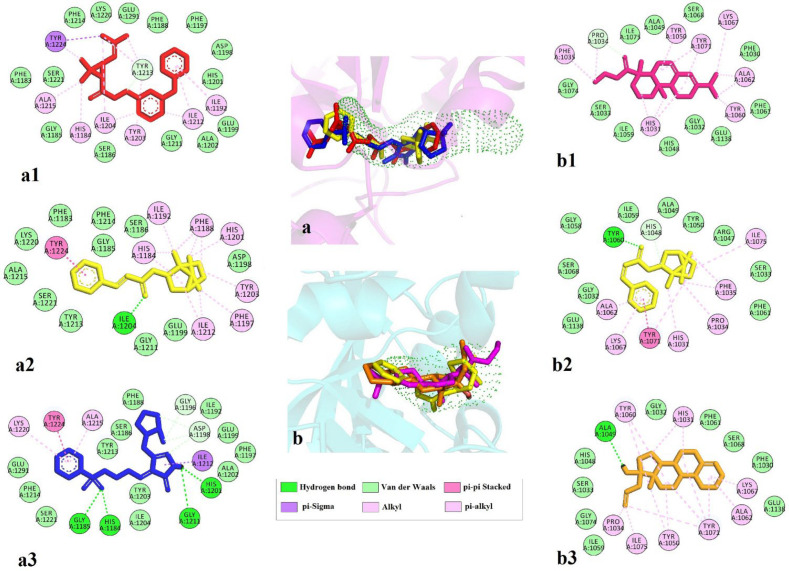
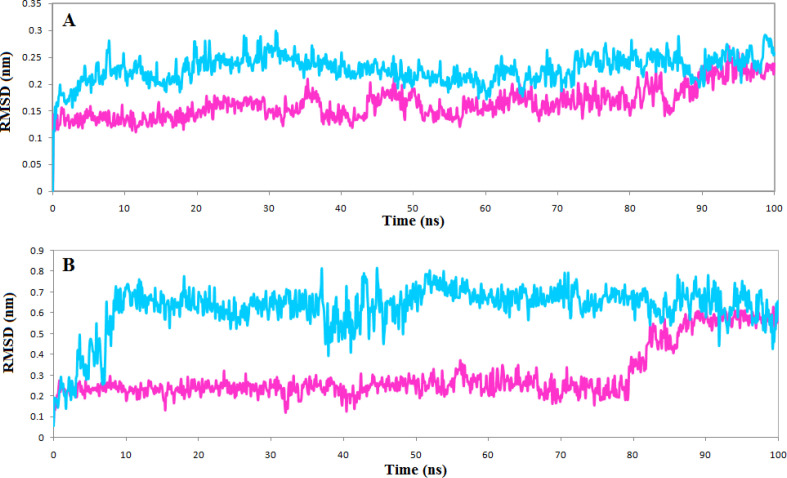
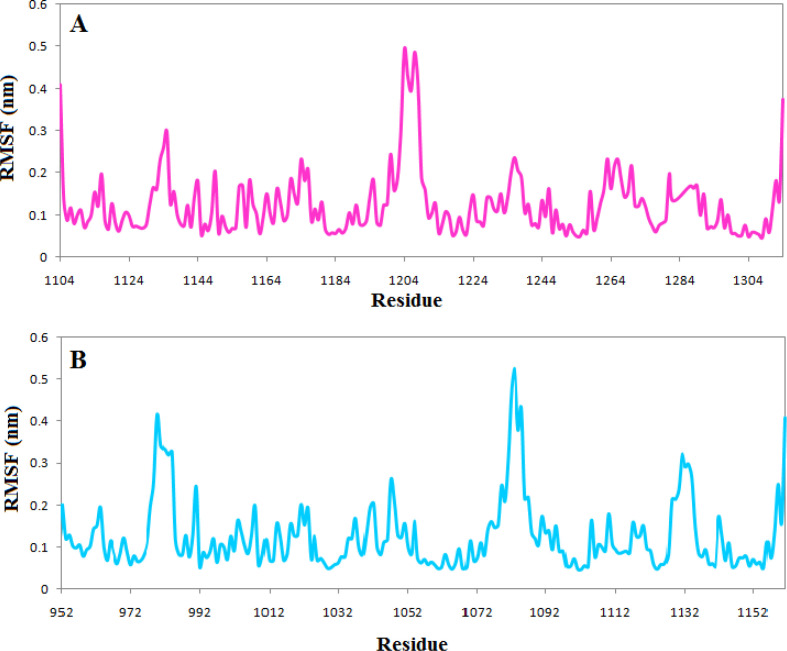
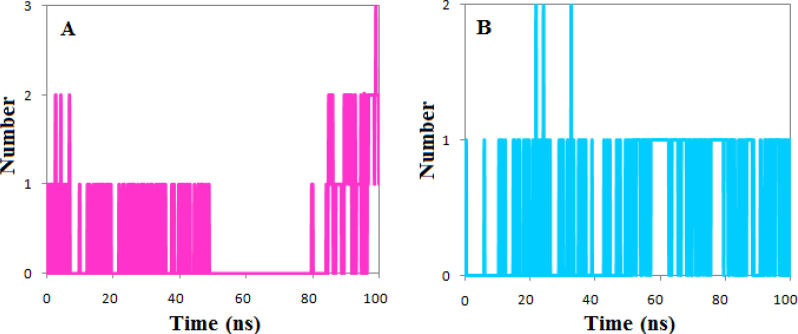
Myocardial infarction causes heart tissue damages; therefore, using non-invasive methods to regenerate the heart tissue could be very helpful. Recent studies claimed that the inhibition of the Wnt signaling could promote cardiac remodeling and induce cardiac regeneration. Therefore, a tankyrase inhibitor to stabilize the AXIN and inhibit the Wnt/β-catenin signaling pathway will induce cardiac regeneration after injury. In this regard, virtual screening procedure, using molecular docking of 9127 FDA and world approved drugs, including herbal medicine, was done over the crystal structures of tankyrase 1 (TNKS1) and tankyrase 2 (TNKS2) catalytic poly (ADP-ribose) polymerase (PARP) domains with PDB ID: 2RF5 and 3KR7, respectively, to find potential small molecule inhibitors to regenerate injured heart tissue. Subsequently, molecular dynamics simulations were done to assess the stability of selected ligands phenothrin and ethyl rosinate in the binding pocket of TNKS1 and TNKS2 for 100 ns, respectively. Both compounds show suitable interaction in their binding pocket. The molecular dynamics simulation results confirm their stability. The binding free energy of complexes was carried out by the MM-PBSA method. ADME properties also indicate the potential of drug-likeness of both compounds. Taking together both drugs may be promising for inducing cardiac regeneration after injury. Nevertheless, clinical approval remains.
心肌梗死会导致心脏组织受损;因此,使用非侵入性方法来再生心脏组织可能会非常有帮助。最近的研究表明,抑制Wnt信号传导可促进心脏重塑并诱导心脏再生。因此,一种可稳定AXIN并抑制Wnt/β-连环蛋白信号通路的端锚聚合酶抑制剂将在损伤后诱导心脏再生。在这方面,利用9127种FDA和全球批准的药物(包括草药)进行分子对接的虚拟筛选程序,分别针对PDB ID为2RF5和3KR7的端锚聚合酶1(TNKS1)和端锚聚合酶2(TNKS2)催化聚(ADP-核糖)聚合酶(PARP)结构域的晶体结构进行,以寻找可用于再生受损心脏组织的潜在小分子抑制剂。随后,进行分子动力学模拟,分别评估选定的配体氯菊酯和松香乙酯在TNKS1和TNKS2结合口袋中100纳秒的稳定性。两种化合物在其结合口袋中均显示出合适的相互作用。分子动力学模拟结果证实了它们的稳定性。通过MM-PBSA方法计算复合物的结合自由能。ADME性质也表明这两种化合物具有类药物潜力。综合来看,这两种药物可能有望在损伤后诱导心脏再生。然而,仍需临床批准。