Department of Microbiology, Kindai University Faculty of Medicine, Osakasayama, Osaka, Japan.
Department of Microbiology and Immunology, Center for Molecular and Tumor Virology, Louisiana State University Health-Shreveport, Shreveport, LA, United States.
Front Cell Infect Microbiol. 2022 Feb 7;12:805302. doi: 10.3389/fcimb.2022.805302. eCollection 2022.
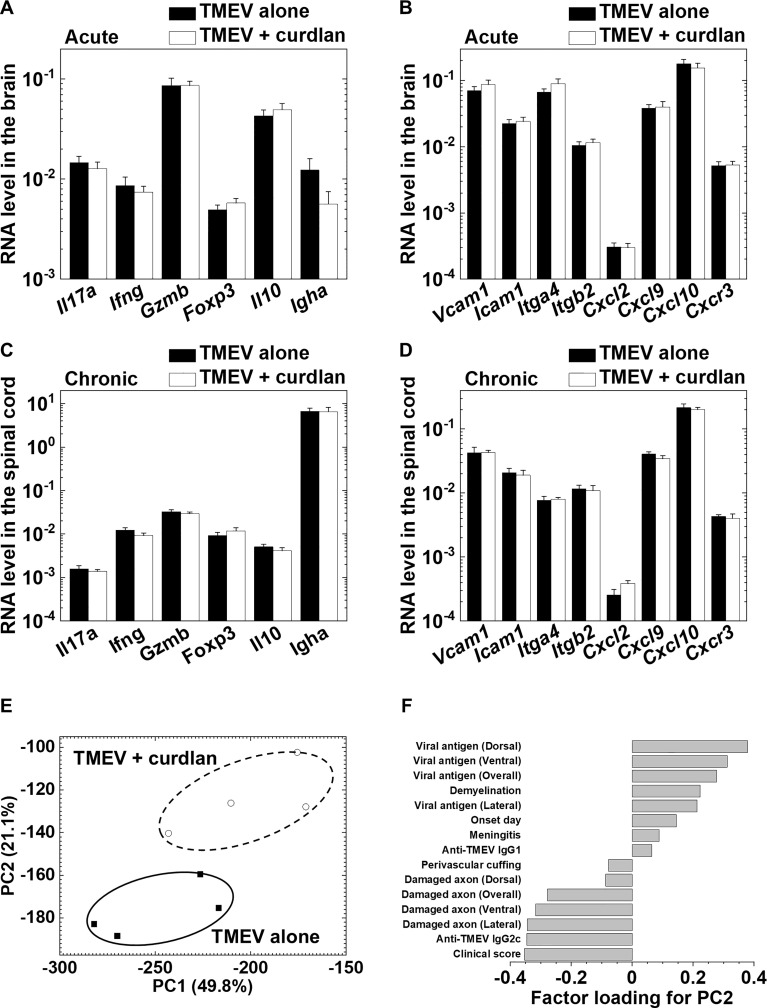
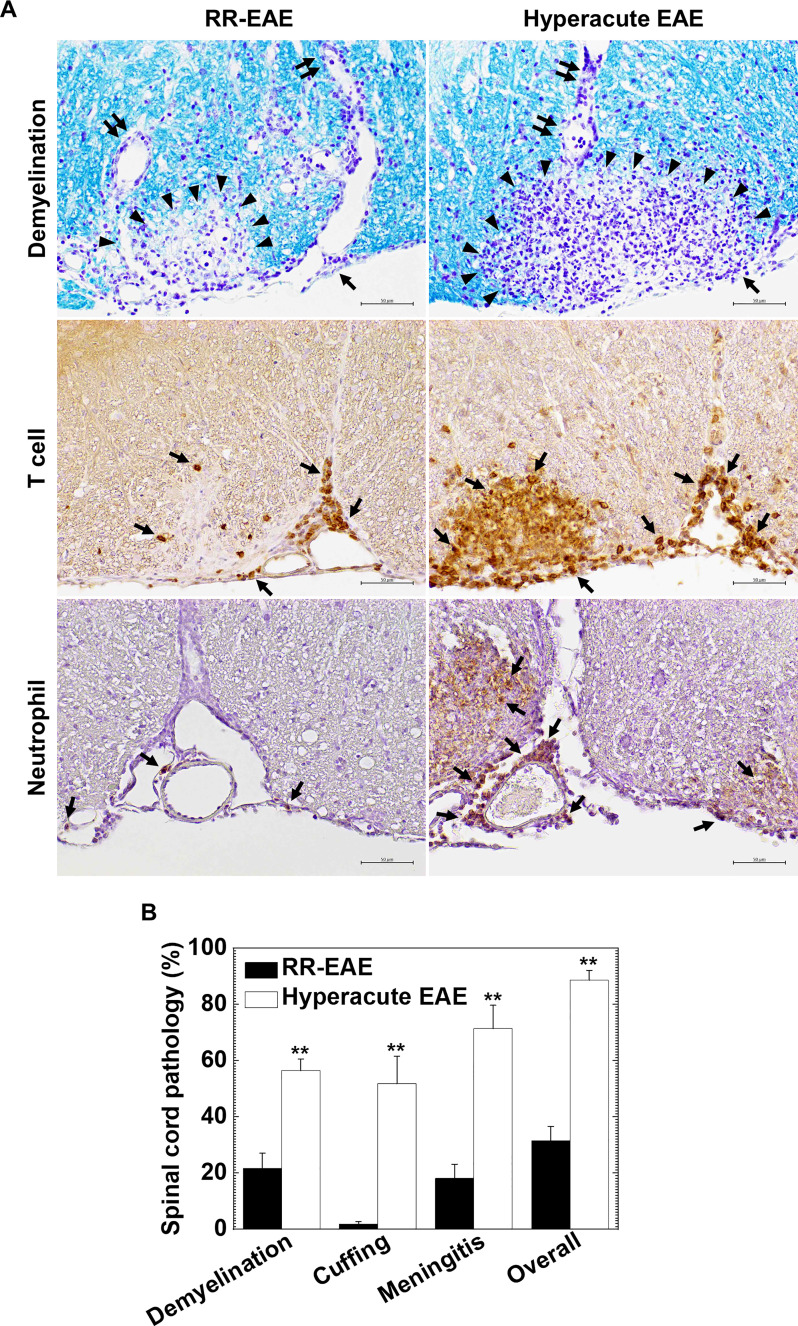
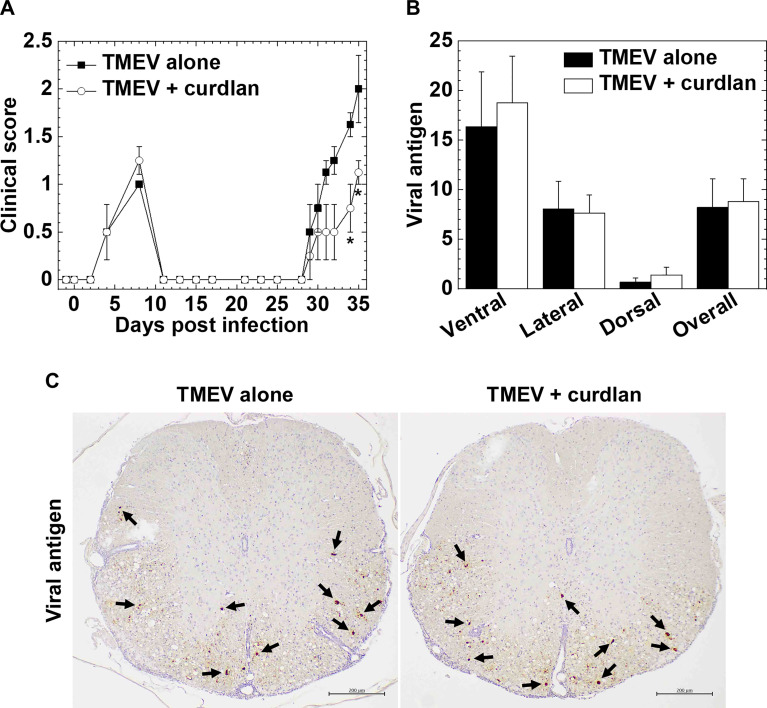
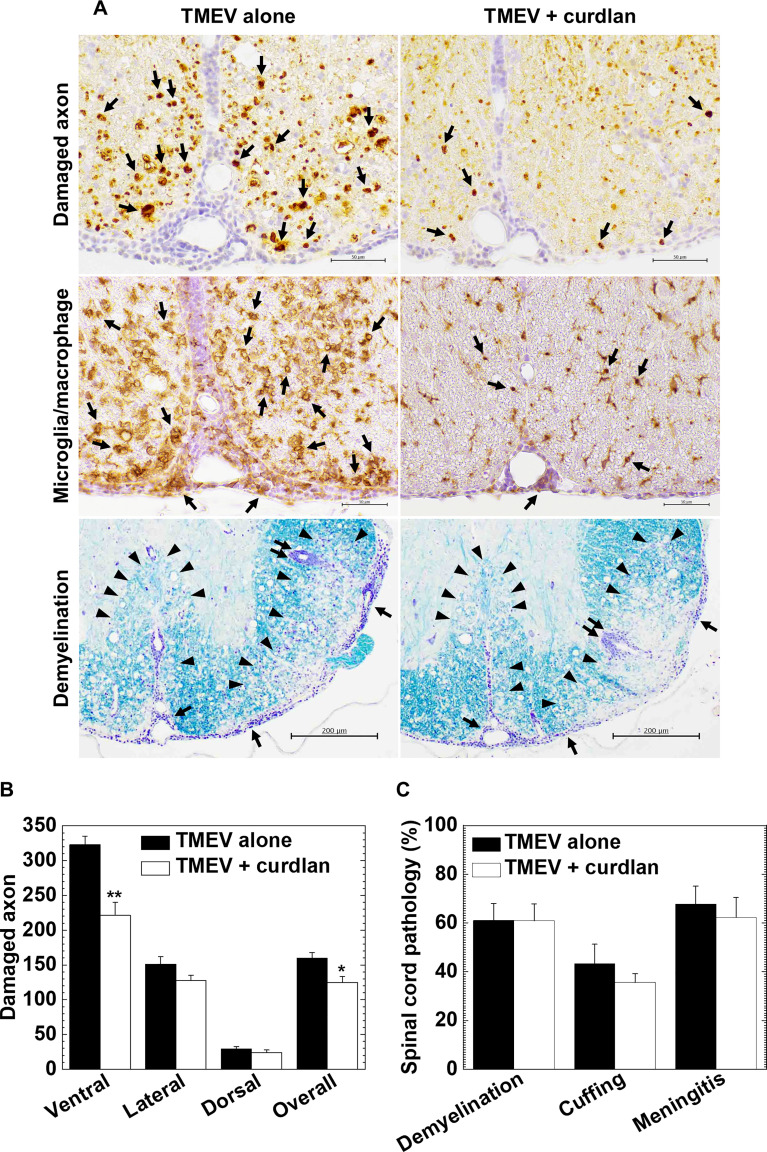
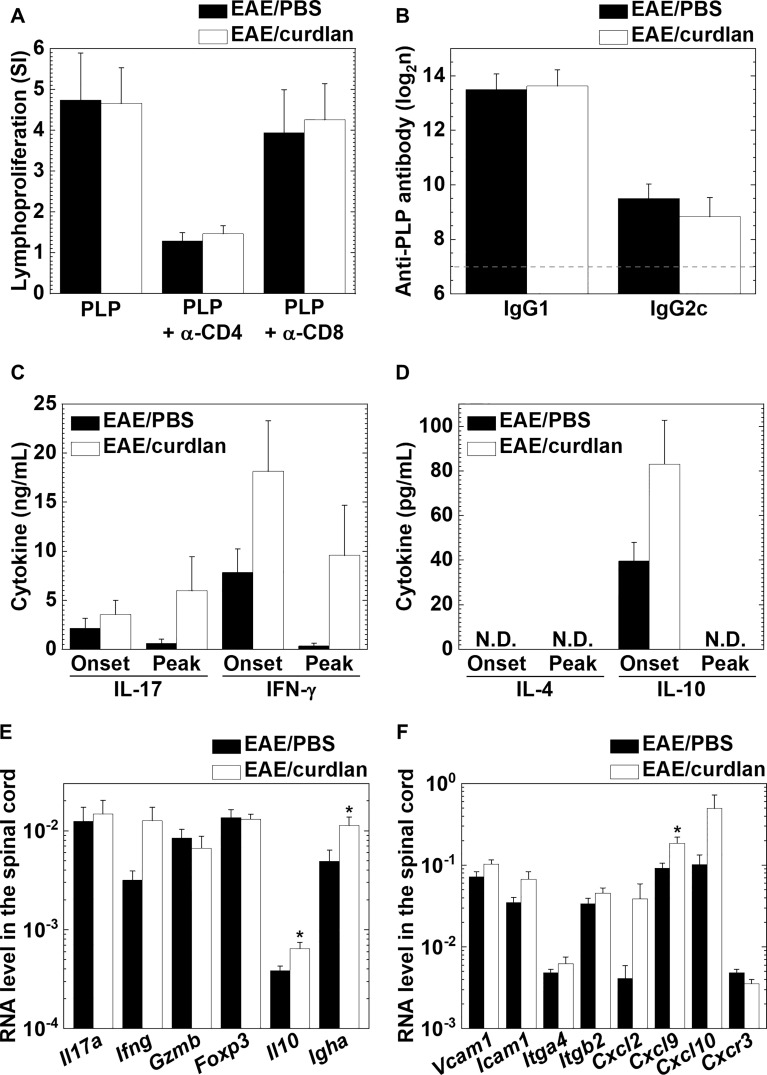
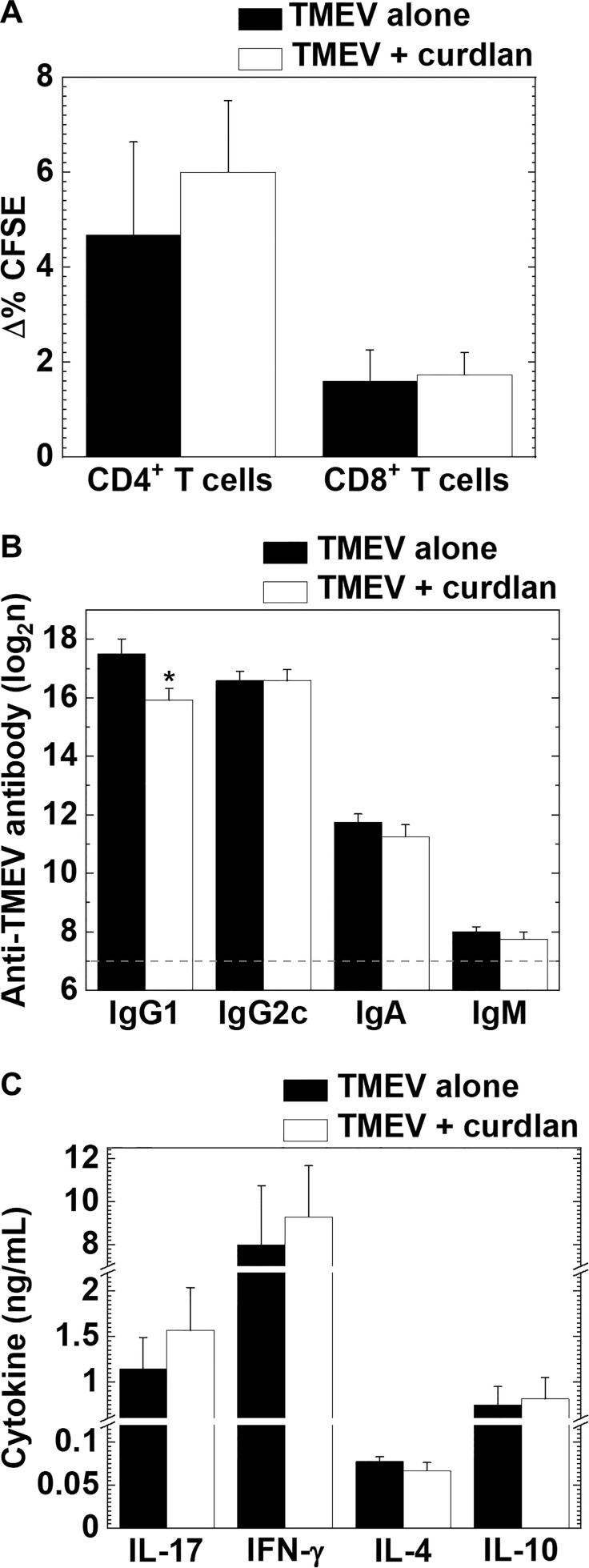
Multiple sclerosis (MS) is an immune-mediated disease characterized by inflammatory demyelination and axonal degeneration in the central nervous system (CNS). Bacterial and fungal infections have been associated with the development of MS; microbial components that are present in several microbes could contribute to MS pathogenesis. Among such components, curdlan is a microbial 1,3-β-glucan that can stimulate dendritic cells, and enhances T helper (Th) 17 responses. We determined whether curdlan administration could affect two animal models for MS: an autoimmune model, experimental autoimmune encephalomyelitis (EAE), and a viral model, Theiler's murine encephalomyelitis virus (TMEV)-induced demyelinating disease (TMEV-IDD). We induced relapsing-remitting EAE by sensitizing SJL/J mice with the myelin proteolipid protein (PLP) peptide and found that curdlan treatment prior to PLP sensitization converted the clinical course of EAE into hyperacute EAE, in which the mice developed a progressive motor paralysis and died within 2 weeks. Curdlan-treated EAE mice had massive infiltration of T cells and neutrophils in the CNS with higher levels of Th17 and Th1 responses, compared with the control EAE mice. On the other hand, in TMEV-IDD, we found that curdlan treatment reduced the clinical scores and axonal degeneration without changes in inflammation or viral persistence in the CNS. In summary, although curdlan administration exacerbated the autoimmune MS model by enhancing inflammatory demyelination, it suppressed the viral MS model with reduced axonal degeneration. Therefore, microbial infections may play contrasting roles in MS depending on its etiology: autoimmunity versus viral infection.
多发性硬化症(MS)是一种免疫介导的疾病,其特征是中枢神经系统(CNS)中的炎症性脱髓鞘和轴突变性。细菌和真菌感染与 MS 的发生有关;存在于多种微生物中的微生物成分可能有助于 MS 的发病机制。在这些成分中,凝乳多糖是一种微生物 1,3-β-葡聚糖,可刺激树突状细胞,并增强辅助性 T 细胞(Th)17 反应。我们确定了凝乳多糖给药是否会影响两种 MS 动物模型:自身免疫模型,实验性自身免疫性脑脊髓炎(EAE)和病毒性模型,Theiler 鼠脑脊髓炎病毒(TMEV)诱导的脱髓鞘疾病(TMEV-IDD)。我们通过用髓鞘蛋白脂蛋白(PLP)肽敏化 SJL/J 小鼠来诱导复发性缓解 EAE,并发现凝乳多糖在 PLP 致敏之前的治疗将 EAE 的临床过程转化为超急性 EAE,其中小鼠发展为进行性运动性瘫痪,并在 2 周内死亡。与对照 EAE 小鼠相比,凝乳多糖治疗的 EAE 小鼠的 CNS 中有大量 T 细胞和中性粒细胞浸润,并且 Th17 和 Th1 反应水平更高。另一方面,在 TMEV-IDD 中,我们发现凝乳多糖治疗可降低临床评分和轴突变性,而 CNS 中的炎症或病毒持续存在无变化。总之,尽管凝乳多糖给药通过增强炎症性脱髓鞘作用加重了自身免疫性 MS 模型,但通过减少轴突变性抑制了病毒性 MS 模型。因此,微生物感染可能根据其病因在 MS 中发挥相反的作用:自身免疫与病毒感染。