Department of Neurology at Dartmouth Hitchcock Medical Center, Lebanon, NH, United States.
Integrative Neuroscience at Dartmouth, Dartmouth College, Hanover, NH, United States.
Front Immunol. 2022 Jul 26;13:924734. doi: 10.3389/fimmu.2022.924734. eCollection 2022.
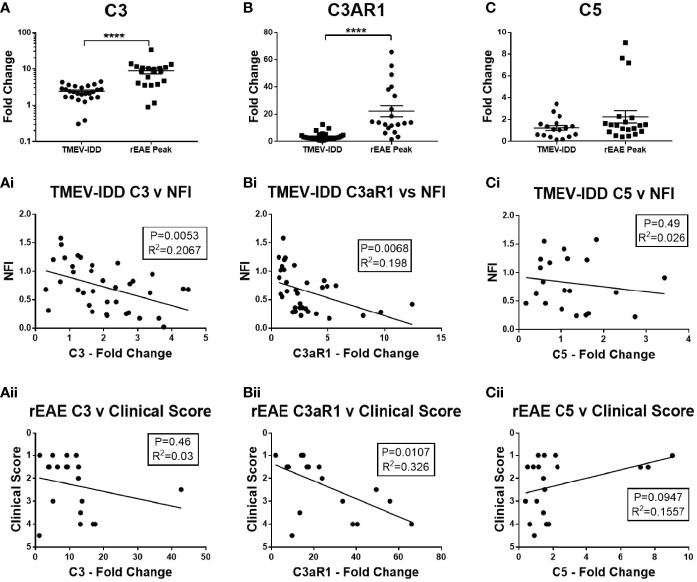
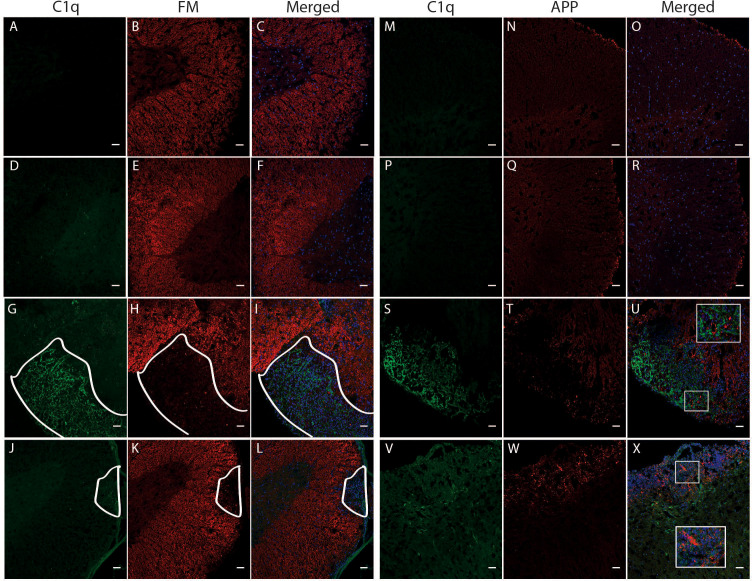
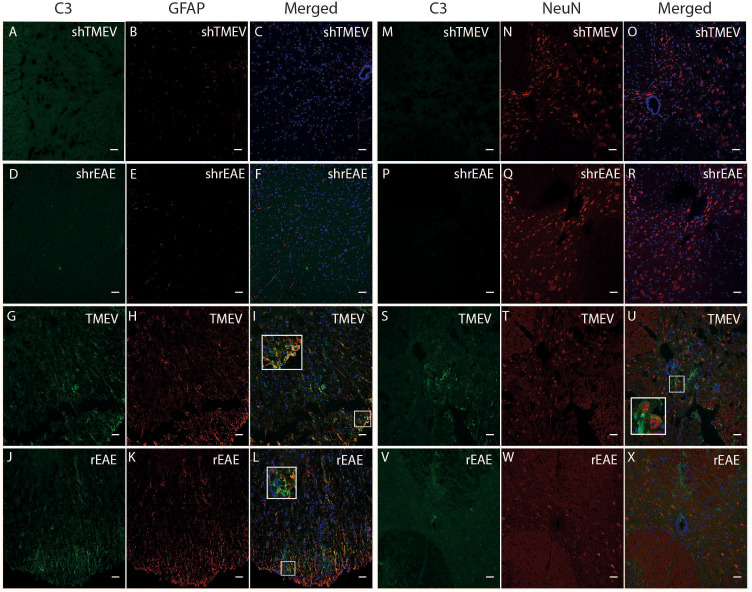
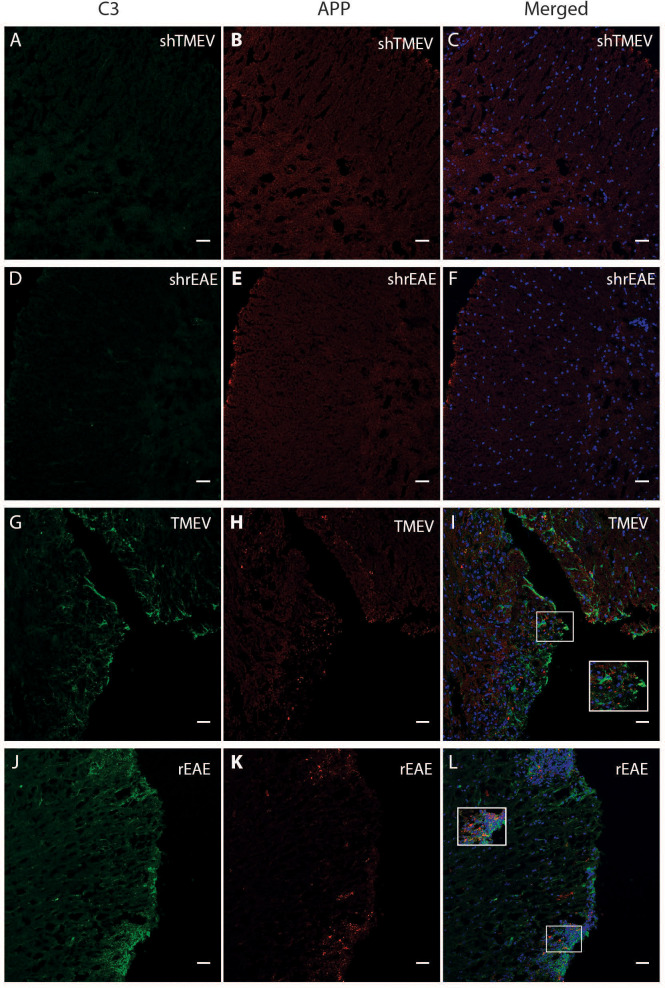
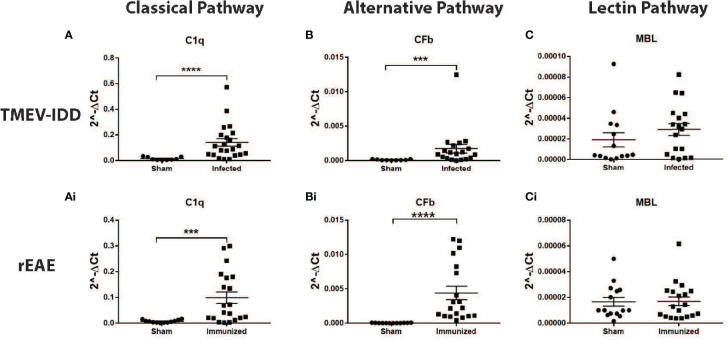
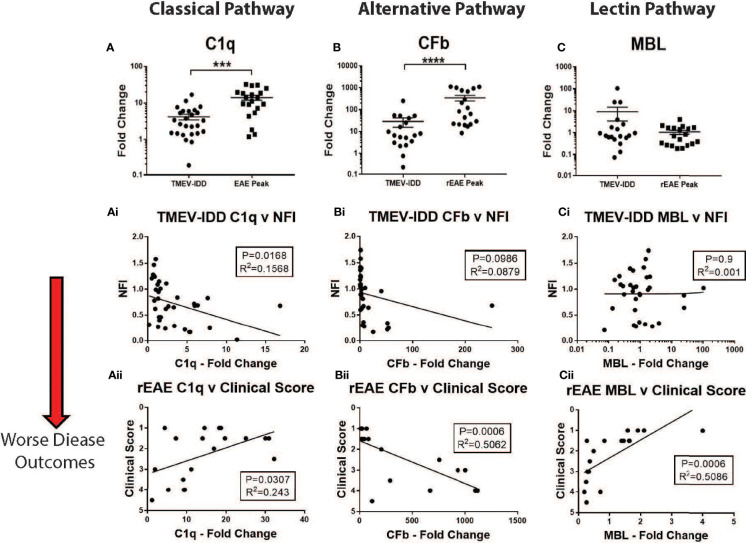
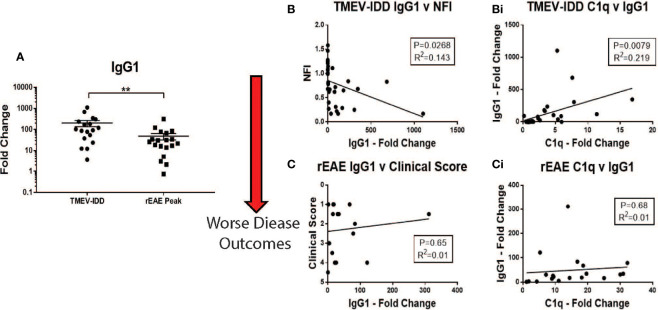
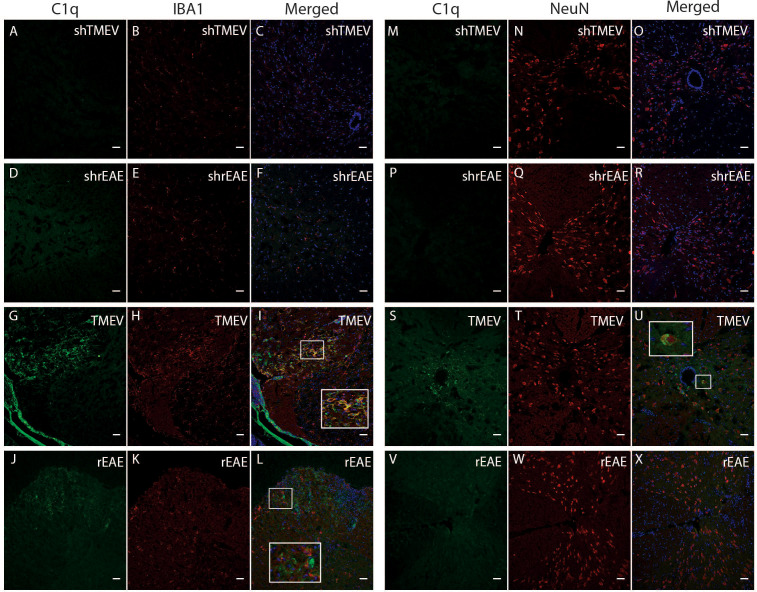
Multiple sclerosis (MS) is a neurological disease featuring neuroinflammation and neurodegeneration in young adults. So far, most research has focused on the peripheral immune system, which appears to be the driver of acute relapses. Concurrently, the mechanisms underlying neurodegeneration in the progressive forms of the disease remain unclear. The complement system, a molecular component of the innate immunity, has been recently implicated in several neurological disorders, including MS. However, it is still unknown if the complement proteins detected in the central nervous system (CNS) are actively involved in perpetuating chronic inflammation and neurodegeneration. To address this knowledge gap, we compared two clinically distinct mouse models of MS: 1) proteolipid protein (PLP)-induced experimental autoimmune encephalomyelitis (rEAE) resembling a relapsing-remitting disease course, and 2) Theiler's murine encephalomyelitis virus-induced demyelinating disease (TMEV-IDD) resembling a progressive disease. Real-time PCR was performed in the spinal cord of rEAE mice, TMEV-IDD mice and age-matched sham controls to quantify gene expression for a broad range of complement components. In both experimental models, we found significantly increased expression of complement factors, such as C1q, C3, CfB, and C3aR. We showed that the complement system, specifically the classical complement pathway, was associated with TMEV-IDD pathogenesis, as the expression of C1q, C3 and C3aR1 were all significantly correlated to a worse disease outcome (all ≤0.0168). In line with this finding, C1q and C3 deposition was observed in the spinal cord of TMEV-IDD mice. Furthermore, C1q deposition was detected in spinal cord regions characterized by inflammation, demyelination, and axonal damage. Conversely, activation of the classical complement cascade seemed to result in protection from rEAE (C1q: =0.0307). Interestingly, the alternative pathway related to a worse disease outcome in rEAE (CFb: =0.0006). Overall, these results indicate potential divergent roles for the complement system in MS. The chronic-progressive disease form is more reliant on the activation of the classic complement pathway, while protecting from acute relapses. Conversely, relapsing MS appears more likely affected by the alternative pathway. Understanding the functions of the complement system in MS is critical and can lead to better, more targeted therapies in the future.
多发性硬化症(MS)是一种影响年轻人的神经疾病,其特征是神经炎症和神经退行性变。迄今为止,大多数研究都集中在外周免疫系统,该系统似乎是急性复发的驱动因素。同时,疾病进行性形式的神经退行性变的机制尚不清楚。补体系统是先天免疫系统的一个分子成分,最近已被牵连到包括多发性硬化症在内的几种神经疾病中。然而,中枢神经系统(CNS)中检测到的补体蛋白是否积极参与慢性炎症和神经退行性变的持续仍不清楚。为了填补这一知识空白,我们比较了两种临床上不同的多发性硬化症小鼠模型:1)髓鞘少突胶质细胞糖蛋白(PLP)诱导的实验性自身免疫性脑脊髓炎(rEAE),类似于复发缓解型疾病过程,和 2)柯萨奇病毒 B3 株(TMEV)诱导的脱髓鞘疾病(TMEV-IDD),类似于进行性疾病。实时 PCR 用于 rEAE 小鼠、TMEV-IDD 小鼠和年龄匹配的假对照脊髓中,以定量广泛的补体成分的基因表达。在两种实验模型中,我们发现补体因子的表达显著增加,如 C1q、C3、CfB 和 C3aR。我们表明,补体系统,特别是经典补体途径,与 TMEV-IDD 发病机制有关,因为 C1q、C3 和 C3aR1 的表达均与疾病结局恶化显著相关(均≤0.0168)。与此发现一致,C1q 和 C3 在 TMEV-IDD 小鼠的脊髓中沉积。此外,C1q 沉积在脊髓炎症、脱髓鞘和轴突损伤区域检测到。相反,经典补体级联的激活似乎可以防止 rEAE(C1q:=0.0307)。有趣的是,rEAE 中与疾病结局恶化相关的替代途径(CfB:=0.0006)。总体而言,这些结果表明补体系统在多发性硬化症中可能具有不同的作用。慢性进行性疾病形式更依赖于经典补体途径的激活,同时防止急性复发。相反,复发型多发性硬化症似乎更容易受到替代途径的影响。了解补体系统在多发性硬化症中的功能至关重要,并且可以在未来导致更好、更有针对性的治疗方法。