Mendez Aniela, Lopez Mildred, Rodriguez-Quintanilla Karina, Carrion Belinda
Escuela de Medicina y Ciencias de la Salud, Tecnologico de Monterrey, Monterrey 64710, NL, Mexico.
Geriatrics (Basel). 2022 Feb 7;7(1):17. doi: 10.3390/geriatrics7010017.
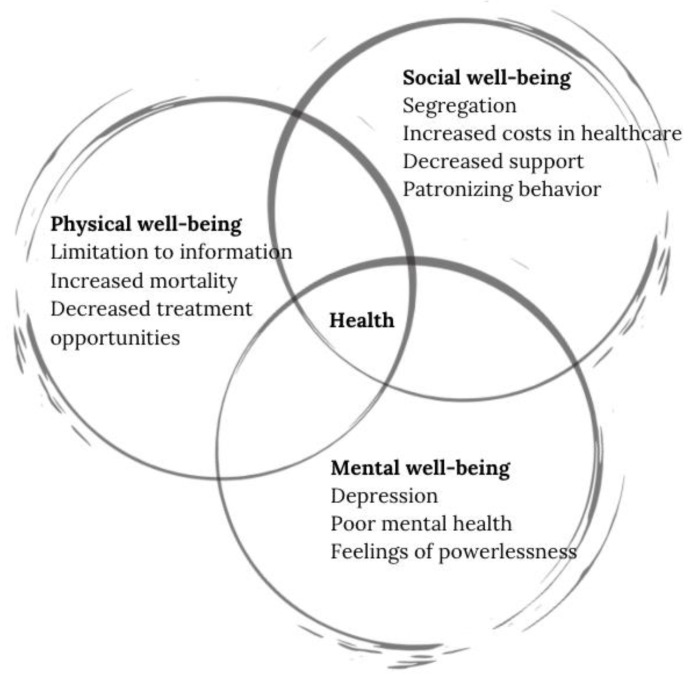
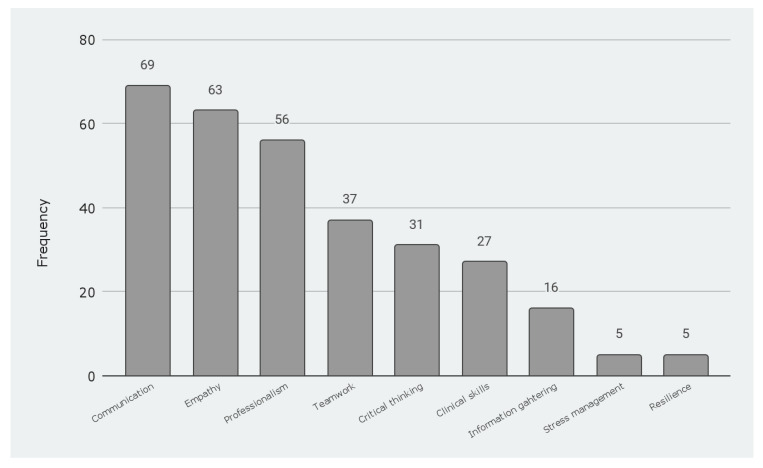
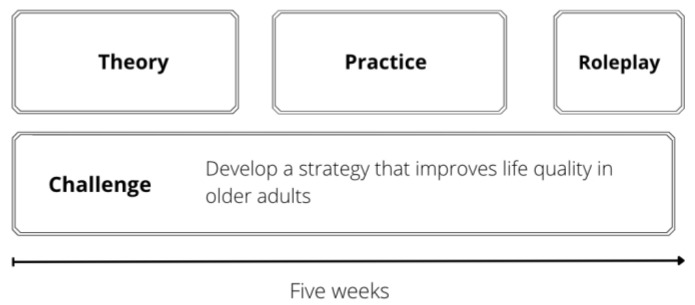
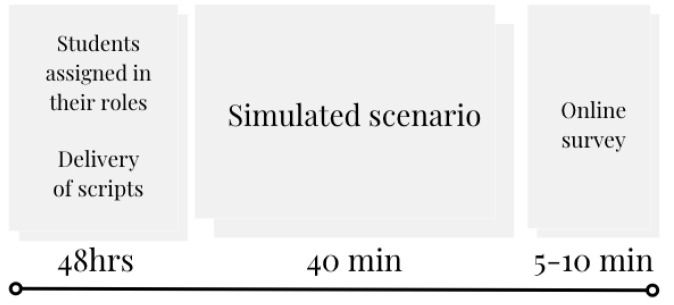
Ageism seeps deep into our society, whether in law, policies, or healthcare practices it segregates individuals based on their age. The aim of this work was to evaluate the impact of an educational strategy in ageist attitudes against older adults in healthcare undergraduate students. A five-week intervention: Healthy environments and self-care for the older adults was implemented. To assess the impact of this strategy in ageist attitudes in participants, a simulated consultation with an older adult was conducted. Participants' perspectives on the experience were collected using an online survey. One hundred and thirty-eight undergraduate students from health programs were included. They highlighted growth in the understanding of the normal aging process and the prejudices that surround aging. During the role-play activity, participants identified communication, empathy, and professionalism as the abilities developed with this strategy and the need to show empathy and avoid prejudice against older adults in their clinical interactions. Educational interventions are a great tool to promote cultural changes, diminish prejudices and misconceptions of ageism in future healthcare professionals.
年龄歧视深深渗透到我们的社会中,无论是在法律、政策还是医疗实践中,它都基于年龄对个体进行区分。这项工作的目的是评估一项教育策略对本科医学生针对老年人的年龄歧视态度的影响。实施了为期五周的干预措施:老年人的健康环境与自我护理。为了评估该策略对参与者年龄歧视态度的影响,开展了一次与老年人的模拟咨询。通过在线调查收集了参与者对该经历的看法。纳入了138名来自健康专业项目的本科生。他们强调了对正常衰老过程以及围绕衰老的偏见的理解有所增长。在角色扮演活动中,参与者将沟通、同理心和专业素养确定为通过该策略培养的能力,以及在临床互动中表现出同理心并避免对老年人产生偏见的必要性。教育干预是促进文化变革、减少未来医疗专业人员对年龄歧视的偏见和误解的有力工具。