Veldman Alex, Richter Eva, Hacker Christian, Fischer Doris
Department of Pediatrics, Helios HSK, 65199 Wiesbaden, Germany.
Department of Pediatrics, Justus-Liebig University, 35385 Giessen, Germany.
Pharmacy (Basel). 2022 Jan 25;10(1):19. doi: 10.3390/pharmacy10010019.
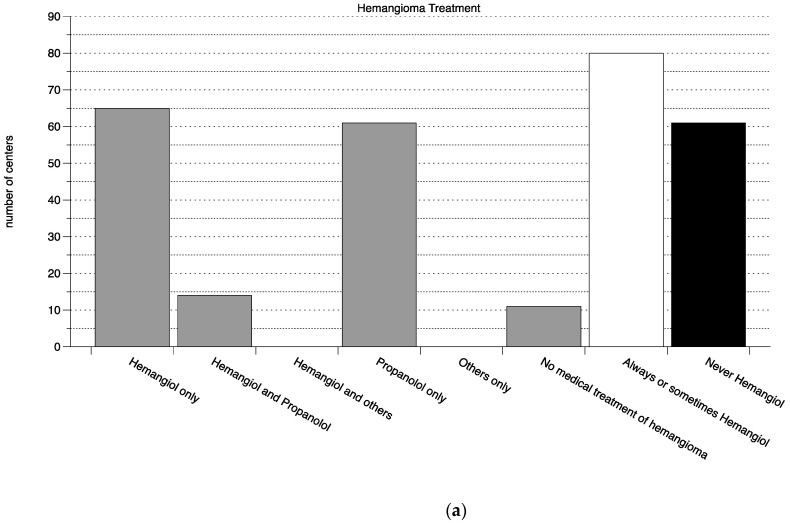
Neonates continue to be treated with off-label or unlicensed drugs while in hospital. However, some medications that have previously been used in adults underwent clinical testing and licensure for use with a different indication in the neonatal and pediatric population. Almost always, the marketing of these newly approved substances in a niche indication is accompanied by a steep increase in the price of the compound. We investigated the use of the approved formulation or the cheaper off-label alternative of Ibuprofen (Pedea), Propanolol (Hemangiol) and Caffeine Citrate (Peyona) in neonatal clinical practice by conducting a National Survey of 214 Perinatal Centers in Germany. We also assessed price differences between on- and off-label alternatives and the extend of the clinical development program of the on-label medication in the neonatal population. On-label medication was more frequently used than the off-label alternative in all indications (PDA: on-label to off-label ratio 1:0.26, Apnea: 1:0.56, Hemangioma 1:0.76). All sponsors did conduct placebo-controlled Phase III trials with efficacy and safety endpoints in the target population and the number of participants in the target population varied between 82 and 497. Costs for the three drugs in their approved and marketed formulations increased in median 405-fold compared with the corresponding off-label alternative. Overall, about one out of three neonatologists prescribed an off-label or non-approved drug to patients despite an alternative medication that is approved for the indication in the target population being available.
新生儿在住院期间仍在接受未按说明书用药或未经许可的药物治疗。然而,一些以前用于成人的药物在新生儿和儿科人群中进行了临床试验并获得了用于不同适应症的许可。几乎无一例外,这些新批准药物在特定适应症上的上市都伴随着该化合物价格的大幅上涨。我们通过对德国214家围产期中心进行全国性调查,研究了布洛芬(佩德亚)、普萘洛尔(海曼吉奥)和枸橼酸咖啡因(佩奥纳)的已批准剂型或更便宜的未按说明书用药替代品在新生儿临床实践中的使用情况。我们还评估了按说明书用药和未按说明书用药替代品之间的价格差异,以及按说明书用药在新生儿人群中的临床开发项目范围。在所有适应症中,按说明书用药的使用频率均高于未按说明书用药的替代品(动脉导管未闭:按说明书用药与未按说明书用药的比例为1:0.26,呼吸暂停:1:0.56,血管瘤:1:0.76)。所有申办者均在目标人群中进行了有疗效和安全性终点的安慰剂对照III期试验,目标人群中的参与者数量在82至497人之间。这三种药物的已批准和上市剂型的成本中位数与相应的未按说明书用药替代品相比增加了405倍。总体而言,约三分之一的新生儿科医生会给患者开未按说明书用药或未获批准的药物,尽管有可用于目标人群该适应症的已批准替代药物。