Deptartment of Chemistry, Sapienza University of Rome, Piazzale Aldo Moro, 5, 00185 Rome, Italy.
Cells. 2022 Feb 14;11(4):668. doi: 10.3390/cells11040668.
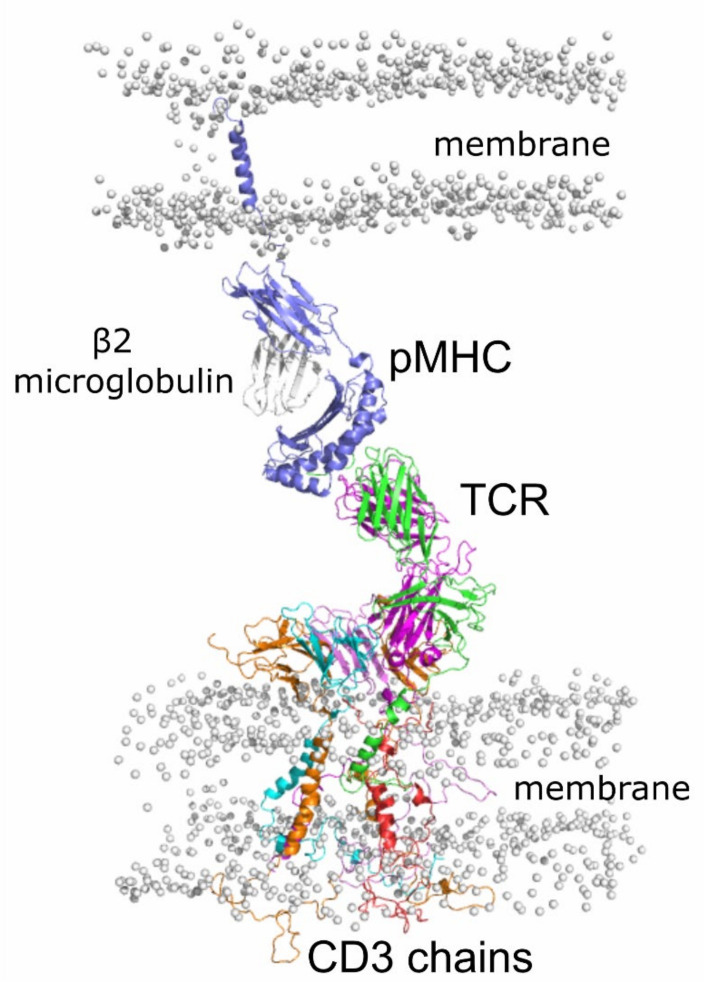
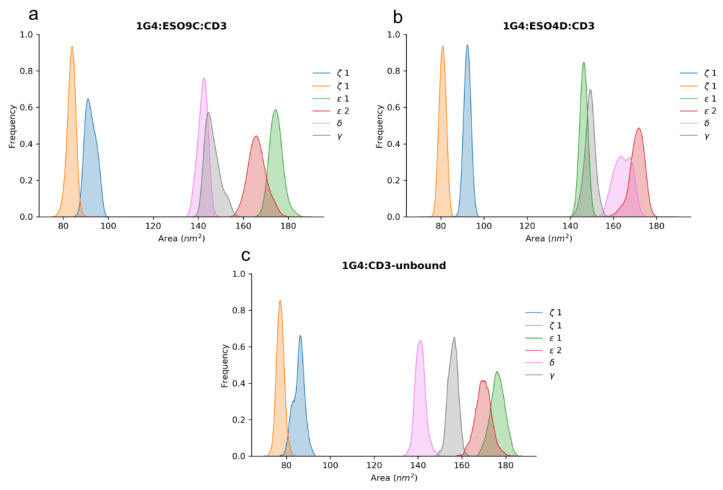
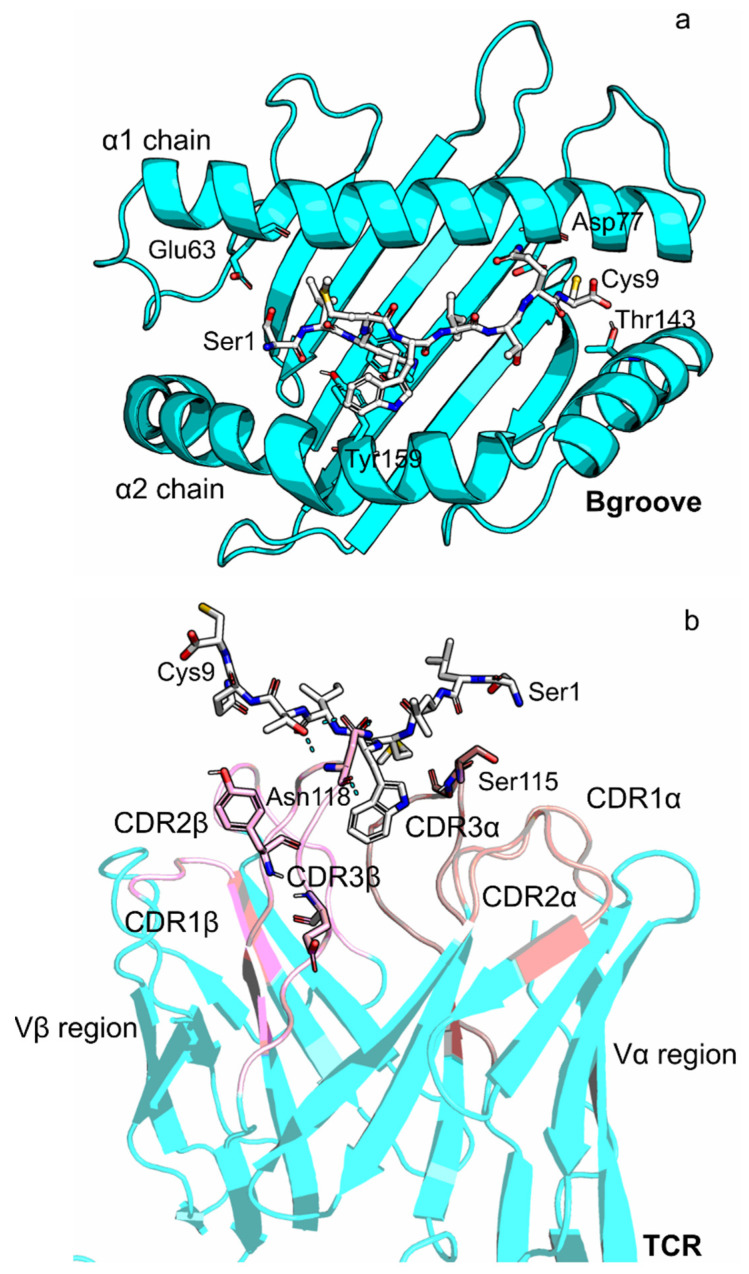
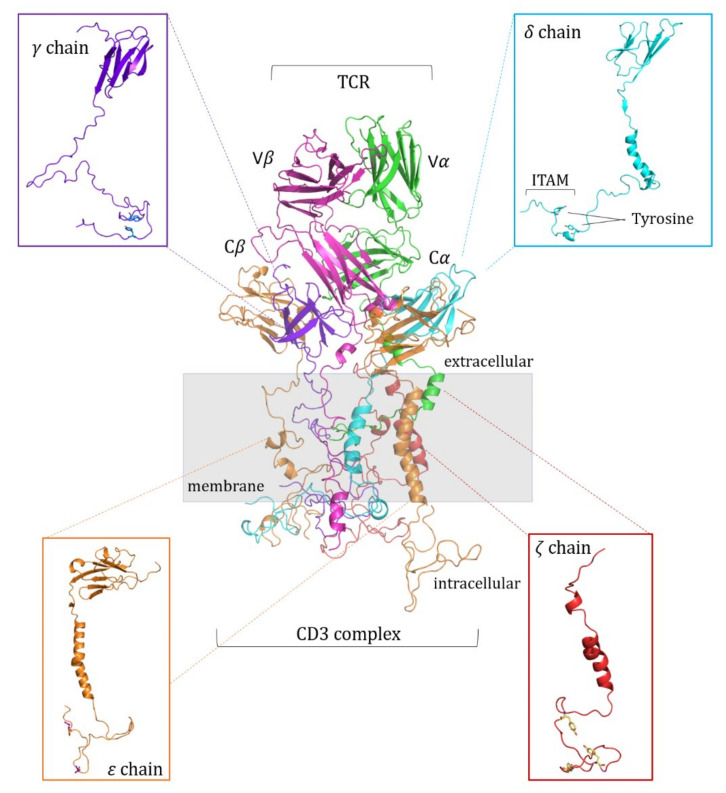
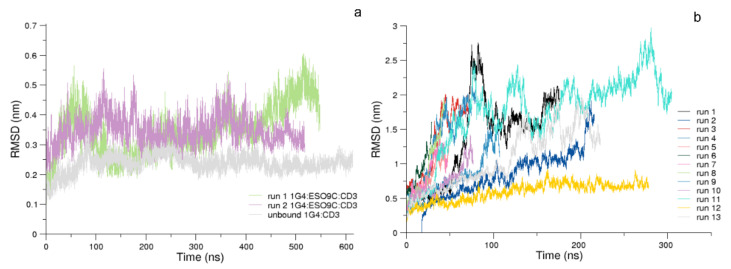
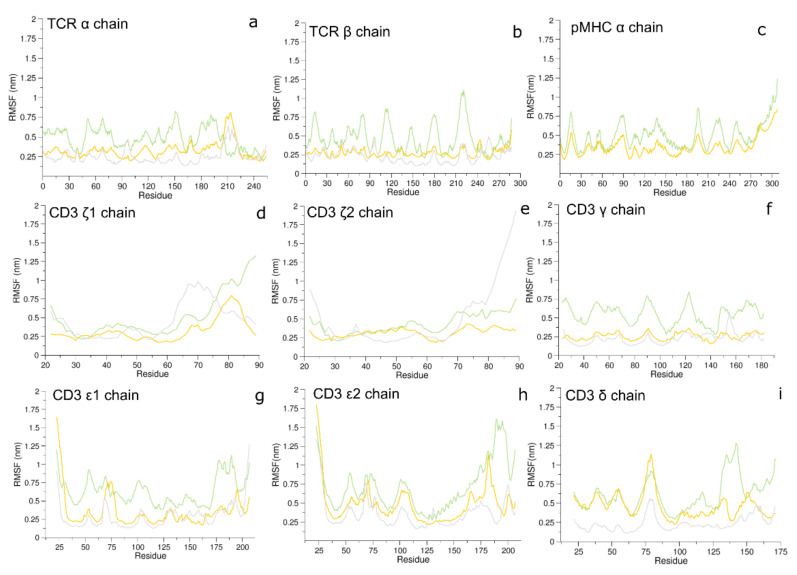
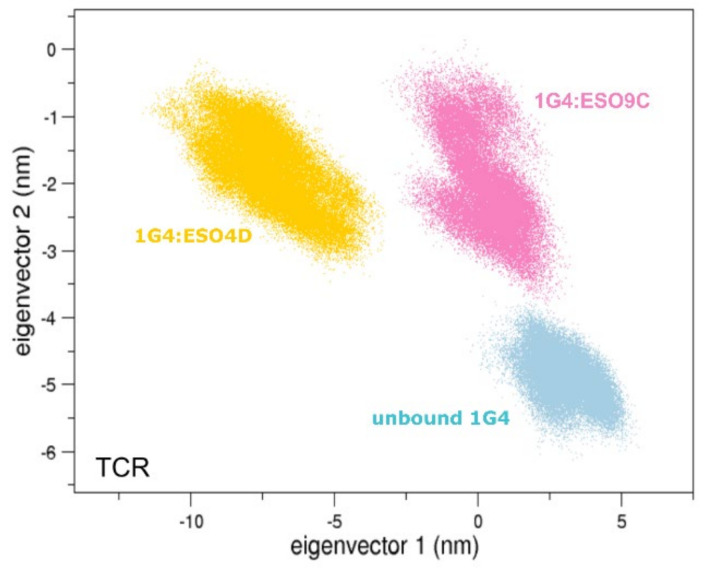
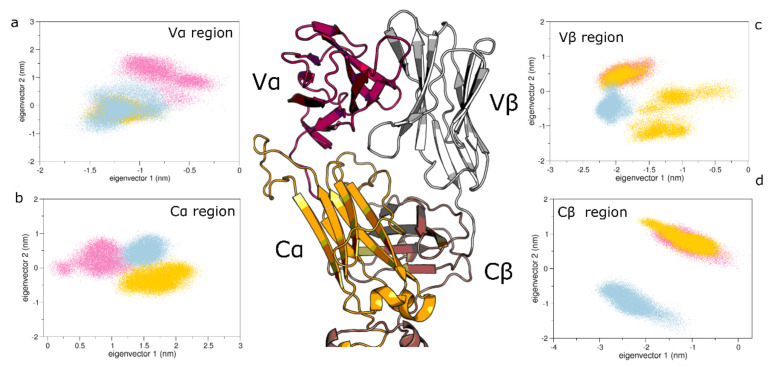
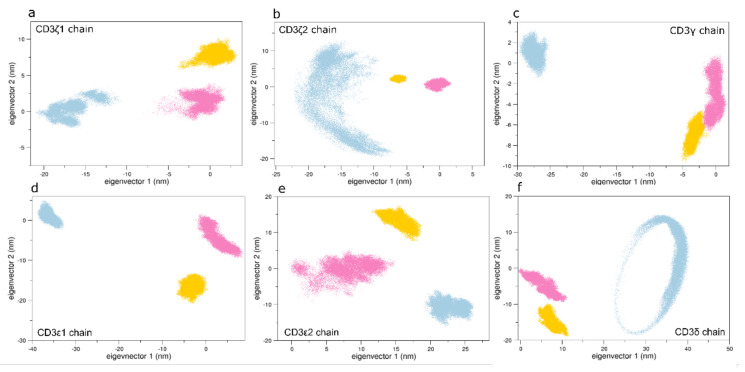
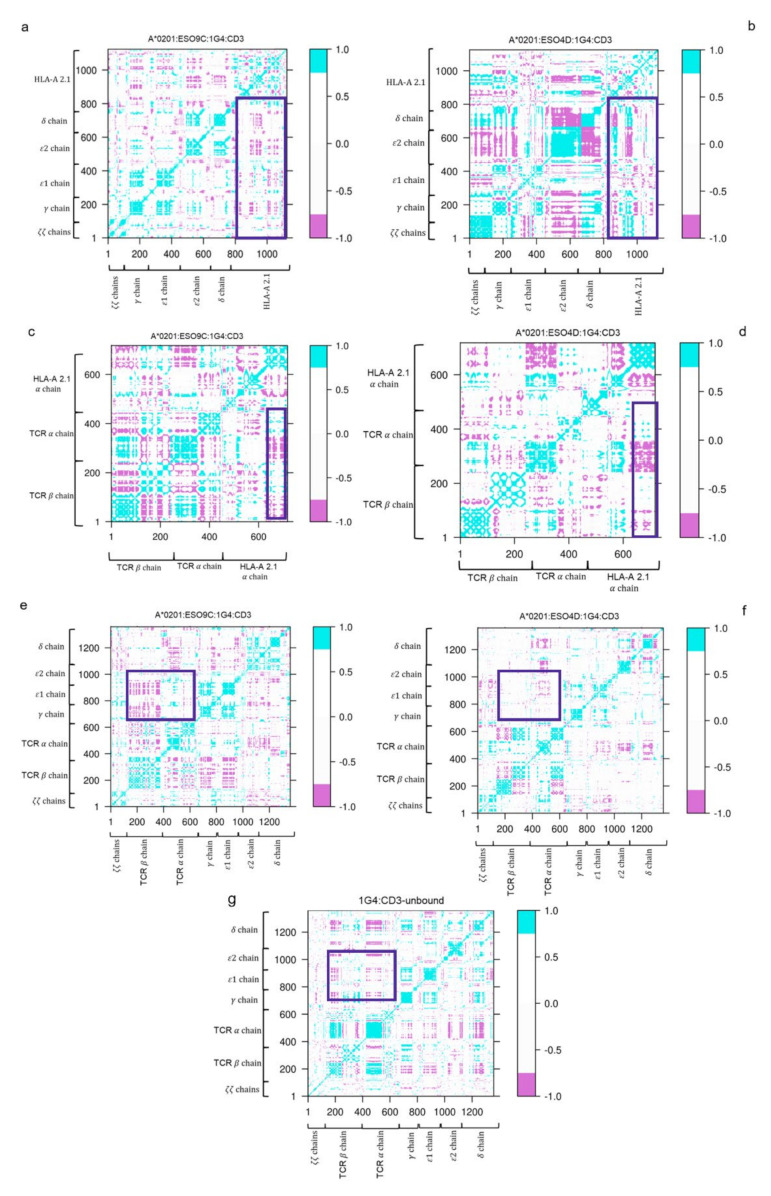
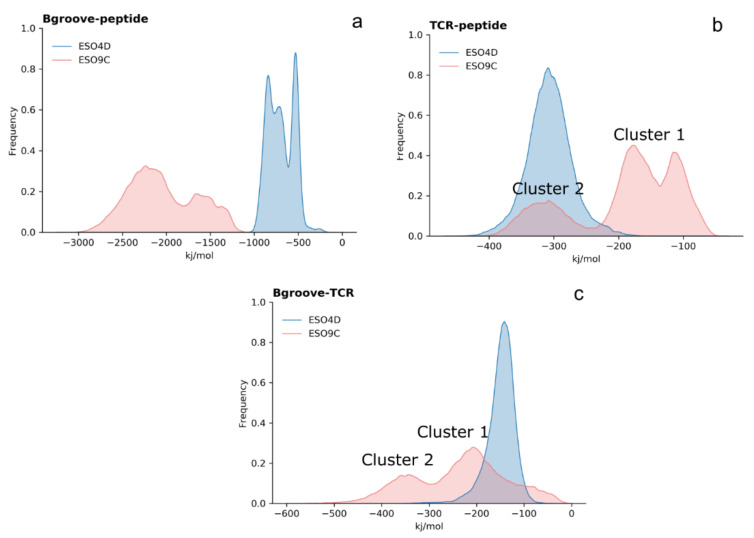
The machinery involved in cytotoxic T-cell activation requires three main characters: the major histocompatibility complex class I (MHC I) bound to the peptide (p), the T-cell receptor (TCR), and the CD3 complex, a multidimer interfaced with the intracellular side. The pMHC:TCR interaction has been largely studied by means of both experimental and computational models, giving a contribution in understanding the complexity of the TCR triggering. Nevertheless, a detailed study of the structural and dynamical characterization of the full complex (pMHC:TCR:CD3 complex) is still missing due to a lack of structural information of the CD3-chains arrangement around the TCR. Very recently, the determination of the TCR:CD3 complex structure by means of Cryo-EM technique has given a chance to build the entire system essential in the activation of T-cells, a fundamental mechanism in the adaptive immune response. Here, we present the first complete model of the pMHC interacting with the TCR:CD3 complex, built in a lipid environment. To describe the conformational behavior associated with the unbound and the bound states, all-atom Molecular Dynamics simulations were performed for the TCR:CD3 complex and for two pMHC:TCR:CD3 complex systems, bound to two different peptides. Our data point out that a conformational change affecting the TCR Constant (C) region occurs after the binding to the pMHC, revealing a key role of this region in the propagation of the signal. Moreover, we found that TCR reduces the flexibility of the MHC I binding groove, confirming our previous results.
细胞毒性 T 细胞激活所涉及的机制需要三个主要角色:主要组织相容性复合体 I 类 (MHC I) 与肽 (p) 结合、T 细胞受体 (TCR) 和 CD3 复合物,这是一种与细胞内侧面接口的多聚体。pMHC:TCR 相互作用已经通过实验和计算模型进行了广泛研究,这有助于理解 TCR 触发的复杂性。然而,由于缺乏 CD3 链在 TCR 周围排列的结构信息,对完整复合物 (pMHC:TCR:CD3 复合物) 的结构和动力学特征的详细研究仍然缺失。最近,通过冷冻电子显微镜 (Cryo-EM) 技术确定 TCR:CD3 复合物的结构,为构建整个系统提供了机会,该系统对于 T 细胞的激活至关重要,这是适应性免疫反应的基本机制。在这里,我们提出了第一个在脂质环境中与 TCR:CD3 复合物相互作用的 pMHC 的完整模型。为了描述与未结合和结合状态相关的构象行为,对 TCR:CD3 复合物和两个结合到两个不同肽的 pMHC:TCR:CD3 复合物系统进行了全原子分子动力学模拟。我们的数据表明,与 pMHC 结合后 TCR 常数 (C) 区发生构象变化,这揭示了该区域在信号传递中的关键作用。此外,我们发现 TCR 降低了 MHC I 结合槽的灵活性,这证实了我们之前的结果。