Omolaoye Temidayo S, Omolaoye Victor A, Kandasamy Richard K, Hachim Mahmood Yaseen, Du Plessis Stefan S
Department of Basic Sciences, College of Medicine, Mohammed Bin Rashid University of Medicine and Health Sciences, Dubai 505055, United Arab Emirates.
Department of Artificial Intelligence and Intelligent Systems, Faculty of Digital Engineering, University of Potsdam, 14469 Potsdam, Germany.
Life (Basel). 2022 Feb 14;12(2):280. doi: 10.3390/life12020280.
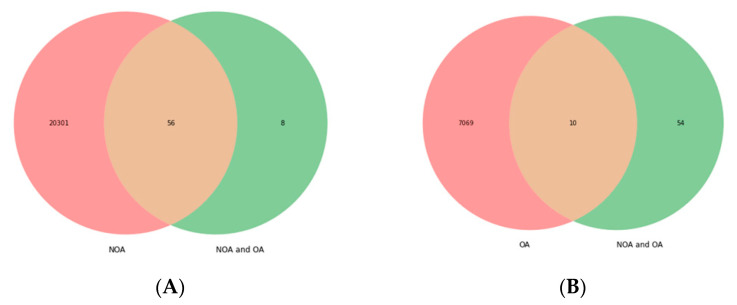
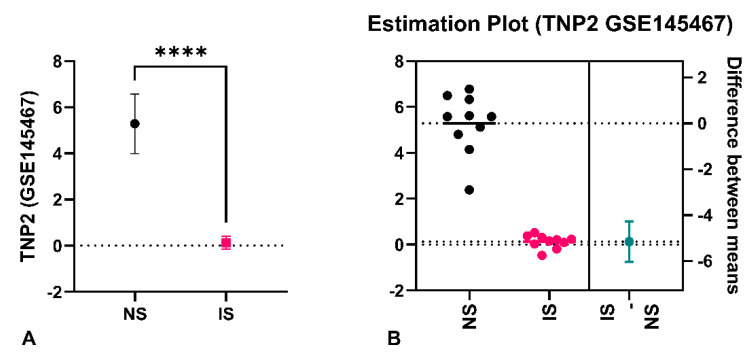
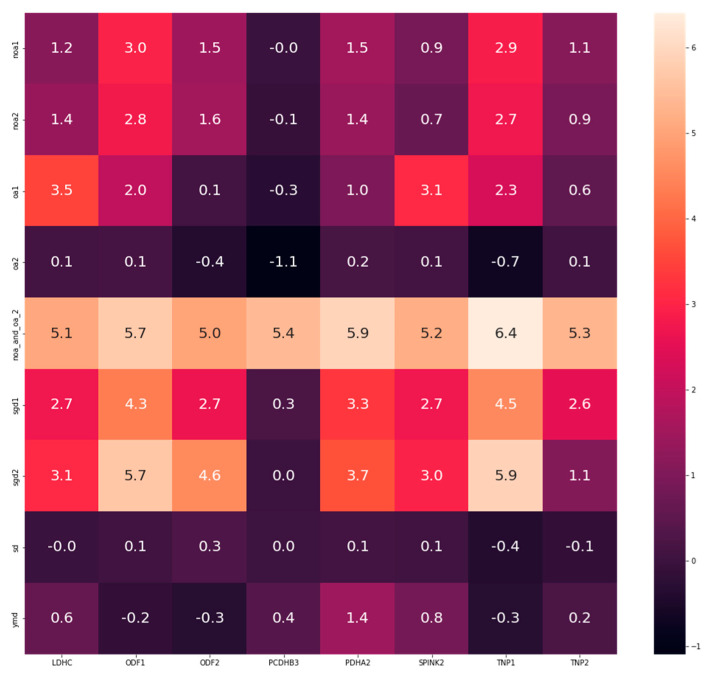
Male infertility is a multifaceted disorder affecting approximately 50% of male partners in infertile couples. Over the years, male infertility has been diagnosed mainly through semen analysis, hormone evaluations, medical records and physical examinations, which of course are fundamental, but yet inefficient, because 30% of male infertility cases remain idiopathic. This dilemmatic status of the unknown needs to be addressed with more sophisticated and result-driven technologies and/or techniques. Genetic alterations have been linked with male infertility, thereby unveiling the practicality of investigating this disorder from the "omics" perspective. Omics aims at analyzing the structure and functions of a whole constituent of a given biological function at different levels, including the molecular gene level (genomics), transcript level (transcriptomics), protein level (proteomics) and metabolites level (metabolomics). In the current study, an overview of the four branches of omics and their roles in male infertility are briefly discussed; the potential usefulness of assessing transcriptomic data to understand this pathology is also elucidated. After assessing the publicly obtainable transcriptomic data for datasets on male infertility, a total of 1385 datasets were retrieved, of which 10 datasets met the inclusion criteria and were used for further analysis. These datasets were classified into groups according to the disease or cause of male infertility. The groups include non-obstructive azoospermia (NOA), obstructive azoospermia (OA), non-obstructive and obstructive azoospermia (NOA and OA), spermatogenic dysfunction, sperm dysfunction, and Y chromosome microdeletion. Findings revealed that 8 genes () were commonly differentially expressed between all disease groups. Likewise, 56 genes were common between NOA versus NOA and OA (). These genes, particularly the above-mentioned 8 genes, are involved in diverse biological processes such as germ cell development, spermatid development, spermatid differentiation, regulation of proteolysis, spermatogenesis and metabolic processes. Owing to the stage-specific expression of these genes, any mal-expression can ultimately lead to male infertility. Therefore, currently available data on all branches of omics relating to male fertility can be used to identify biomarkers for diagnosing male infertility, which can potentially help in unravelling some idiopathic cases.
男性不育是一种多方面的病症,影响着约50%不育夫妇中的男性伴侣。多年来,男性不育主要通过精液分析、激素评估、病历和体格检查来诊断,这些当然是基础,但效率不高,因为30%的男性不育病例仍为特发性。这种未知的困境需要用更先进、更有针对性的技术和/或方法来解决。基因改变与男性不育有关,从而揭示了从“组学”角度研究这种病症的可行性。组学旨在从不同层面分析给定生物学功能的整个组成部分的结构和功能,包括分子基因层面(基因组学)、转录层面(转录组学)、蛋白质层面(蛋白质组学)和代谢物层面(代谢组学)。在本研究中,简要讨论了组学的四个分支及其在男性不育中的作用;还阐明了评估转录组数据以了解这种病理状况的潜在用途。在评估了可公开获取的男性不育数据集的转录组数据后,共检索到1385个数据集,其中10个数据集符合纳入标准并用于进一步分析。这些数据集根据男性不育的疾病或病因进行分组。这些组包括非梗阻性无精子症(NOA)、梗阻性无精子症(OA)、非梗阻性和梗阻性无精子症(NOA和OA)、生精功能障碍、精子功能障碍以及Y染色体微缺失。研究结果显示,所有疾病组之间共有8个基因差异表达。同样,NOA与NOA和OA之间共有56个基因()。这些基因,特别是上述8个基因,参与多种生物学过程,如生殖细胞发育、精子细胞发育、精子细胞分化、蛋白水解调节、精子发生和代谢过程。由于这些基因的阶段特异性表达,任何异常表达最终都可能导致男性不育。因此,目前所有与男性生育相关的组学分支的数据都可用于识别诊断男性不育的生物标志物,这可能有助于揭示一些特发性病例。