Foundation "Ospedale Alba-Bra Onlus", 12060 Verduno, Italy.
Department of Emergency Medicine, Anesthesia and Critical Care Medicine, Michele and Pietro Ferrero Hospital, 12060 Verduno, Italy.
Medicina (Kaunas). 2022 Jan 18;58(2):144. doi: 10.3390/medicina58020144.
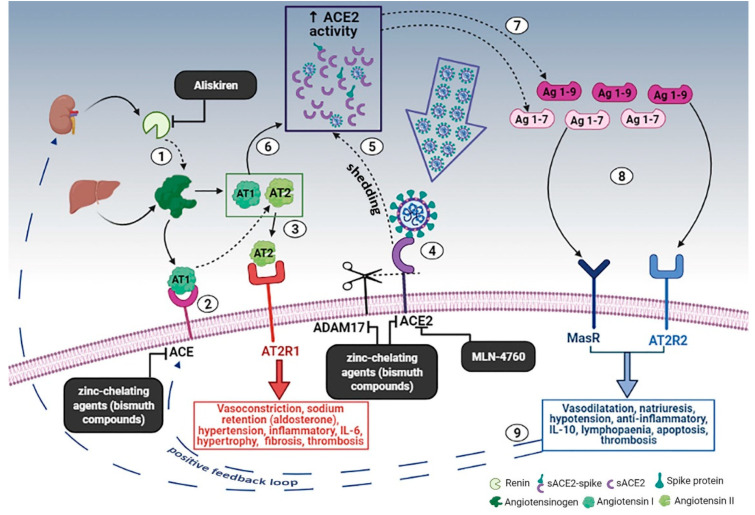
A cytokine storm is a hyperinflammatory state secondary to the excessive production of cytokines by a deregulated immune system. It manifests clinically as an influenza-like syndrome, which can be complicated by multi-organ failure and coagulopathy, leading, in the most severe cases, even to death. The term cytokine storm was first used in 1993 to describe the graft-versus-host disease following allogeneic hematopoietic stem cell transplantation. It was then reused to define the adverse syndromes secondary to the administration of immunostimulating agents, such as anti-CD28 antibodies or bioengineered immune cells, i.e., CAR T-cell therapy. Currently, the concept of cytokine storm has been better elucidated and extended to the pathogenesis of many other conditions, such as sepsis, autoinflammatory disease, primary and secondary hemophagocytic lymphohistiocytosis, and multicentric Castleman disease. Moreover, cytokine storm has recently emerged as a key aspect in the novel Coronavirus disease 2019, as affected patients show high levels of several key pro-inflammatory cytokines, such as IL-1, IL-2, IL-6, TNF-α, IFN-γ, IP-10, GM-CSF, MCP-1, and IL-10, some of which also correlate with disease severity. Therefore, since the onset of the pandemic, numerous agents have been tested in the effort to mitigate the cytokine storm in COVID-19 patients, some of which are effective in reducing mortality, especially in critically ill patients, and are now becoming standards of care, such as glucocorticoids or some cytokine inhibitors. However, the challenge is still far from being met, and other therapeutic strategies are being tested in the hope that we can eventually overcome the disease.
细胞因子风暴是一种过度产生细胞因子的超炎症状态,是由免疫系统失调引起的。临床上表现为流感样综合征,可并发多器官衰竭和凝血功能障碍,在最严重的情况下,甚至导致死亡。细胞因子风暴一词于 1993 年首次用于描述异基因造血干细胞移植后发生的移植物抗宿主病。后来,它被重新用于定义免疫刺激剂(如抗 CD28 抗体或生物工程免疫细胞,即 CAR T 细胞疗法)给药后出现的不良反应综合征。目前,细胞因子风暴的概念已经得到了更好的阐明,并扩展到许多其他疾病的发病机制,如败血症、自身炎症性疾病、原发性和继发性噬血细胞性淋巴组织细胞增多症和多中心 Castleman 病。此外,细胞因子风暴最近成为 2019 年新型冠状病毒病的一个关键方面,因为受影响的患者表现出几种关键促炎细胞因子(如 IL-1、IL-2、IL-6、TNF-α、IFN-γ、IP-10、GM-CSF、MCP-1 和 IL-10)的高水平,其中一些细胞因子与疾病严重程度相关。因此,自大流行开始以来,已经有许多药物在努力减轻 COVID-19 患者的细胞因子风暴,其中一些药物在降低死亡率方面有效,特别是在重症患者中,现在已成为标准治疗方法,如糖皮质激素或一些细胞因子抑制剂。然而,挑战仍远未得到满足,正在测试其他治疗策略,希望我们最终能够战胜这种疾病。