Laboratorio de Virología Molecular, Instituto Milenio de Inmunología e Inmunoterapia, Departamento de Enfermedades Infecciosas e Inmunología Pediátrica, Centro de Investigaciones Médicas, Escuela de Medicina, Pontificia Universidad Católica de Chile, Marcoleta 391, Santiago 8330034, Chile.
Viruses. 2022 Jan 19;14(2):188. doi: 10.3390/v14020188.
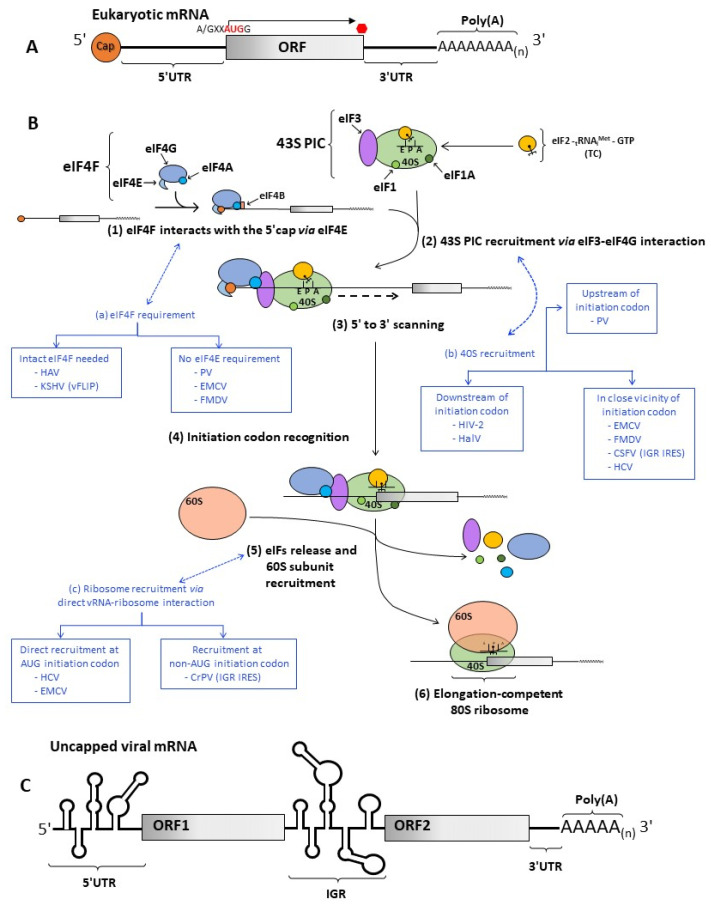
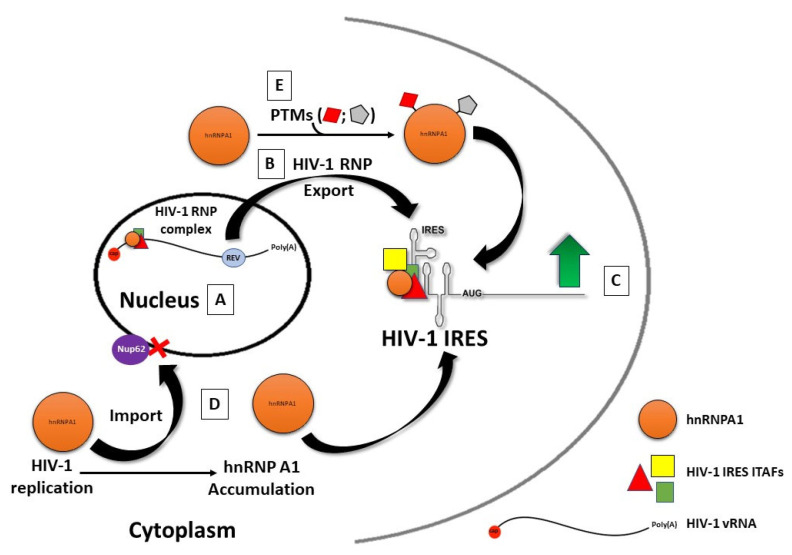
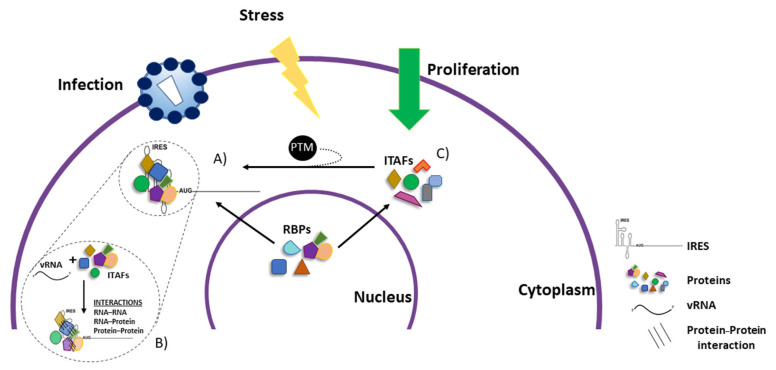
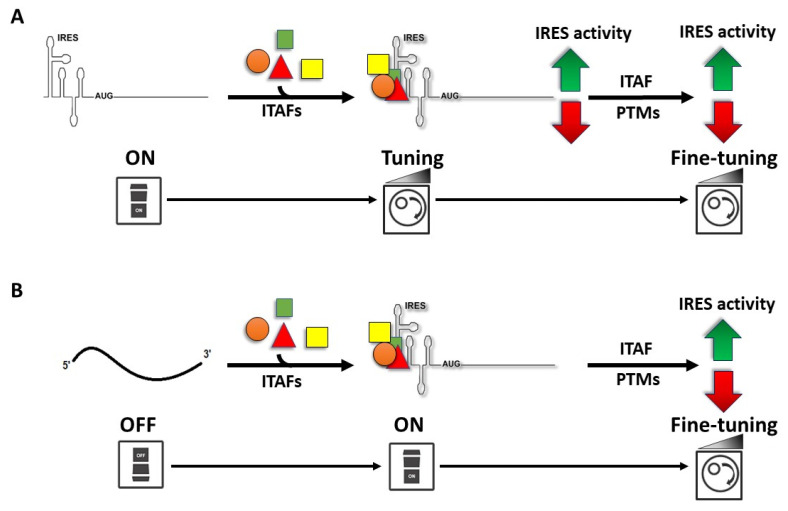
Viruses are obligate intracellular parasites that depend on the host's protein synthesis machinery for translating their mRNAs. The viral mRNA (vRNA) competes with the host mRNA to recruit the translational machinery, including ribosomes, tRNAs, and the limited eukaryotic translation initiation factor (eIFs) pool. Many viruses utilize non-canonical strategies such as targeting host eIFs and RNA elements known as internal ribosome entry sites (IRESs) to reprogram cellular gene expression, ensuring preferential translation of vRNAs. In this review, we discuss vRNA IRES-mediated translation initiation, highlighting the role of RNA-binding proteins (RBPs), other than the canonical translation initiation factors, in regulating their activity.
病毒是专性细胞内寄生虫,依赖宿主的蛋白质合成机制来翻译它们的 mRNA。病毒 mRNA(vRNA)与宿主 mRNA 竞争,以招募翻译机制,包括核糖体、tRNA 和有限的真核翻译起始因子(eIFs)池。许多病毒利用非canonical 策略,如靶向宿主 eIFs 和内部核糖体进入位点(IRESs)等 RNA 元件,重新编程细胞基因表达,确保 vRNA 的优先翻译。在这篇综述中,我们讨论了 vRNA IRES 介导的翻译起始,强调了 RNA 结合蛋白(RBPs)在调节其活性方面的作用,而不是经典的翻译起始因子。