UNC Neuroscience Center, the Department of Cell Biology and Physiology, University of North Carolina School of Medicine, Chapel Hill, NC 27599, USA.
UNC Neuroscience Center, the Department of Cell Biology and Physiology, University of North Carolina School of Medicine, Chapel Hill, NC 27599, USA.
Neuron. 2022 Apr 6;110(7):1100-1115. doi: 10.1016/j.neuron.2022.01.034. Epub 2022 Feb 24.
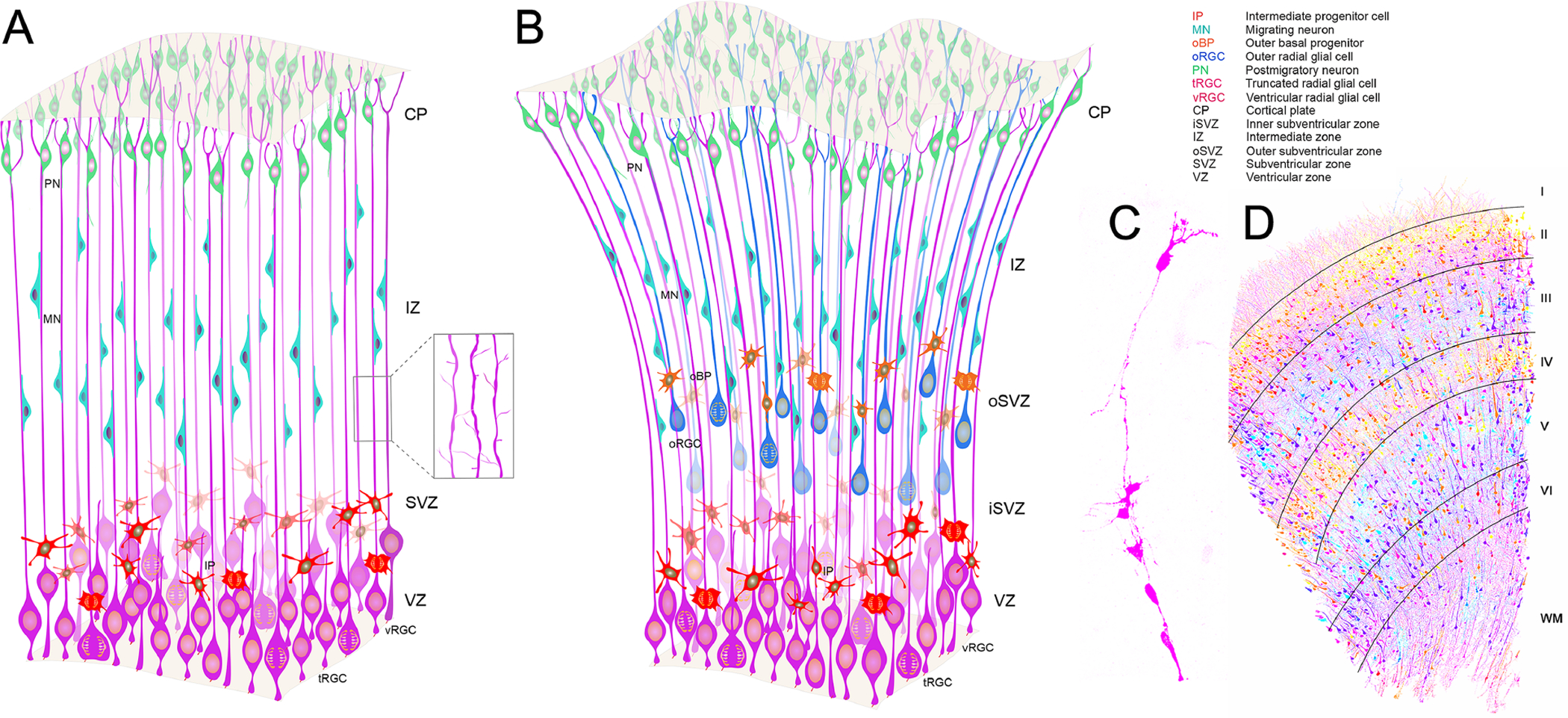
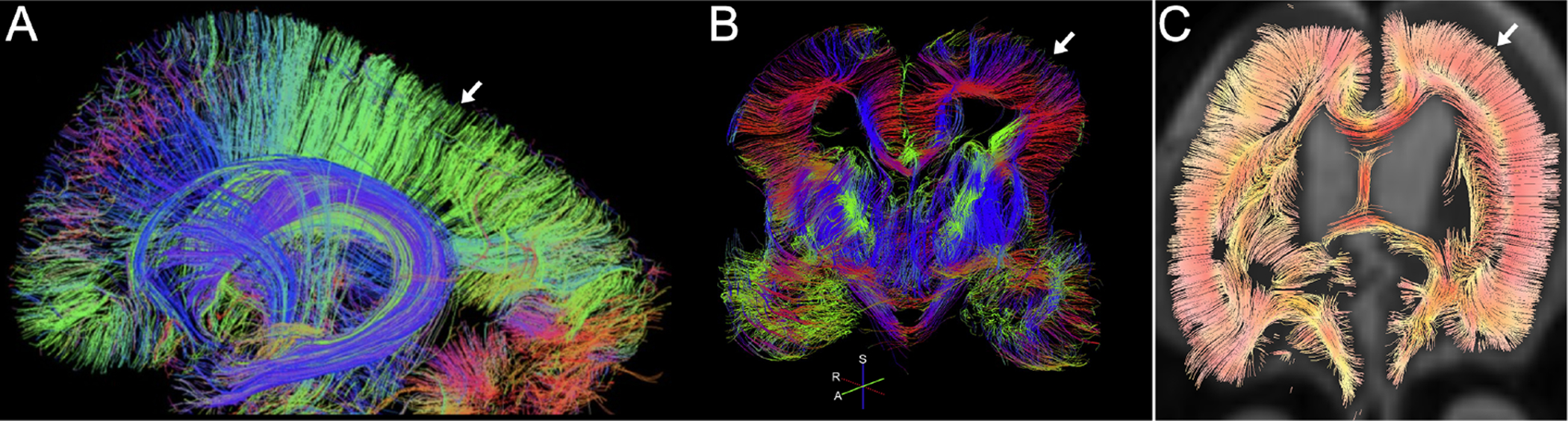
Radial progenitor development and function lay the foundation for the construction of the cerebral cortex. Radial glial scaffold, through its functions as a source of neurogenic progenitors and neuronal migration guide, is thought to provide a template for the formation of the cerebral cortex. Emerging evidence is challenging this limited view. Intriguingly, radial glial scaffold may also play a role in axonal growth, guidance, and neuronal connectivity. Radial glial cells not only facilitate the generation, placement, and allocation of neurons in the cortex but also regulate how they wire up. The organization and function of radial glial cells may thus be a unifying feature of the developing cortex that helps to precisely coordinate the right patterns of neurogenesis, neuronal placement, and connectivity necessary for the emergence of a functional cerebral cortex. This perspective critically explores this emerging view and its impact in the context of human brain development and disorders.
放射状祖细胞的发育和功能为大脑皮层的构建奠定了基础。放射状胶质支架通过作为神经发生祖细胞的来源和神经元迁移的导向的功能,被认为为大脑皮层的形成提供了模板。新出现的证据对这一有限的观点提出了挑战。有趣的是,放射状胶质支架也可能在轴突生长、引导和神经元连接中发挥作用。放射状胶质细胞不仅促进了皮层中神经元的产生、定位和分配,而且还调节了它们的连接方式。因此,放射状胶质细胞的组织和功能可能是发育中的大脑皮层的一个统一特征,有助于精确协调神经发生、神经元定位和连接的正确模式,从而形成一个功能正常的大脑皮层。本观点批判性地探讨了这一新兴观点及其在人类大脑发育和疾病背景下的影响。