Cell. 2022 Mar 3;185(5):916-938.e58. doi: 10.1016/j.cell.2022.01.012. Epub 2022 Jan 21.
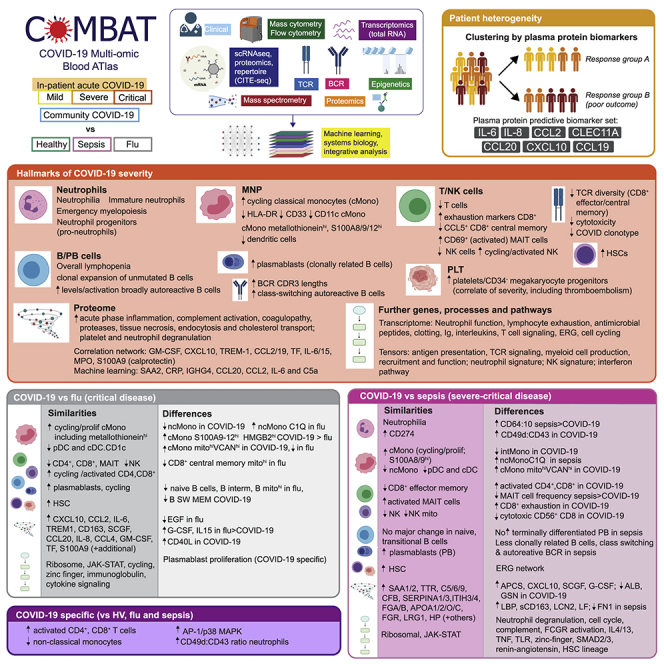
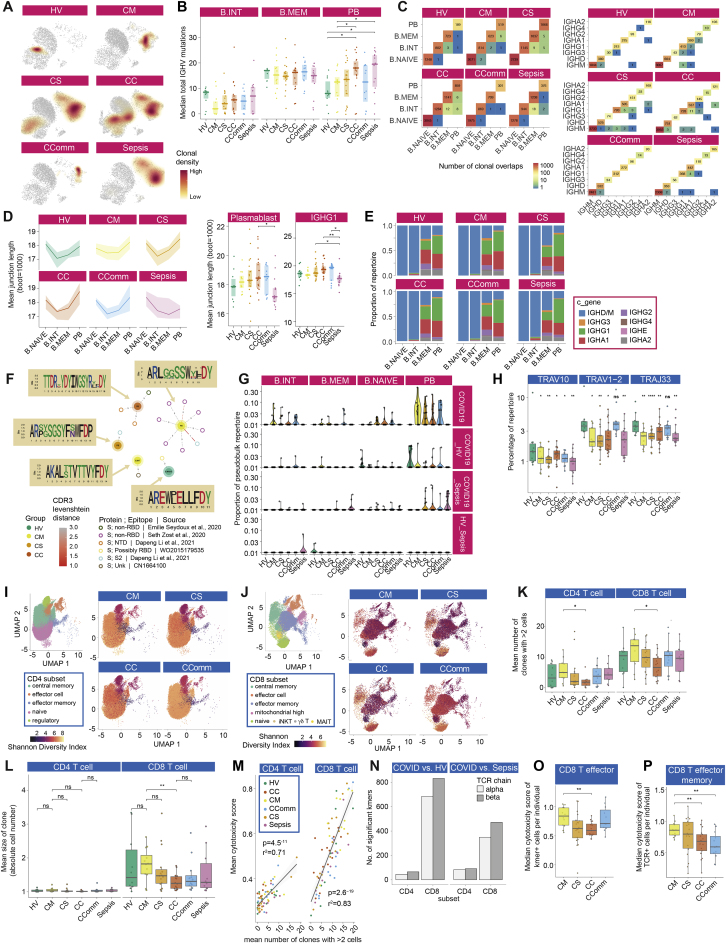
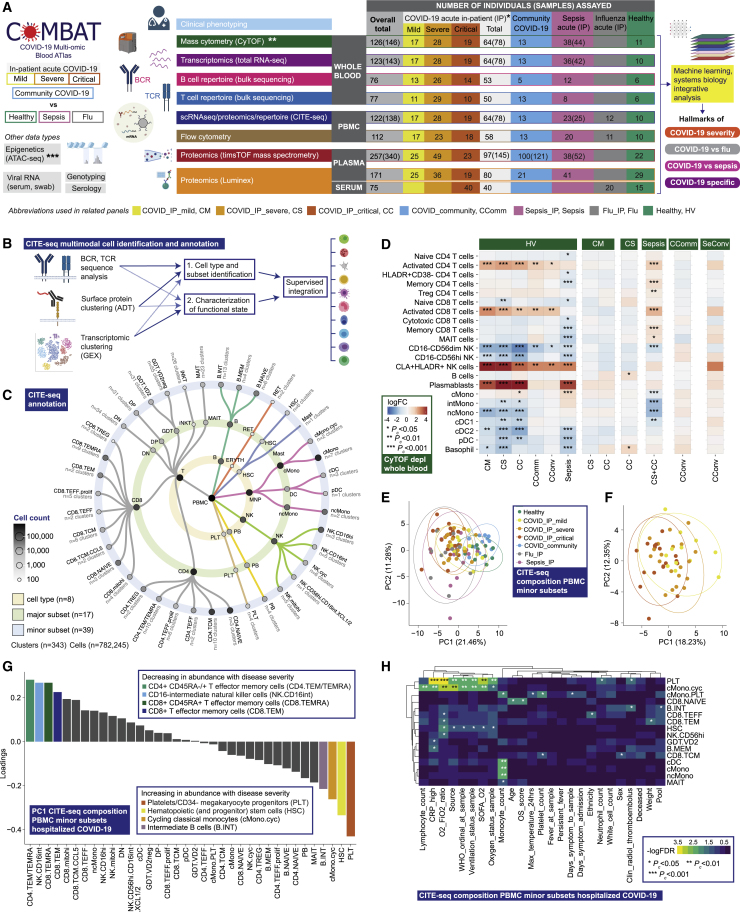
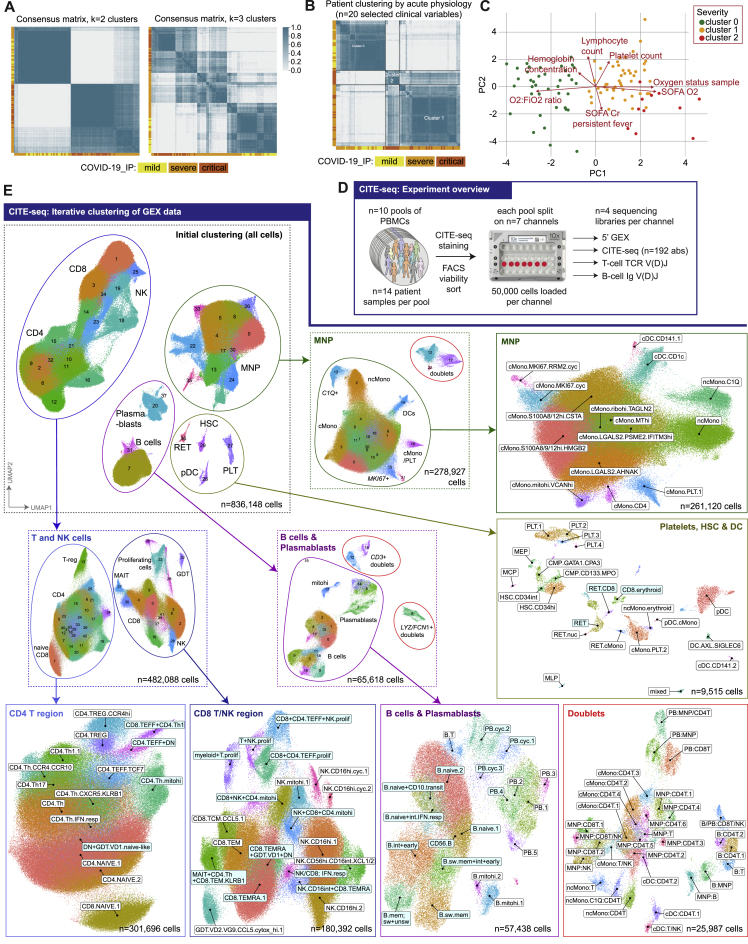
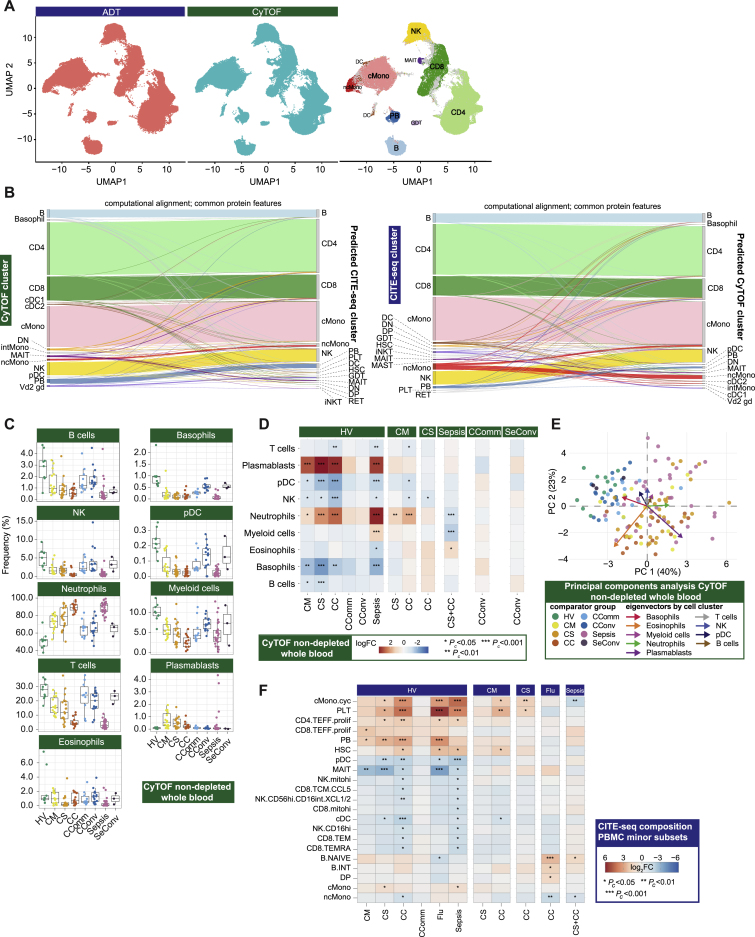
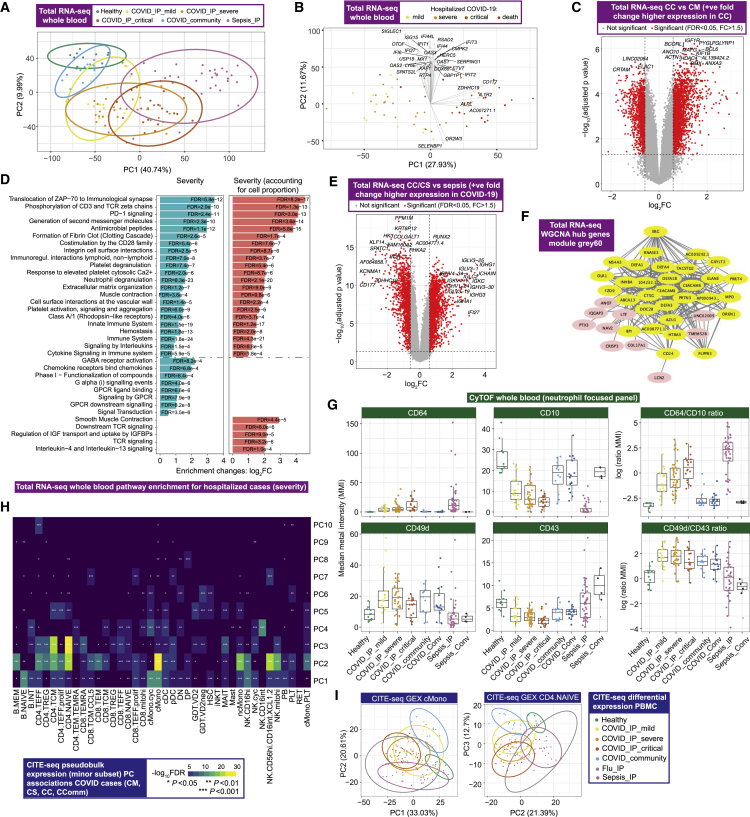
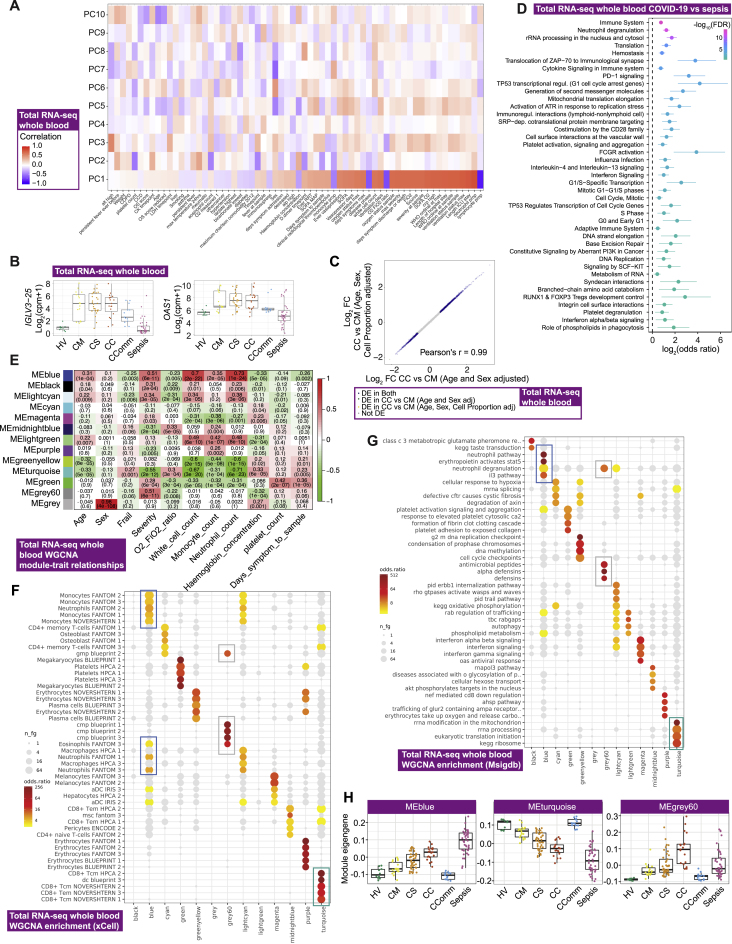
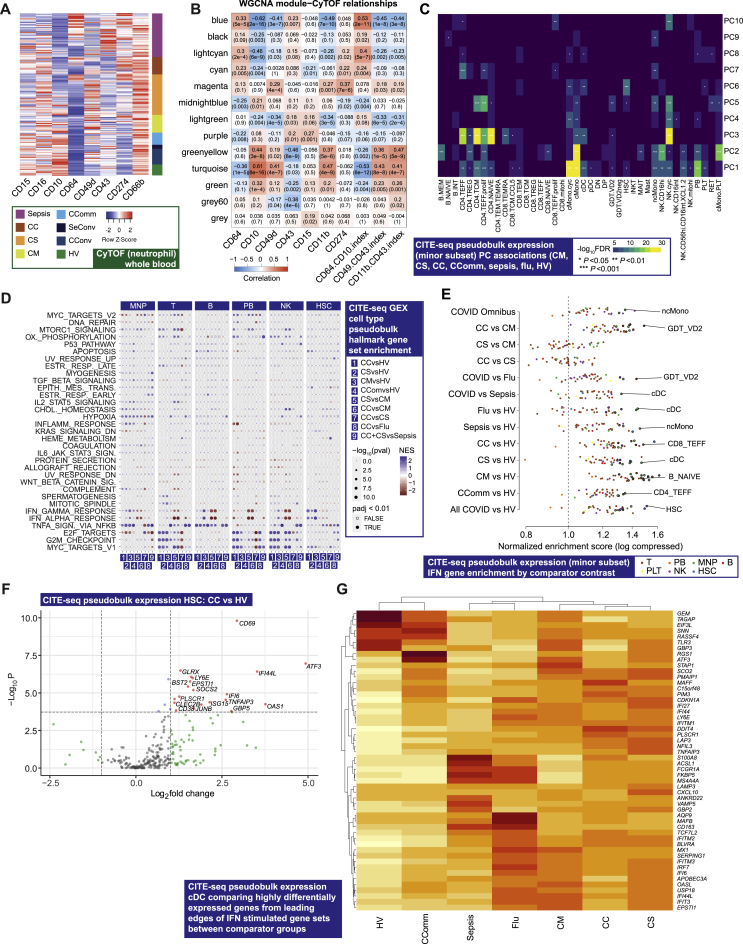
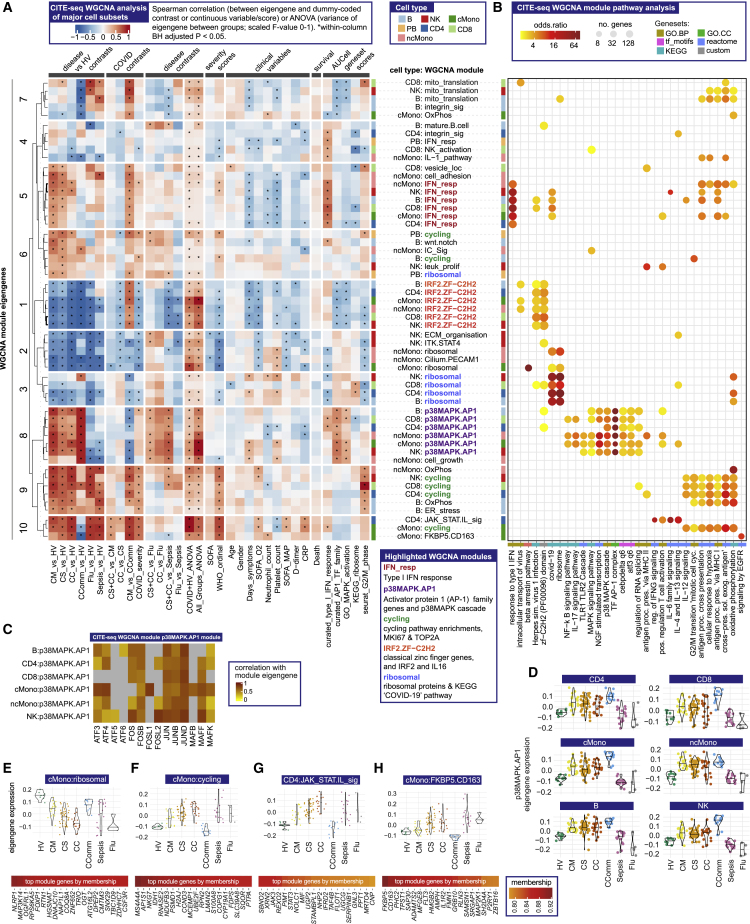
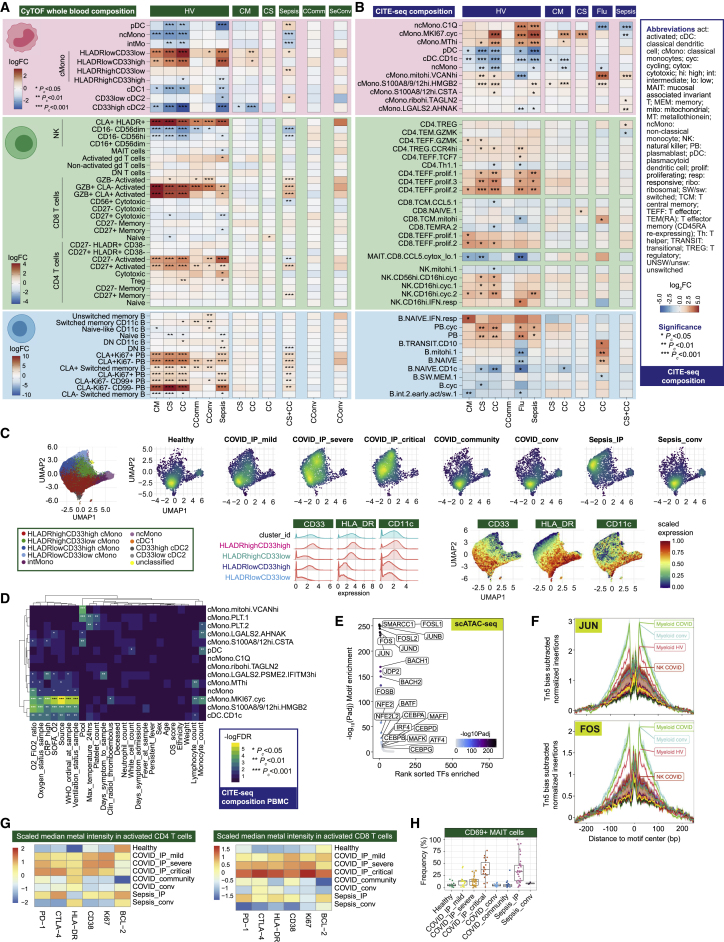
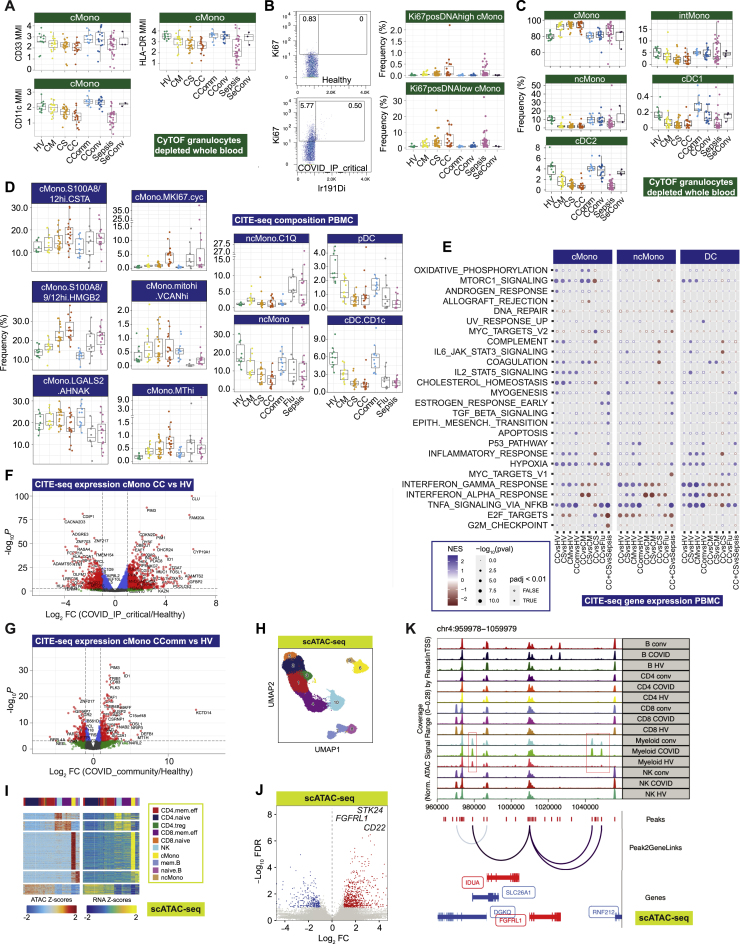
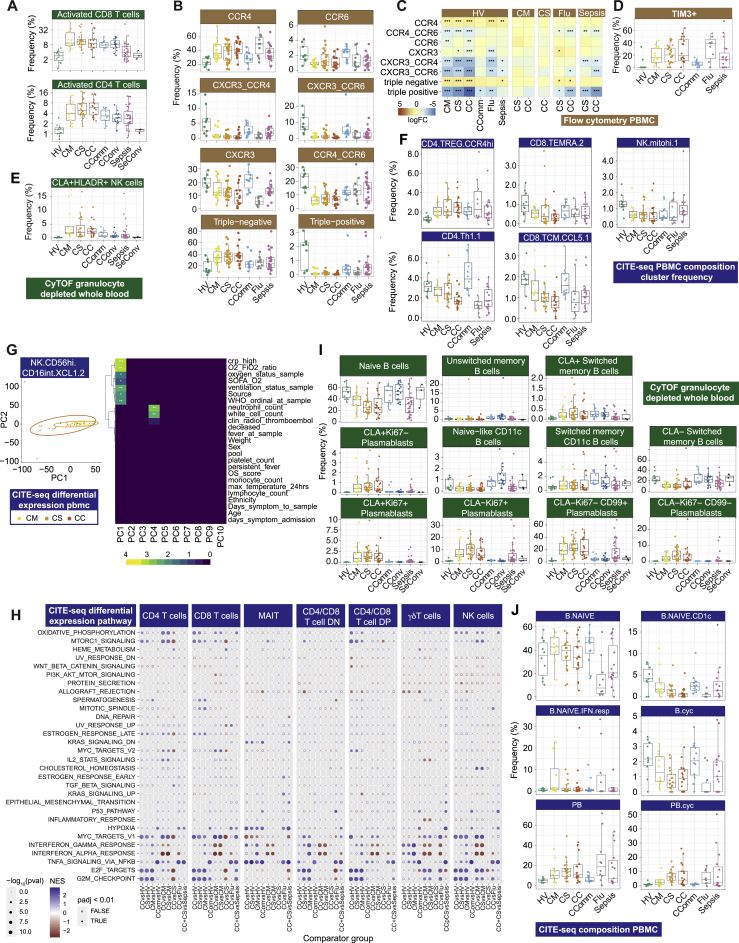
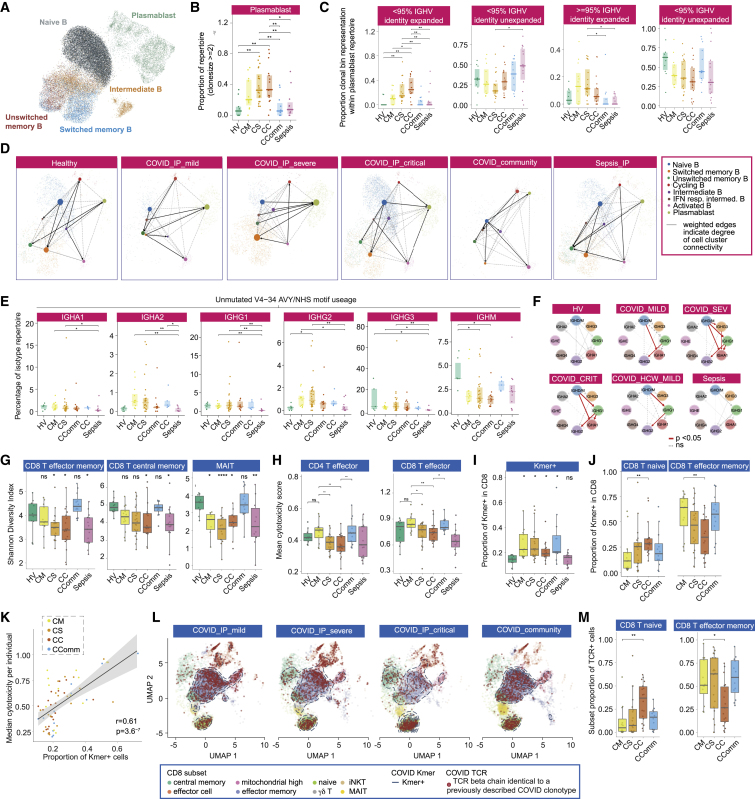
Treatment of severe COVID-19 is currently limited by clinical heterogeneity and incomplete description of specific immune biomarkers. We present here a comprehensive multi-omic blood atlas for patients with varying COVID-19 severity in an integrated comparison with influenza and sepsis patients versus healthy volunteers. We identify immune signatures and correlates of host response. Hallmarks of disease severity involved cells, their inflammatory mediators and networks, including progenitor cells and specific myeloid and lymphocyte subsets, features of the immune repertoire, acute phase response, metabolism, and coagulation. Persisting immune activation involving AP-1/p38MAPK was a specific feature of COVID-19. The plasma proteome enabled sub-phenotyping into patient clusters, predictive of severity and outcome. Systems-based integrative analyses including tensor and matrix decomposition of all modalities revealed feature groupings linked with severity and specificity compared to influenza and sepsis. Our approach and blood atlas will support future drug development, clinical trial design, and personalized medicine approaches for COVID-19.
目前,严重 COVID-19 的治疗受到临床异质性和对特定免疫生物标志物描述不完整的限制。我们在此展示了一个全面的多组学血液图谱,该图谱将不同严重程度的 COVID-19 患者与流感和败血症患者以及健康志愿者进行了综合比较。我们确定了宿主反应的免疫特征和相关性。疾病严重程度的标志涉及细胞、它们的炎症介质和网络,包括祖细胞和特定的髓样和淋巴细胞亚群、免疫库的特征、急性期反应、代谢和凝血。涉及 AP-1/p38MAPK 的持续免疫激活是 COVID-19 的一个特定特征。血浆蛋白质组学使患者亚群能够进行表型分型,可预测严重程度和结局。基于系统的综合分析,包括所有模态的张量和矩阵分解,揭示了与严重程度和特异性相关的特征分组,与流感和败血症相比。我们的方法和血液图谱将支持 COVID-19 的未来药物开发、临床试验设计和个性化医疗方法。