Sievers Benjamin L, Klotzle James, Khan Tipu V
J. Craig Venter Institute, La Jolla, CA, USA.
Pitzer College, 1050 N Mills Ave, Claremont, CA, 91711, USA.
Health Justice. 2022 Feb 26;10(1):10. doi: 10.1186/s40352-022-00173-x.
The role of rapid testing has proven vital in reducing infection incidence in communities through swift identification and isolation of infected individuals. The COVID-19 pandemic has been particularly catastrophic for residential carceral and rehabilitation facilities that are high-risk settings for transmission of contagious diseases. Centralized provider-based viral testing employing conventional diagnostic techniques is labor-intensive and time-consuming. There is a marked unmet need for quick, inexpensive, and simple viral testing strategies. We hypothesized that rehabilitation residents could successfully test themselves employing inexpensive, disposable, antigen-based influenza lateral-flow tests and would be willing to self-isolate and self-report to health authorities if positive.
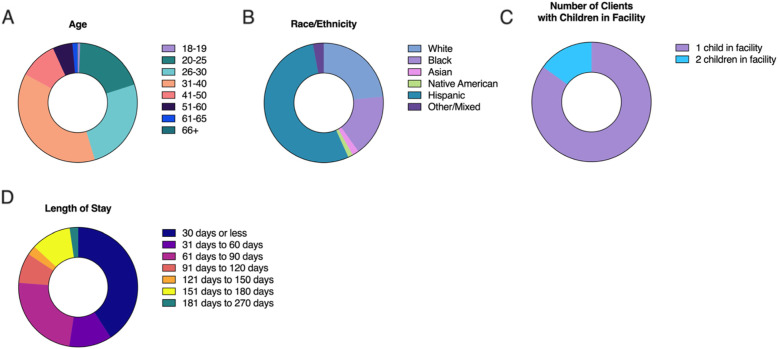
We evaluated self-testing among 50 rehabilitation residents ages 18 and older in Pomona, California, where participants self-administered influenza lateral-flow diagnostic test (without specimen collection) with the goal of appropriately observing a control line and completed two brief written surveys on self-testing and COVID-19, one before self-administering the lateral-flow test and one after, to determine the overall feasibility of viral self-testing and to characterize attitudes comparing self-testing and provider-based testing.
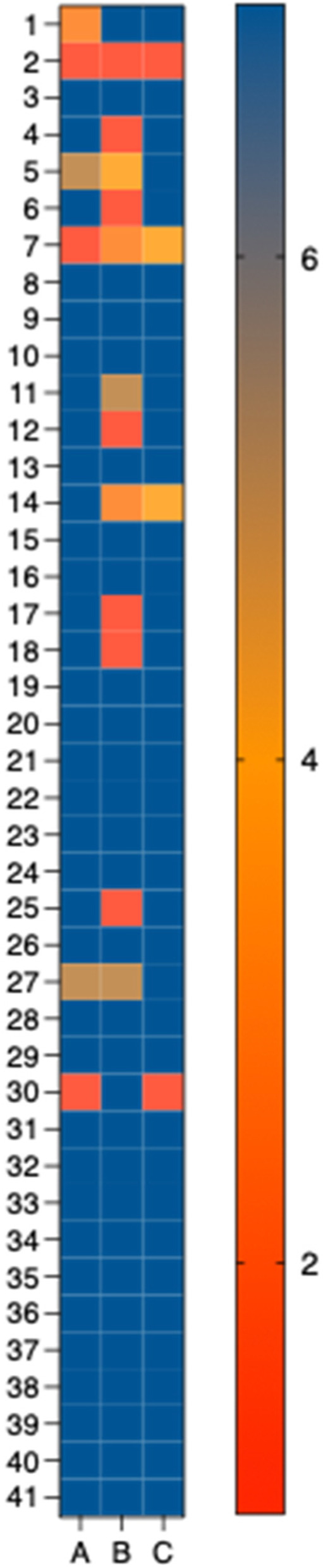
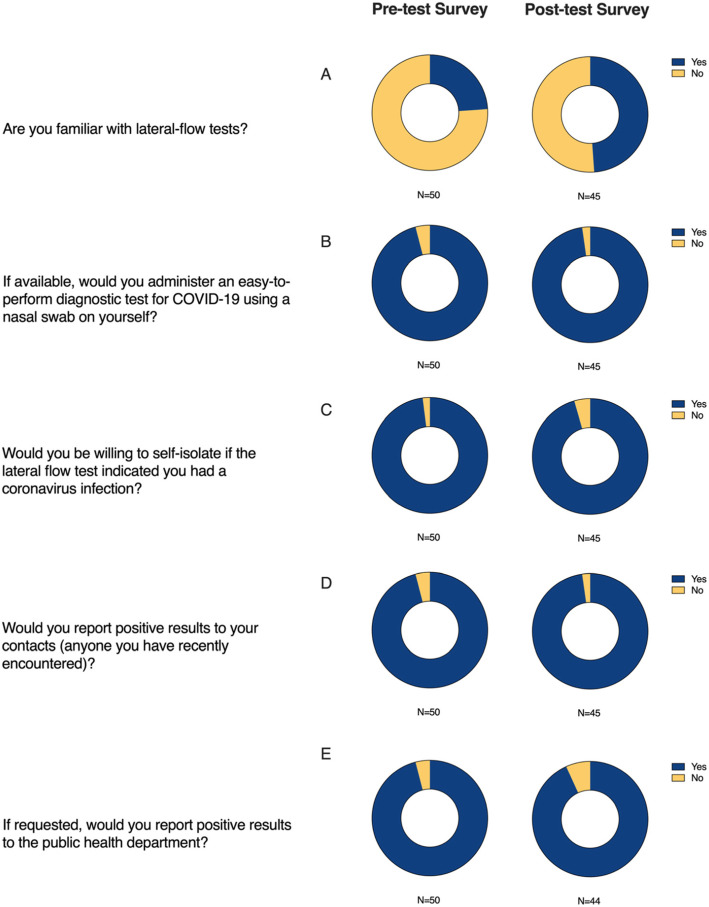
A total of 50 rehabilitation residents were enrolled in this study and all 50 conducted a lateral-flow test and answered the provided surveys. Among the participants, 96% (48 of 50) achieved a positive-control line from their lateral-flow test. Most participants, 83% (34 of 41) indicated that they would prefer to perform their own rapid test instead of having a health care provider administer the test. Notably, 98% (49 of 50) indicated that they would self-isolate if the lateral-flow test returned a positive indicator suggesting the presence of a viral infection and 96% (48 of 50) would report positive results to their corresponding public health department.
Residents in a residential rehabilitation center were widely able to successfully self-administer standard lateral-flow antigen-based rapid diagnostic kits. Self-testing was strongly preferred over tests administered by a healthcare provider. Reassuringly, almost every resident indicated that they would report any positive test result to the health department and self-isolate accordingly. Self-testing offers a promising adjunct to centralized testing, potentially better enabling swift and effective management of life-threatening infectious outbreaks among those living in high-risk congregate living settings.
快速检测已被证明在通过迅速识别和隔离感染者来降低社区感染发生率方面至关重要。新冠疫情对住宅监禁和康复设施来说尤其具有灾难性,这些设施是传染病传播的高风险场所。采用传统诊断技术的基于医疗机构的集中病毒检测既耗费人力又耗时。对于快速、廉价且简单的病毒检测策略存在明显未被满足的需求。我们推测康复居民可以使用廉价的一次性基于抗原的流感侧向流动检测自行检测,并且如果检测结果呈阳性,他们愿意自我隔离并向卫生当局自我报告。
我们在加利福尼亚州波莫纳对50名18岁及以上的康复居民进行了自我检测评估,参与者自行进行流感侧向流动诊断检测(无需采集样本),目的是正确观察对照线,并在自行进行侧向流动检测之前和之后完成两份关于自我检测和新冠病毒的简短书面调查,以确定病毒自我检测的总体可行性,并描述对自我检测和基于医疗机构检测的态度。
本研究共纳入50名康复居民,所有50人都进行了侧向流动检测并回答了提供的调查。在参与者中,96%(50人中的48人)的侧向流动检测获得了阳性对照线。大多数参与者,83%(41人中的34人)表示他们更愿意自行进行快速检测,而不是让医护人员进行检测。值得注意的是,98%(50人中的49人)表示如果侧向流动检测结果呈阳性表明存在病毒感染,他们会自我隔离,96%(50人中的48人)会向相应的公共卫生部门报告阳性结果。
住宅康复中心的居民广泛能够成功自行进行标准的基于侧向流动抗原的快速诊断试剂盒检测。与医护人员进行的检测相比,自我检测更受青睐。令人放心的是,几乎每位居民都表示他们会向卫生部门报告任何阳性检测结果并相应地自我隔离。自我检测为集中检测提供了一个有前景的辅助手段,有可能更好地实现对生活在高风险群居环境中的人群中危及生命的传染病爆发的迅速有效管理。