Department of Biotechnology, School of Life Science and Biotechnology, Adamas University, Kolkata, India.
Institute for Skeletal Aging and Orthopedic Surgery, Hallym University-Chuncheon Sacred Heart Hospital, Chuncheon-si, South Korea.
Front Immunol. 2022 Feb 9;13:801522. doi: 10.3389/fimmu.2022.801522. eCollection 2022.
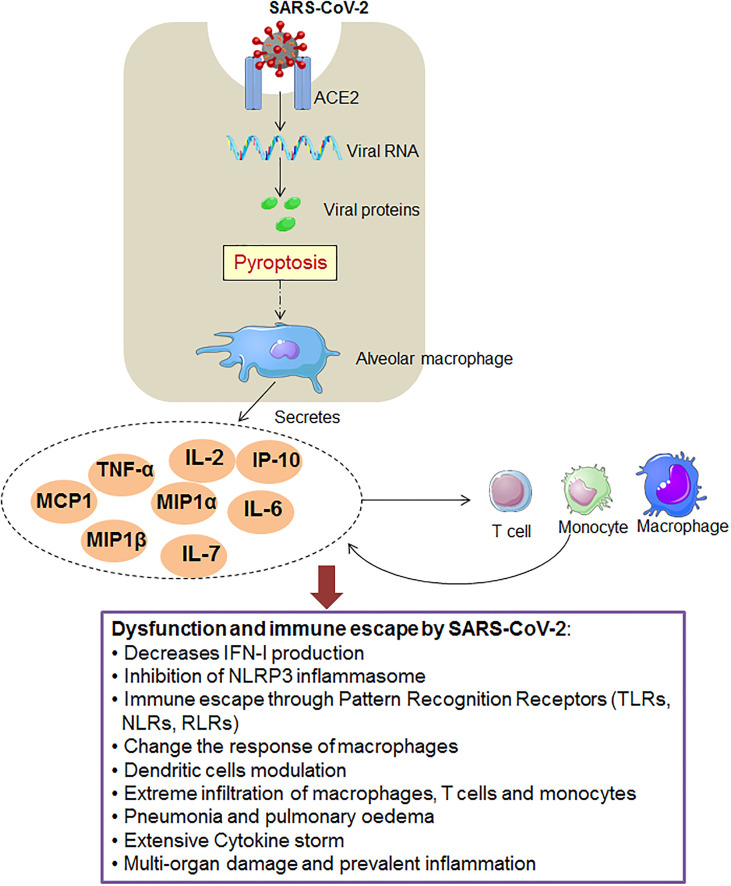
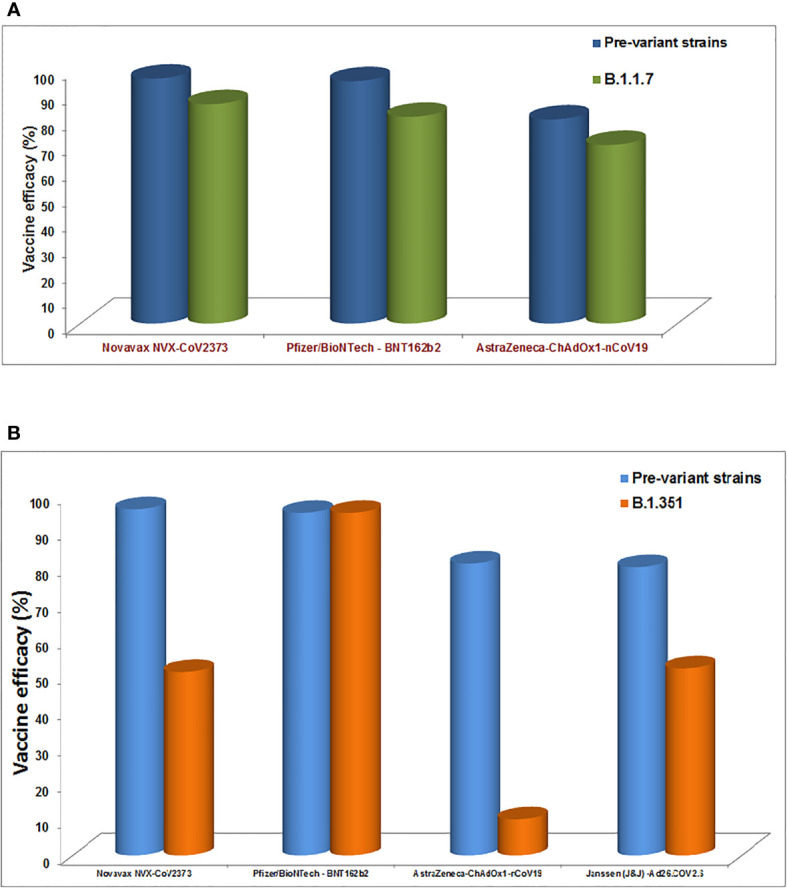
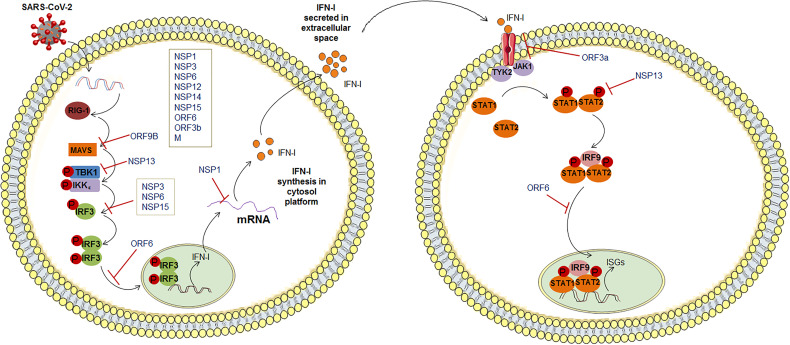
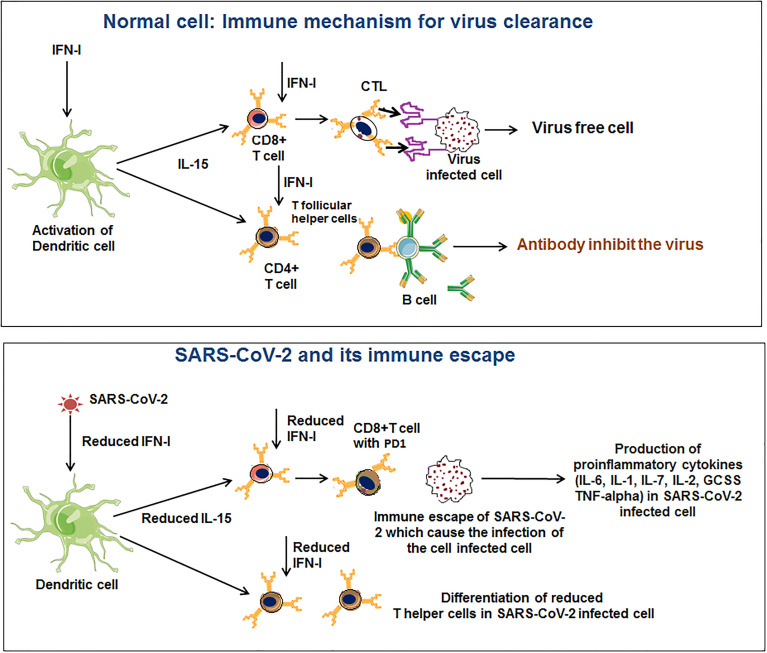
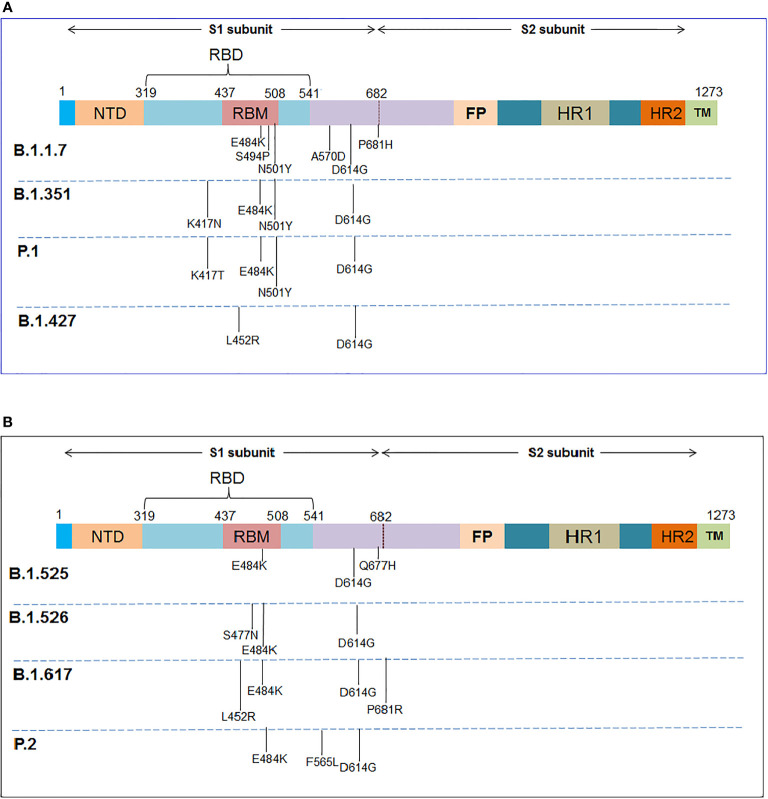
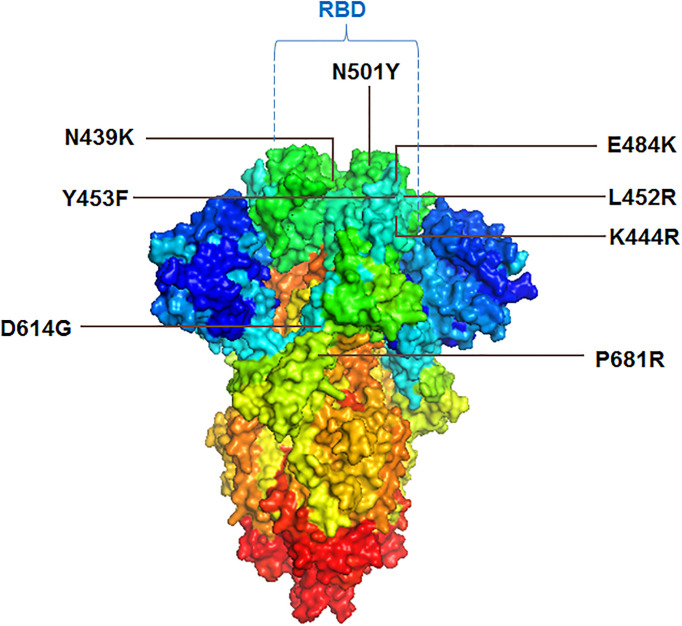
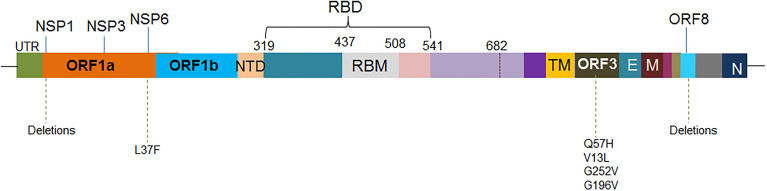
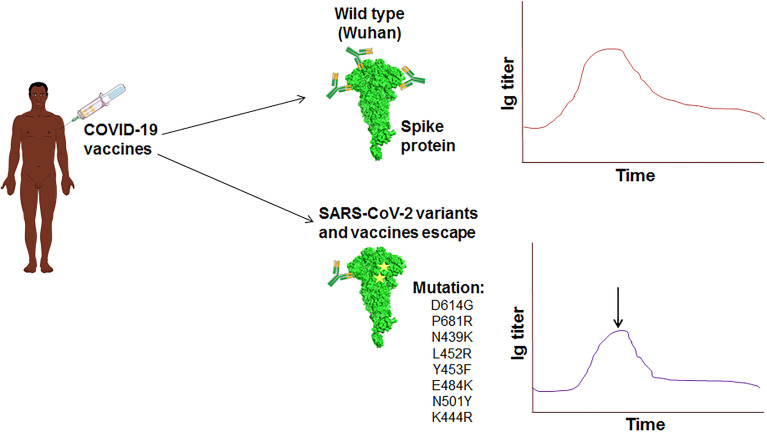
The infective SARS-CoV-2 is more prone to immune escape. Presently, the significant variants of SARS-CoV-2 are emerging in due course of time with substantial mutations, having the immune escape property. Simultaneously, the vaccination drive against this virus is in progress worldwide. However, vaccine evasion has been noted by some of the newly emerging variants. Our review provides an overview of the emerging variants' immune escape and vaccine escape ability. We have illustrated a broad view related to viral evolution, variants, and immune escape ability. Subsequently, different immune escape approaches of SARS-CoV-2 have been discussed. Different innate immune escape strategies adopted by the SARS-CoV-2 has been discussed like, IFN-I production dysregulation, cytokines related immune escape, immune escape associated with dendritic cell function and macrophages, natural killer cells and neutrophils related immune escape, PRRs associated immune evasion, and NLRP3 inflammasome associated immune evasion. Simultaneously we have discussed the significant mutations related to emerging variants and immune escape, such as mutations in the RBD region (N439K, L452R, E484K, N501Y, K444R) and other parts (D614G, P681R) of the S-glycoprotein. Mutations in other locations such as NSP1, NSP3, NSP6, ORF3, and ORF8 have also been discussed. Finally, we have illustrated the emerging variants' partial vaccine (BioNTech/Pfizer mRNA/Oxford-AstraZeneca/BBIBP-CorV/ZF2001/Moderna mRNA/Johnson & Johnson vaccine) escape ability. This review will help gain in-depth knowledge related to immune escape, antibody escape, and partial vaccine escape ability of the virus and assist in controlling the current pandemic and prepare for the next.
传染性 SARS-CoV-2 更容易发生免疫逃逸。目前,随着大量突变,SARS-CoV-2 的重要变异株不断出现,并具有免疫逃逸特性。与此同时,全球范围内正在进行针对该病毒的疫苗接种工作。然而,一些新出现的变异株已经出现了对疫苗的逃避。我们的综述提供了对新兴变异株免疫逃逸和疫苗逃逸能力的概述。我们展示了与病毒进化、变异株和免疫逃逸能力相关的广泛观点。随后,讨论了 SARS-CoV-2 的不同免疫逃逸方法。讨论了 SARS-CoV-2 采用的不同先天免疫逃逸策略,如 IFN-I 产生失调、细胞因子相关免疫逃逸、与树突状细胞功能和巨噬细胞相关的免疫逃逸、自然杀伤细胞和中性粒细胞相关免疫逃逸、PRRs 相关免疫逃避和 NLRP3 炎性体相关免疫逃避。同时,我们还讨论了与新兴变异株和免疫逃逸相关的重要突变,如 RBD 区域(N439K、L452R、E484K、N501Y、K444R)和 S 糖蛋白其他部位(D614G、P681R)的突变。还讨论了其他位置(如 NSP1、NSP3、NSP6、ORF3 和 ORF8)的突变。最后,我们说明了新兴变异株对部分疫苗(BioNTech/Pfizer mRNA/Oxford-AstraZeneca/BBIBP-CorV/ZF2001/Moderna mRNA/Johnson & Johnson 疫苗)的逃逸能力。该综述将有助于深入了解病毒的免疫逃逸、抗体逃逸和部分疫苗逃逸能力,并有助于控制当前的大流行并为下一次大流行做好准备。