Jhu Min-Yao, Farhi Moran, Wang Li, Zumstein Kristina, Sinha Neelima R
Department of Plant Biology, University of California, Davis, CA, United States.
Crop Science Centre, Department of Plant Sciences, University of Cambridge, Cambridge, United Kingdom.
Front Plant Sci. 2022 Feb 10;12:764843. doi: 10.3389/fpls.2021.764843. eCollection 2021.
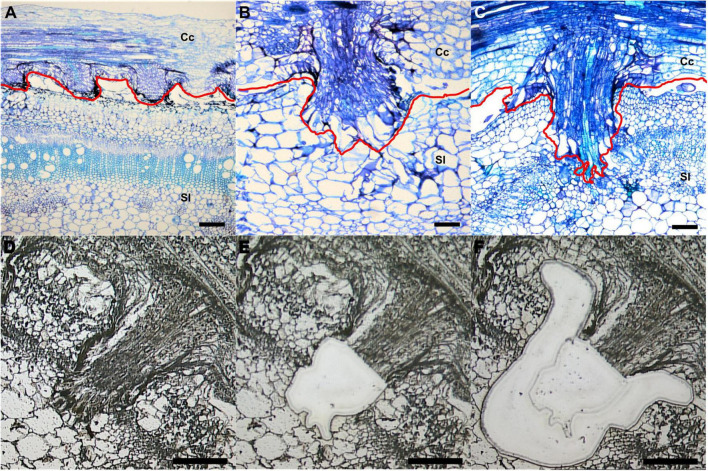
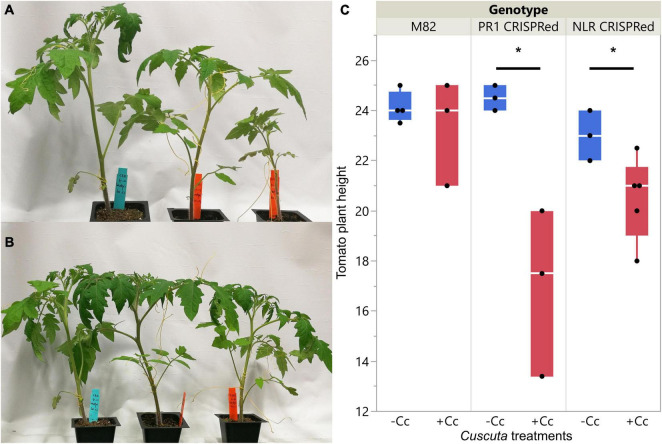
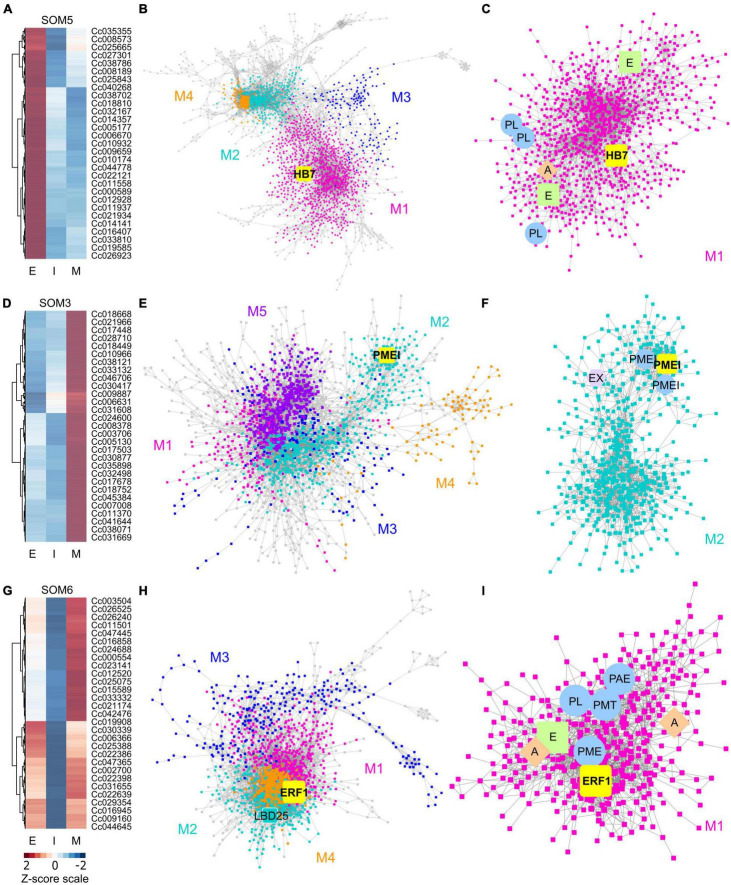
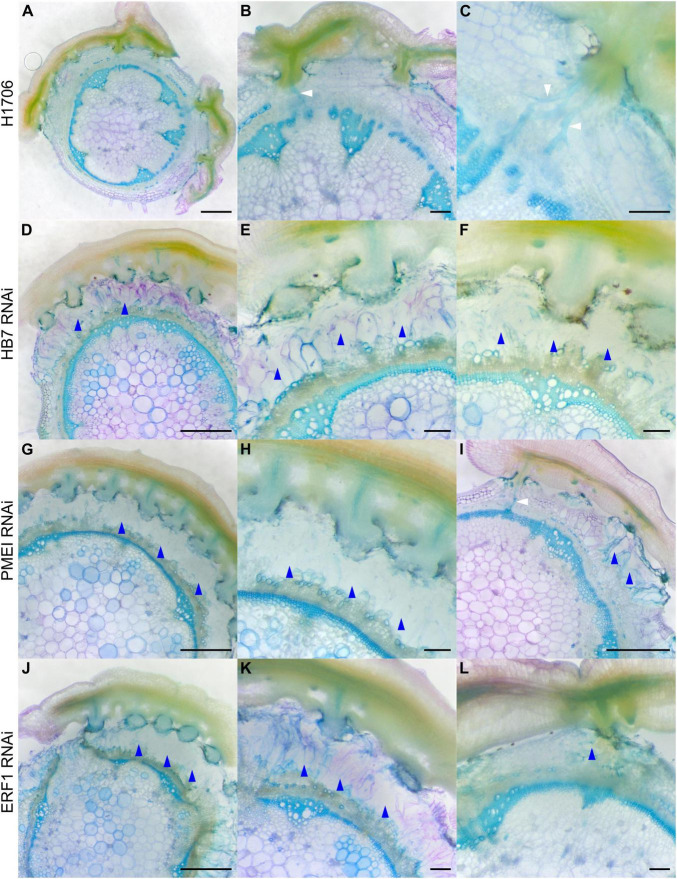
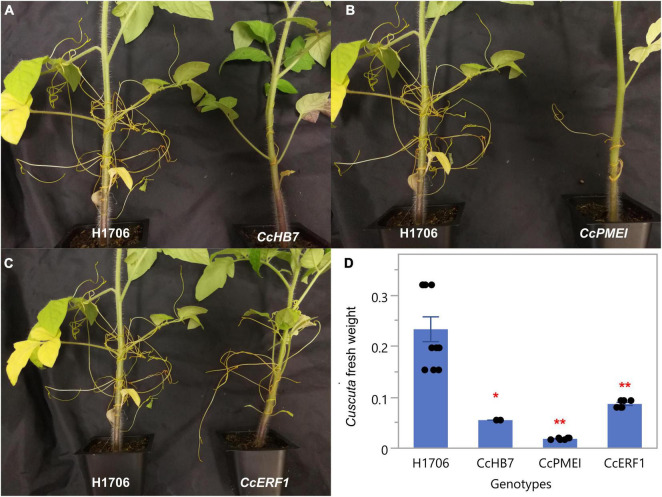
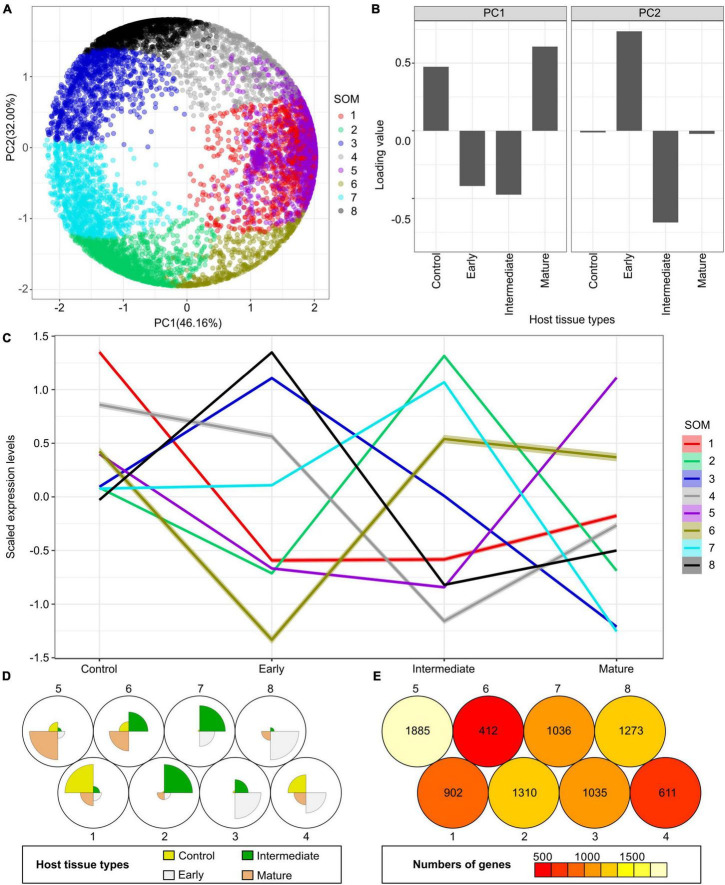
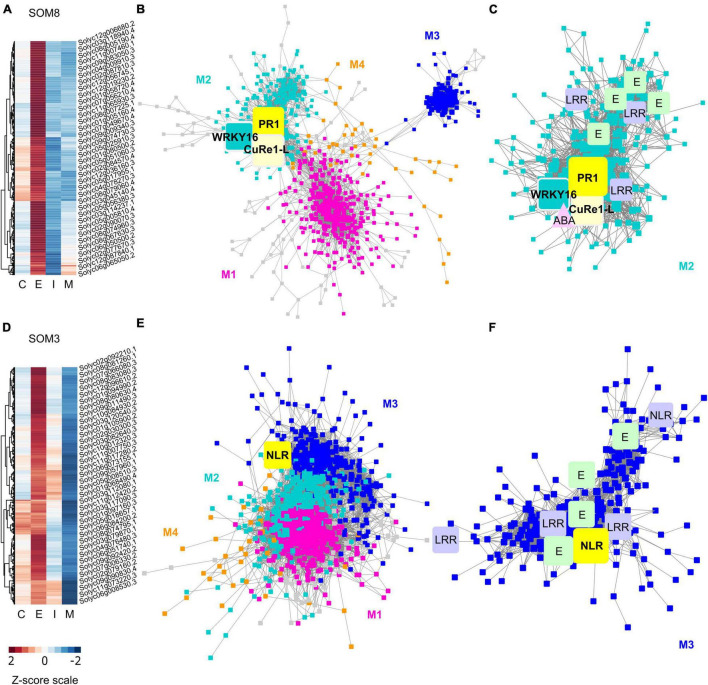
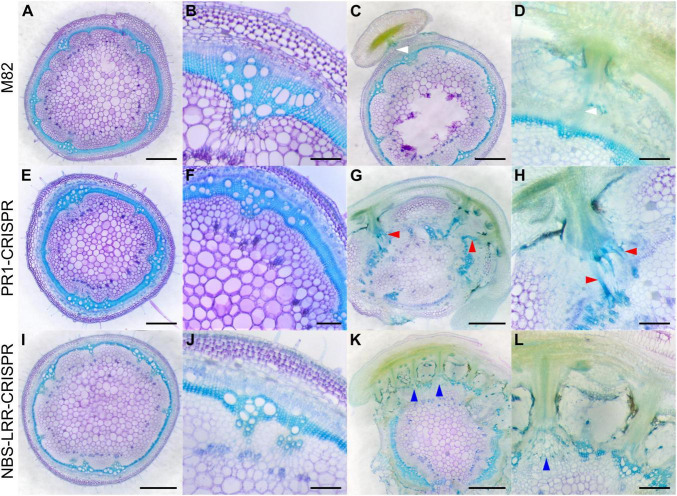
Parasitic weeds cause billions of dollars in agricultural losses each year worldwide. (), one of the most widespread and destructive parasitic plants in the United States, severely reduces yield in tomato plants. Reducing the spread of parasitic weeds requires understanding the interaction between parasites and hosts. Several studies have identified factors needed for parasitic plant germination and haustorium induction, and genes involved in host defense responses. However, knowledge of the mechanisms underlying the interactions between host and parasitic plants, specifically at the interface between the two organisms, is relatively limited. A detailed investigation of the crosstalk between the host and parasite at the tissue-specific level would enable development of effective parasite control strategies. To focus on the haustorial interface, we used laser-capture microdissection (LCM) with RNA-seq on early, intermediate and mature haustorial stages. In addition, the tomato host tissue that immediately surround the haustoria was collected to obtain tissue- resolution RNA-Seq profiles for and tomato at the parasitism interface. After conducting RNA-Seq analysis and constructing gene coexpression networks (GCNs), we identified , , and as putative key regulators involved in haustorium organogenesis, and three potential regulators, , , and , in tomatoes that are involved in perceiving signals from the parasite. We used host-induced gene silencing (HIGS) transgenic tomatoes to knock-down the candidate genes in and produced CRISPR transgenic tomatoes to knock out candidate genes in tomatoes. The interactions of with these transgenic lines were tested and compared with that in wild-type tomatoes. The results of this study reveal the tissue-resolution gene regulatory mechanisms at the parasitic plant-host interface and provide the potential of developing a parasite-resistant system in tomatoes.
寄生杂草每年在全球范围内给农业造成数十亿美元的损失。在美国,(某寄生杂草名称未给出)是分布最广、破坏力最强的寄生植物之一,会严重降低番茄植株的产量。减少寄生杂草的传播需要了解寄生虫与宿主之间的相互作用。多项研究已确定了寄生植物萌发和吸器诱导所需的因素,以及参与宿主防御反应的基因。然而,关于宿主与寄生植物之间相互作用的潜在机制,尤其是在这两种生物体的界面处,人们了解得还比较有限。在组织特异性水平上对宿主与寄生虫之间的相互作用进行详细研究,将有助于制定有效的寄生虫控制策略。为了聚焦于吸器界面,我们在吸器发育的早期、中期和成熟阶段,利用激光捕获显微切割技术(LCM)结合RNA测序进行研究。此外,收集紧邻吸器的番茄宿主组织,以获取寄生界面处(该寄生杂草名称未给出)和番茄的组织分辨率RNA测序图谱。在进行RNA测序分析并构建基因共表达网络(GCNs)后,我们确定了(某基因名称未给出)、(某基因名称未给出)和(某基因名称未给出)为参与(该寄生杂草名称未给出)吸器器官发生的假定关键调节因子,以及番茄中参与感知来自寄生虫信号的三个潜在调节因子(某基因名称未给出)、(某基因名称未给出)和(某基因名称未给出)。我们使用宿主诱导基因沉默(HIGS)转基因番茄来敲低(该寄生杂草名称未给出)中的候选基因,并培育CRISPR转基因番茄来敲除番茄中的候选基因。测试了(该寄生杂草名称未给出)与这些转基因品系的相互作用,并与野生型番茄进行了比较。本研究结果揭示了寄生植物 - 宿主界面处的组织分辨率基因调控机制,并为开发番茄抗寄生虫系统提供了可能性。