• 文献检索
  • 文档翻译
  • 深度研究
  • 学术资讯
  • Suppr Zotero 插件Zotero 插件
  • 邀请有礼
  • 套餐&价格
  • 历史记录
应用&插件
Suppr Zotero 插件Zotero 插件浏览器插件Mac 客户端Windows 客户端微信小程序
定价
高级版会员购买积分包购买API积分包
服务
文献检索文档翻译深度研究API 文档MCP 服务
关于我们
关于 Suppr公司介绍联系我们用户协议隐私条款
关注我们

Suppr 超能文献

核心技术专利:CN118964589B侵权必究
粤ICP备2023148730 号-1Suppr @ 2026

文献检索

告别复杂PubMed语法,用中文像聊天一样搜索,搜遍4000万医学文献。AI智能推荐,让科研检索更轻松。

立即免费搜索

文件翻译

保留排版,准确专业,支持PDF/Word/PPT等文件格式,支持 12+语言互译。

免费翻译文档

深度研究

AI帮你快速写综述,25分钟生成高质量综述,智能提取关键信息,辅助科研写作。

立即免费体验

新冠疫情后暖通空调系统组件设计综述:可能性与挑战

Review of component designs for post-COVID-19 HVAC systems: possibilities and challenges.

作者信息

Shamim Jubair A, Hsu Wei-Lun, Daiguji Hirofumi

机构信息

Department of Mechanical Engineering, The University of Tokyo, 7-3-1 Hongo, Bunkyo-ku, Tokyo 113-8656, Japan.

出版信息

Heliyon. 2022 Feb 22;8(3):e09001. doi: 10.1016/j.heliyon.2022.e09001. eCollection 2022 Mar.

DOI:10.1016/j.heliyon.2022.e09001
PMID:35224237
原文链接:https://pmc.ncbi.nlm.nih.gov/articles/PMC8863315/
Abstract

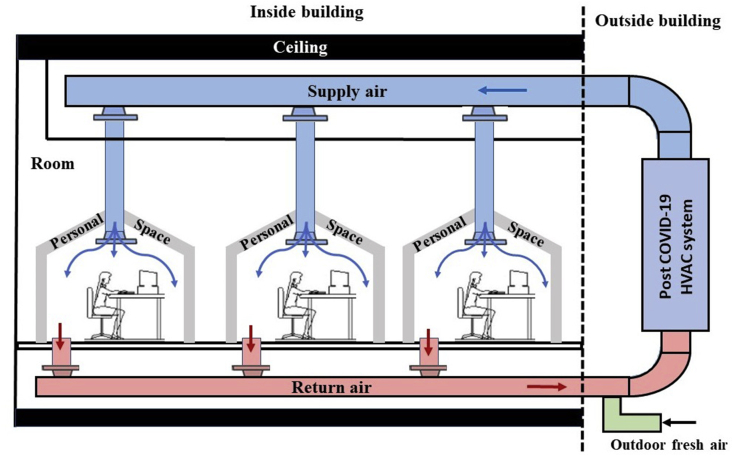
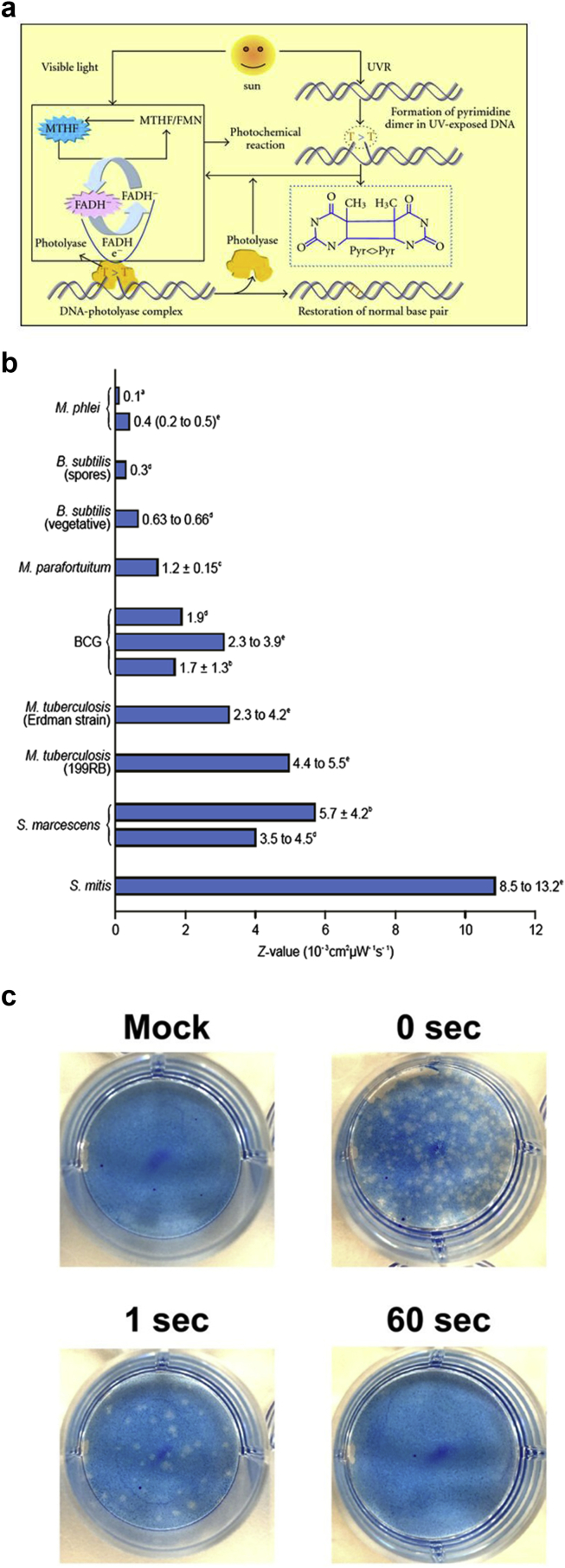
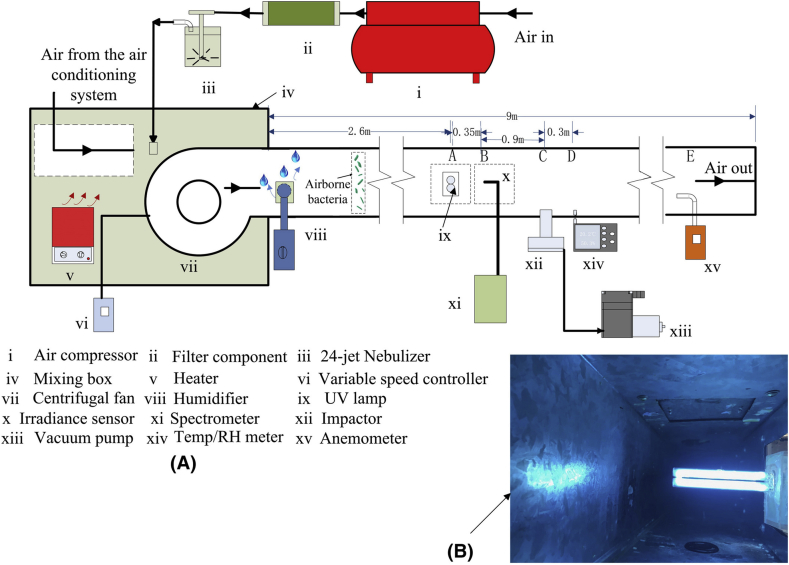
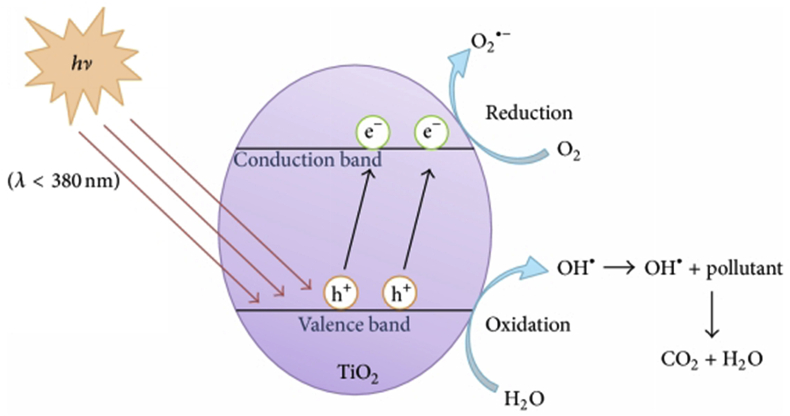
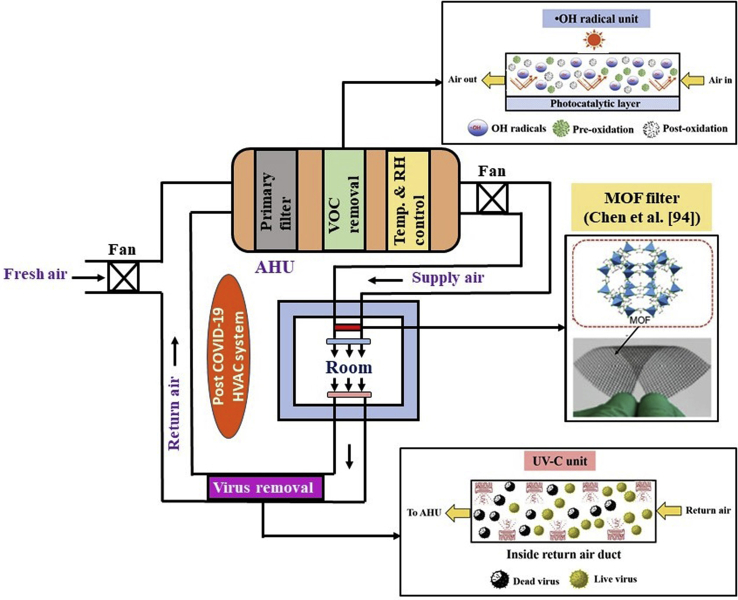
The globally occurring recurrent waves of the COVID-19 pandemic, primarily caused by the transmission of aerosolized droplets from an infected person to a healthy person in the indoor environment, has led to the urgency of designing new modes of indoor ventilation. To prevent cross-contaminations due to airborne viruses, bacteria, and other pollutants in indoor environments, heating ventilation and air-conditioning (HVAC) systems need to be redesigned with anti-pandemic components. The three vital anti-pandemic components for the post-COVID-19 HVAC systems, as identified by the authors, are: a biological contaminant inactivation unit, a volatile organic compound decomposition unit, and an advanced air filtration unit. The purpose of the current article is to provide an overview of the latest research outcomes toward designing these anti-pandemic components and pointing out the future promises and challenges. In addition, the role of personalized ventilation in minimizing the risk of indoor cross-contamination by employing various air terminal devices is discussed. The authors believe that this article will encourage HVAC designers to develop effective anti-pandemic components to minimize the indoor airborne transmission.

摘要

全球范围内新冠疫情反复出现,主要是由于在室内环境中,感染者通过气溶胶飞沫传播给健康人,这使得设计新的室内通风模式变得紧迫。为防止室内环境中空气传播的病毒、细菌和其他污染物造成交叉污染,供暖通风与空调(HVAC)系统需要重新设计,加入抗疫组件。作者确定的后新冠时代HVAC系统的三个关键抗疫组件是:生物污染物灭活单元、挥发性有机化合物分解单元和先进空气过滤单元。本文的目的是概述设计这些抗疫组件的最新研究成果,并指出未来的前景和挑战。此外,还讨论了通过使用各种空气终端设备,个性化通风在降低室内交叉污染风险方面的作用。作者认为,本文将鼓励HVAC设计师开发有效的抗疫组件,以尽量减少室内空气传播。
https://cdn.ncbi.nlm.nih.gov/pmc/blobs/2a86/8891973/94d26be642da/gr11.jpg
https://cdn.ncbi.nlm.nih.gov/pmc/blobs/2a86/8891973/48bb406026eb/gr1.jpg
https://cdn.ncbi.nlm.nih.gov/pmc/blobs/2a86/8891973/18caa2b83b99/gr2.jpg
https://cdn.ncbi.nlm.nih.gov/pmc/blobs/2a86/8891973/fbb1e9ed3ca8/gr3.jpg
https://cdn.ncbi.nlm.nih.gov/pmc/blobs/2a86/8891973/89dda5218803/gr4.jpg
https://cdn.ncbi.nlm.nih.gov/pmc/blobs/2a86/8891973/2125caddd8b0/gr5.jpg
https://cdn.ncbi.nlm.nih.gov/pmc/blobs/2a86/8891973/56eb57b1cce4/gr6.jpg
https://cdn.ncbi.nlm.nih.gov/pmc/blobs/2a86/8891973/46de1a73df94/gr7.jpg
https://cdn.ncbi.nlm.nih.gov/pmc/blobs/2a86/8891973/4112bf9c83d0/gr8.jpg
https://cdn.ncbi.nlm.nih.gov/pmc/blobs/2a86/8891973/9648825a7cec/gr9.jpg
https://cdn.ncbi.nlm.nih.gov/pmc/blobs/2a86/8891973/5f95c8ac68b6/gr10.jpg
https://cdn.ncbi.nlm.nih.gov/pmc/blobs/2a86/8891973/94d26be642da/gr11.jpg
https://cdn.ncbi.nlm.nih.gov/pmc/blobs/2a86/8891973/48bb406026eb/gr1.jpg
https://cdn.ncbi.nlm.nih.gov/pmc/blobs/2a86/8891973/18caa2b83b99/gr2.jpg
https://cdn.ncbi.nlm.nih.gov/pmc/blobs/2a86/8891973/fbb1e9ed3ca8/gr3.jpg
https://cdn.ncbi.nlm.nih.gov/pmc/blobs/2a86/8891973/89dda5218803/gr4.jpg
https://cdn.ncbi.nlm.nih.gov/pmc/blobs/2a86/8891973/2125caddd8b0/gr5.jpg
https://cdn.ncbi.nlm.nih.gov/pmc/blobs/2a86/8891973/56eb57b1cce4/gr6.jpg
https://cdn.ncbi.nlm.nih.gov/pmc/blobs/2a86/8891973/46de1a73df94/gr7.jpg
https://cdn.ncbi.nlm.nih.gov/pmc/blobs/2a86/8891973/4112bf9c83d0/gr8.jpg
https://cdn.ncbi.nlm.nih.gov/pmc/blobs/2a86/8891973/9648825a7cec/gr9.jpg
https://cdn.ncbi.nlm.nih.gov/pmc/blobs/2a86/8891973/5f95c8ac68b6/gr10.jpg
https://cdn.ncbi.nlm.nih.gov/pmc/blobs/2a86/8891973/94d26be642da/gr11.jpg

相似文献

1
Review of component designs for post-COVID-19 HVAC systems: possibilities and challenges.新冠疫情后暖通空调系统组件设计综述:可能性与挑战
Heliyon. 2022 Feb 22;8(3):e09001. doi: 10.1016/j.heliyon.2022.e09001. eCollection 2022 Mar.
2
The Impact of Heating, Ventilation, and Air-Conditioning Design Features on the Transmission of Viruses, Including SARS-CoV-2: Overview of Reviews.供暖、通风与空调设计特点对包括严重急性呼吸综合征冠状病毒2(SARS-CoV-2)在内的病毒传播的影响:综述概述
Interact J Med Res. 2022 Dec 23;11(2):e37232. doi: 10.2196/37232.
3
The impact of heating, ventilation, and air conditioning design features on the transmission of viruses, including the 2019 novel coronavirus: A systematic review of ultraviolet radiation.供暖、通风与空调设计特点对包括2019新型冠状病毒在内的病毒传播的影响:紫外线辐射的系统评价
PLoS One. 2022 Apr 8;17(4):e0266487. doi: 10.1371/journal.pone.0266487. eCollection 2022.
4
Numerical investigation on indoor environment decontamination after sneezing.打喷嚏后室内环境净化的数值研究。
Environ Res. 2022 Oct;213:113665. doi: 10.1016/j.envres.2022.113665. Epub 2022 Jun 15.
5
A systematic review and meta-analysis of indoor bioaerosols in hospitals: The influence of heating, ventilation, and air conditioning.医院室内生物气溶胶的系统评价和荟萃分析:加热、通风和空调的影响。
PLoS One. 2021 Dec 23;16(12):e0259996. doi: 10.1371/journal.pone.0259996. eCollection 2021.
6
An overview of solutions for airborne viral transmission reduction related to HVAC systems including liquid desiccant air-scrubbing.与暖通空调系统相关的减少空气传播病毒传播的解决方案概述,包括液体干燥剂空气洗涤。
Energy (Oxf). 2022 Apr 1;244:122709. doi: 10.1016/j.energy.2021.122709. Epub 2021 Nov 20.
7
SARS-CoV-2 indoor contamination: considerations on anti-COVID-19 management of ventilation systems, and finishing materials in healthcare facilities.SARS-CoV-2 室内污染:对医疗保健设施中通风系统和装修材料的抗 COVID-19 管理的考虑。
Ann Ig. 2021 Jul-Aug;33(4):381-392. doi: 10.7416/ai.2020.2396. Epub 2020 Dec 4.
8
The role of air conditioning in the diffusion of Sars-CoV-2 in indoor environments: A first computational fluid dynamic model, based on investigations performed at the Vatican State Children's hospital.空调在室内环境中传播 SARS-CoV-2 中的作用:基于在梵蒂冈国立儿童医院进行的调查的第一个计算流体动力学模型。
Environ Res. 2021 Feb;193:110343. doi: 10.1016/j.envres.2020.110343. Epub 2020 Oct 15.
9
Addressing COVID-19 contagion through the HVAC systems by reviewing indoor airborne nature of infectious microbes: Will an innovative air recirculation concept provide a practical solution?通过审查室内空气传播微生物的性质来解决 HVAC 系统中的 COVID-19 传染问题:创新的空气再循环概念是否提供了一个实用的解决方案?
Environ Res. 2021 Aug;199:111329. doi: 10.1016/j.envres.2021.111329. Epub 2021 May 15.
10
Changes in airborne fungi from the outdoors to indoor air; large HVAC systems in nonproblem buildings in two different climates.从室外到室内空气中空气传播真菌的变化;两种不同气候条件下非问题建筑中的大型暖通空调系统
AIHA J (Fairfax, Va). 2003 Mar-Apr;64(2):269-75. doi: 10.1080/15428110308984817.

引用本文的文献

1
Plasma Photocatalysis: A Novel Approach for Enhanced Air Disinfection in Centralised Ventilation Systems.等离子体光催化:一种用于增强集中通风系统空气消毒的新方法。
Materials (Basel). 2025 Apr 19;18(8):1870. doi: 10.3390/ma18081870.
2
A comprehensive review of microbial contamination in the indoor environment: sources, sampling, health risks, and mitigation strategies.室内环境中微生物污染的综合评述:来源、采样、健康风险和缓解策略。
Front Public Health. 2023 Nov 23;11:1285393. doi: 10.3389/fpubh.2023.1285393. eCollection 2023.