Di Loreto Chiara, Minarelli Viviana, Nasini Giovanni, Norgiolini Roberto, Del Sindaco Paola
Diabetes Clinic, USL Umbria 1, Perugia Territorial Health Structure, Perugia, Italy.
Diabetes Clinic, USL Umbria 1, Città di Castello Hospital, Città di Castello, Italy.
Diabetes Ther. 2022 Mar;13(3):551-567. doi: 10.1007/s13300-022-01218-y. Epub 2022 Mar 1.
To complement results of the SUSTAIN program, this study assessed effectiveness and safety of once weekly subcutaneous semaglutide in people with type 2 diabetes (T2D) managed under routine care.
This was a multicenter, observational, retrospective study including all patients treated with semaglutide. Changes in clinical outcomes from baseline to 6 and 12 months were assessed in patients who were glucagon-like peptide receptor agonist (GLP-1RA) naïve or switching from another GLP-1RA. Discontinuation rate was assessed.
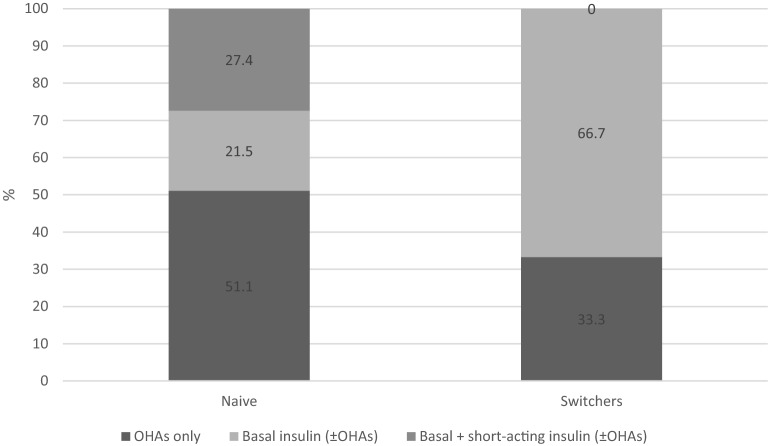
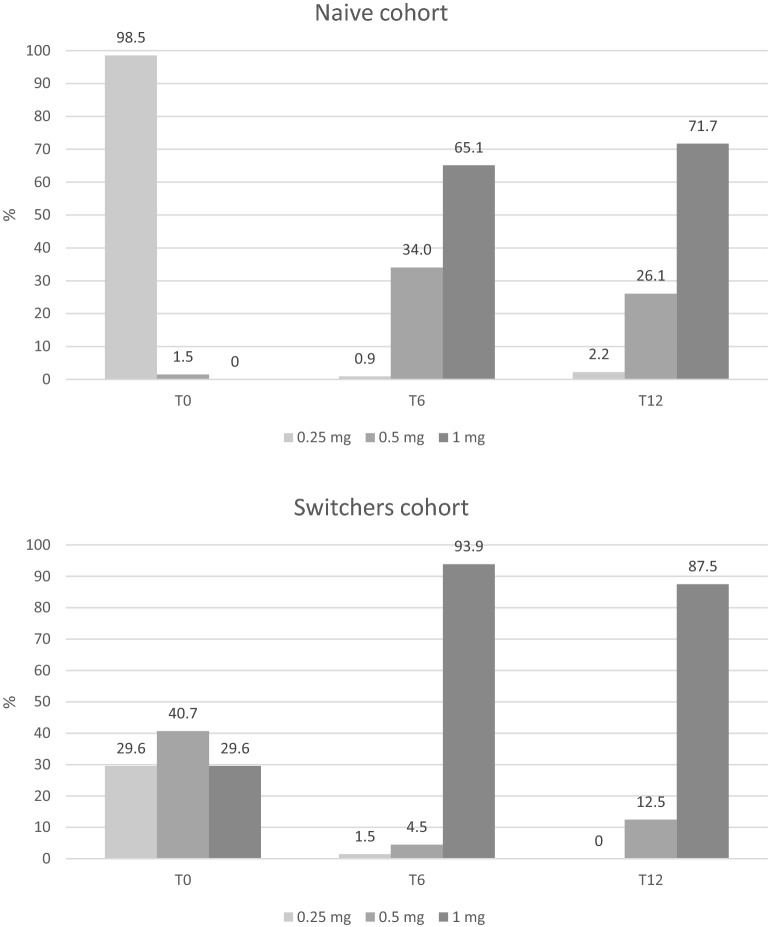
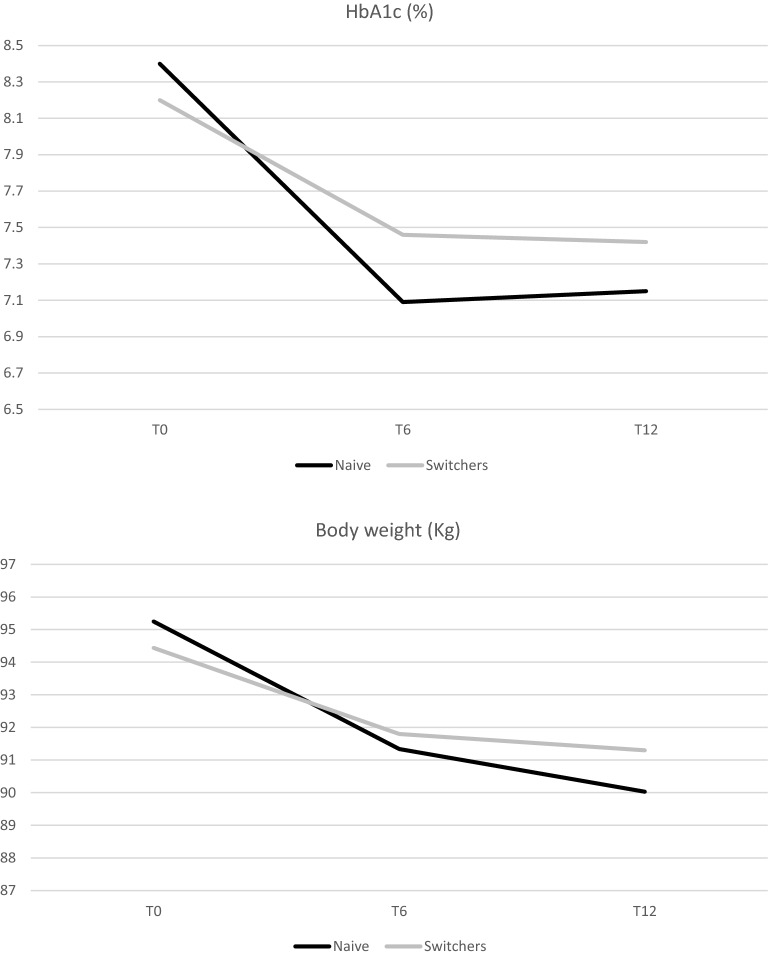
Overall, 216 patients (mean age 64 years, 65.7% men) were evaluated: 135 (61.5%) naïve and 81 (38.5%) switchers from another GLP-1RA. In the naïve cohort, after 6 months from semaglutide initiation, levels of HbA1c significantly decreased by - 1.31% (p < 0.0001). All obesity indices improved, with mean reductions in body weight of - 3.92 kg, in BMI of - 1.43 kg/m, and in waist circumference of - 5.03 cm. In the switcher cohort, statistically significant improvements in HbA1c (- 0.78%), body weight (- 2.64 kg), and waist circumference (- 3.03 cm) were obtained after 6 months. Reductions were sustained after 12 months in both cohorts (mean semaglutide dose: 0.86 mg in naïve and 0.96 mg in switcher cohort). Blood pressure and lipid profile mean levels decreased after 12 months from semaglutide initiation in both cohorts. No severe hypoglycemia occurred; 6.5% of patients discontinued semaglutide (2.8% due to gastrointestinal side effects).
Effectiveness and tolerability of semaglutide have been confirmed in the real world irrespective of diabetes duration and severity. As expected, more marked reductions in HbA1c and obesity indices were obtained in naïve patients, but it is noteworthy that relevant improvements were also obtained in patients already treated with GLP-1RAs.
为补充SUSTAIN项目的结果,本研究评估了在常规护理下接受治疗的2型糖尿病(T2D)患者中,每周一次皮下注射司美格鲁肽的有效性和安全性。
这是一项多中心、观察性、回顾性研究,纳入了所有接受司美格鲁肽治疗的患者。对初治或从其他胰高血糖素样肽受体激动剂(GLP-1RA)转换过来的患者,评估从基线到6个月和12个月时临床结局的变化。评估停药率。
总体上,共评估了216例患者(平均年龄64岁,65.7%为男性):135例(61.5%)为初治患者,81例(38.5%)为从其他GLP-1RA转换过来的患者。在初治队列中,司美格鲁肽起始治疗6个月后,糖化血红蛋白(HbA1c)水平显著下降了-1.31%(p < 0.0001)。所有肥胖指标均得到改善,体重平均下降-3.92 kg,体重指数(BMI)下降-1.43 kg/m²,腰围下降-5.03 cm。在转换队列中,6个月后HbA1c(-0.78%)、体重(-2.64 kg)和腰围(-3.03 cm)均有统计学意义的改善。两个队列在12个月后这些指标的下降仍持续存在(初治队列司美格鲁肽平均剂量:0.86 mg,转换队列:0.96 mg)。两个队列在司美格鲁肽起始治疗12个月后,血压和血脂谱平均水平均下降。未发生严重低血糖;6.5%的患者停用了司美格鲁肽(2.8%是由于胃肠道副作用)。
无论糖尿病病程和严重程度如何,司美格鲁肽在现实世界中的有效性和耐受性均得到了证实。正如预期的那样,初治患者的HbA1c和肥胖指标下降更为显著,但值得注意的是,已经接受GLP-1RA治疗的患者也有相关改善。