Neurological Cancer Research, Stanley S. Scott Cancer Center, Department of Interdisciplinary Oncology, Louisiana State University Health Sciences Center, New Orleans, LA, 70112, USA.
Department of Cell Biology, Faculty of Biochemistry, Biophysics and Biotechnology, Jagiellonian University, Cracow, Poland.
Sci Rep. 2022 Mar 1;12(1):3384. doi: 10.1038/s41598-022-07247-8.
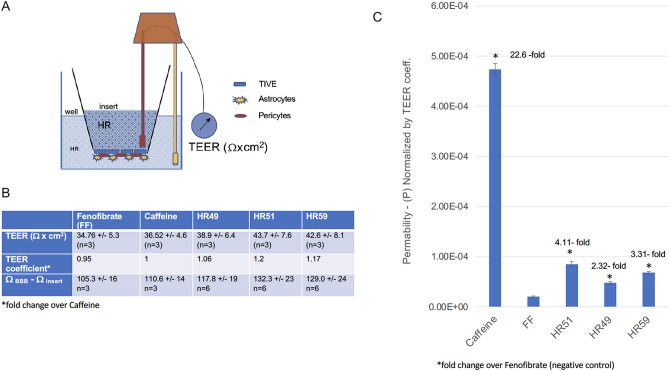
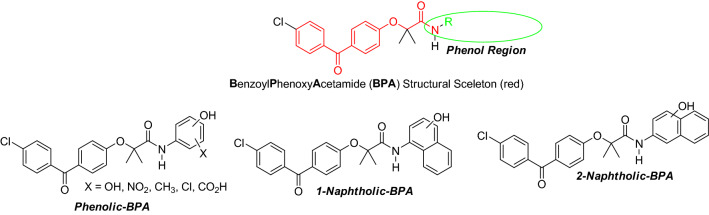
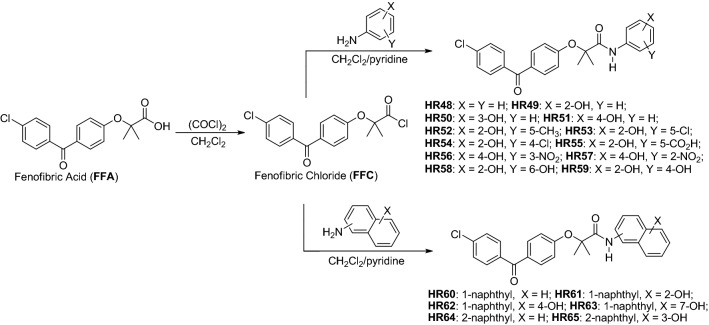
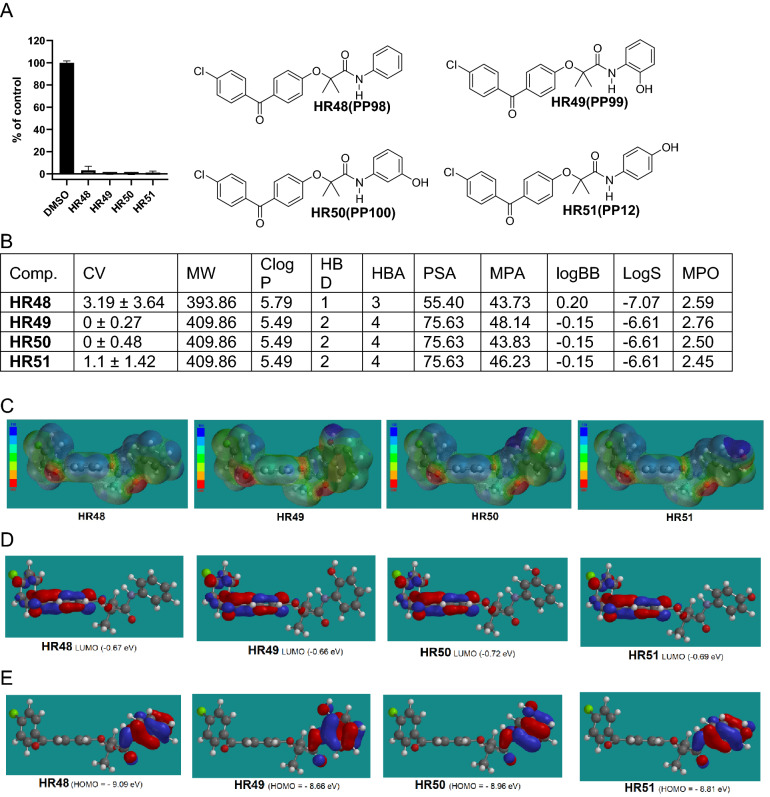
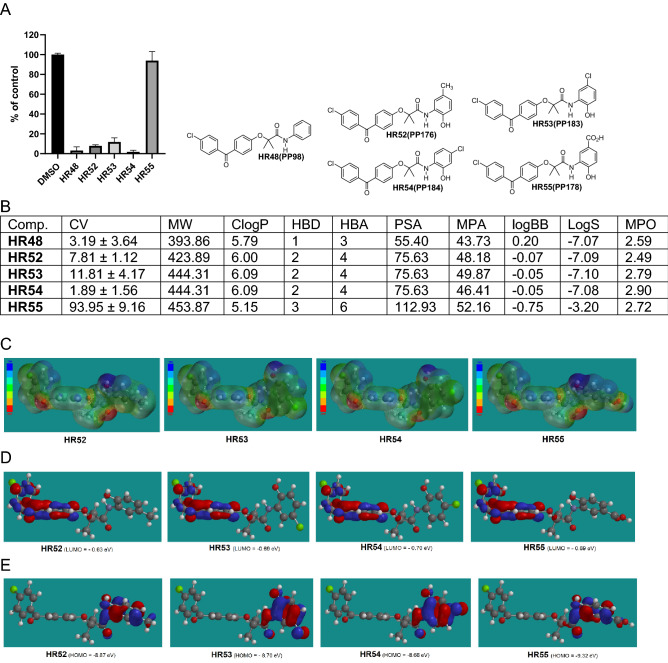
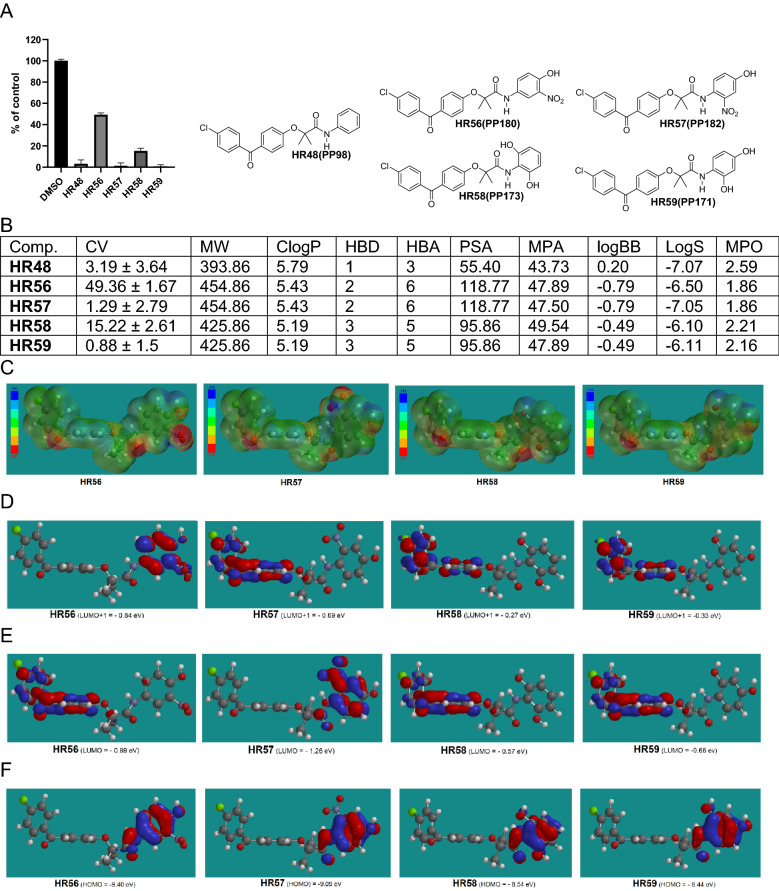
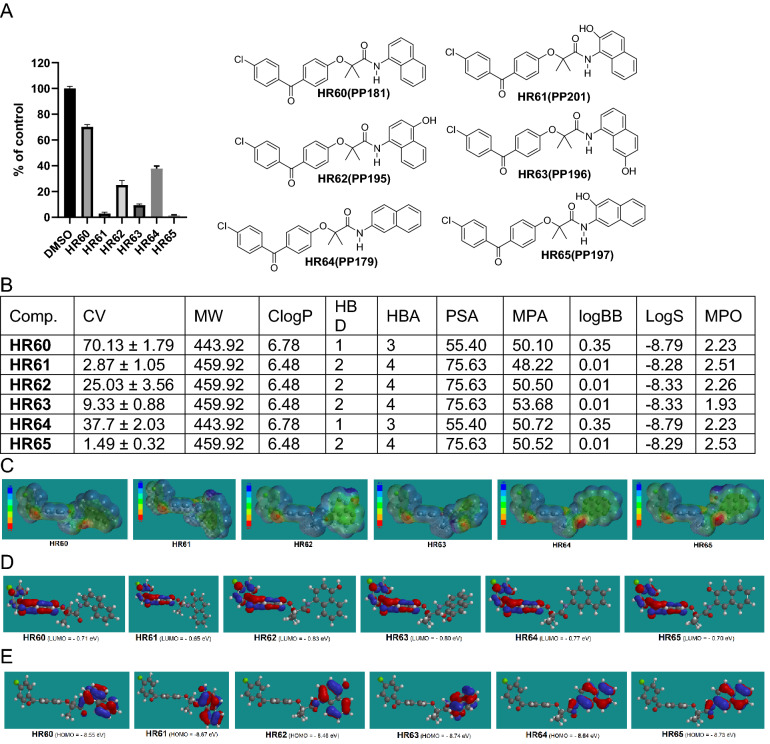
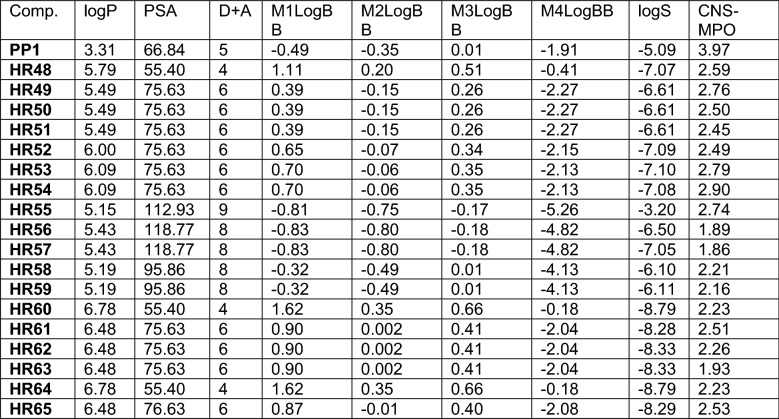
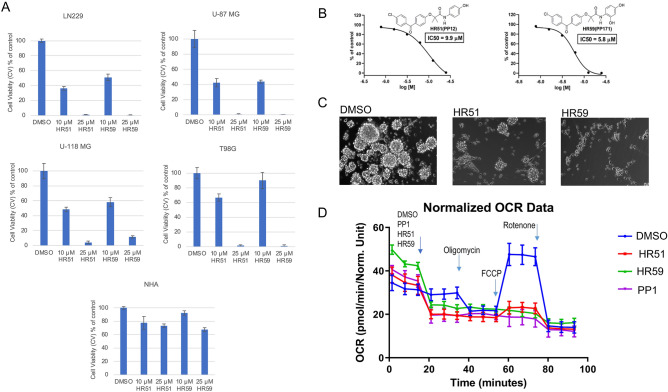
Glioblastomas are the most aggressive brain tumors for which therapeutic options are limited. Current therapies against glioblastoma include surgical resection, followed by radiotherapy plus concomitant treatment and maintenance with temozolomide (TMZ), however, these standard therapies are often ineffective, and average survival time for glioblastoma patients is between 12 and 18 months. We have previously reported a strong anti-glioblastoma activity of several metabolic compounds, which were synthetized based compounds, which were synthetized based on the chemical structure of a common lipid-lowering drug, fenofibrate, and share a general molecular skeleton of benzoylphenoxyacetamide (BPA). Extensive computational analyses of phenol and naphthol moieties added to the BPA skeleton were performed in this study with the objective of selecting new BPA variants for subsequent compound preparation and anti-glioblastoma testing. Initially, 81 structural variations were considered and their physical properties such as solubility (logS), blood-brain partitioning (logBB), and probability of entering the CNS calculated by the Central Nervous System-Multiparameter Optimization (MPO-CNS) algorithm were evaluated. From this initial list, 18 compounds were further evaluated for anti-glioblastoma activity in vitro. Nine compounds demonstrated desirable glioblastoma cell toxicity in cell culture, and two of them, HR51, and HR59 demonstrated significantly improved capability of crossing the model blood-brain-barrier (BBB) composed of endothelial cells, astrocytes and pericytes.
胶质母细胞瘤是最具侵袭性的脑肿瘤,治疗选择有限。目前针对胶质母细胞瘤的治疗方法包括手术切除,然后进行放疗联合替莫唑胺(TMZ)同期治疗和维持治疗,但这些标准治疗方法往往效果不佳,胶质母细胞瘤患者的平均生存时间为 12 至 18 个月。我们之前报道了几种代谢化合物对胶质母细胞瘤具有很强的抑制活性,这些化合物是基于一种常见的降脂药物非诺贝特的化学结构合成的,它们具有苯甲酰基苯氧基乙酰胺(BPA)的一般分子骨架。在这项研究中,对添加到 BPA 骨架上的酚和萘酚部分进行了广泛的计算分析,目的是选择新的 BPA 变体,以便随后进行化合物制备和抗胶质母细胞瘤测试。最初考虑了 81 种结构变化,并通过中枢神经系统多参数优化(MPO-CNS)算法评估了它们的物理性质,如溶解度(logS)、血脑分配(logBB)和进入中枢神经系统的概率。在这个初始列表中,有 18 种化合物进一步在体外进行了抗胶质母细胞瘤活性评估。其中 9 种化合物在细胞培养中表现出良好的胶质母细胞瘤细胞毒性,其中 HR51 和 HR59 两种化合物表现出显著提高的穿过由内皮细胞、星形胶质细胞和周细胞组成的模型血脑屏障(BBB)的能力。