Institute of Molecular and Translational Therapeutic Strategies (IMTTS), Center of Pharmacology and Toxicology, Hannover Medical School, Carl-Neuberg-Str.1, 30625, Hannover, Germany.
Fraunhofer Institute for Toxicology and Experimental Medicine (ITEM), Hannover, Germany.
Basic Res Cardiol. 2022 Mar 2;117(1):9. doi: 10.1007/s00395-022-00919-6.
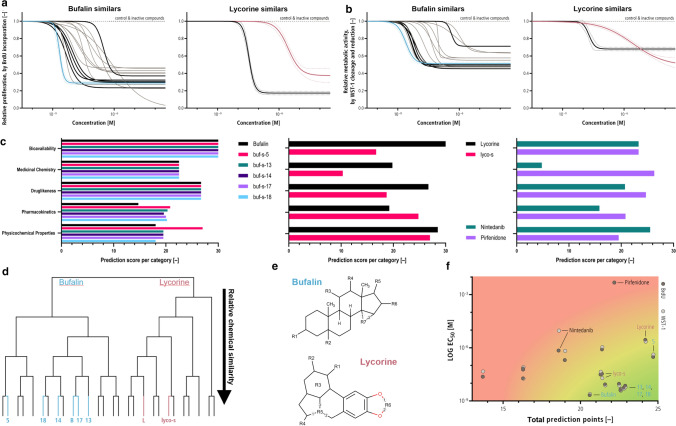
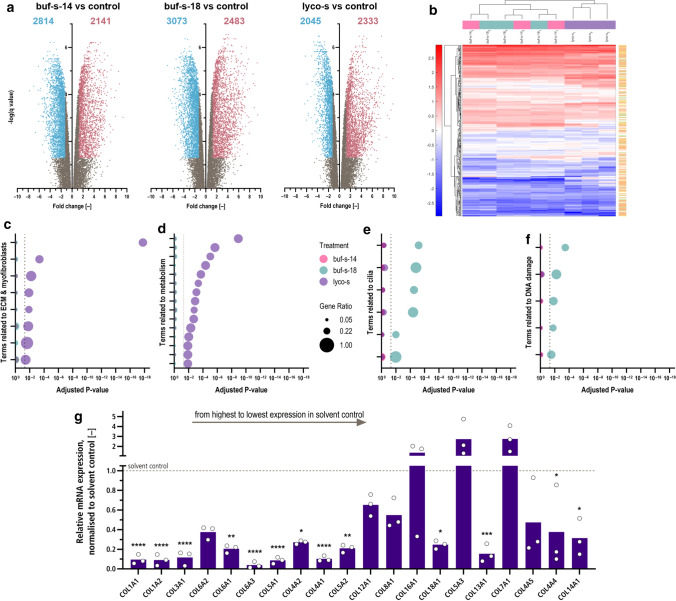
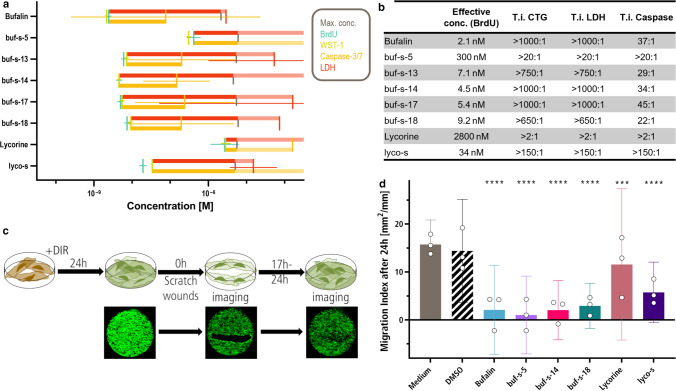
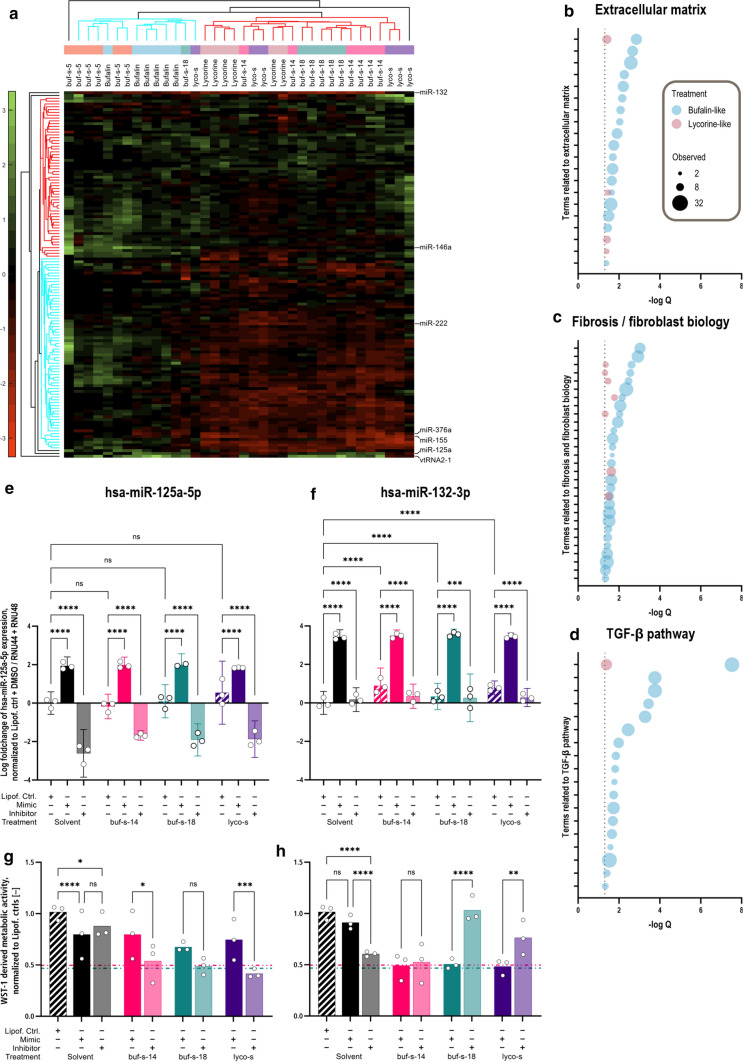
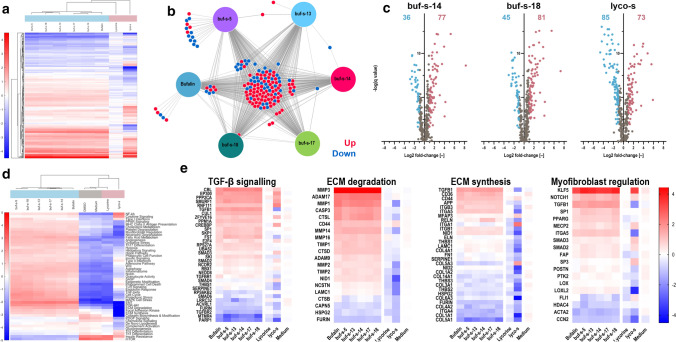
Cardiac fibroblasts constitute the major cell type of the murine and human heart. Once activated, they contribute to an excessive deposition of extracellular matrix (ECM) leading to cardiac fibrosis and subsequently organ dysfunction. With the exception of the pulmonary drugs, nintedanib and pirfenidone, drugs specifically targeting anti-fibrotic pathways are scarce. We recently performed large library screenings of natural occurring compounds and identified first lead structures with anti-fibrotic properties in vitro and in vivo. In line, we now aimed to improve efficacy of these anti-fibrotic lead structures by combining in vitro validation studies and in silico prediction. Next to this combined approach, we performed large OMICs-multi-panel-based mechanistic studies. Applying human cardiac fibroblasts (HCF), we analysed 26 similars of the initially identified anti-fibrotic lead molecules bufalin and lycorine and determined anti-proliferative activity and potential toxicity in an array of in vitro and ex vivo studies. Of note, even at lower concentrations, certain similars were more effective at inhibiting HCF proliferation than nintedanib and pirfenidone. Additionally, selected similars showed low cytotoxicity on human iPS-derived cardiomyocytes and anti-fibrotic gene regulation in human ex vivo living myocardial slices. Further, array and RNA sequencing studies of coding and non-coding RNAs in treated HCFs revealed strong anti-fibrotic properties, especially with the lycorine similar lyco-s (also known as homoharringtonine), that led to a nearly complete shutdown of ECM production at concentrations 100-fold lower than the previously identified anti-fibrotic compound lycorine without inducing cellular toxicity. We thus identified a new natural compound similar with strong anti-fibrotic properties in human cardiac fibroblasts and human living heart tissue potentially opening new anti-fibrotic treatment strategies.
心肌成纤维细胞构成了鼠类和人类心脏的主要细胞类型。一旦被激活,它们会导致细胞外基质(ECM)过度沉积,导致心肌纤维化,进而导致器官功能障碍。除了肺部药物尼达尼布和吡非尼酮外,专门针对抗纤维化途径的药物很少。我们最近对天然存在的化合物进行了大规模文库筛选,并在体外和体内鉴定出了具有抗纤维化特性的首批先导结构。在此基础上,我们现在旨在通过体外验证研究和计算机预测来提高这些抗纤维化先导结构的疗效。除了这种联合方法,我们还进行了大规模的基于 OMICs 多面板的机制研究。应用人心脏成纤维细胞(HCF),我们分析了最初鉴定出的抗纤维化先导分子蟾毒灵和石蒜碱的 26 种类似物,并在一系列体外和离体研究中测定了抗增殖活性和潜在毒性。值得注意的是,即使在较低浓度下,某些类似物在抑制 HCF 增殖方面也比尼达尼布和吡非尼酮更有效。此外,某些选定的类似物在人 iPS 衍生的心肌细胞上显示出低细胞毒性和人离体活心肌切片中的抗纤维化基因调控。此外,用处理过的 HCF 进行的基因表达谱和 RNA 测序研究揭示了很强的抗纤维化特性,特别是石蒜碱类似物 lyco-s(也称为高三尖杉酯碱),其在浓度低至先前鉴定出的抗纤维化化合物石蒜碱的 100 倍时,几乎完全关闭 ECM 产生,而不会诱导细胞毒性。因此,我们在人心脏成纤维细胞和人活体心脏组织中鉴定出一种具有强抗纤维化特性的新型天然化合物,可能为新的抗纤维化治疗策略开辟了道路。