Rizzuto G, Brooks J F, Tuomivaara S T, McIntyre T I, Ma S, Rideaux D, Zikherman J, Fisher S J, Erlebacher A
Department of Pathology, University of California San Francisco, San Francisco, CA, USA.
Department of Medicine, University of California San Francisco, San Francisco, CA, USA.
Nature. 2022 Mar;603(7901):497-502. doi: 10.1038/s41586-022-04471-0. Epub 2022 Mar 2.
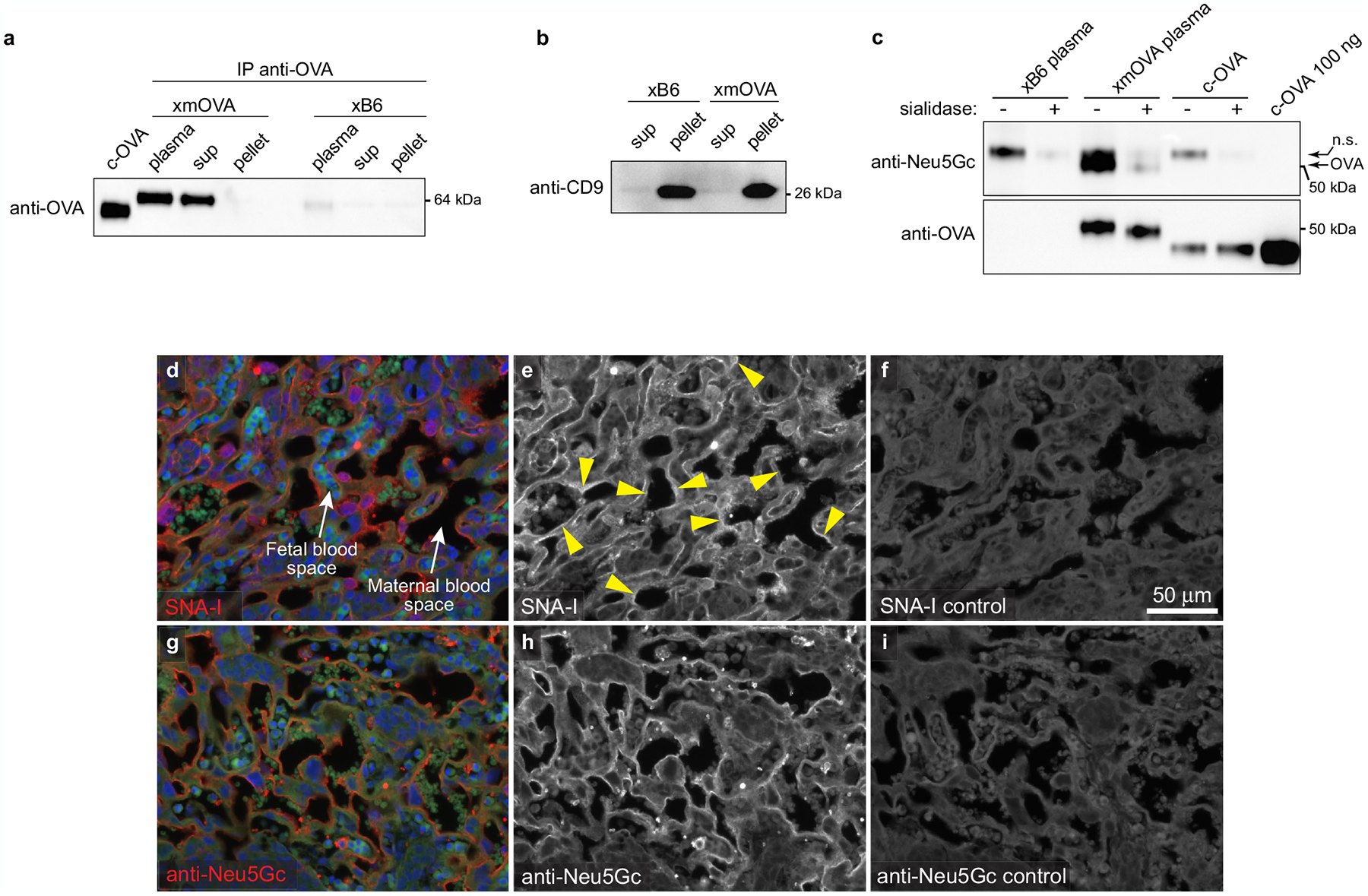
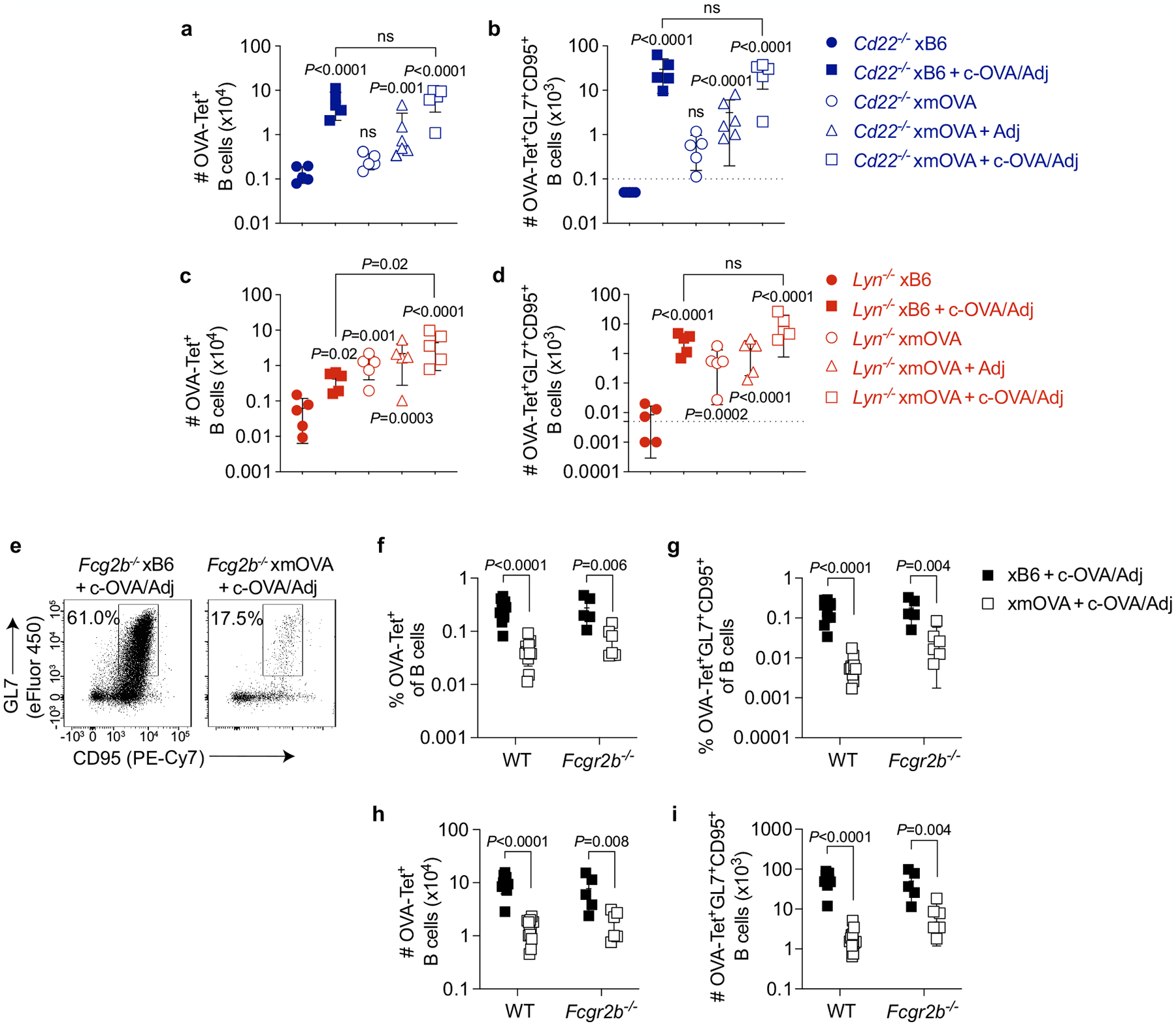
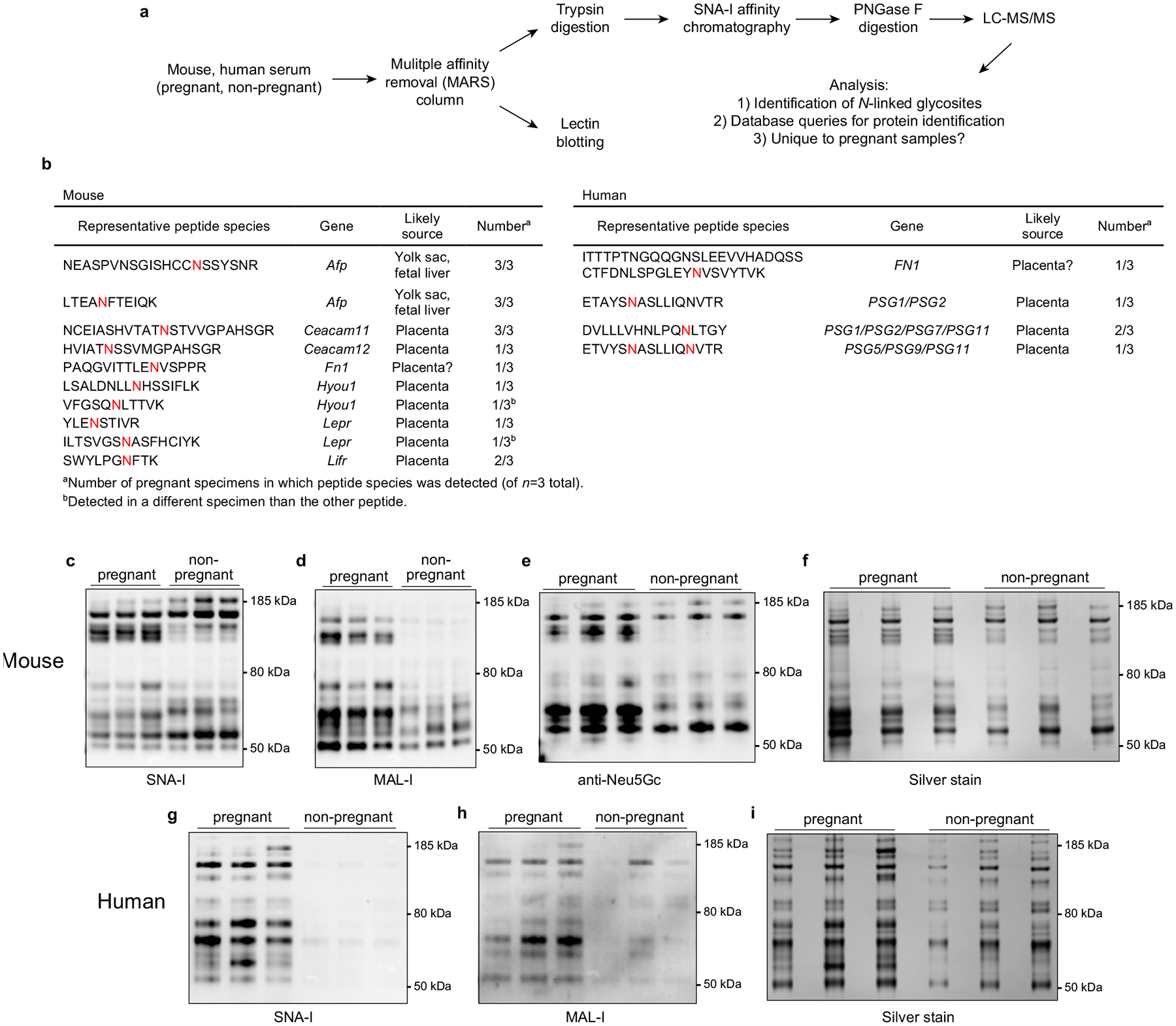
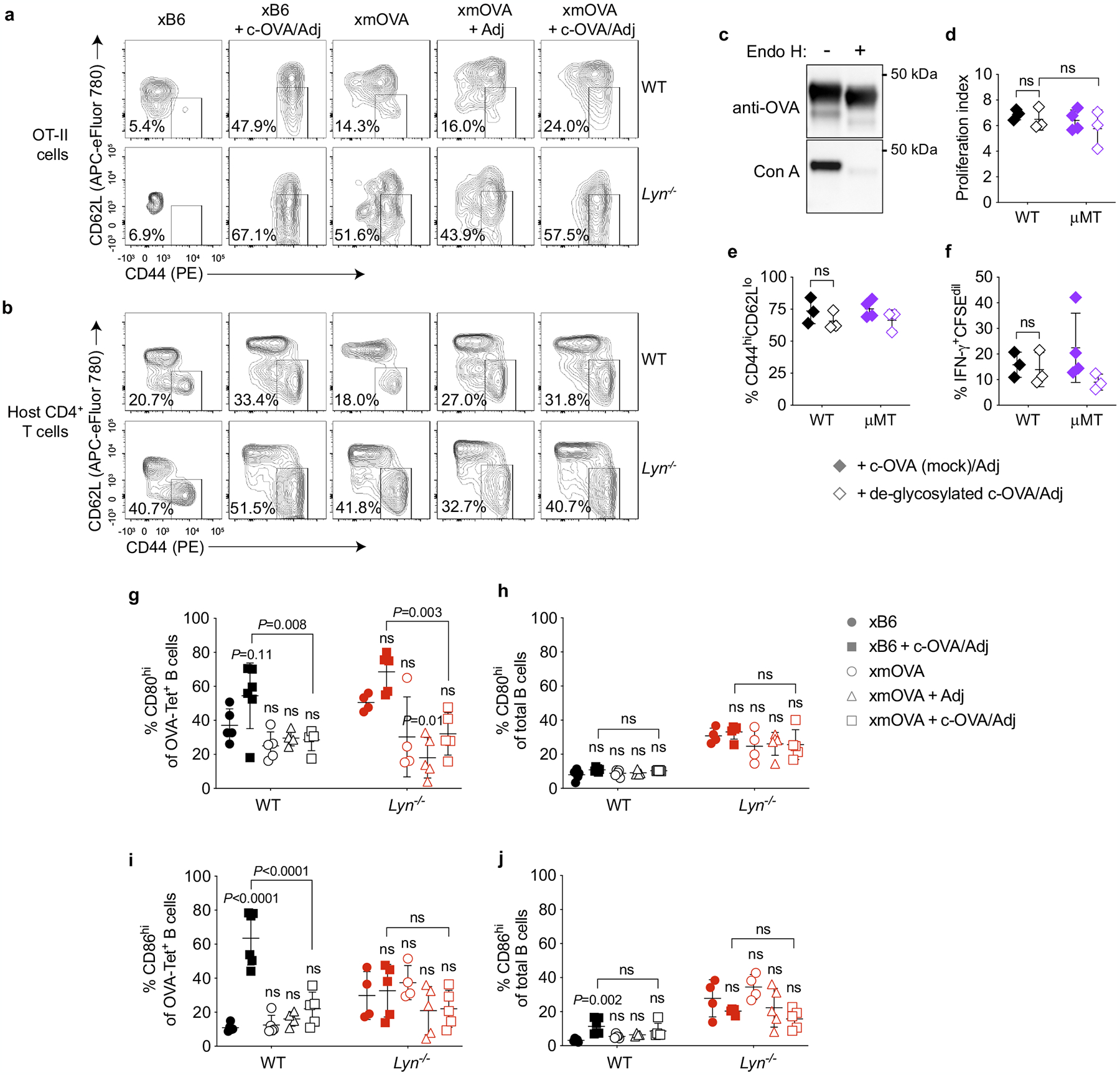
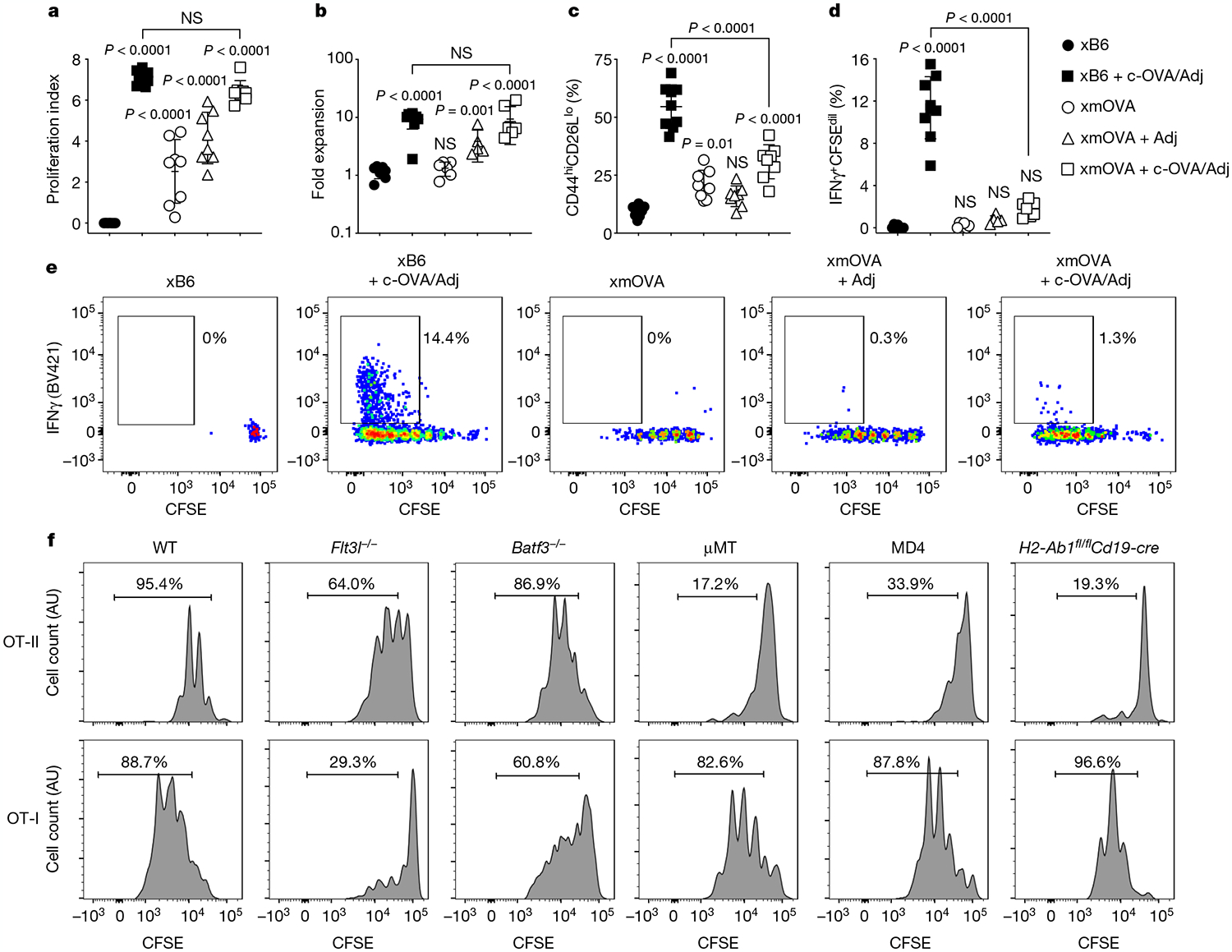
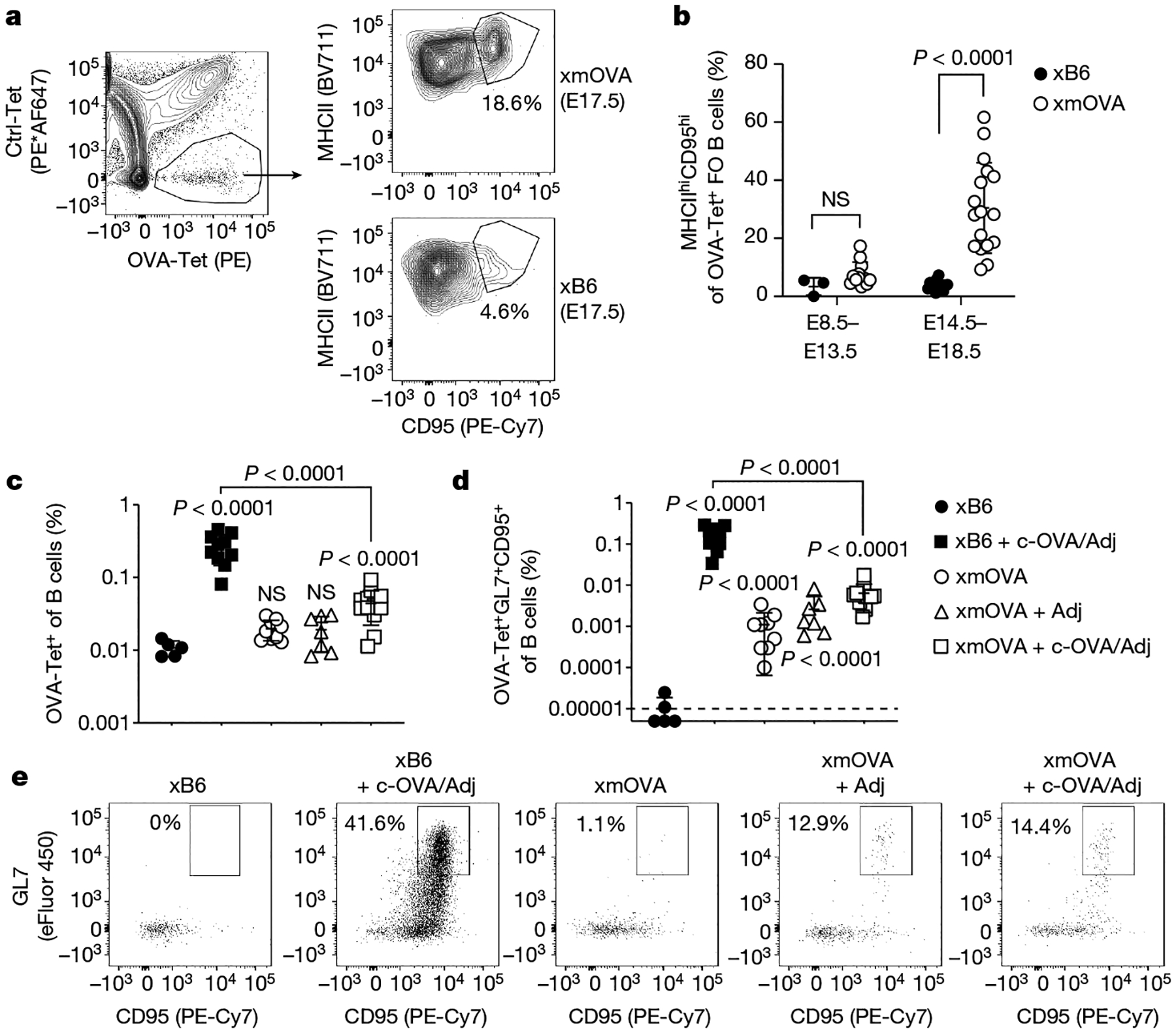
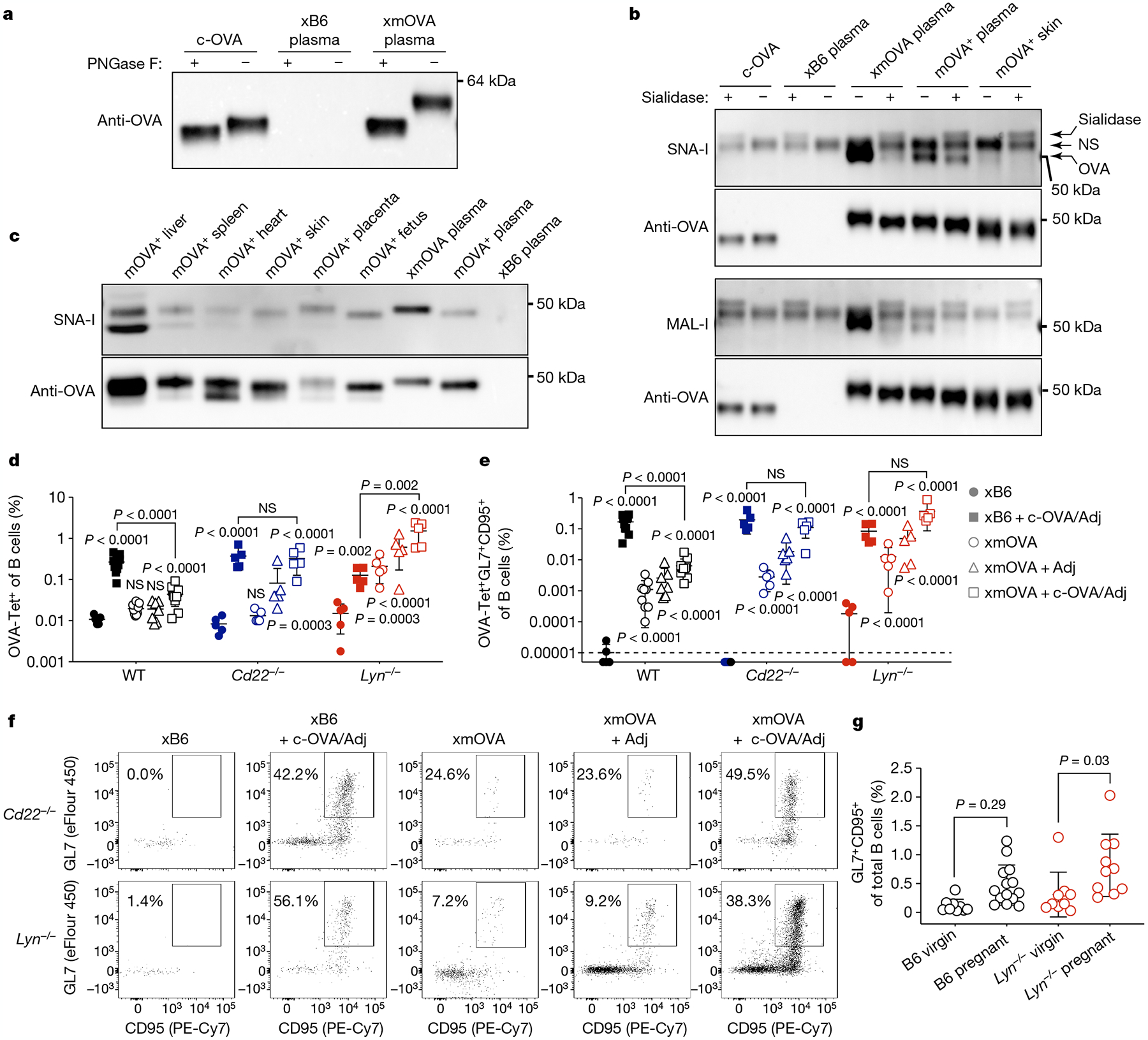
Discrimination of self from non-self is fundamental to a wide range of immunological processes. During pregnancy, the mother does not recognize the placenta as immunologically foreign because antigens expressed by trophoblasts, the placental cells that interface with the maternal immune system, do not activate maternal T cells. Currently, these activation defects are thought to reflect suppression by regulatory T cells. By contrast, mechanisms of B cell tolerance to trophoblast antigens have not been identified. Here we provide evidence that glycan-mediated B cell suppression has a key role in establishing fetomaternal tolerance in mice. B cells specific for a model trophoblast antigen are strongly suppressed through CD22-LYN inhibitory signalling, which in turn implicates the sialylated glycans of the antigen as key suppressive determinants. Moreover, B cells mediate the MHC-class-II-restricted presentation of antigens to CD4 T cells, which leads to T cell suppression, and trophoblast-derived sialoglycoproteins are released into the maternal circulation during pregnancy in mice and humans. How protein glycosylation promotes non-immunogenic placental self-recognition may have relevance to immune-mediated pregnancy complications and to tumour immune evasion. We also anticipate that our findings will bolster efforts to harness glycan biology to control antigen-specific immune responses in autoimmune disease.
区分自我与非自我是广泛的免疫过程的基础。在怀孕期间,母亲不会将胎盘识别为免疫异己,因为与母体免疫系统相互作用的胎盘细胞——滋养层细胞所表达的抗原不会激活母体T细胞。目前,这些激活缺陷被认为反映了调节性T细胞的抑制作用。相比之下,B细胞对滋养层抗原的耐受机制尚未明确。在此,我们提供证据表明,聚糖介导的B细胞抑制在建立小鼠母婴耐受中起关键作用。针对模型滋养层抗原的B细胞通过CD22-LYN抑制信号被强烈抑制,这反过来表明该抗原的唾液酸化聚糖是关键的抑制决定因素。此外,B细胞介导抗原向CD4 T细胞的MHC-II类限制性呈递,从而导致T细胞抑制,并且在小鼠和人类怀孕期间,滋养层来源的唾液糖蛋白会释放到母体循环中。蛋白质糖基化如何促进非免疫原性的胎盘自我识别可能与免疫介导的妊娠并发症以及肿瘤免疫逃逸有关。我们还预计,我们的发现将推动利用聚糖生物学来控制自身免疫性疾病中抗原特异性免疫反应的努力。