Shi Jinhui, Kurra Swamy, Danaher Michael, Bailey Frank, Sullivan Katherine H, Lavelle William
Orthopedics, The First Affiliated Hospital of Soochow University, Suzhou, CHN.
Orthopedic Surgery, State University of New York Upstate Medical University, Syracuse, USA.
Cureus. 2022 Jan 28;14(1):e21696. doi: 10.7759/cureus.21696. eCollection 2022 Jan.
Pelvic incidence (PI) has been described as a parameter that may be a risk factor for lumbar spondylolisthesis (SPL). Studies have reported PI measurement is more precise in CT scans. Very limited studies have measured PI using CT scans to evaluate SPL. We analyzed the reliability of CT scans to measure PI to evaluate SPL and compared it to patients without SPL.
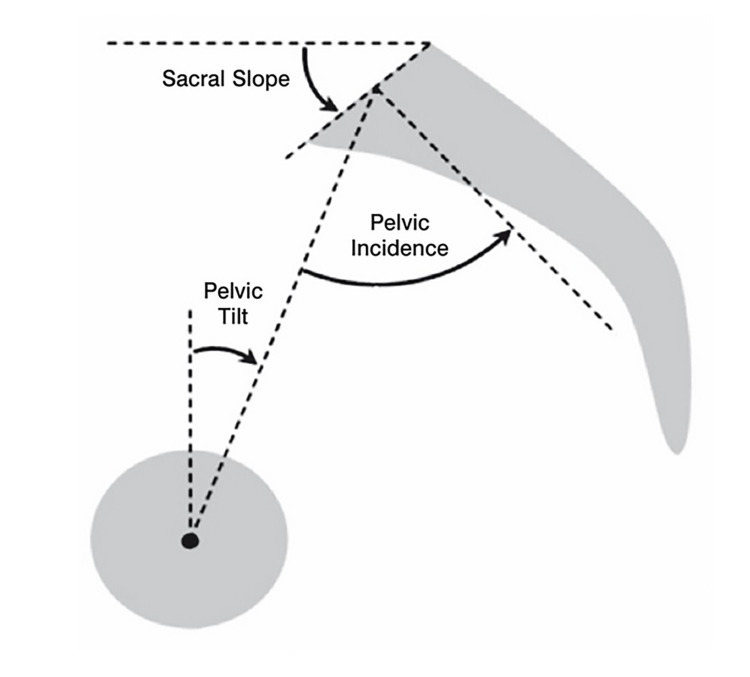
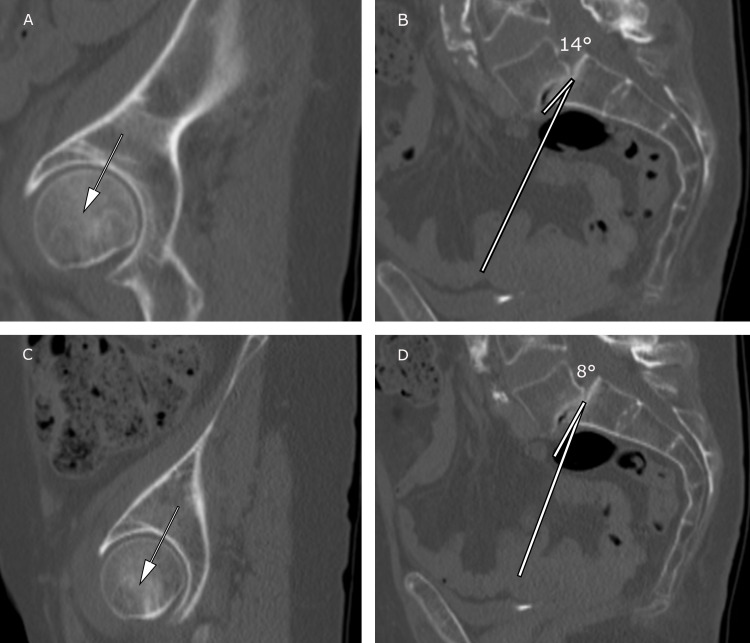
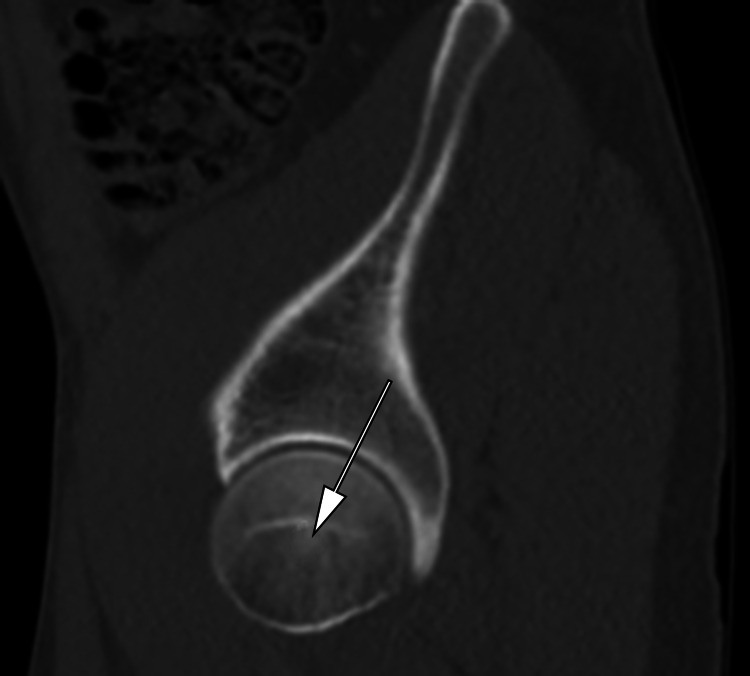
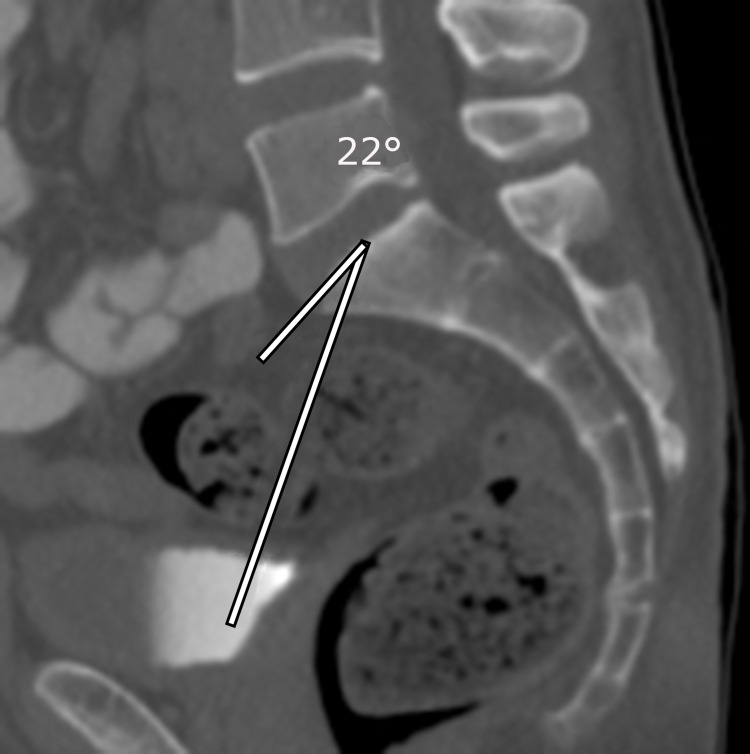
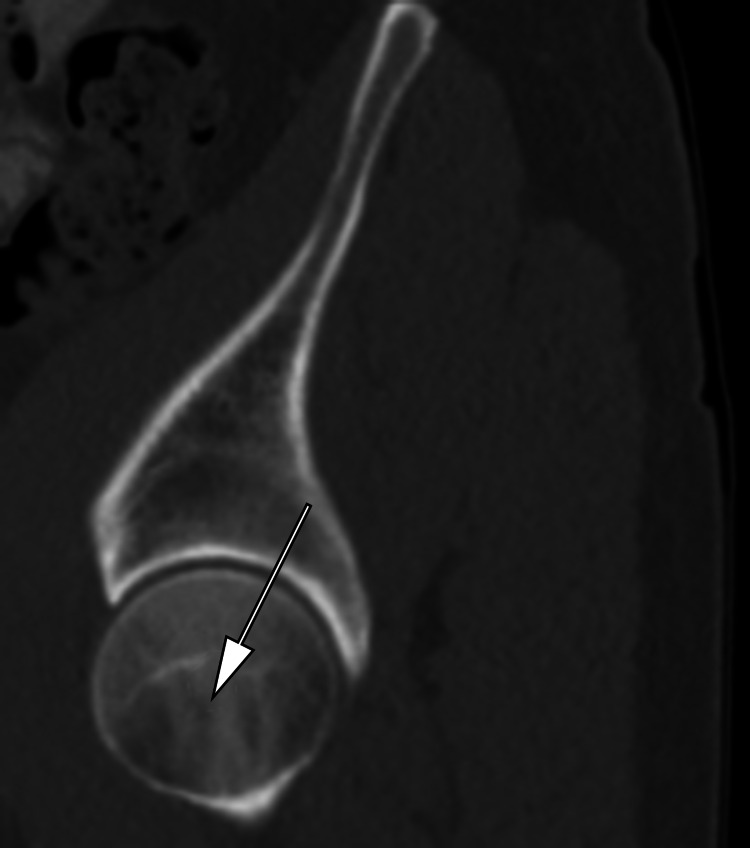
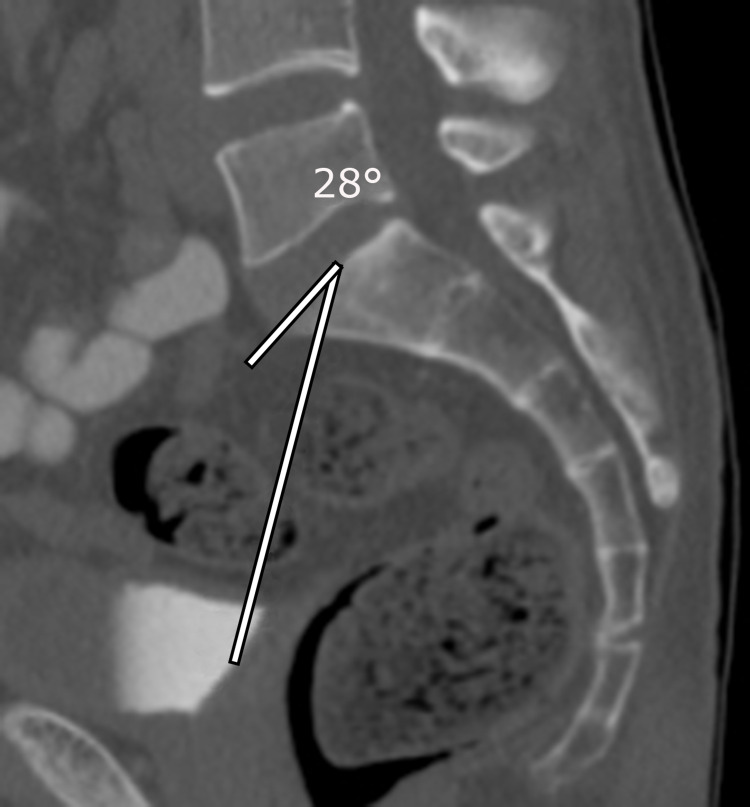
A retrospective, cross-sectional study of PI in a consecutive cohort of patients' pelvic/abdominal CT scans from an emergency room visit at a Level 1 trauma center between 2013 and 2016. Inclusion criteria was >18 years and had no lumbar or pelvis fracture. A total of 361 patients met the criteria for our study. We documented age, average PI, and SPL (type, grading, and location). Sagittal CT scans were used to measure PI (between hip axis to an orthogonal line originating at the center of superior end plate axis of first sacral vertebra). Patients were categorized: with SPL (n=45) and without SPL (n=316). Subgroups were comprised based on the location of SPL (L4/L5 and L5/S1) and type of SPL. Analysis of variance (ANOVA) and chi-square tests used; p≤0.05 considered statistically significant.
Patients with SPL were significantly older versus patients without SPL, p=0.006. There were no statistical differences in PI between patients with and without SPL (p=0.29); between subgroups of patients with SPL at L4/L5 and without SPL (p=0.52); between subgroups with type of SPL at L4/L5 and without SPL (p=0.47); and between SPL patients at L5/S1 and without SPL (p=0.40). Patients with isthmic SPL at L5/S1 had nearly significant higher PIs (p=0.06) compared to those without SPL or with degenerative SPL at L5/S1. There was a trend towards higher PI in Grade 2 SPL patients at L5/S1, p=0.18.
Patients with SPL were significantly older than patients without SPL. The two trends observed were that PI was higher in patients with isthmic SPL at L5/S1 and an increased PI with Grade 2 isthmic SPL at L5/S1. Our reported CT PI measurements correlated with reported PI measured using standard radiographs in patients with SPL. CT scans may be a reliable modality to evaluate adult SPL.
骨盆入射角(PI)被认为是腰椎滑脱(SPL)的一个潜在风险因素。研究表明,CT扫描测量PI更为精确。但使用CT扫描评估SPL的研究非常有限。我们分析了CT扫描测量PI以评估SPL的可靠性,并与无SPL的患者进行比较。
对2013年至2016年期间在一级创伤中心急诊室就诊的连续队列患者的骨盆/腹部CT扫描进行回顾性横断面研究,以评估PI。纳入标准为年龄>18岁且无腰椎或骨盆骨折。共有361例患者符合研究标准。我们记录了年龄、平均PI以及SPL(类型、分级和位置)。矢状面CT扫描用于测量PI(从髋关节轴到起始于第一骶椎上终板轴中心的正交线之间)。患者分为两组:有SPL组(n = 45)和无SPL组(n = 316)。亚组根据SPL的位置(L4/L5和L5/S1)和SPL类型组成。采用方差分析(ANOVA)和卡方检验;p≤0.05被认为具有统计学意义。
有SPL的患者比无SPL的患者年龄显著更大,p = 0.006。有SPL和无SPL的患者之间PI无统计学差异(p = 0.29);L4/L5有SPL和无SPL的患者亚组之间(p = 0.52);L4/L5不同类型SPL和无SPL的患者亚组之间(p = 0.47);以及L5/S1有SPL和无SPL的患者之间(p = 0.40)。与无SPL或L5/S1退行性SPL的患者相比,L5/S1峡部裂性SPL患者的PI几乎显著更高(p = 0.06)。L5/S1 2级SPL患者的PI有升高趋势,p = 0.18。
有SPL的患者比无SPL的患者年龄显著更大。观察到的两个趋势是,L5/S1峡部裂性SPL患者的PI更高,以及L5/S1 2级峡部裂性SPL患者的PI增加。我们报告的CT测量的PI与SPL患者使用标准X线片测量的PI相关。CT扫描可能是评估成人SPL的可靠方法。