Trippoli Sabrina, Di Spazio Lorenzo, Chiumente Marco, Messori Andrea
Health Technology Assessment Unit, Regione Toscana, Firenze, ITA.
Hospital Pharmacy Department, Santa Chiara Trento Hospital, Trento, ITA.
Cureus. 2022 Feb 27;14(2):e22645. doi: 10.7759/cureus.22645. eCollection 2022 Feb.
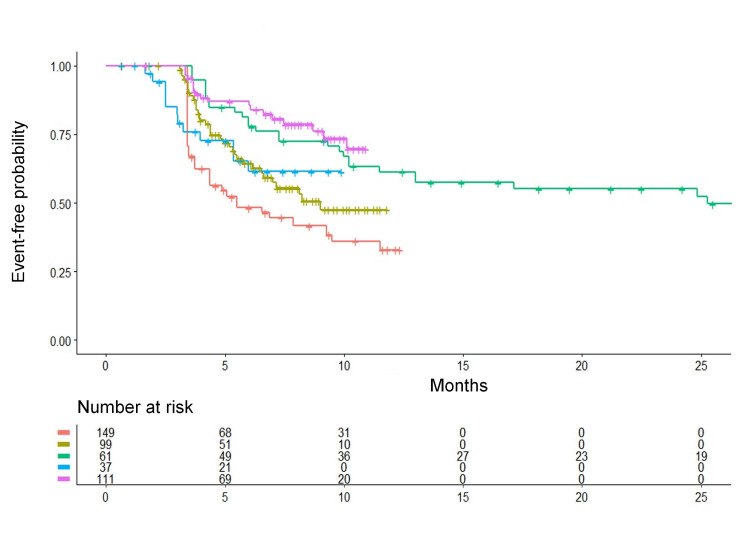
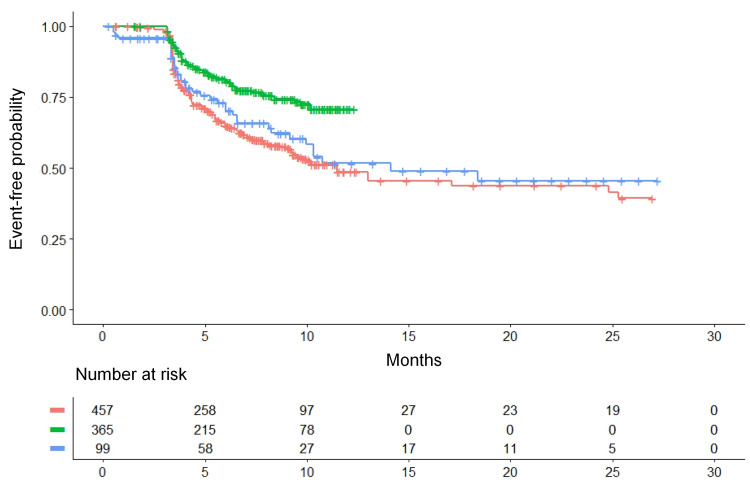
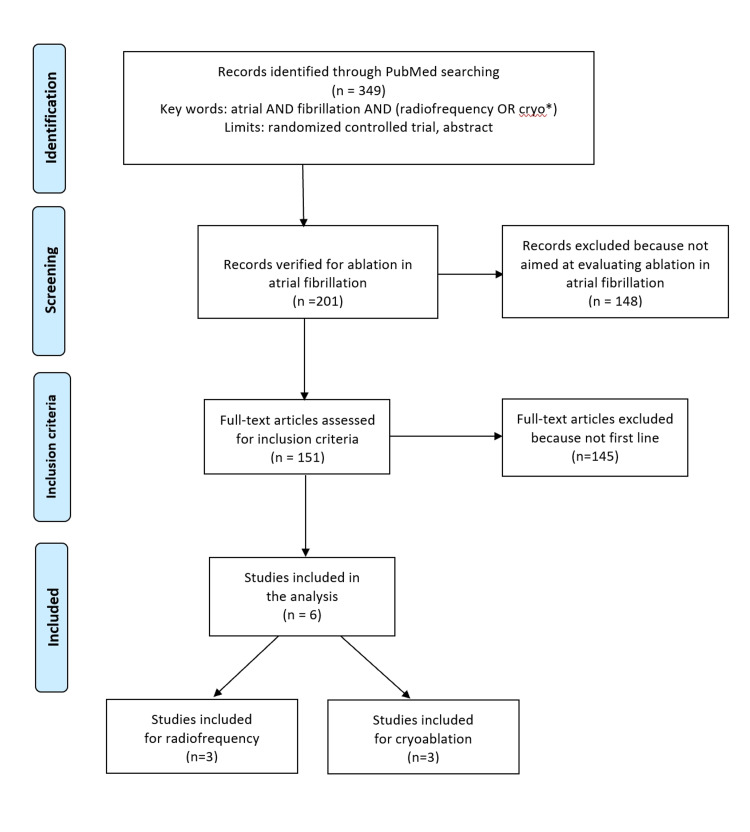
In patients with paroxysmal atrial fibrillation, cryoballoon ablation (CBA) and radiofrequency ablation (RFA) represent two therapeutic approaches supported by increasing literature. While both these ablation techniques play a role during different stages of the patient's therapeutic pathway, their use as first-line is being increasingly recognized. This scoping review comparatively examined the evidence of effectiveness for these two ablation techniques. Our analysis was limited to the evaluation of the end-point of time to recurrence of atrial fibrillation (or other forms of atrial arrhythmias), which was the primary end-point in most clinical trials. The method used for pooling the information from clinical trials (Shiny method) is original and based on an artificial intelligence (AI) method that reconstructs individual patient data from published Kaplan-Meier time-to-event curves. Because a network meta-analysis has been published on this same clinical material, one objective of the present work was to compare the meta-analytic results with those generated by the Shiny method. A standard literature search was conducted on PubMed/Medline. Only randomized studies comparing CBA versus medical therapy, RFA versus medical therapy, or CBA versus RFA in previously untreated patients were eligible. Trials presenting a Kaplan-Meier curve to present the above-mentioned end-point were included. Patient-level data were reconstructed by application of the Shiny method. These individual patient data were then analyzed by standard statistical testing based on hazard ratio (HR) for risk of recurrence and medians of time to recurrence. Our analysis compared the two ablation treatments and medical therapy. A total of five trials were identified through our literature search. Information from these trials was pooled according to the three treatments (CBA: three trials, n = 365; RFA: two trials, n = 99; medical therapy: five trials, n = 457). CBA showed higher effectiveness than medical therapy (HR, 0.51; 95% confidence interval (CI): 0.38 to 0.67). In comparison with medical therapy, RFA showed a numerical trend that remained far from statistical significance (HR, 0.89; 95% CI: 0.62 to 1.27). Medians for time to recurrence were 14.1 months (95% CI: 10.0 to not reached) for RFA and 11.5 months (95% CI: 9.3 to 25.3) for medical therapy. This parameter was not reached for CBA. The current evidence from five randomized trials suggests that CBA ranks first in effectiveness, followed by RFA and medical therapy. In our comparison between the results generated by the Shiny method with those published in the previous meta-analysis, the Shiny method confirmed its ability to account for the length of follow-up in individual trials, whereas the meta-analytic approach confirmed its ability to account for the effects of randomizations performed in the trials.
在阵发性心房颤动患者中,冷冻球囊消融术(CBA)和射频消融术(RFA)是两种得到越来越多文献支持的治疗方法。虽然这两种消融技术在患者治疗过程的不同阶段都发挥作用,但它们作为一线治疗方法的应用正日益得到认可。本范围综述比较研究了这两种消融技术有效性的证据。我们的分析仅限于评估心房颤动(或其他形式的房性心律失常)复发时间这一终点,这是大多数临床试验的主要终点。用于汇总临床试验信息的方法(Shiny方法)是原创的,基于一种人工智能(AI)方法,该方法从已发表的Kaplan-Meier事件发生时间曲线重建个体患者数据。由于已针对相同临床资料发表了一项网络荟萃分析,本研究的一个目的是将荟萃分析结果与Shiny方法生成的结果进行比较。在PubMed/Medline上进行了标准文献检索。只有比较CBA与药物治疗、RFA与药物治疗或CBA与RFA在既往未治疗患者中的随机研究符合条件。纳入呈现Kaplan-Meier曲线以展示上述终点的试验。通过应用Shiny方法重建患者水平的数据。然后基于复发风险的风险比(HR)和复发时间中位数,通过标准统计检验对这些个体患者数据进行分析。我们的分析比较了两种消融治疗与药物治疗。通过文献检索共确定了五项试验。根据三种治疗方法汇总这些试验的信息(CBA:三项试验,n = 365;RFA:两项试验,n = 99;药物治疗:五项试验,n = 457)。CBA显示出比药物治疗更高的有效性(HR,0.51;95%置信区间(CI):0.38至0.67)。与药物治疗相比,RFA显示出数值趋势,但仍远未达到统计学显著性(HR,0.89;95%CI:0.62至1.27)。RFA的复发时间中位数为14.1个月(95%CI:10.0至未达到),药物治疗为11.5个月(95%CI:9.3至25.3)。CBA未达到该参数。来自五项随机试验的当前证据表明,CBA在有效性方面排名第一,其次是RFA和药物治疗。在我们将Shiny方法生成的结果与先前荟萃分析中发表的结果进行比较时,Shiny方法证实了其考虑个体试验随访时间长度的能力,而荟萃分析方法证实了其考虑试验中随机化效应的能力。