
含槲寄生植物制剂治疗的癌症患者疲劳的系统评价和荟萃分析。
Cancer-related fatigue in patients treated with mistletoe extracts: a systematic review and meta-analysis.
机构信息
Institute of Integrative Medicine, Witten/Herdecke University, Witten, Germany.
Society for Cancer Research, Arlesheim, Switzerland.
出版信息
Support Care Cancer. 2022 Aug;30(8):6405-6418. doi: 10.1007/s00520-022-06921-x. Epub 2022 Mar 3.
PURPOSE
Cancer-related fatigue remains one of the most prevalent and distressing symptoms experienced by cancer patients. Effective treatments for cancer-related fatigue are needed. The objective of this meta-analysis is to determine the impact of mistletoe extracts as a pharmacological treatment for the management of cancer-related fatigue.
METHODS
We included randomized clinical trials (RCTs) and non-randomized studies of interventions (NRSIs) in cancer patients. Inclusion criteria were cancer-related fatigue severity or prevalence as an outcome and testing of mistletoe extracts compared to control groups. We searched Medline (EuropePMC), Embase, the Cochrane Central Register of Controlled Trials, Clinicaltrials.gov, and opengrey.org through October 2020. We assessed the risk of bias using the Cochrane risk of bias tools for RCTs and NRSIs and conducted a meta-analysis.
RESULTS
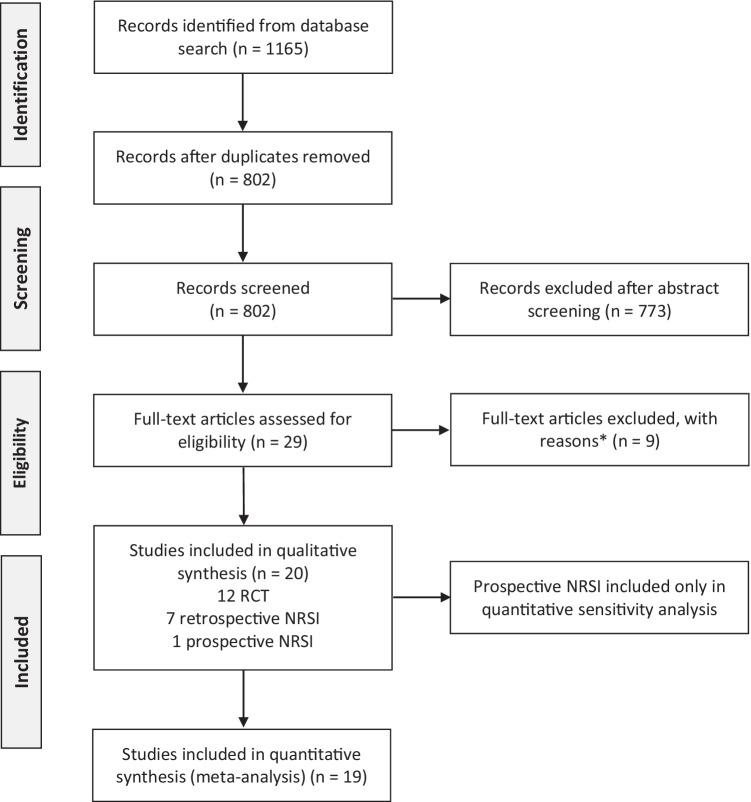
We performed one meta-analysis with 12 RCTs, including 1494 participants, and one meta-analysis with seven retrospective NRSIs, including 2668 participants. Heterogeneity between the studies was high in both meta-analyses. Most studies had a high risk of bias. A random-effects model showed for RCTs a standardized mean difference of -0.48 (95% confidence interval -0.82 to -0.14; p = 0.006) and for NRSIs an odds ratio of 0.36 (95% confidence interval 0.20 to 0.66; p = 0.0008).
CONCLUSION
Treatment with mistletoe extracts shows a moderate effect on cancer-related fatigue of similar size to physical activity. These results need to be confirmed by more placebo-controlled trials. Future trials should investigate different treatment durations and their effect on cancer-related fatigue in post-treatment cancer survivors.
TRIAL REGISTRATION
This meta-analysis has been registered under the PROSPERO registration number CRD42020191967 on October 7, 2020.
目的
癌症相关性疲劳仍然是癌症患者最常见和最令人痛苦的症状之一。需要有效的癌症相关性疲劳治疗方法。本荟萃分析的目的是确定槲寄生提取物作为治疗癌症相关性疲劳的药物治疗的影响。
方法
我们纳入了癌症患者的随机临床试验(RCT)和非随机干预研究(NRSI)。纳入标准为癌症相关性疲劳严重程度或流行率作为结局,并对槲寄生提取物与对照组进行测试。我们通过欧洲医学文献分析与检索系统(Medline)、Embase、考克兰对照试验中心注册库、Clinicaltrials.gov 和 opengrey.org 检索了截至 2020 年 10 月的文献。我们使用 Cochrane 偏倚风险工具评估 RCT 和 NRSI 的偏倚风险,并进行了荟萃分析。
结果
我们进行了一项荟萃分析,纳入了 12 项 RCT,共 1494 名参与者,和一项荟萃分析,纳入了 7 项回顾性 NRSI,共 2668 名参与者。两项荟萃分析中的研究之间存在高度异质性。大多数研究存在高偏倚风险。随机效应模型显示,RCT 中标准化均数差为-0.48(95%置信区间-0.82 至-0.14;p=0.006),NRSI 中比值比为 0.36(95%置信区间 0.20 至 0.66;p=0.0008)。
结论
槲寄生提取物治疗与身体活动对癌症相关性疲劳的影响相似,具有中等效应。这些结果需要更多安慰剂对照试验来证实。未来的试验应研究不同的治疗持续时间及其对治疗后癌症幸存者的癌症相关性疲劳的影响。
试验注册
本荟萃分析于 2020 年 10 月 7 日在 PROSPERO 注册编号 CRD42020191967 下注册。



 Zotero 插件