Department of Molecular Medicine, SMD, KNUST, Kumasi, Ghana.
Department of Obstetrics and Gynaecology, SMD/KATH, Kumasi, Ghana.
Sci Rep. 2022 Mar 4;12(1):3583. doi: 10.1038/s41598-022-07509-5.
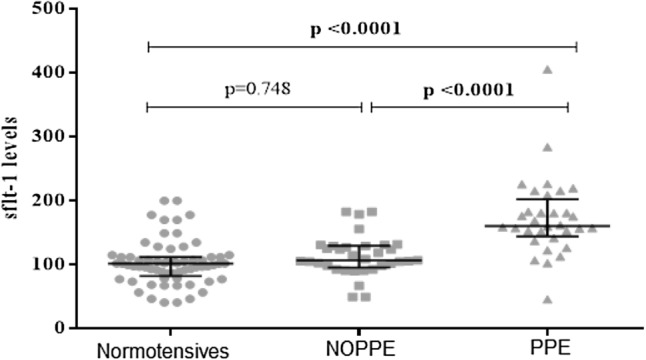
Preeclampsia (PE) can occur antepartum or postpartum. When it develops de novo after childbirth, it is termed new-onset postpartum PE (NOPPE). Often, antepartum PE disappears after childbirth; however, in some women it persists after childbirth. This form of PE is termed persistent PE (PPE). Thus, there are two forms of postpartum PE: NOPPE and PPE. The pathogenesis and pathophysiology of these diseases have not been fully characterized, and whether NOPPE and PPE are different or similar pathological conditions remains unexplored. Thus, we aimed to compare the haematological and biochemical characteristics of NOPPE and PPE, predict the occurrence of new-onset PE and identify lifestyles that predispose women to postpartum PE. A total of 130 women comprising 65 normotensive postpartum women, 33 NOPPE and 32 PPE women were recruited for this hospital-based case-control study. The socio-demographic and lifestyle characteristics of the participants were obtained through well-structured questionnaires. Haematological and biochemical indices were measured using automated analysers and ELISA. The prevalence of postpartum PE was 11.9%. Dyslipidaemia (p = < 0.0001), hypomagnesaemia (p = < 0.001), elevated serum levels of ALT, AST (p = < 0.0001), sVCAM-1 (p = < 0.0001) and sFlt-1 (p = < 0.0001) were more prevalent and severe in the PPE than in the NOPPE. Sedentary lifestyle was common among both groups of hypertensive women. Elevated ALT and AST were significant predictors of NOPPE. These findings indicate that preeclampsia exists after childbirth in a high percentage of women. NOPPE and PPE are different pathological conditions that require different clinical management. Combined glucose, lipid and liver assessment could be useful in predicting postpartum PE.
子痫前期 (PE) 可发生在产前或产后。当它在产后新出现时,称为新发性产后 PE (NOPPE)。通常,产前 PE 在分娩后消失;然而,在一些女性中,它在分娩后仍持续存在。这种形式的 PE 称为持续性 PE (PPE)。因此,产后 PE 有两种形式:NOPPE 和 PPE。这些疾病的发病机制和病理生理学尚未完全阐明,NOPPE 和 PPE 是否是不同或相似的病理状况仍未得到探索。因此,我们旨在比较 NOPPE 和 PPE 的血液学和生化特征,预测新发性 PE 的发生,并确定使女性易患产后 PE 的生活方式。这项基于医院的病例对照研究共纳入了 130 名女性,其中 65 名血压正常的产后女性、33 名 NOPPE 和 32 名 PPE 女性。通过精心设计的问卷获得参与者的社会人口统计学和生活方式特征。使用自动分析仪和 ELISA 测量血液学和生化指标。产后 PE 的患病率为 11.9%。血脂异常(p = < 0.0001)、低镁血症(p = < 0.001)、血清 ALT、AST 水平升高(p = < 0.0001)、sVCAM-1(p = < 0.0001)和 sFlt-1(p = < 0.0001)在 PPE 中更为常见且更严重。两组高血压女性中久坐的生活方式都很常见。升高的 ALT 和 AST 是 NOPPE 的显著预测因子。这些发现表明,产后有很大比例的女性患有子痫前期。NOPPE 和 PPE 是不同的病理状况,需要不同的临床管理。联合评估血糖、血脂和肝功能可能有助于预测产后 PE。