Susianti Hani, Hanggara Dian Sukma, Lestari Kristina Dyah, Purnamasari Putri, Aprilia Andrea
Clinical Pathology Department of Faculty Medicine Universitas Brawijaya/Dr, Saiful Anwar General Hospital, Malang, Indonesia.
Department of Faculty Medicine Universitas Brawijaya/Dr, Saiful Anwar General Hospital, Malang, Indonesia.
Comp Clin Path. 2022;31(2):313-316. doi: 10.1007/s00580-022-03334-4. Epub 2022 Feb 28.
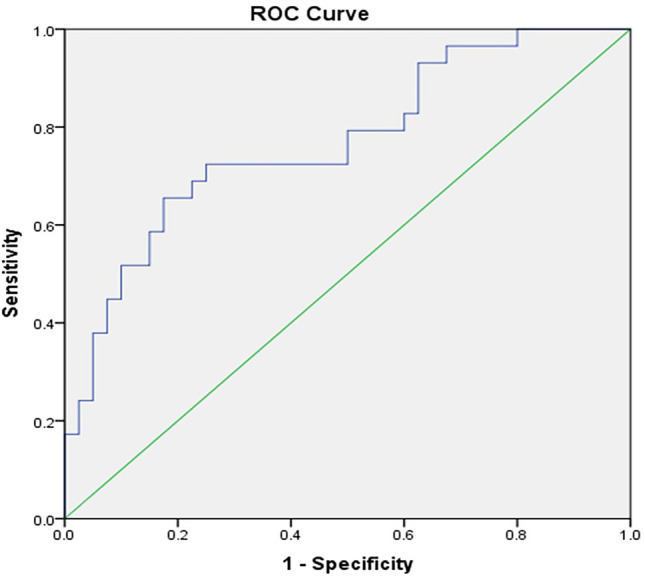
Lupus is an autoimmune disease that has various manifestations in various organs. One of the manifestations of lupus is lupus nephritis (LN), which often causes kidney failure and death. Cytokines play an essential role in the pathogenesis of LN and might be helpful for LN biomarkers. This study aimed to evaluate urine TNF-like weak inducer of apoptosis (TWEAK) for detecting LN since this is not an invasive procedure and is more cost-effective. The gold standard procedure for diagnosing LN needs a biopsy of the kidney. However, the procedure is invasive, high cost, and takes time. Thus, a biomarker from urine is needed for early diagnosis of LN. This research conducted was cross-sectional. The total participants were 57, consisting of 29 lupus nephritis and 28 lupus without nephritis. TWEAK levels were determined by ELISA method; urine protein, urine erythrocyte, and leukocyte were examined by a urine autoanalyzer. Statistical analysis using Mann-Whitney, Spearman correlation, Kruskal-Wallis, ROC curve analysis, and a 2 × 2 contingency table. This study showed a significant difference in TWEAK levels between lupus nephritis and lupus without nephritis ( < 0.05), but no significant difference between TWEAK level and renal domain scores of SLEDAI. There were significant correlations between TWEAK level and urine erythrocyte and urine protein, but there was no significant correlation with urine leukocytes. The sensitivity and specificity of TWEAK for determining LN were 72.4% and 72.5%, respectively, with AUC 0.77. TWEAK had a good diagnostic test for detecting lupus nephritis and substantially correlated with urine erythrocyte and urine protein.
狼疮是一种自身免疫性疾病,在各个器官有多种表现。狼疮的表现之一是狼疮性肾炎(LN),它常导致肾衰竭和死亡。细胞因子在LN的发病机制中起重要作用,可能有助于作为LN的生物标志物。本研究旨在评估尿肿瘤坏死因子样凋亡微弱诱导剂(TWEAK)用于检测LN,因为这是一种非侵入性操作且成本效益更高。诊断LN的金标准程序需要进行肾脏活检。然而,该程序具有侵入性、成本高且耗时。因此,需要一种来自尿液的生物标志物用于LN的早期诊断。本研究为横断面研究。总参与者有57人,其中29例为狼疮性肾炎,28例为无肾炎的狼疮患者。通过酶联免疫吸附测定法测定TWEAK水平;使用尿液自动分析仪检测尿蛋白、尿红细胞和白细胞。采用曼-惠特尼检验、斯皮尔曼相关性分析、克鲁斯卡尔-沃利斯检验、ROC曲线分析以及2×2列联表进行统计分析。本研究表明,狼疮性肾炎和无肾炎的狼疮患者之间TWEAK水平存在显著差异(<0.05),但TWEAK水平与SLEDAI的肾脏领域评分之间无显著差异。TWEAK水平与尿红细胞和尿蛋白之间存在显著相关性,但与尿白细胞无显著相关性。TWEAK用于确定LN的敏感性和特异性分别为72.4%和72.5%,曲线下面积为0.77。TWEAK对检测狼疮性肾炎具有良好的诊断测试能力,且与尿红细胞和尿蛋白密切相关。