Soussi Thierry, Baliakas Panagiotis
Department of Immunology, Genetics and Pathology, Uppsala University, Uppsala, Sweden.
Sorbonne Université, UPMC Univ Paris 06, Paris, France.
Front Oncol. 2022 Feb 16;12:808886. doi: 10.3389/fonc.2022.808886. eCollection 2022.
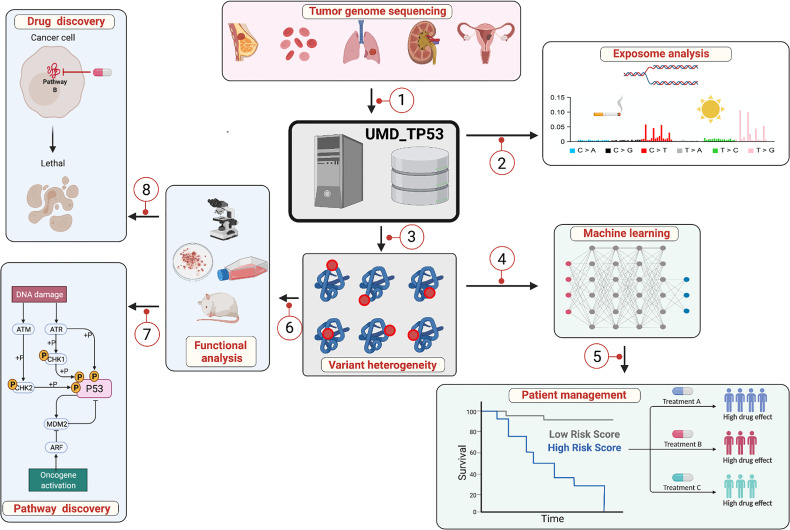
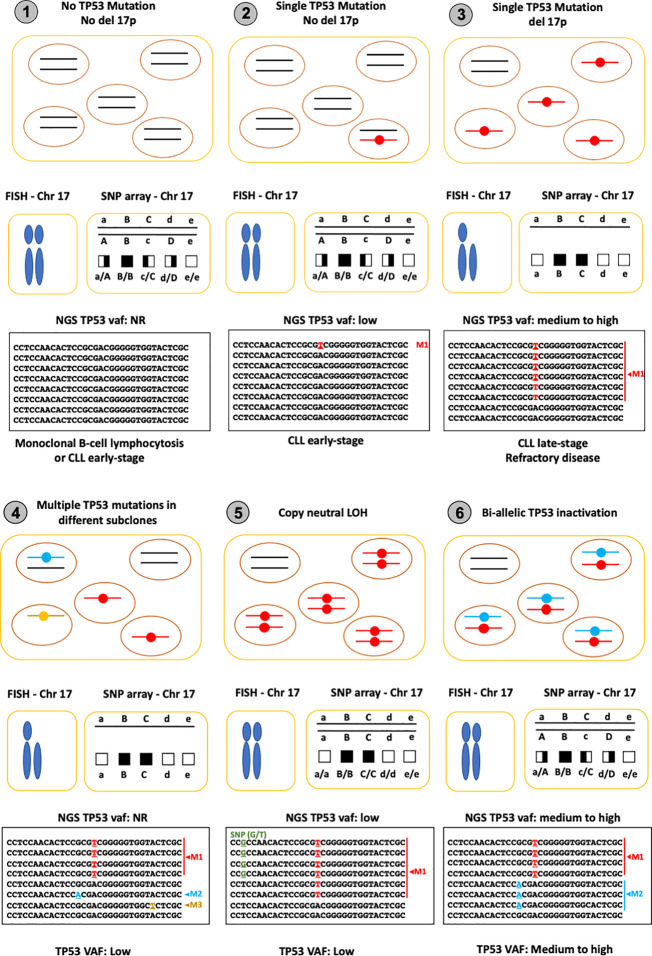
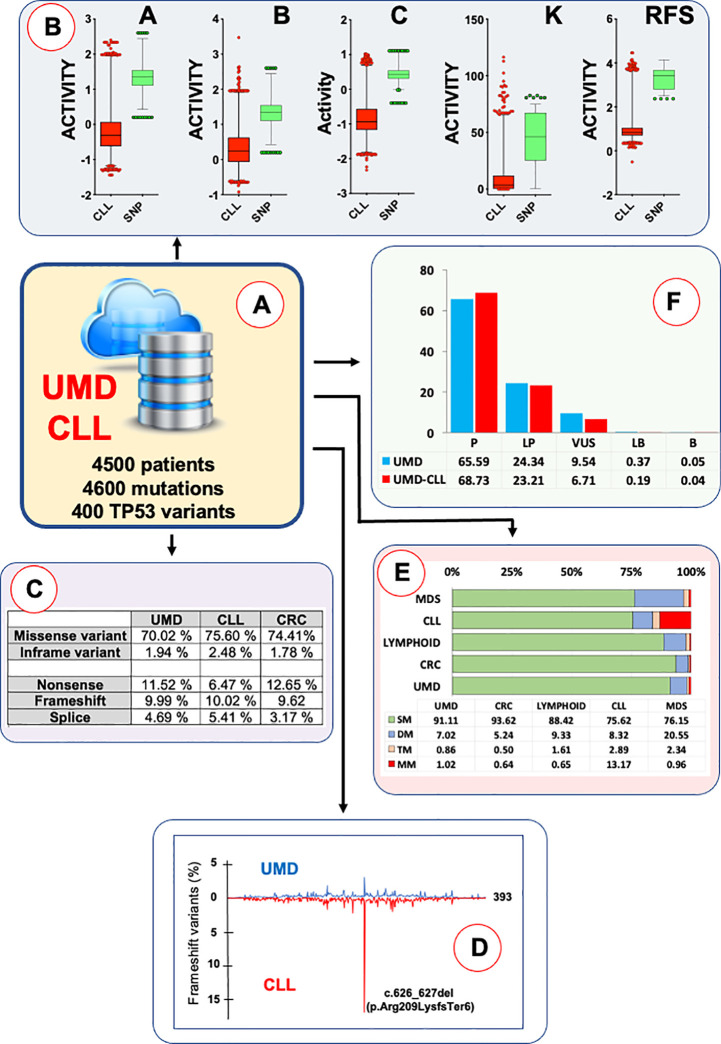
Locus-specific databases are invaluable tools for both basic and clinical research. The extensive information they contain is gathered from the literature and manually curated by experts. Cancer genome sequencing projects generate an immense amount of data, which are stored directly in large repositories (cancer genome databases). The presence of a defect (17p deletion and/or mutations) is an independent prognostic factor in chronic lymphocytic leukemia (CLL) and status analysis has been adopted in routine clinical practice. For that reason, mutation databases have become essential for the validation of the plethora of variants detected in tumor samples. profiles in CLL are characterized by a great number of subclonal mutations with low variant allelic frequencies and the presence of multiple minor subclones harboring different mutations. In this review, we describe the various characteristics of the multiple levels of heterogeneity of variants in CLL through the analysis of mutation databases and the utility of their diagnosis in the clinic.
基因座特异性数据库对于基础研究和临床研究而言都是非常宝贵的工具。它们所包含的大量信息是从文献中收集并由专家人工整理的。癌症基因组测序项目产生了海量数据,这些数据直接存储在大型数据库(癌症基因组数据库)中。缺陷(17p缺失和/或突变)的存在是慢性淋巴细胞白血病(CLL)的一个独立预后因素,并且该状态分析已被应用于常规临床实践中。因此,突变数据库对于验证在肿瘤样本中检测到的大量变异至关重要。CLL中的突变谱具有大量低变异等位基因频率的亚克隆突变以及存在多个携带不同突变的小亚克隆的特征。在这篇综述中,我们通过分析突变数据库描述了CLL中变异多水平异质性的各种特征及其在临床诊断中的效用。