School of Medicine and Health, Department of Cardiovascular Surgery, Institute Insure, Technical University of Munich, German Heart Center Munich, Lazarettstrasse 36, 80636, Munich, Germany.
Institute of Experimental Genetics, Helmholtz Zentrum München, German Research Center for Environmental Health, Neuherberg, Germany.
Basic Res Cardiol. 2022 Mar 8;117(1):11. doi: 10.1007/s00395-022-00913-y.
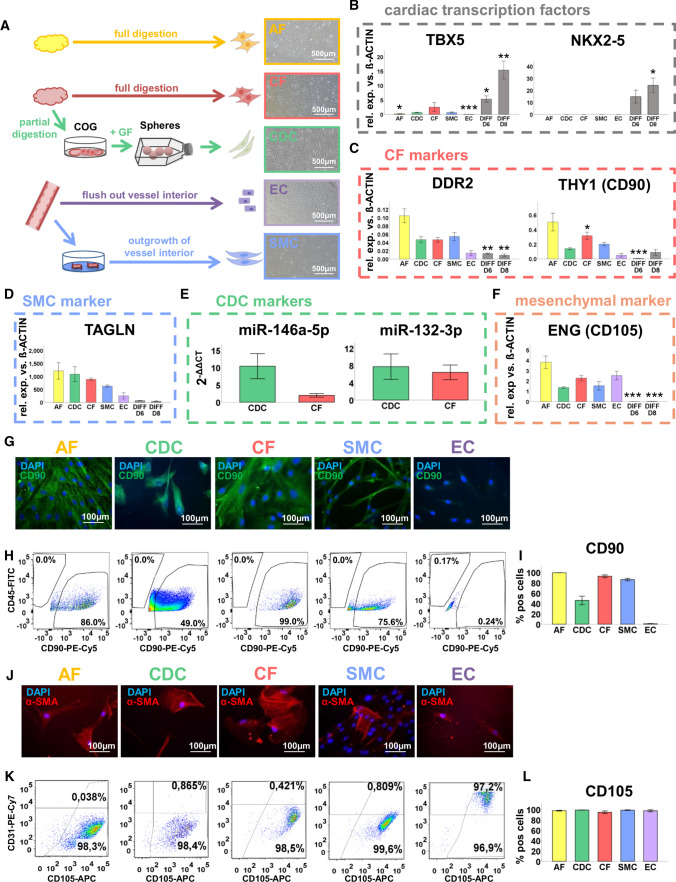
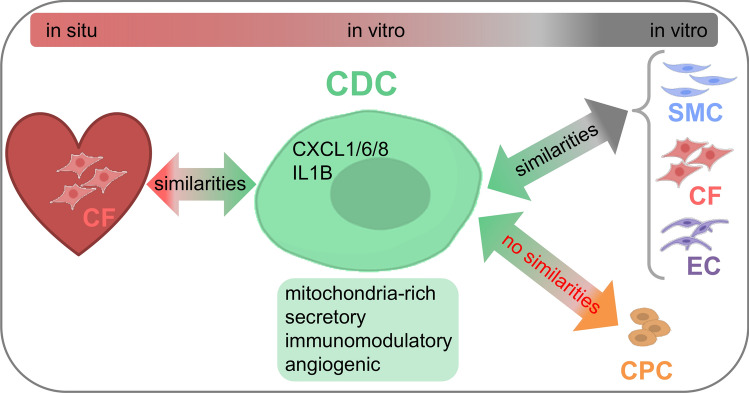
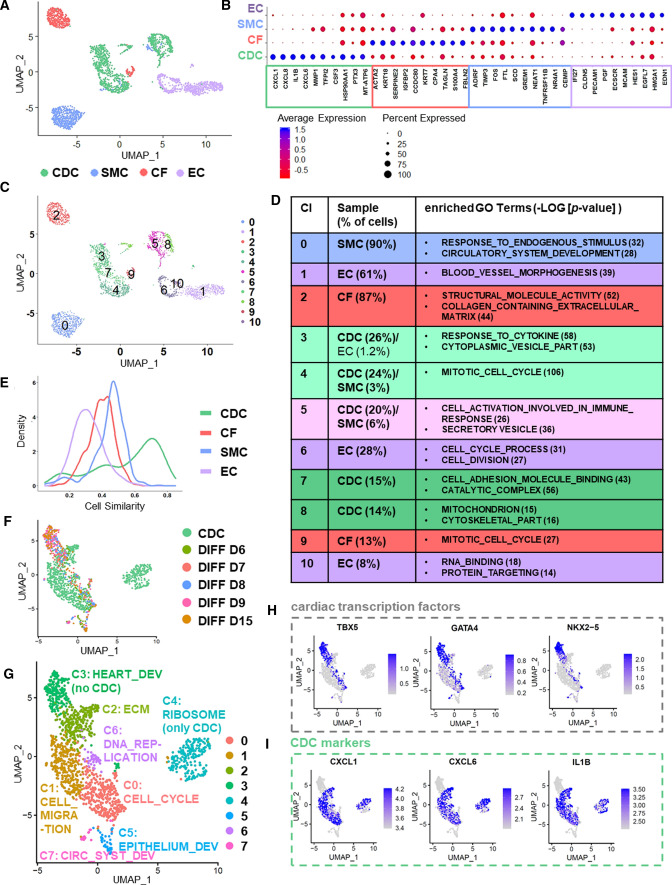
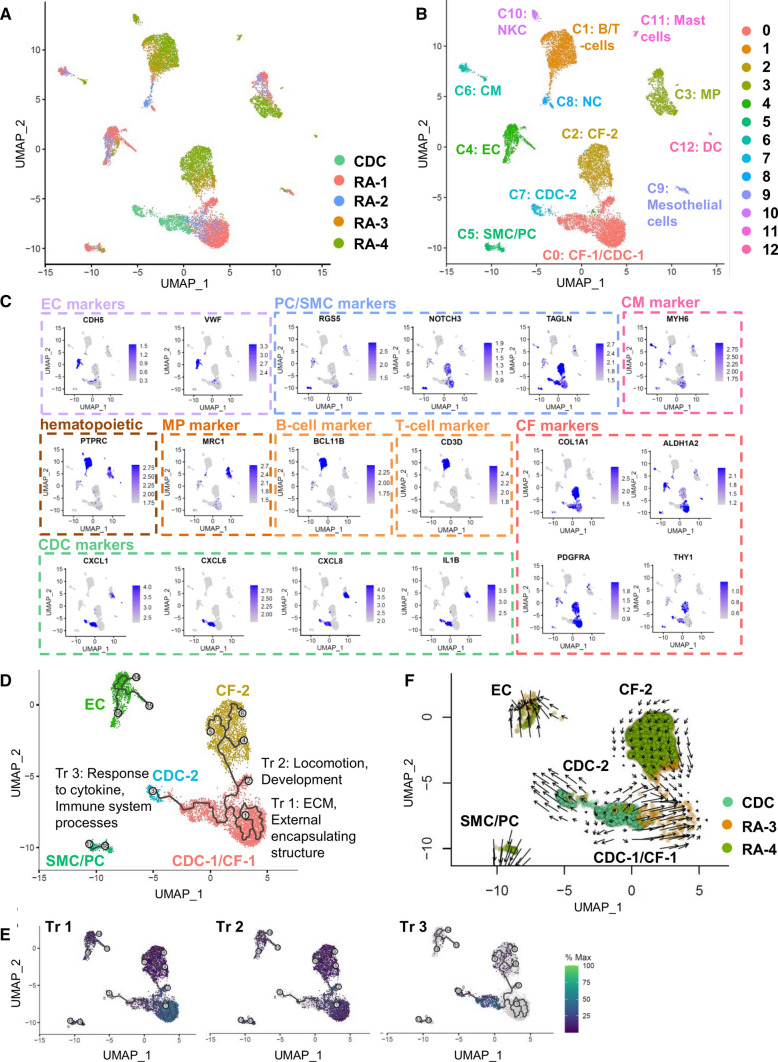
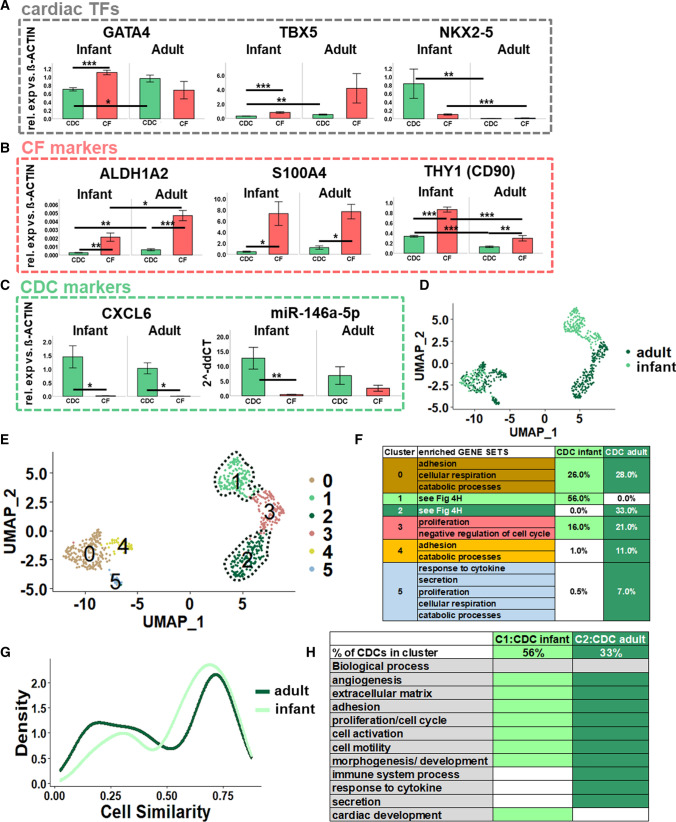
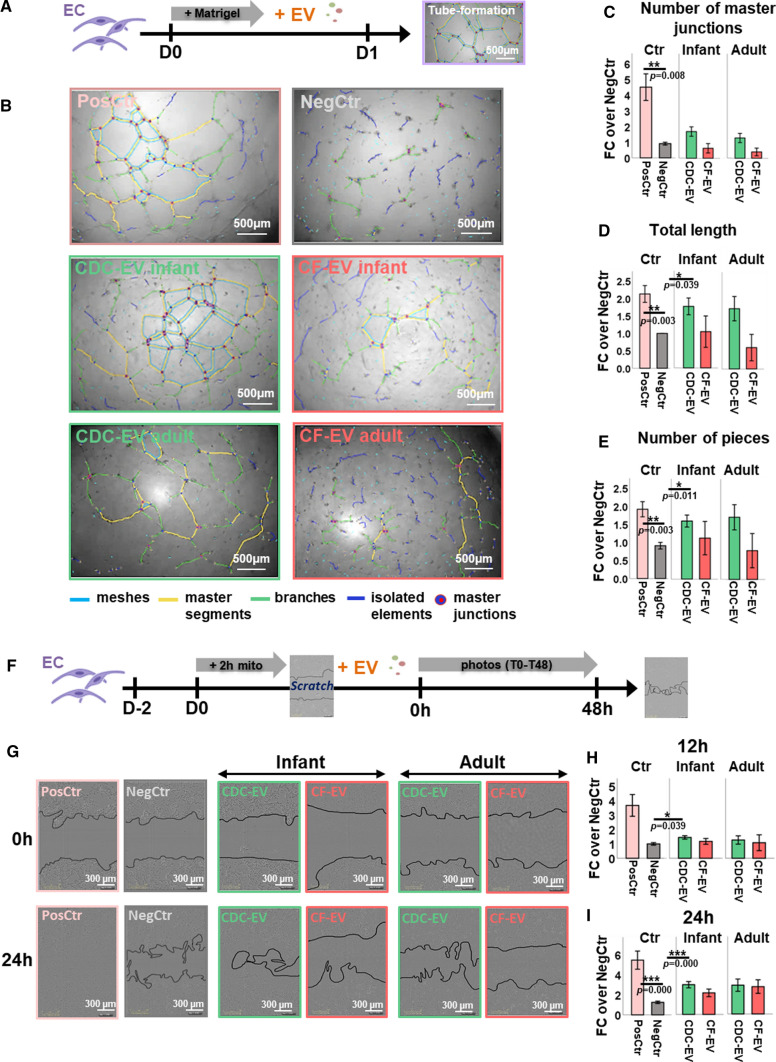
Cardiosphere-derived cells (CDCs) generated from human cardiac biopsies have been shown to have disease-modifying bioactivity in clinical trials. Paradoxically, CDCs' cellular origin in the heart remains elusive. We studied the molecular identity of CDCs using single-cell RNA sequencing (sc-RNAseq) in comparison to cardiac non-myocyte and non-hematopoietic cells (cardiac fibroblasts/CFs, smooth muscle cells/SMCs and endothelial cells/ECs). We identified CDCs as a distinct and mitochondria-rich cell type that shared biological similarities with non-myocyte cells but not with cardiac progenitor cells derived from human-induced pluripotent stem cells. CXCL6 emerged as a new specific marker for CDCs. By analysis of sc-RNAseq data from human right atrial biopsies in comparison with CDCs we uncovered transcriptomic similarities between CDCs and CFs. By direct comparison of infant and adult CDC sc-RNAseq data, infant CDCs revealed GO-terms associated with cardiac development. To analyze the beneficial effects of CDCs (pro-angiogenic, anti-fibrotic, anti-apoptotic), we performed functional in vitro assays with CDC-derived extracellular vesicles (EVs). CDC EVs augmented in vitro angiogenesis and did not stimulate scarring. They also reduced the expression of pro-apoptotic Bax in NRCMs. In conclusion, CDCs were disclosed as mitochondria-rich cells with unique properties but also with similarities to right atrial CFs. CDCs displayed highly proliferative, secretory and immunomodulatory properties, characteristics that can also be found in activated or inflammatory cell types. By special culture conditions, CDCs earn some bioactivities, including angiogenic potential, which might modify disease in certain disorders.
从人类心脏活检中产生的心肌球源性细胞 (CDCs) 在临床试验中已显示出具有疾病修饰的生物活性。矛盾的是,CDCs 在心脏中的细胞起源仍然难以捉摸。我们使用单细胞 RNA 测序 (sc-RNAseq) 对 CDCs 的分子特征进行了研究,并与心脏非心肌细胞和非造血细胞(心脏成纤维细胞/CFs、平滑肌细胞/SMCs 和内皮细胞/ECs)进行了比较。我们发现 CDCs 是一种独特的、富含线粒体的细胞类型,与非心肌细胞具有生物学相似性,但与源自人诱导多能干细胞的心脏祖细胞不同。CXCL6 成为 CDCs 的一个新的特异性标记物。通过对人类右心房活检的 sc-RNAseq 数据与 CDCs 的分析,我们发现 CDCs 与 CFs 之间存在转录组相似性。通过对婴儿和成人 CDC sc-RNAseq 数据的直接比较,婴儿 CDCs 揭示了与心脏发育相关的 GO 术语。为了分析 CDCs(促血管生成、抗纤维化、抗细胞凋亡)的有益作用,我们用 CDC 衍生的细胞外囊泡 (EVs) 进行了功能体外测定。CDC EVs 增强了体外血管生成,并且不会刺激瘢痕形成。它们还降低了 NRCMs 中促凋亡 Bax 的表达。总之,CDCs 被揭示为具有独特特性的富含线粒体的细胞,但也与右心房 CFs 具有相似性。CDCs 表现出高度增殖、分泌和免疫调节特性,这些特性也存在于激活或炎症细胞类型中。通过特殊的培养条件,CDCs 获得了一些生物活性,包括血管生成潜力,这可能在某些疾病中改变疾病。