Lohmeyer Quentin, Schiess Cornel, Wendel Garcia Pedro David, Petry Heidi, Strauch Eric, Dietsche Andreas, Schuepbach Reto A, Buehler Philipp K, Hofmaenner Daniel A
Department of Mechanical and Process Engineering, ETH Zurich, Zurich, Switzerland.
Department of Nursing and Allied Health Care Professions, University Hospital Zurich, Zurich, Switzerland.
BMJ Qual Saf. 2023 Jan;32(1):26-33. doi: 10.1136/bmjqs-2021-014438. Epub 2022 Mar 8.
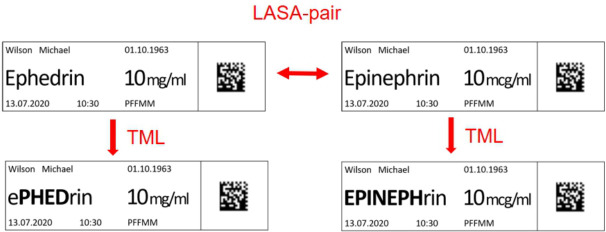
Patients in intensive care units are prone to the occurrence of medication errors. Look-alike, sound-alike drugs with similar drug names can lead to medication errors and therefore endanger patient safety. Capitalisation of distinct text parts in drug names might facilitate differentiation of medication labels. The aim of this study was to test whether the use of such 'tall man' lettering (TML) reduces the error rate and to examine effects on the visual attention of critical care nurses while identifying syringe labels.
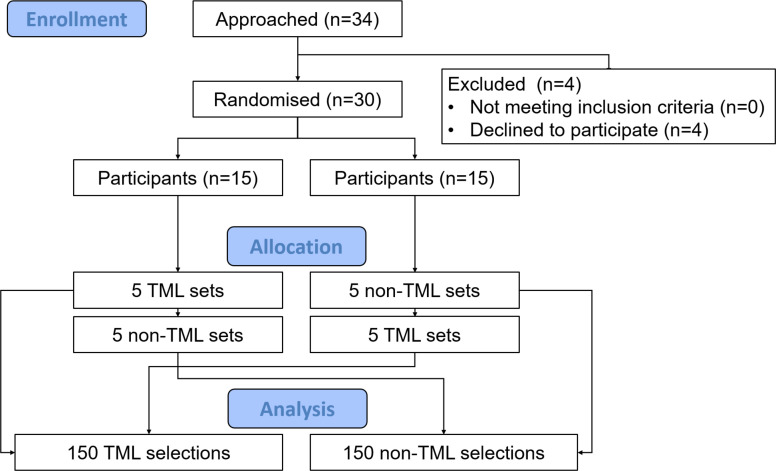
This was a prospective, randomised in situ simulation conducted at the University Hospital Zurich, Zurich, Switzerland. Under observation by eye tracking, 30 nurses were given 10 successive tasks involving the presentation of a drug name and its selection from a dedicated set of 10 labelled syringes that included look-alike and sound-alike drug names, half of which had TML-coded labels.Error rate as well as dwell time, fixation count, fixation duration and revisits were analysed using a linear mixed-effects model analysis to compare TML-coded with non-TML-coded labels.
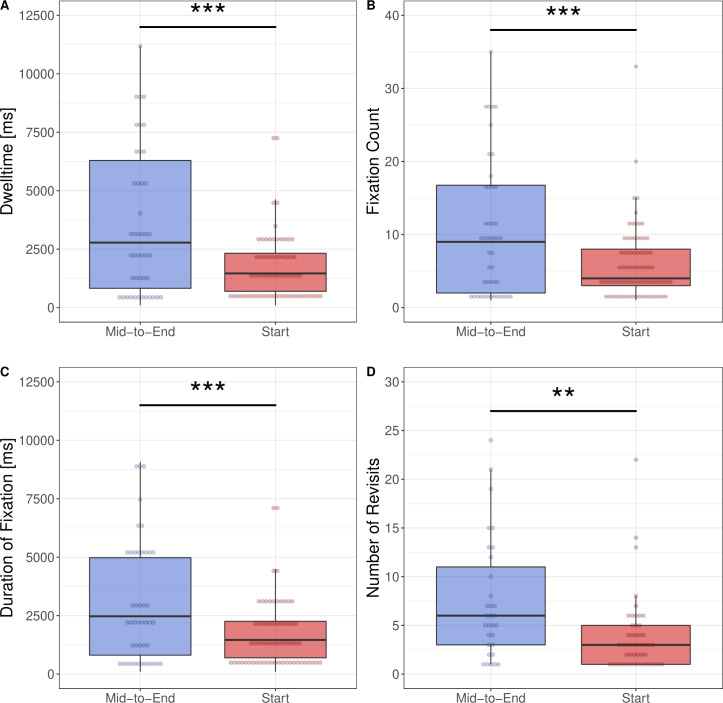
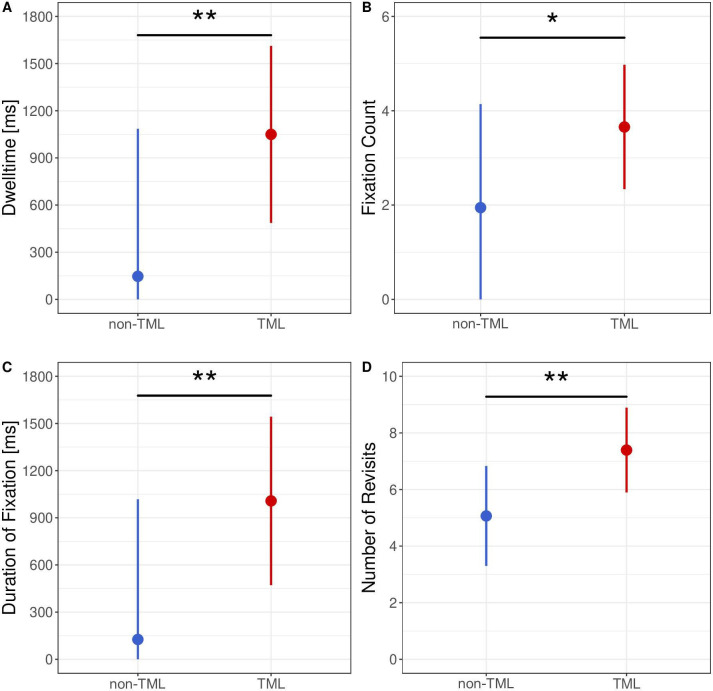
TML coding of syringe labels led to a significant decrease in the error rate (from 5.3% (8 of 150 in non-TML-coded sets) to 0.7% (1 of 150 in TML-coded sets), p<0.05). Eye tracking further showed that TML affects visual attention, resulting in longer dwell time (p<0.01), more and longer fixations (p<0.05 and p<0.01, respectively) on the drug name as well as more frequent revisits (p<0.01) compared with non-TML-coded labels. Detailed analysis revealed that these effects were stronger for labels using TML in the mid-to-end position of the drug name.
TML in drug names changes visual attention while identifying syringe labels and supports critical care nurses in preventing medication errors.
重症监护病房的患者容易发生用药错误。名称相似的药品,其外观和发音相似,可能导致用药错误,从而危及患者安全。药品名称中不同文本部分的大写可能有助于区分药品标签。本研究的目的是测试使用这种“大写字母”标注(TML)是否能降低错误率,并在识别注射器标签时检查对重症监护护士视觉注意力的影响。
这是一项在瑞士苏黎世大学医院进行的前瞻性、随机现场模拟研究。在眼动追踪观察下,30名护士连续完成10项任务,任务内容包括呈现一个药品名称,并从一组专门的10个贴有标签的注射器中选择该药品,这组注射器中包括外观和发音相似的药品名称,其中一半的标签采用了TML编码。使用线性混合效应模型分析错误率以及注视时间、注视次数、注视持续时间和回看次数,以比较TML编码标签和非TML编码标签。
注射器标签的TML编码导致错误率显著降低(从5.3%(非TML编码组中150次有8次错误)降至0.7%(TML编码组中150次有1次错误),p<0.05)。眼动追踪进一步显示,与非TML编码标签相比,TML会影响视觉注意力,导致对药品名称的注视时间更长(p<0.01)、注视次数更多且持续时间更长(分别为p<0.05和p<0.01)以及回看更频繁(p<0.01)。详细分析表明,对于在药品名称中使用TML的标签,这些影响在名称的中后位置更为明显。
药品名称中的TML在识别注射器标签时会改变视觉注意力,并有助于重症监护护士预防用药错误。