Engineering Mathematics Department, University of Bristol, Bristol, United Kingdom.
Soft Robotics Group, Bristol Robotics Laboratory, Bristol, United Kingdom.
PLoS One. 2022 Mar 9;17(3):e0259838. doi: 10.1371/journal.pone.0259838. eCollection 2022.
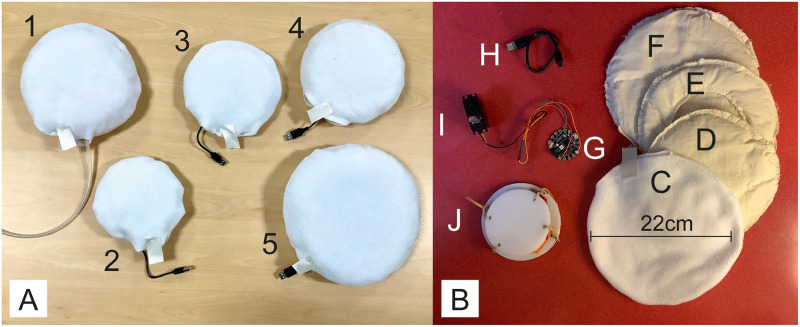
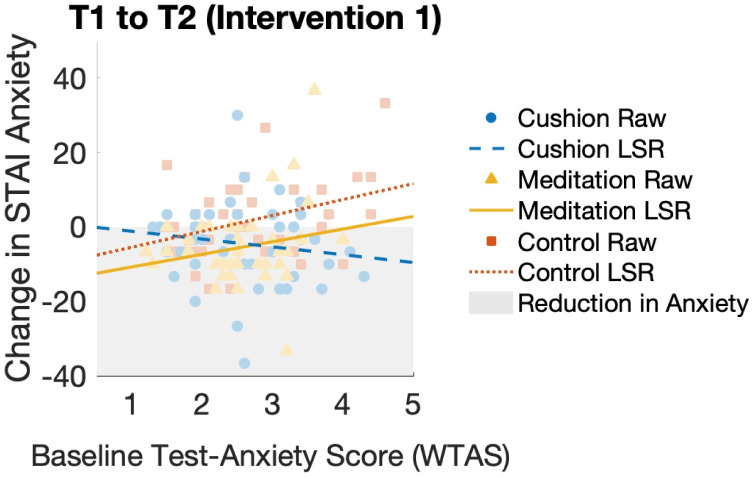
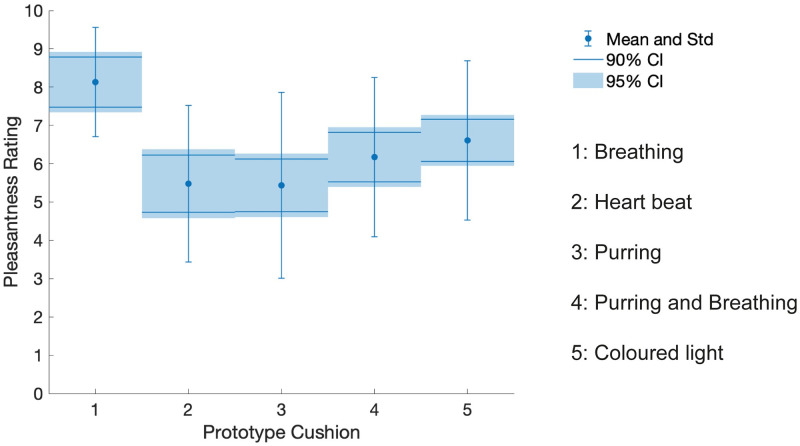
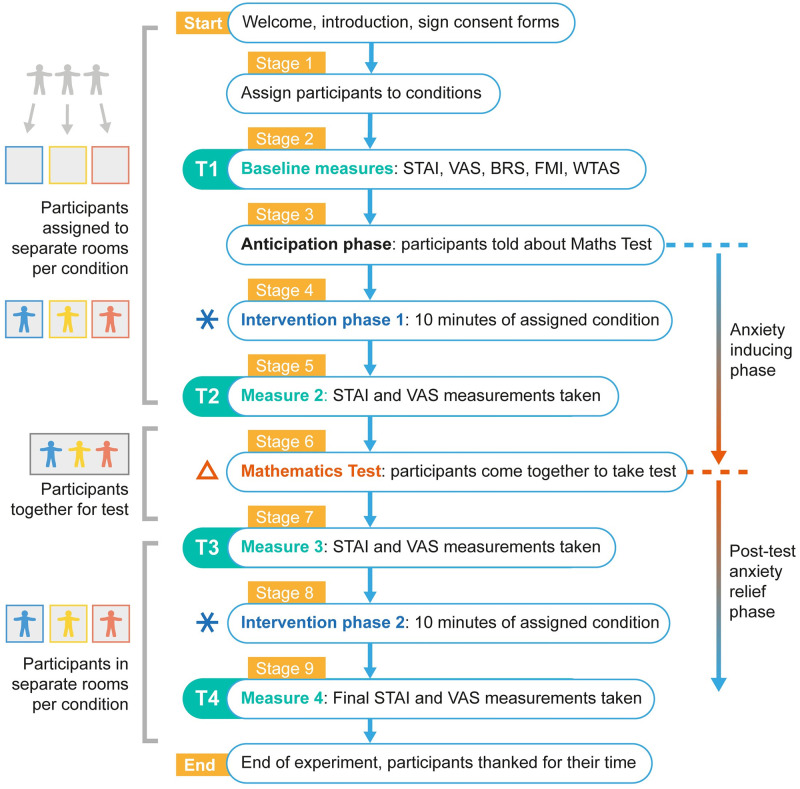
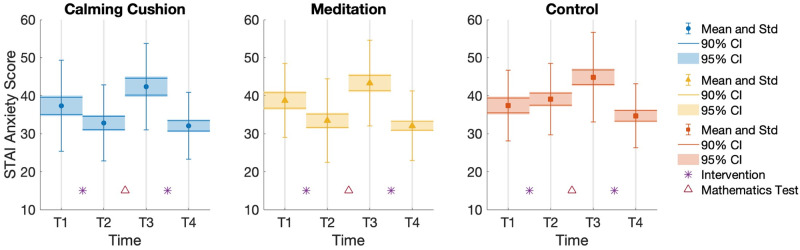
Anxiety disorders affect approximately one third of people during their lifetimes and are the ninth leading cause of global disability. Current treatments focus on therapy and pharmacological interventions. However, therapy is costly and pharmacological interventions often have undesirable side-effects. Healthy people also regularly suffer periods of anxiety. Therefore, a non-pharmacological, intuitive, home intervention would be complementary to other treatments and beneficial for non-clinical groups. Existing at-home anxiety aids, such as guided meditations, typically employ visual and/or audio stimuli to guide the user into a calmer state. However, the tactile sense has the potential to be a more natural modality to target in an anxiety-calming device. The tactile domain is relatively under-explored, but we suggest that there are manifold physiological and affective qualities of touch that lend it to the task. In this study we demonstrate that haptic technology can offer an enjoyable, effective and widely accessible alternative for easing state anxiety. We describe a novel huggable haptic interface that pneumatically simulates slow breathing. We discuss the development of this interface through a focus group evaluating five prototypes with embedded behaviours ('breathing', 'purring', 'heartbeat' and 'illumination'). Ratings indicated that the 'breathing' prototype was most pleasant to interact with and participants described this prototype as 'calming' and 'soothing', reminding them of a person breathing. This prototype was developed into an ergonomic huggable cushion containing a pneumatic chamber powered by an external pump allowing the cushion to 'breathe'. A mixed-design experiment (n = 129) inducing anxiety through a group mathematics test found that the device was effective at reducing pre-test anxiety compared to a control (no intervention) condition and that this reduction in anxiety was indistinguishable from that of a guided meditation. Our findings highlight the efficacy of this interface, demonstrating that haptic technologies can be effective at easing anxiety. We suggest that the field should be explored in more depth to capture the nuances of different modalities in relation to specific situations and trait characteristics.
焦虑障碍影响大约三分之一的人在他们的一生中,是全球残疾的第九大主要原因。目前的治疗方法侧重于治疗和药物干预。然而,治疗费用高昂,药物干预往往有不良的副作用。健康人也经常会经历焦虑期。因此,一种非药物、直观、家庭干预措施将与其他治疗方法互补,并有益于非临床群体。现有的家庭焦虑辅助工具,如引导冥想,通常使用视觉和/或音频刺激来引导用户进入更平静的状态。然而,触觉有可能成为一种更自然的模式,用于设计一种缓解焦虑的设备。触觉领域相对较少被探索,但我们认为触摸具有多种生理和情感特性,使其适合用于焦虑缓解设备。在这项研究中,我们证明了触觉技术可以为缓解状态焦虑提供一种愉快、有效且广泛适用的替代方案。我们描述了一种新型的可拥抱的触觉界面,该界面通过气动模拟缓慢呼吸。我们通过一个焦点小组讨论了该界面的开发,该小组评估了五个带有嵌入式行为的原型(“呼吸”、“咕噜声”、“心跳”和“照明”)。评分表明,“呼吸”原型与交互最愉快,参与者将这个原型描述为“平静”和“舒缓”,这让他们想起了人在呼吸。这个原型被开发成一个符合人体工程学的可拥抱的靠垫,其中包含一个由外部泵提供动力的气动室,使靠垫能够“呼吸”。一项混合设计实验(n=129)通过群体数学测试引起焦虑,发现与对照组(无干预)相比,该设备能有效降低测试前的焦虑,而且这种焦虑的降低与引导冥想的效果无法区分。我们的研究结果强调了该界面的有效性,表明触觉技术可以有效地缓解焦虑。我们建议更深入地探索这一领域,以捕捉不同模式在特定情况下和特质特征方面的细微差别。