Department of Biomedical Engineering, University of Cincinnati, Cincinnati, OH, USA.
Center for Fetal and Placental Research, Cincinnati Children's Hospital Medical Center (CCHMC), Cincinnati, OH, USA.
Sci Rep. 2022 Mar 10;12(1):3950. doi: 10.1038/s41598-022-07681-8.
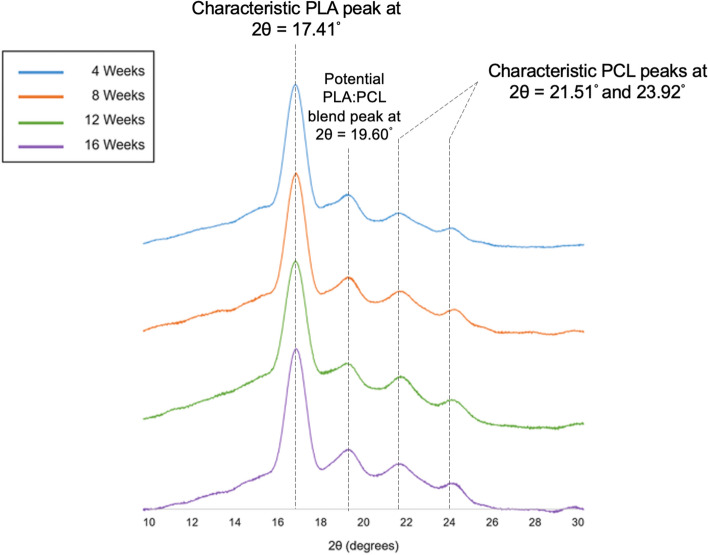
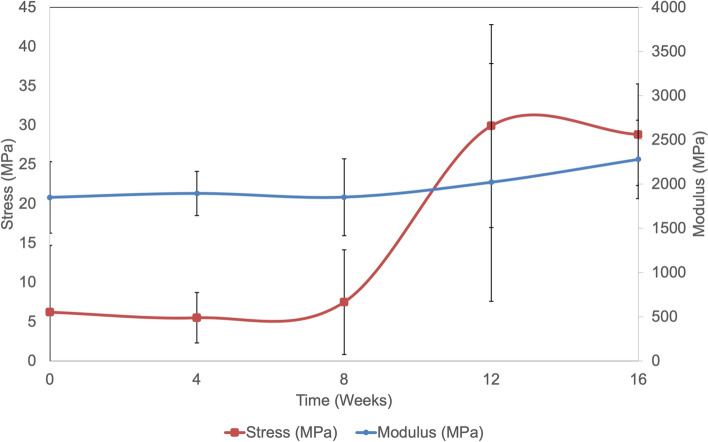
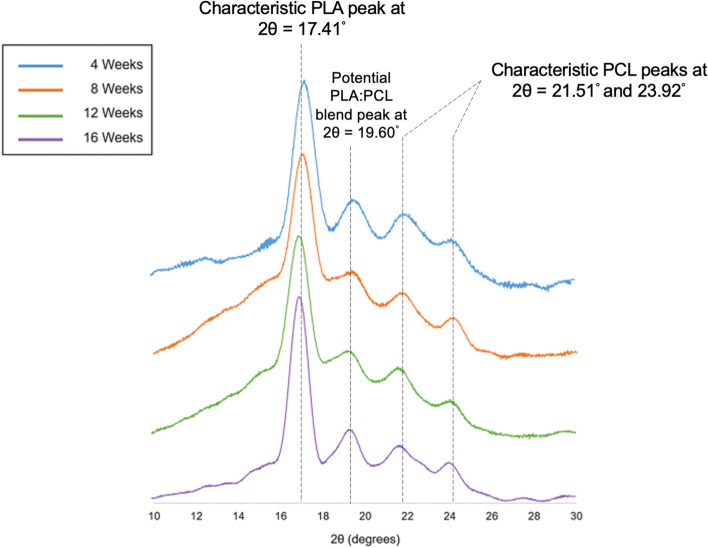
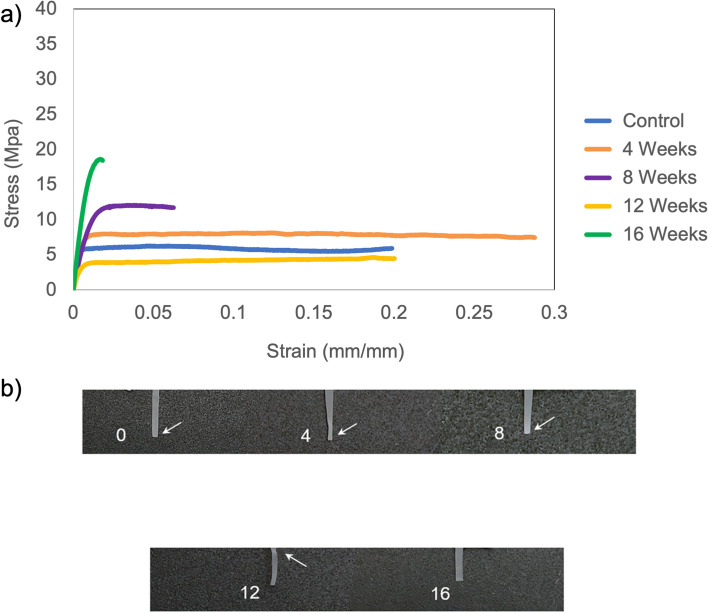
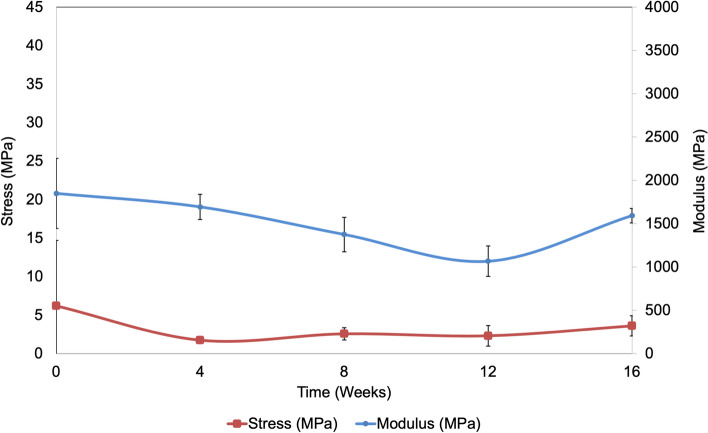
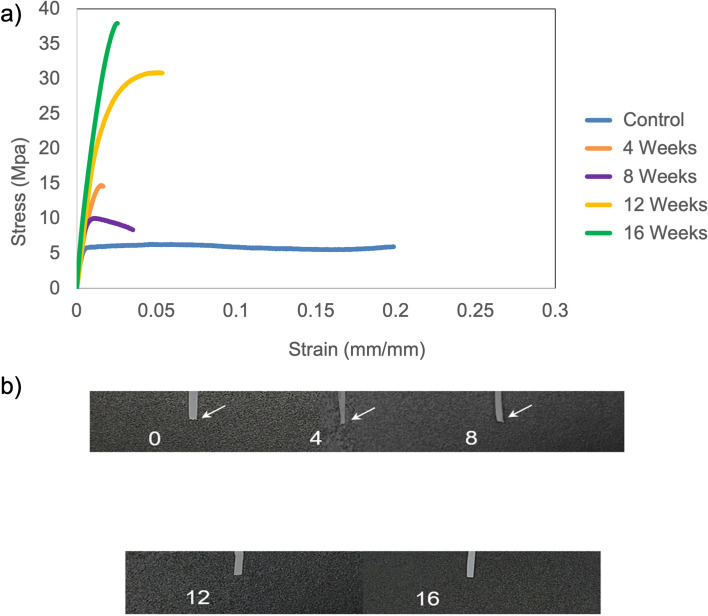
Open spina bifida or myelomeningocele (MMC) is a devastating neurologic congenital defect characterized by primary failure of neural tube closure of the spinal column during the embryologic period. Cerebrospinal fluid leak caused by the MMC spinal defect in the developing fetus can result in a constellation of encephalic anomalies that include hindbrain herniation and hydrocephalus. The exposure of extruded spinal cord to amniotic fluid also poses a significant risk for inducing partial or complete paralysis of the body parts beneath the spinal aperture by progressive spinal cord damage in-utero. A randomized trial demonstrated that prenatal repair by fetal surgery, sometimes using patches, to cover the exposed spinal cord with a watertight barrier is effective in reducing the postnatal neurologic morbidity as evidenced by decreased incidence and severity of postnatal hydrocephalus and the reduced need for ventricular-peritoneal shunting. Currently, the use of inert or collagen-based patches are associated with high costs and inadequate structural properties. Specifically, the inert patches do not degrade after implantation, causing the need for a post-natal removal surgery associated with trauma for the newborn. Our present study is aimed towards in-vitro degradation studies of a newly designed patch, which potentially can serve as a superior alternative to existing patches for MMC repair. This novel patch was fabricated by blending poly(L-lactic acid) and poly(ε-caprolactone). The 16-week degradation study in amniotic fluid was focused on tracking changes in crystallinity and mechanical properties. An additional set of designed patches was exposed to phosphate-buffered saline (PBS), as a time-paired control. Crystallinity studies indicate the progress of hydrolytic degradation of the patch in both media, with a preference to bulk erosion in phosphate buffered saline and surface erosion in amniotic fluid. Mechanical testing results establish that patch integrity is not compromised up to 16 weeks of exposure either to body fluids analog (PBS) or to amniotic fluid.
开放性脊柱裂或脊髓脊膜膨出(MMC)是一种破坏性的神经先天性缺陷,其特征是胚胎期脊柱神经管的初级闭合失败。发育中的胎儿由于 MMC 脊柱缺陷导致的脑脊液渗漏可导致一系列脑畸形,包括后脑疝和脑积水。暴露在外的脊髓被羊水浸泡也会对脊髓造成严重损害,导致脊髓在子宫内逐渐受损,从而使脊髓孔下方的身体部位部分或完全瘫痪。一项随机试验表明,胎儿手术(有时使用补丁)进行产前修复,用防水屏障覆盖暴露的脊髓,可有效降低产后神经发病率,表现为降低产后脑积水的发生率和严重程度,以及减少脑室-腹腔分流术的需求。目前,使用惰性或基于胶原蛋白的补丁与高成本和结构性能不足有关。具体来说,惰性补丁在植入后不会降解,导致需要进行产后移除手术,这对新生儿造成创伤。我们目前的研究旨在对一种新设计的补丁进行体外降解研究,这种补丁有可能成为 MMC 修复的现有补丁的更好替代品。这种新型补丁是通过混合聚(L-乳酸)和聚(ε-己内酯)制成的。在羊水(amniotic fluid)中进行的为期 16 周的降解研究侧重于跟踪结晶度和机械性能的变化。一组设计好的补丁被暴露在磷酸盐缓冲盐水(phosphate-buffered saline,PBS)中,作为时间配对的对照。结晶度研究表明,在两种介质中,补丁的水解降解都在进行,在磷酸盐缓冲盐水中倾向于体相侵蚀,在羊水中倾向于表面侵蚀。力学测试结果表明,无论在模拟体液(PBS)或羊水(amniotic fluid)中暴露 16 周,补丁的完整性都没有受到损害。