Bikiaris Nikolaos D, Koumentakou Ioanna, Michailidou Georgia, Kostoglou Margaritis, Vlachou Marilena, Barmpalexis Panagiotis, Karavas Evangelos, Papageorgiou George Z
Laboratory of Polymer Chemistry and Technology, Department of Chemistry, Aristotle University of Thessaloniki, 54124 Thessaloniki, Greece.
Laboratory of General and Inorganic Chemical Technology, Department of Chemistry, Aristotle University of Thessaloniki, 54124 Thessaloniki, Greece.
Pharmaceutics. 2022 Aug 14;14(8):1693. doi: 10.3390/pharmaceutics14081693.
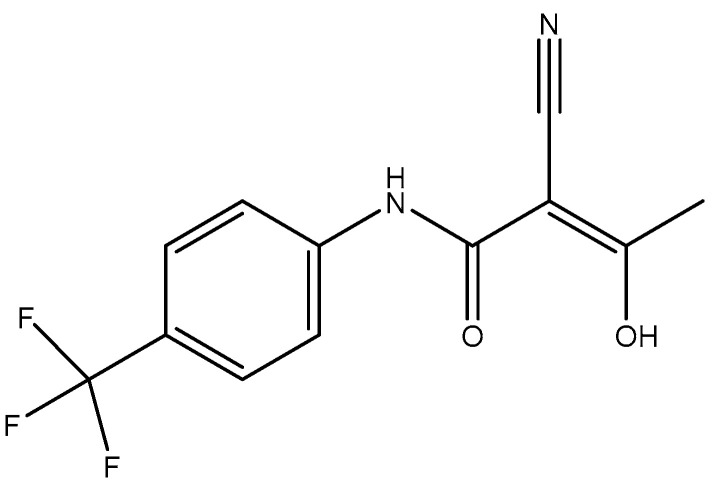
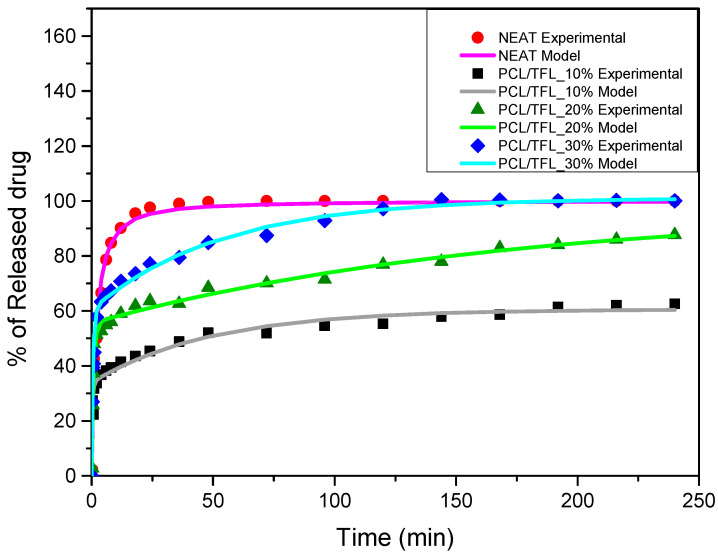
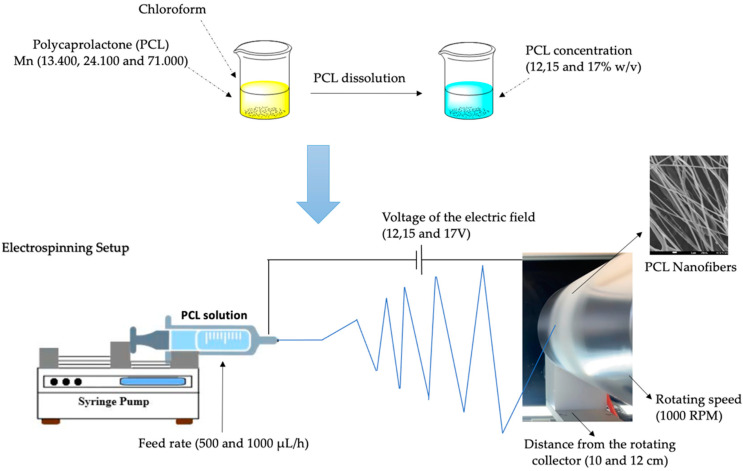
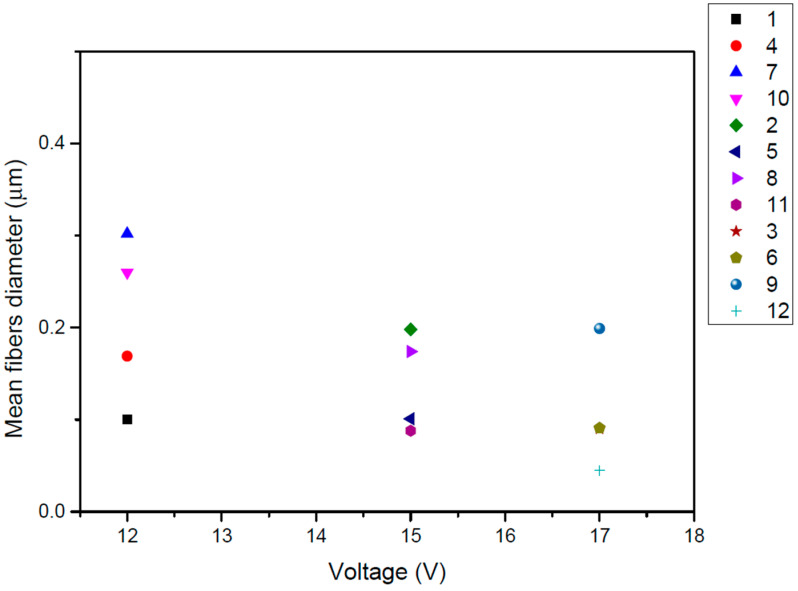
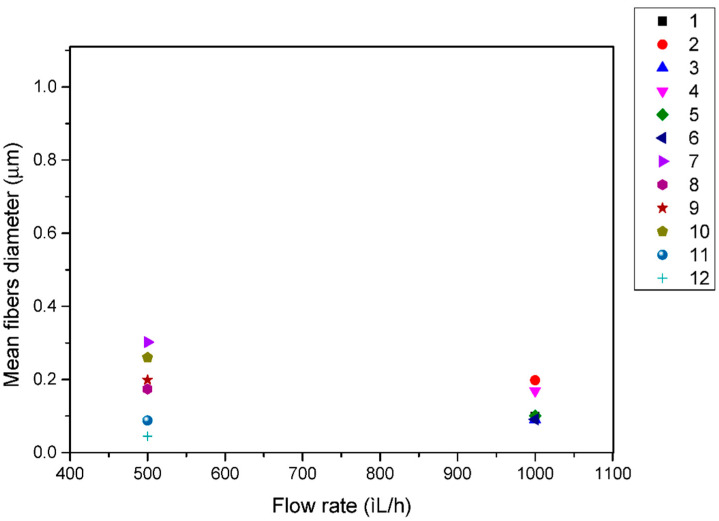
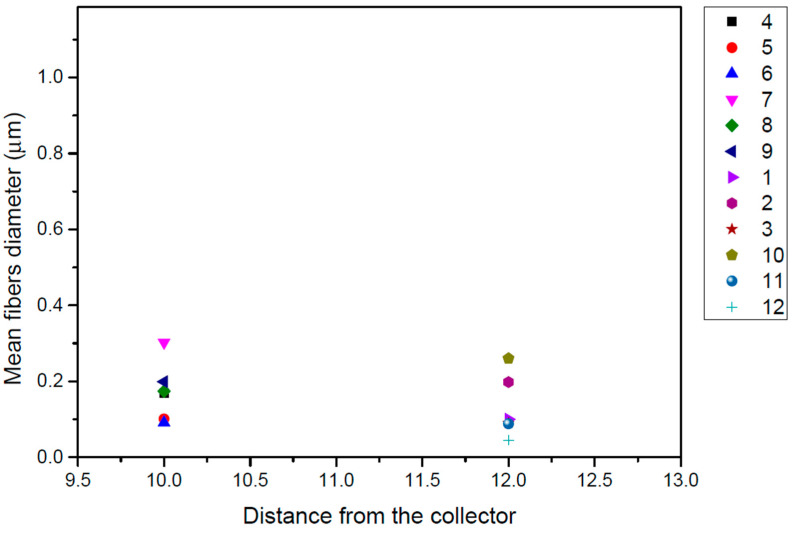
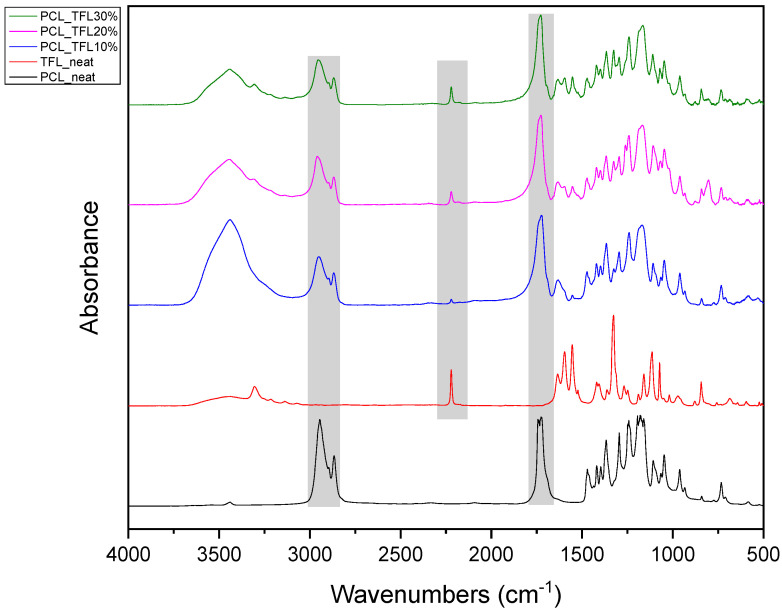
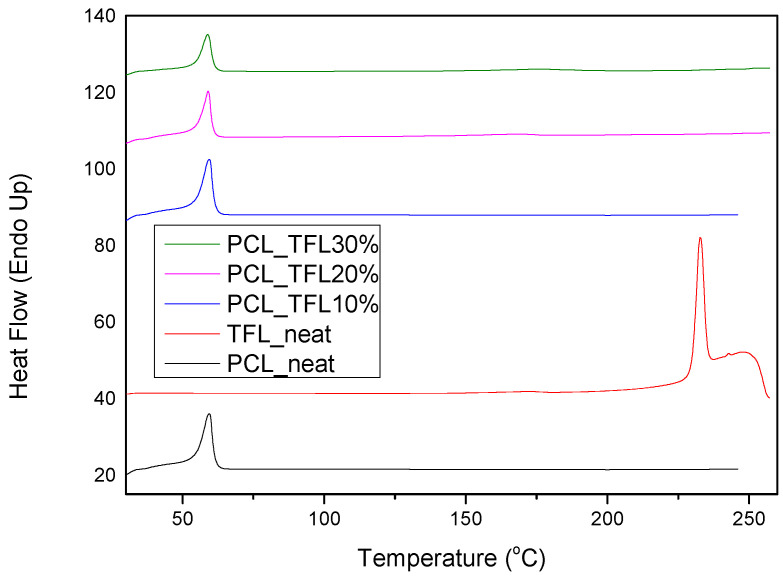
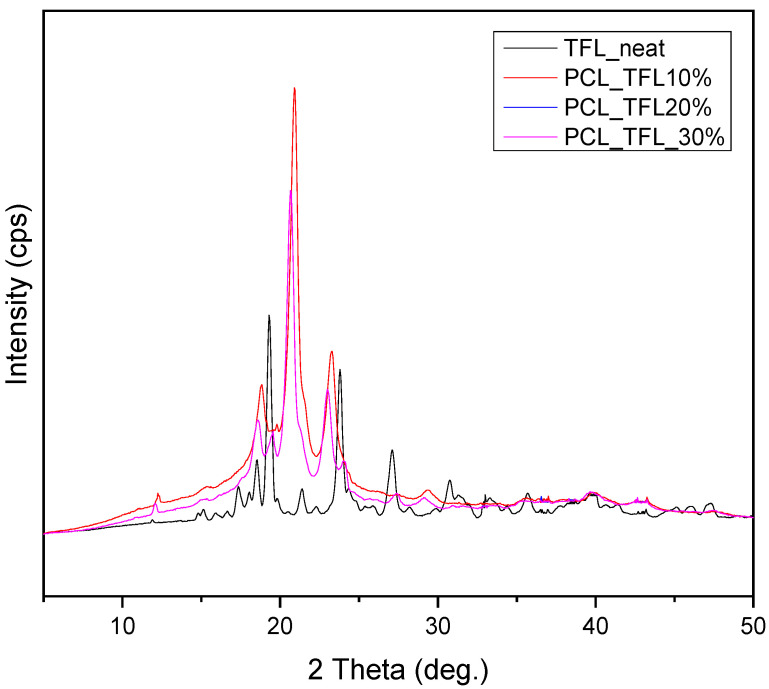
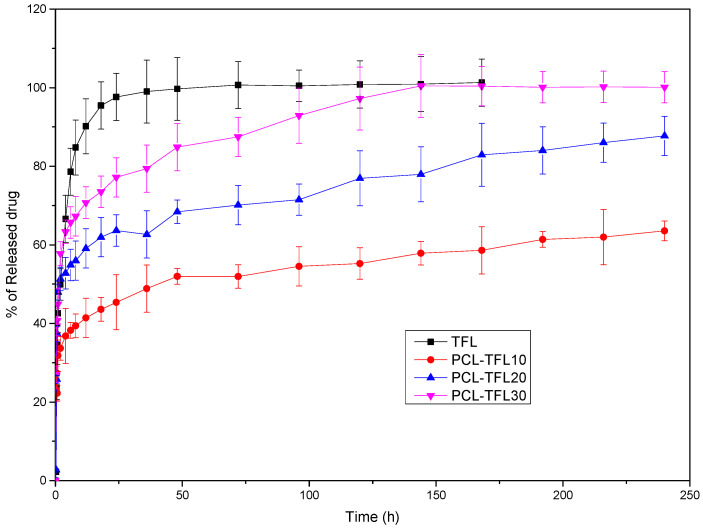
In the current work, a series of PCL polyesters with different molecular weights was synthesized and used for the fabrication of nanofibrous patches via electrospinning, as sustained release matrices for leflunomide's active metabolite, teriflunomide (TFL). The electrospinning conditions for each sample were optimized and it was found that only one material with high Mn (71,000) was able to produce structures with distinct fibers devoid of the presence of beads. The successful preparation of the fibers was determined by scanning electron microscopy (SEM).TFL (10, 20 and 30 wt%) in three different concentrations was incorporated into the prepared nanofibers, which were used in in vitro drug release experiments. The drug-loaded nanofibrous formulations were further characterized by Fourier transform infrared spectroscopy (FTIR), differential scanning calorimetry (DSC) and powder X-ray diffractometry (XRD).It was found that TFL was incorporated in an amorphous form inside the polymeric nanofibers and that significant molecular interactions were formed between the drug and the polyester. Additionally, in vitro dissolution studies showed that the PCL/TFL-loaded nanofibers exhibit a biphasic release profile, having an initial burst release phase, followed by a sustained release until 250 h. Finally, a kinetic analysis of the obtained profiles revealed that the drug release was directly dependent on the amount TFL incorporated into the nanofibers.
在当前工作中,合成了一系列不同分子量的聚己内酯(PCL)聚酯,并通过静电纺丝将其用于制备纳米纤维贴片,作为来氟米特的活性代谢物——特立氟胺(TFL)的缓释基质。对每个样品的静电纺丝条件进行了优化,发现只有一种高分子量(71,000)的材料能够制备出具有清晰纤维且无珠子的结构。通过扫描电子显微镜(SEM)确定纤维的成功制备。将三种不同浓度(10%、20%和30%重量)的TFL掺入制备的纳米纤维中,并用于体外药物释放实验。通过傅里叶变换红外光谱(FTIR)、差示扫描量热法(DSC)和粉末X射线衍射法(XRD)对载药纳米纤维制剂进行进一步表征。结果发现,TFL以无定形形式掺入聚合物纳米纤维内部,并且药物与聚酯之间形成了显著的分子相互作用。此外,体外溶出研究表明,载有PCL/TFL的纳米纤维呈现双相释放曲线,具有初始突释阶段,随后持续释放直至250小时。最后,对所得曲线的动力学分析表明,药物释放直接取决于掺入纳米纤维中的TFL量。