Grzegorzewski Jan, Bartsch Florian, Köller Adrian, König Matthias
Institute for Theoretical Biology, Humboldt-University Berlin, Berlin, Germany.
Front Pharmacol. 2022 Feb 25;12:752826. doi: 10.3389/fphar.2021.752826. eCollection 2021.
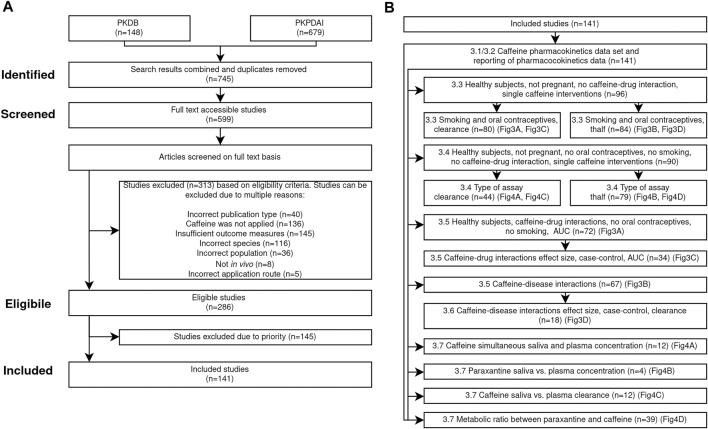
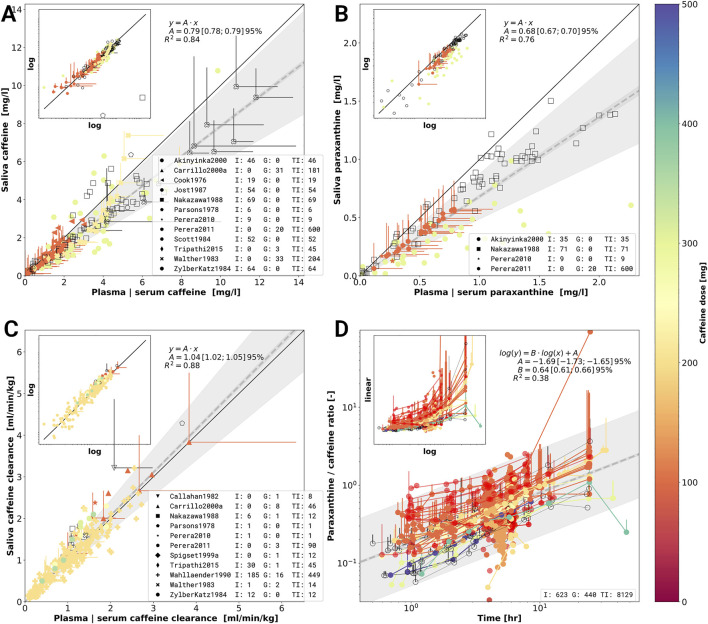
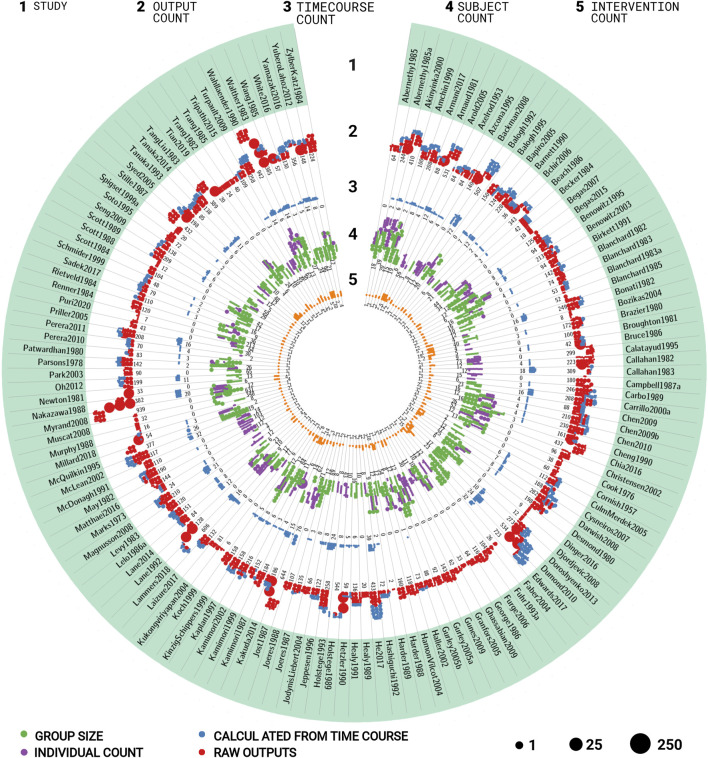
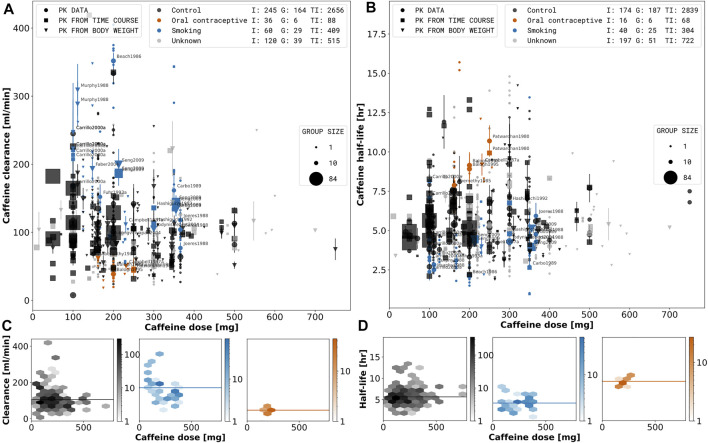
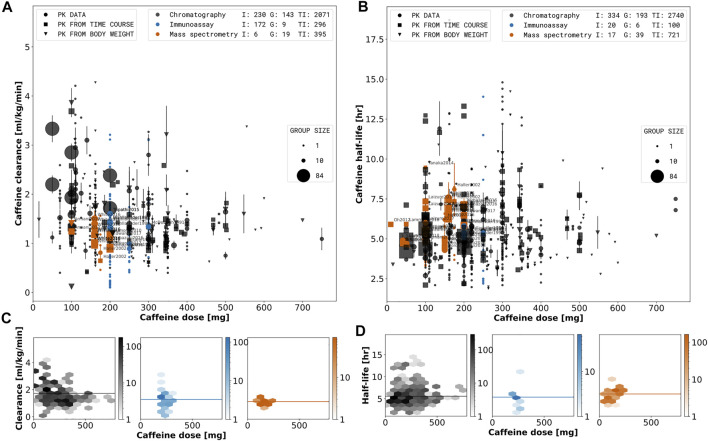
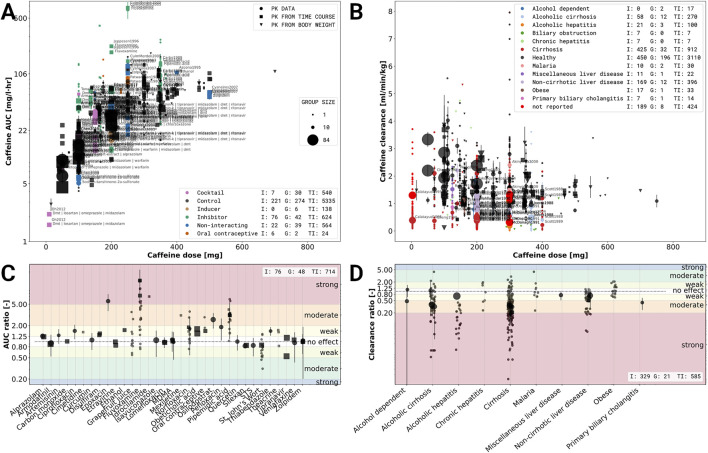
Caffeine is by far the most ubiquitous psychostimulant worldwide found in tea, coffee, cocoa, energy drinks, and many other beverages and food. Caffeine is almost exclusively metabolized in the liver by the cytochrome P-450 enzyme system to the main product paraxanthine and the additional products theobromine and theophylline. Besides its stimulating properties, two important applications of caffeine are metabolic phenotyping of cytochrome P450 1A2 (CYP1A2) and liver function testing. An open challenge in this context is to identify underlying causes of the large inter-individual variability in caffeine pharmacokinetics. Data is urgently needed to understand and quantify confounding factors such as lifestyle (e.g., smoking), the effects of drug-caffeine interactions (e.g., medication metabolized via CYP1A2), and the effect of disease. Here we report the first integrative and systematic analysis of data on caffeine pharmacokinetics from 141 publications and provide a comprehensive high-quality data set on the pharmacokinetics of caffeine, caffeine metabolites, and their metabolic ratios in human adults. The data set is enriched by meta-data on the characteristics of studied patient cohorts and subjects (e.g., age, body weight, smoking status, health status), the applied interventions (e.g., dosing, substance, route of application), measured pharmacokinetic time-courses, and pharmacokinetic parameters (e.g., clearance, half-life, area under the curve). We demonstrate via multiple applications how the data set can be used to solidify existing knowledge and gain new insights relevant for metabolic phenotyping and liver function testing based on caffeine. Specifically, we analyzed 1) the alteration of caffeine pharmacokinetics with smoking and use of oral contraceptives; 2) drug-drug interactions with caffeine as possible confounding factors of caffeine pharmacokinetics or source of adverse effects; 3) alteration of caffeine pharmacokinetics in disease; and 4) the applicability of caffeine as a salivary test substance by comparison of plasma and saliva data. In conclusion, our data set and analyses provide important resources which could enable more accurate caffeine-based metabolic phenotyping and liver function testing.
咖啡因是目前全球最普遍存在的精神兴奋剂,存在于茶、咖啡、可可、能量饮料以及许多其他饮品和食物中。咖啡因几乎完全在肝脏中通过细胞色素P-450酶系统代谢为主要产物副黄嘌呤以及另外的产物可可碱和茶碱。除了其刺激特性外,咖啡因的两个重要应用是细胞色素P450 1A2(CYP1A2)的代谢表型分析和肝功能测试。在这方面,一个公开的挑战是确定咖啡因药代动力学中个体间巨大差异的潜在原因。迫切需要数据来了解和量化混杂因素,如生活方式(如吸烟)、药物 - 咖啡因相互作用的影响(如通过CYP1A2代谢的药物)以及疾病的影响。在此,我们报告了对来自141篇出版物的咖啡因药代动力学数据的首次综合系统分析,并提供了关于咖啡因、咖啡因代谢物及其在成年人中的代谢比率的药代动力学的全面高质量数据集。该数据集通过关于所研究患者队列和受试者特征(如年龄、体重、吸烟状况、健康状况)、应用的干预措施(如给药剂量、物质、给药途径)、测量的药代动力学时间进程以及药代动力学参数(如清除率、半衰期、曲线下面积)的元数据得到丰富。我们通过多种应用展示了该数据集如何用于巩固现有知识,并获得与基于咖啡因的代谢表型分析和肝功能测试相关的新见解。具体而言,我们分析了:1)吸烟和使用口服避孕药对咖啡因药代动力学的改变;2)作为咖啡因药代动力学可能的混杂因素或不良反应来源的药物 - 药物与咖啡因的相互作用;3)疾病中咖啡因药代动力学的改变;4)通过比较血浆和唾液数据评估咖啡因作为唾液测试物质的适用性。总之,我们的数据集和分析提供了重要资源,可实现更准确的基于咖啡因的代谢表型分析和肝功能测试。