Kim Jae-Hong, Kwon Osung, Bhusal Anup, Lee Jiyoun, Hwang Eun Mi, Ryu Hoon, Park Jae-Yong, Suk Kyoungho
Department of Pharmacology and Department of Biomedical Science, School of Medicine, Kyungpook National University, Daegu, South Korea.
Brain Science & Engineering Institute, Kyungpook National University, Daegu, South Korea.
Front Cell Neurosci. 2022 Feb 23;16:839118. doi: 10.3389/fncel.2022.839118. eCollection 2022.
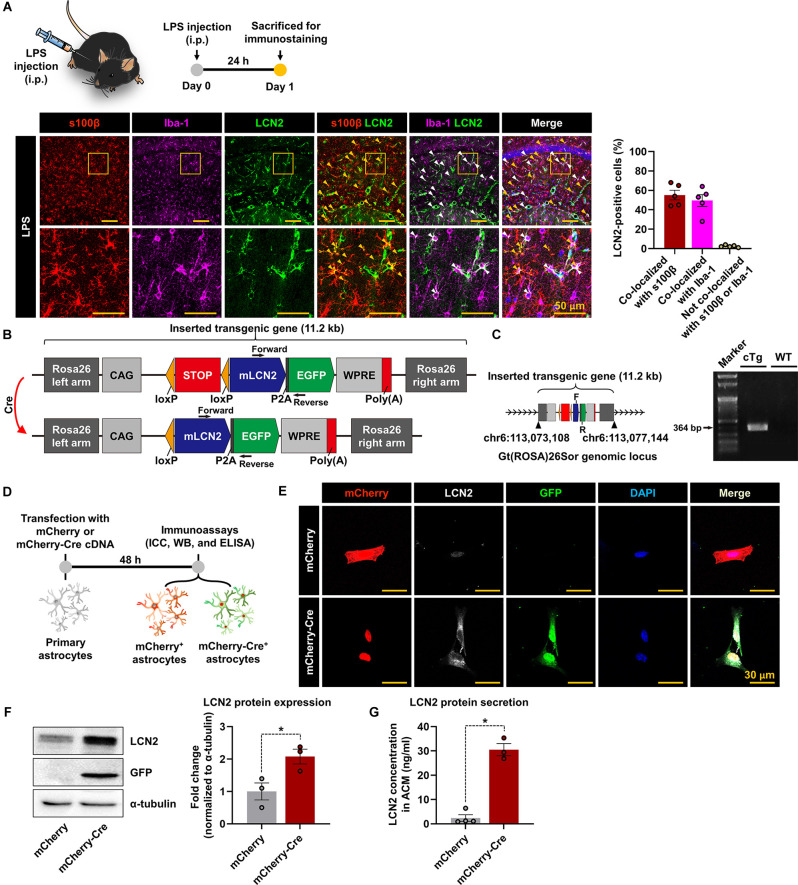
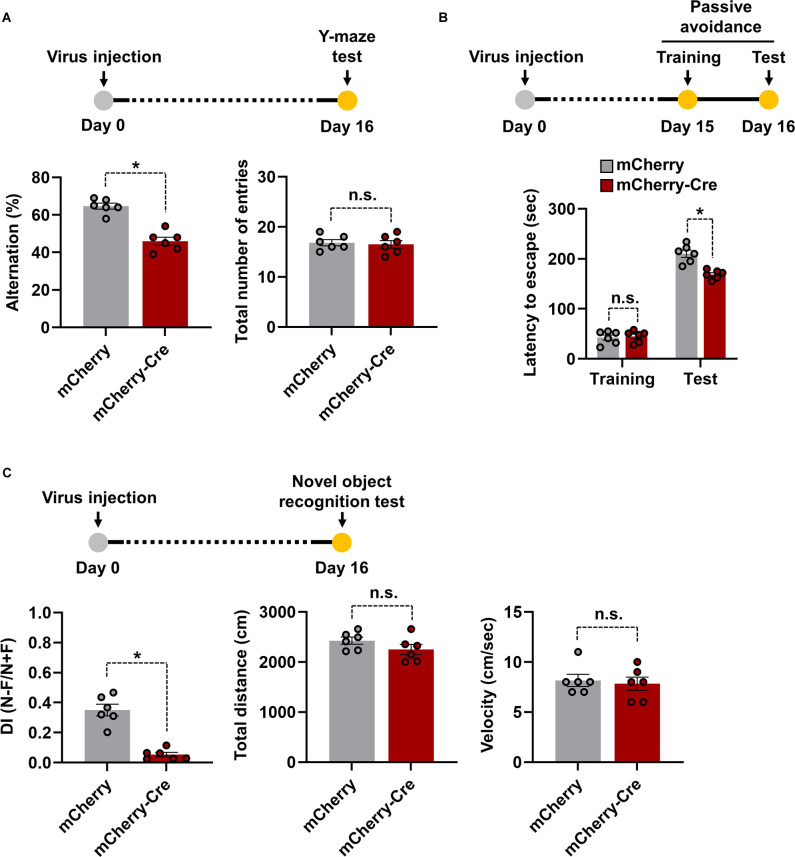
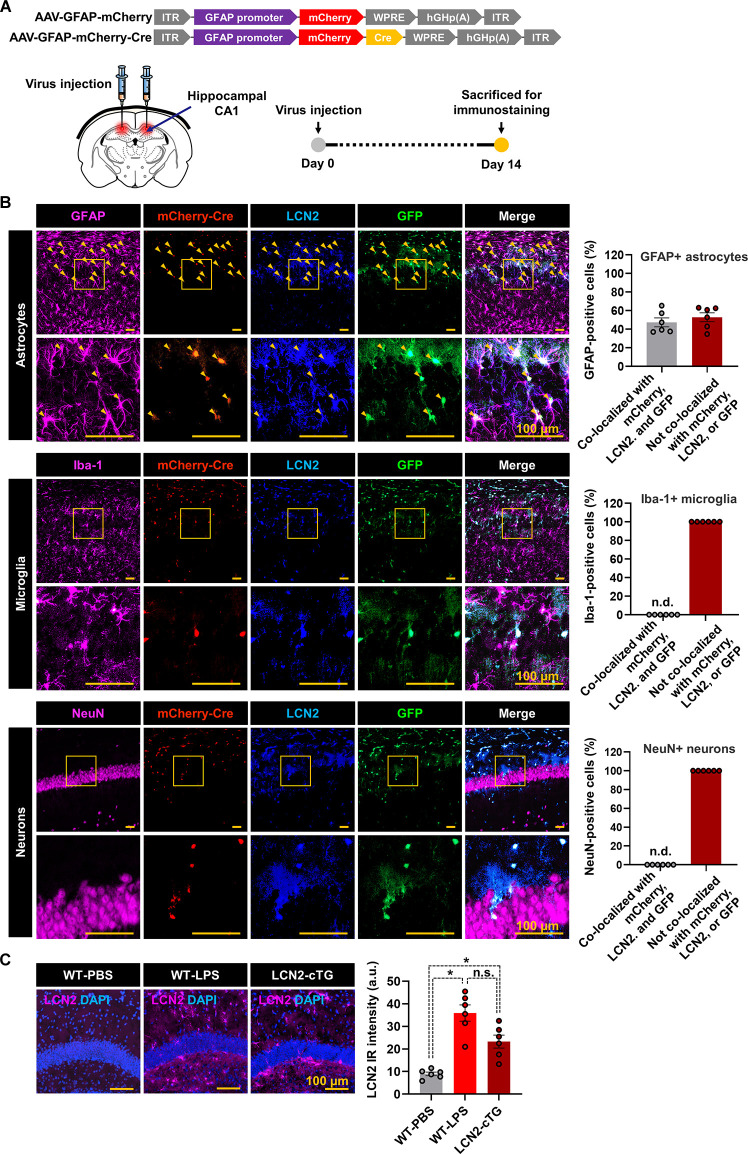
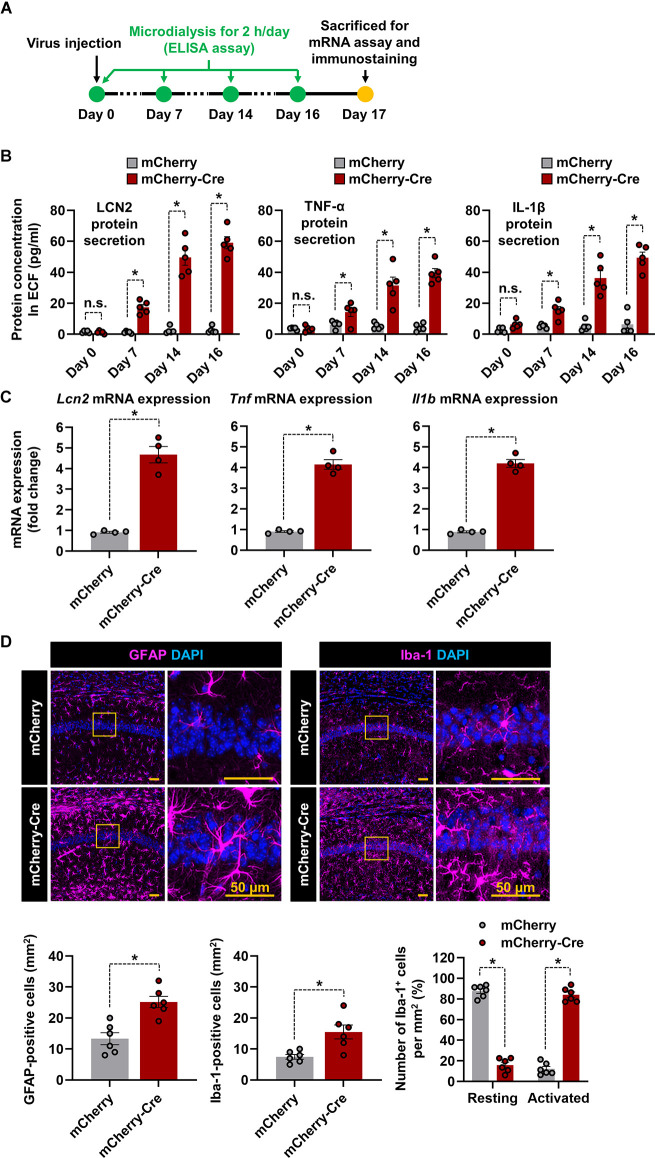
Transgenic mice are a useful tool for exploring various aspects of gene function. A key element of this approach is the targeted overexpression of specific genes in cells or tissues. Herein, we report for the first time, the generation and characterization of conditional transgenic (cTg) mice for lipocalin-2 (LCN2) expression. We generated the R26-LCN2-transgenic (LCN2-cTg) mice that carried a loxP-flanked STOP (neo) cassette, cDNA, and a GFP sequence. When bred with Tg mice expressing Cre recombinase under the control of various tissues or cell-specific promoters, Cre-mediated recombination deletes the STOP cassette and allows the expression of LCN2 and GFP. In this study, we achieved the recombination of loxP-flanked LCN2 in hippocampal astrocytes of cTg mouse brain, using a targeted delivery of adeno-associated virus (AAVs) bearing Cre recombinase under the control of a GFAP promoter (AAVs-GFAP-mCherry-Cre). These mice with localized LCN2 overexpression in astrocytes of the hippocampus developed neuroinflammation with enhanced glial activation and increased mRNA and protein levels of proinflammatory cytokines. Furthermore, mice showed impairment in cognitive functions as a typical symptom of hippocampal inflammation. Taken together, our study demonstrates the usefulness of LCN2-cTg mice in targeting specific cells at various organs for conditional LCN2 expression and for subsequent investigation of the functional role of cell-type-specific LCN2 within these sites. Moreover, the LCN2-cTg mice with targeted expression of LCN2 in hippocampal astrocytes are a new model of neuroinflammation.
转基因小鼠是探索基因功能各个方面的有用工具。这种方法的一个关键要素是在细胞或组织中特异性基因的靶向过表达。在此,我们首次报告了用于脂钙蛋白-2(LCN2)表达的条件性转基因(cTg)小鼠的产生和特征。我们构建了R26-LCN2转基因(LCN2-cTg)小鼠,其携带一个loxP侧翼的STOP(neo)盒、cDNA和一个GFP序列。当与在各种组织或细胞特异性启动子控制下表达Cre重组酶的Tg小鼠杂交时,Cre介导的重组会删除STOP盒,并允许LCN2和GFP表达。在本研究中,我们通过在GFAP启动子(AAVs-GFAP-mCherry-Cre)控制下靶向递送携带Cre重组酶的腺相关病毒(AAV),实现了cTg小鼠脑海马星形胶质细胞中loxP侧翼的LCN2的重组。这些在海马星形胶质细胞中局部LCN2过表达的小鼠发生了神经炎症,伴有增强的胶质细胞活化以及促炎细胞因子的mRNA和蛋白质水平升高。此外,小鼠表现出认知功能受损,这是海马炎症的典型症状。综上所述,我们的研究证明了LCN2-cTg小鼠在靶向各个器官的特定细胞以进行条件性LCN2表达以及随后研究这些部位细胞类型特异性LCN2的功能作用方面的有用性。此外,在海马星形胶质细胞中靶向表达LCN2的LCN2-cTg小鼠是一种新的神经炎症模型。