Georgieva Elenka, Antal László, Stoyanova Stela, Aranudova Desislava, Velcheva Iliana, Iliev Ilia, Vasileva Tonka, Bivolarski Veselin, Mitkovska Vesela, Chassovnikarova Tsenka, Todorova Borislava, Uzochukwu Ifeanyi Emmanuel, Nyeste Krisztián, Yancheva Vesela
Department of Developmental Biology, Faculty of Biology, Plovdiv University, Plovdiv, Bulgaria.
Department of Hydrobiology, Faculty of Science and Technology, University of Debrecen, Debrecen, Hungary.
Heliyon. 2022 Mar 7;8(3):e09069. doi: 10.1016/j.heliyon.2022.e09069. eCollection 2022 Mar.
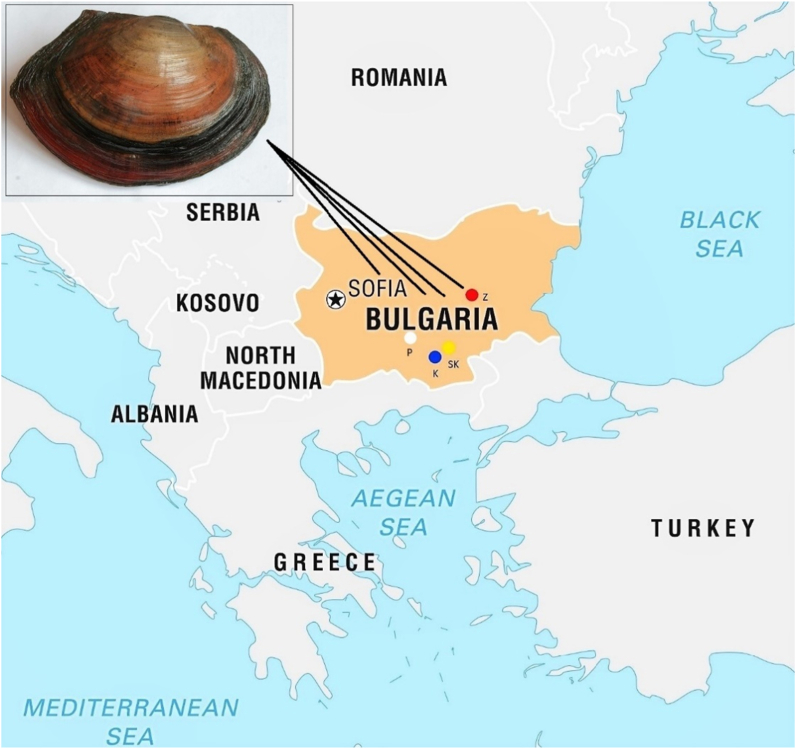
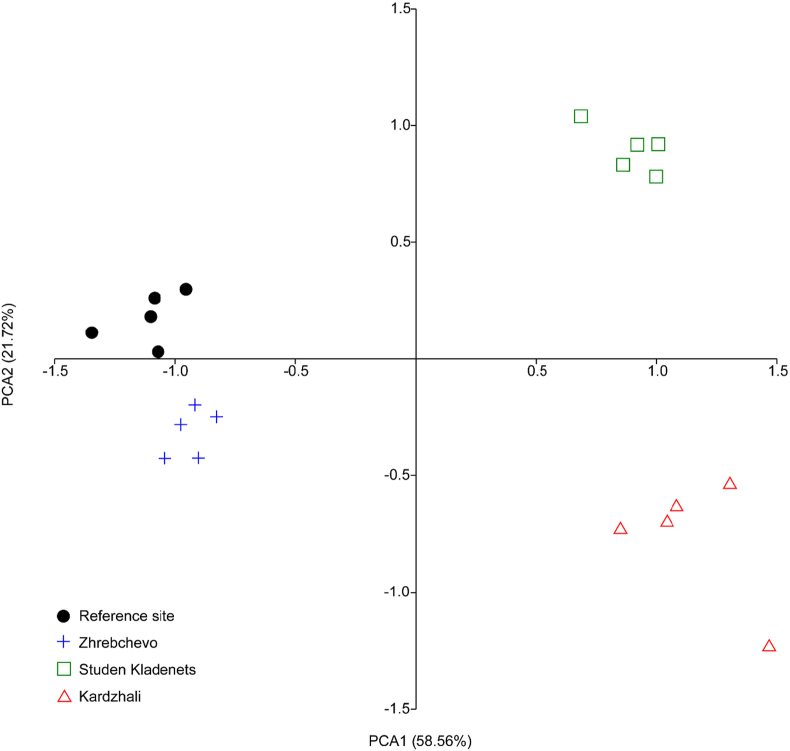
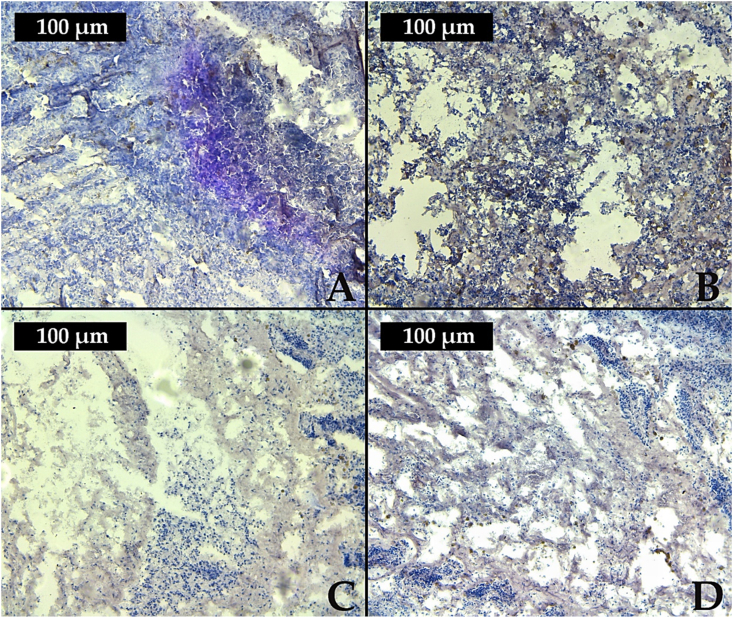
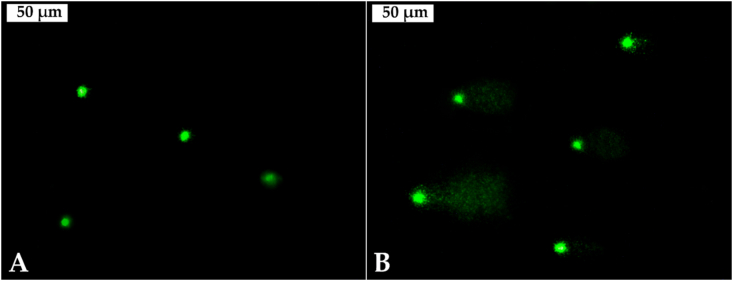
The mussel-watch concept was firstly proposed in 1975, which was later adopted by several international monitoring programs worldwide. However, for the very first time, a field experiment with caged mussels was performed in three reservoirs in Bulgaria to follow the harmful effects of sub-chronic pollution (30 days) of metals, trace, and macro-elements, as well as some organic toxicants, such as polybrominated diphenyl ethers and chlorinated paraffins. Therefore, we studied the biometric indices, histochemical lesions in the gills, biochemical changes in the digestive glands (antioxidant defense enzymes, such as catalase, glutathione reductase, and glutathione peroxidase; metabolic enzymes, such as lactate dehydrogenase, alanine aminotransferase, and aspartate aminotransferase, and the neurotransmitter cholinesterase), in addition to the DNA damage in the Chinese pond mussel, (Lea, 1834) in Kardzhali, Studen Kladenets and Zhrebchevo reservoirs in Bulgaria. Significant correlation trends between the pollution levels, which we reported before, and the biomarker responses were established in the current paper. Overall, we found that both tested organs were susceptible to pollution-induced oxidative stress. The different alterations in the selected biomarkers in the caged mussels compared to the reference group were linked to the different kinds and levels of water pollution in the reservoirs, and also to the simultaneously conducted bioaccumulation studies.
贻贝监测概念于1975年首次提出,后来被全球多个国际监测项目采用。然而,保加利亚首次在三个水库中进行了一项用笼养贻贝的实地实验,以追踪金属、微量元素和常量元素以及一些有机毒物(如多溴二苯醚和氯化石蜡)的亚慢性污染(30天)的有害影响。因此,我们研究了保加利亚卡尔扎利、斯图登克拉德内茨和兹雷布切沃水库中华圆田螺(Lea,1834)的生物计量指标、鳃的组织化学损伤、消化腺的生化变化(抗氧化防御酶,如过氧化氢酶、谷胱甘肽还原酶和谷胱甘肽过氧化物酶;代谢酶,如乳酸脱氢酶、丙氨酸氨基转移酶和天冬氨酸氨基转移酶,以及神经递质胆碱酯酶),此外还研究了DNA损伤。本文建立了我们之前报道的污染水平与生物标志物反应之间的显著相关趋势。总体而言,我们发现两个测试器官都易受污染诱导的氧化应激影响。与参考组相比,笼养贻贝中选定生物标志物的不同变化与水库中水污染的种类和水平有关,也与同时进行的生物积累研究有关。