Epidemiology, Biostatistics and Prevention Institute (EBPI), University of Zurich (UZH), Zurich, Switzerland.
Department of Visceral and Transplantation Surgery, University Hospital Zurich, University of Zurich (UZH), Zurich, Switzerland.
PLoS One. 2022 Mar 16;17(3):e0264655. doi: 10.1371/journal.pone.0264655. eCollection 2022.
Isolation is an indispensable measure to contain the SARS-CoV-2 virus, but it may have a negative impact on mental health and overall wellbeing. Evidence on the isolation experience, facilitating and complicating factors is needed to mitigate negative effects.
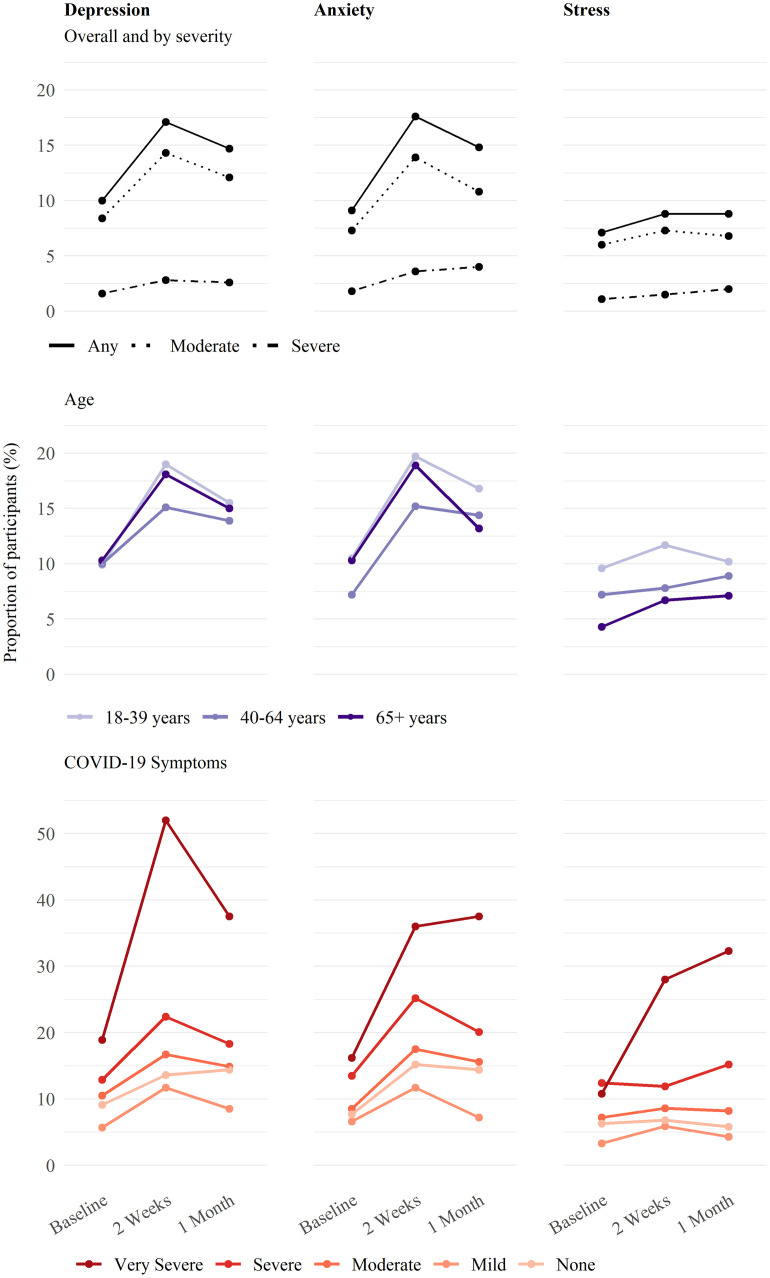
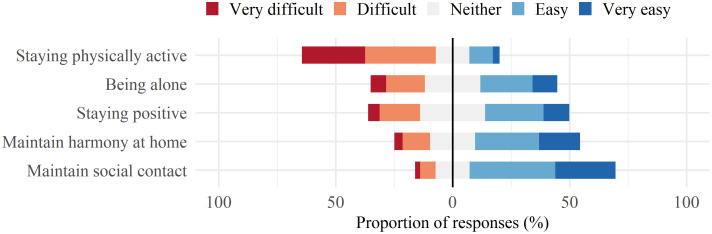
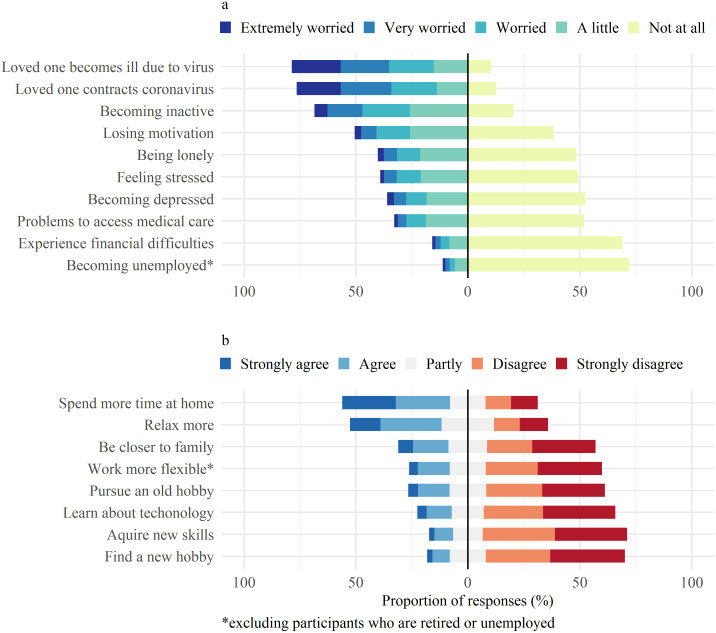
This observational, population-based cohort study enrolled 1547 adults from the general population with SARS-CoV-2 infection reported to authorities between 27 February 2020 and 19 January 2021 in Zurich, Switzerland. We assessed the proportion of individuals reporting symptoms of depression and anxiety before, during and after isolation (by DASS-21), and queried worries, positive experiences, and difficulties. We analyzed the association of these outcomes with socio-demographics using ordinal regression. Additionally, we report free-text statements by participants to capture most important aspects of isolation. The proportion of participants affected by depression or anxiety increased during isolation from 10·0% to 17·1% and 9·1% to 17·6%, respectively. Ordinal regression showed that taking care of children increased the difficulty of isolation (OR 2·10, CI 1·43-3·08) and risk of non-compliance (OR 1·63, CI 1·05-2·53), especially in younger participants. A facilitating factor that individuals commonly expressed was receiving more support during isolation.
Isolation due to SARS-CoV-2 presents a mental burden, especially for younger individuals and those taking care of children. Public health authorities need to train personnel and draw from community-based resources to provide targeted support, information, and guidance to individuals during isolation. Such efforts could alleviate the negative impact isolation has on the mental and physical health of individuals and ensure compliance of the population with recommendations.
隔离是遏制 SARS-CoV-2 病毒的必要措施,但它可能对心理健康和整体健康产生负面影响。需要了解隔离体验、促进和复杂因素的证据,以减轻负面影响。
本观察性、基于人群的队列研究纳入了 2020 年 2 月 27 日至 2021 年 1 月 19 日期间向当局报告的瑞士苏黎世 1547 名成年人,他们患有 SARS-CoV-2 感染。我们评估了在隔离期间(通过 DASS-21)报告抑郁和焦虑症状的个体比例,以及担忧、积极体验和困难。我们使用有序回归分析这些结果与社会人口统计学的关联。此外,我们报告了参与者的自由文本陈述,以捕捉隔离的最重要方面。在隔离期间,受抑郁或焦虑影响的参与者比例从 10.0%增加到 17.1%和 9.1%增加到 17.6%。有序回归显示,照顾孩子会增加隔离的难度(OR 2.10,CI 1.43-3.08)和不遵守规定的风险(OR 1.63,CI 1.05-2.53),尤其是在年轻参与者中。个体普遍表示的一个促进因素是在隔离期间获得更多支持。
由于 SARS-CoV-2 而进行的隔离会带来心理负担,尤其是对年轻个体和照顾孩子的个体。公共卫生当局需要培训人员并利用社区资源,在隔离期间为个人提供有针对性的支持、信息和指导。这些努力可以减轻隔离对个人身心健康的负面影响,并确保人群遵守建议。