Ragon Institute of MGH, MIT, and Harvard, Cambridge, MA 02139, USA.
Department of Medicine, Washington University School of Medicine, St. Louis, MO 63110, USA.
Cell Rep. 2022 Mar 22;38(12):110561. doi: 10.1016/j.celrep.2022.110561. Epub 2022 Mar 7.
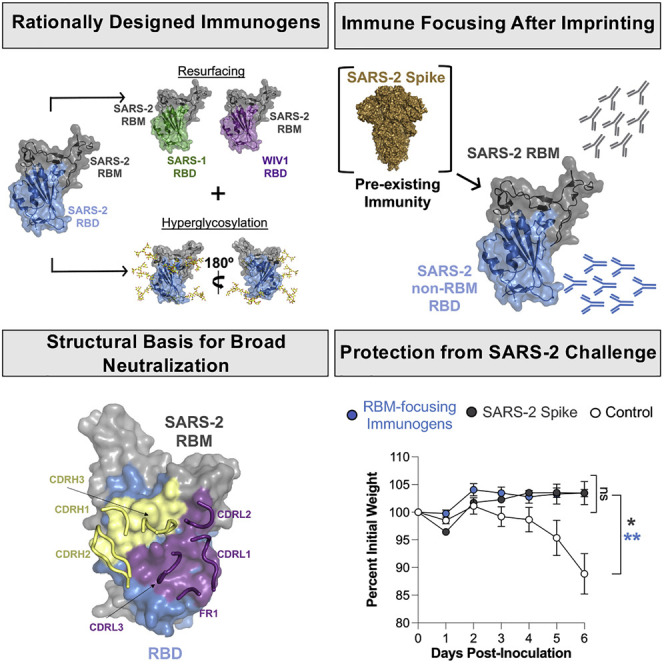
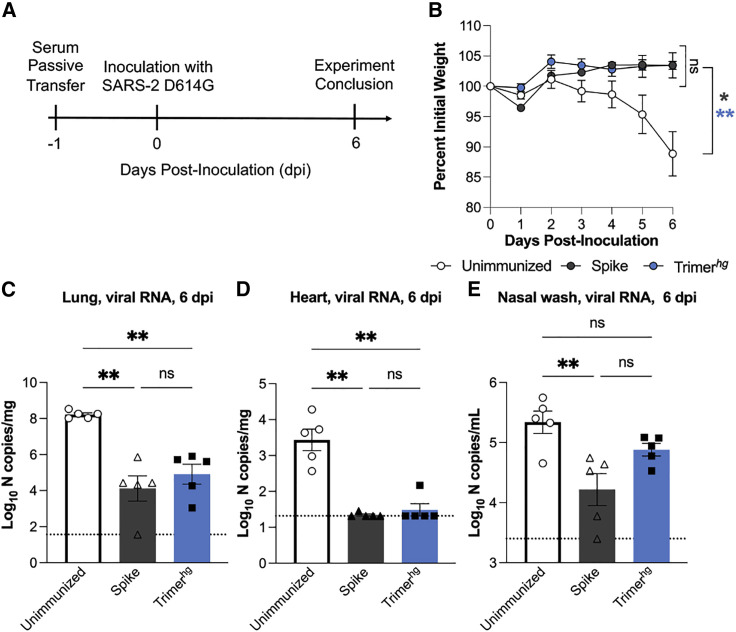
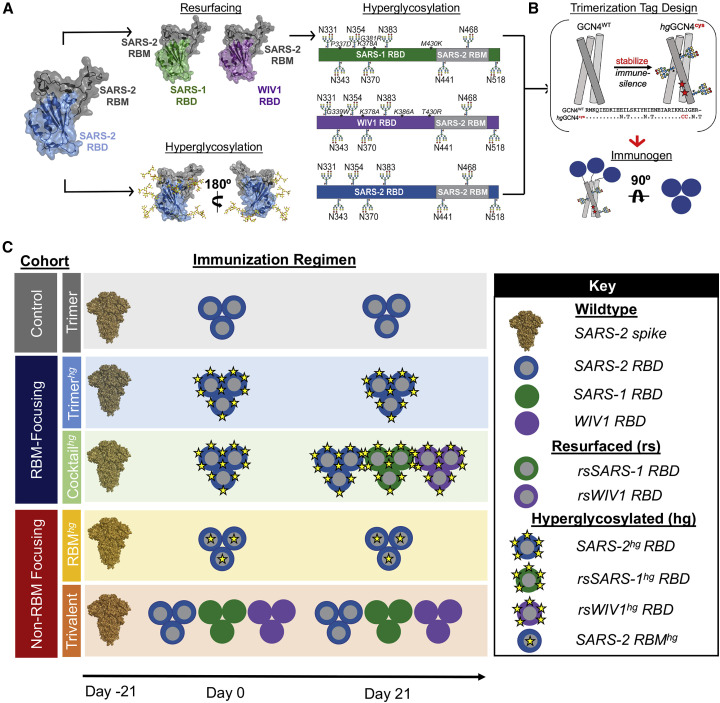
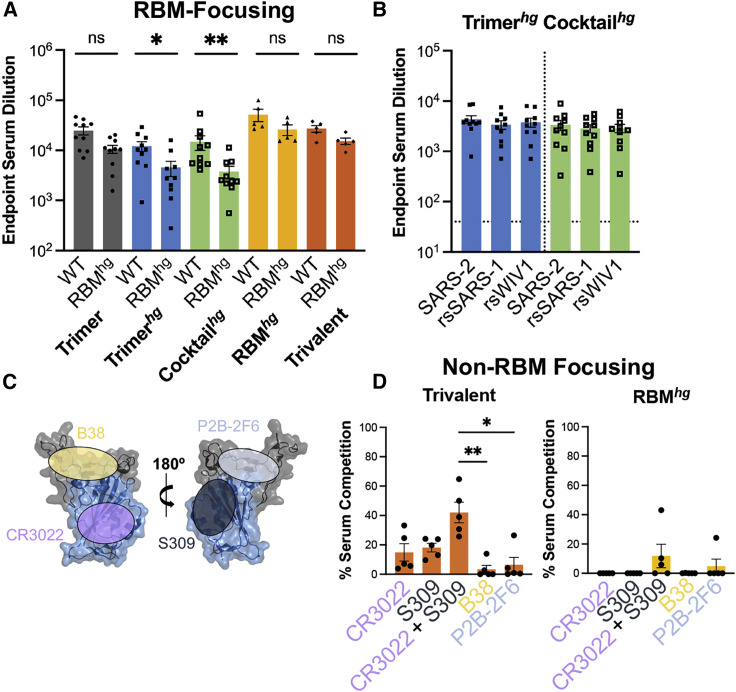
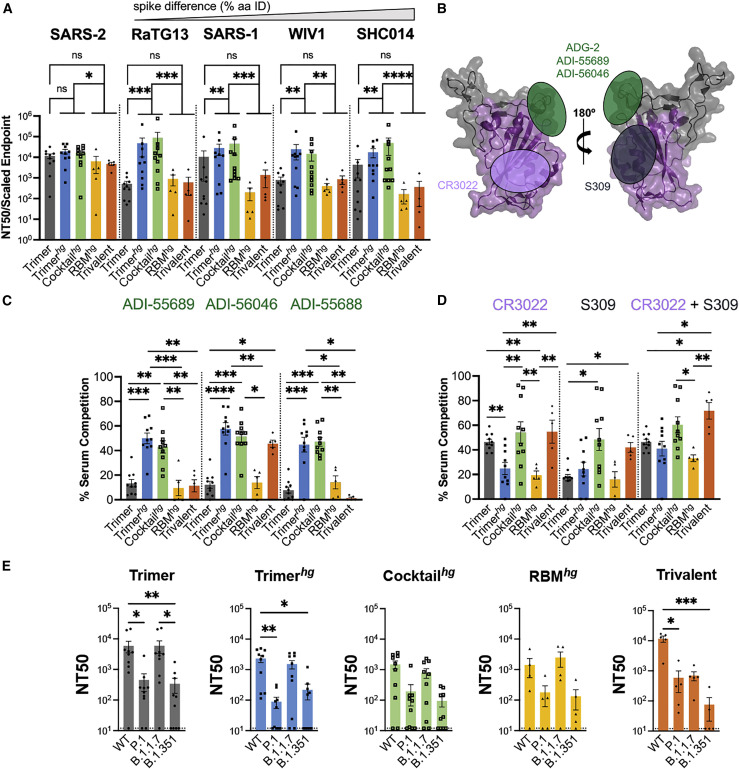
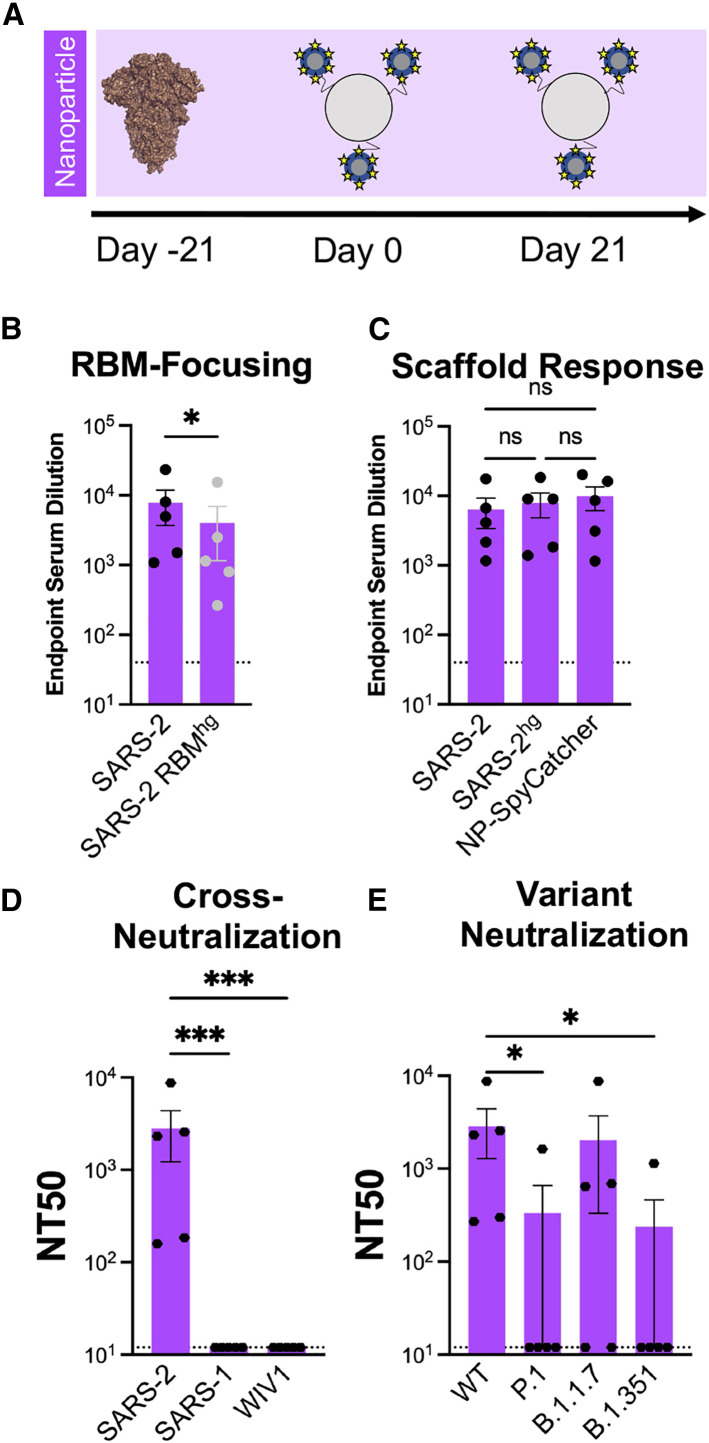
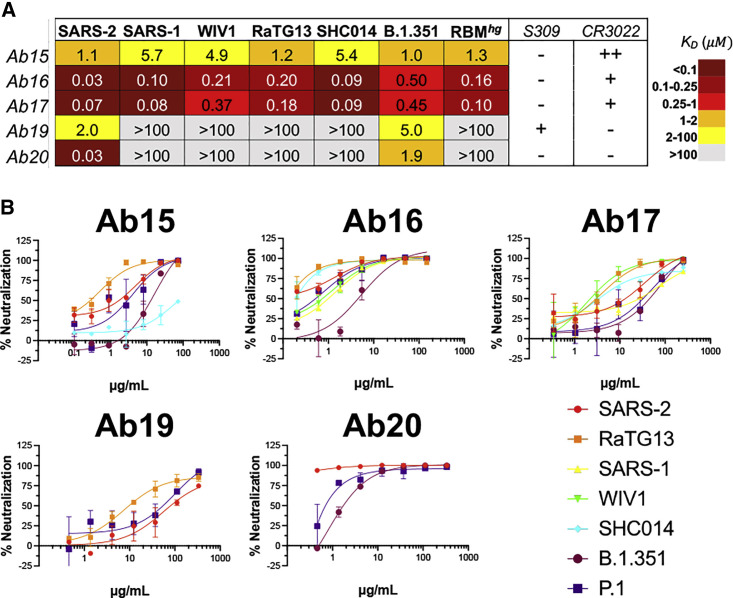
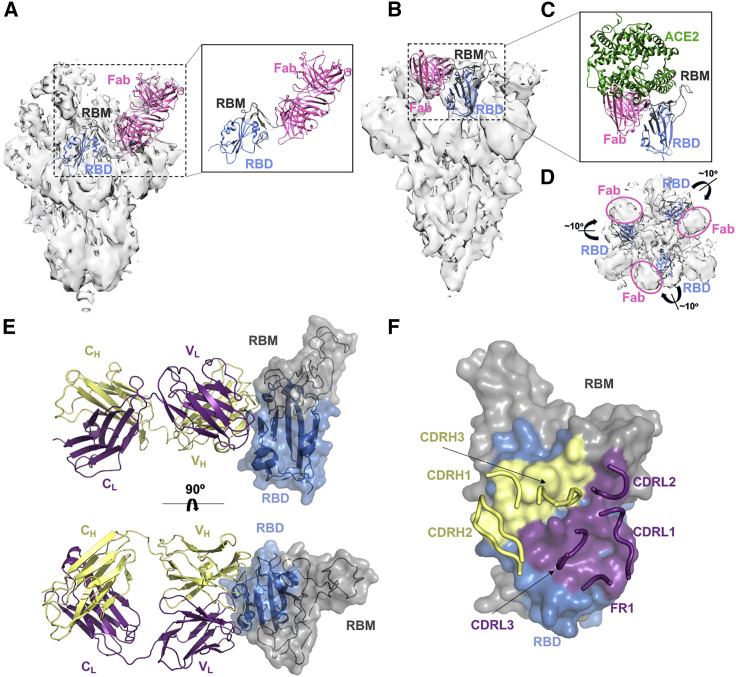
Eliciting antibodies to surface-exposed viral glycoproteins can generate protective responses that control and prevent future infections. Targeting conserved sites may reduce the likelihood of viral escape and limit the spread of related viruses with pandemic potential. Here we leverage rational immunogen design to focus humoral responses on conserved epitopes. Using glycan engineering and epitope scaffolding in boosting immunogens, we focus murine serum antibody responses to conserved receptor binding motif (RBM) and receptor binding domain (RBD) epitopes following severe acute respiratory syndrome coronavirus 2 (SARS-CoV-2) spike imprinting. Although all engineered immunogens elicit a robust SARS-CoV-2-neutralizing serum response, RBM-focusing immunogens exhibit increased potency against related sarbecoviruses, SARS-CoV, WIV1-CoV, RaTG13-CoV, and SHC014-CoV; structural characterization of representative antibodies defines a conserved epitope. RBM-focused sera confer protection against SARS-CoV-2 challenge. Thus, RBM focusing is a promising strategy to elicit breadth across emerging sarbecoviruses without compromising SARS-CoV-2 protection. These engineering strategies are adaptable to other viral glycoproteins for targeting conserved epitopes.
诱导针对表面暴露的病毒糖蛋白的抗体可以产生保护性反应,从而控制和预防未来的感染。针对保守位点可以降低病毒逃逸的可能性,并限制具有大流行潜力的相关病毒的传播。在这里,我们利用合理的免疫原设计将体液反应集中在保守表位上。通过糖基工程和增强免疫原中的表位支架,我们在严重急性呼吸系统综合征冠状病毒 2 (SARS-CoV-2) 刺突印迹后,将鼠血清抗体反应集中在保守的受体结合基序 (RBM) 和受体结合域 (RBD) 表位上。尽管所有工程化的免疫原都能引起强烈的 SARS-CoV-2 中和血清反应,但 RBM 聚焦免疫原对相关的沙贝科病毒、SARS-CoV、WIV1-CoV、RaTG13-CoV 和 SHC014-CoV 表现出更高的效力;代表性抗体的结构特征定义了一个保守表位。RBM 聚焦的血清可预防 SARS-CoV-2 攻击。因此,RBM 聚焦是一种有前途的策略,可以在不影响 SARS-CoV-2 保护的情况下,在新兴的沙贝科病毒中引起广泛的反应。这些工程策略适用于其他病毒糖蛋白,以靶向保守表位。