Buytaert Jan, Collins Paula, Abed Abud Adam, Allport Phil, Pazos Álvarez Antonio, Akiba Kazuyoshi, de Aguiar Francisco Oscar Augusto, Bay Aurelio, Bernard Florian, Baron Sophie, Bertella Claudia, Brunner Josef X, Bowcock Themis, Buytaert-De Jode Martine, Byczynski Wiktor, De Carvalho Ricardo, Coco Victor, Collins Ruth, Dikic Nikola, Dousse Nicolas, Dowd Bruce, Dreimanis Kārlis, Dumps Raphael, Durante Paolo, Fadel Walid, Farry Stephen, Fernàndez Prieto Antonio, Fernàndez Tèllez Arturo, Flynn Gordon, Franco Lima Vinicius, Frei Raymond, Gallas Torreira Abraham, García Chàvez Tonatiuh, Gazis Evangelos, Guida Roberto, Hennessy Karol, Henriques Andre, Hutchcroft David, Ilic Stefan, Ivanovs Artūrs, Jevtic Aleksandar, Jimenez Dominguez Emigdio, Joram Christian, Kapusniak Kacper, Lemos Cid Edgar, Lindner Jana, Lindner Rolf, Ivàn Martínez Hernàndez M, Meboldt Mirko, Milovanovic Marko, Mico Sylvain, Morant Johan, Morel Michel, Männel Georg, Murray Dónal, Nasteva Irina, Neufeld Niko, Neuhold Igor, Pardo-Sobrino López Francisco, Pèrez Trigo Eliseo, Pichel Jallas Gonzalo, Pilorz Edyta, Piquilloud Lise, Pons Xavier, Reiner David, Règules Medel Hector David, Rodríguez Ramírez Saul, Rodíguez Cahuantzi Mario, Roosens Carl, Rostalski Philipp, Sanders Freek, Saucet Eric, Schmid Daners Marianne, Schmidt Burkhard, Schoettker Patrick, Schwemmer Rainer, Schindler Heinrich, Sharma Archana, Sivakumaran Derick, Sigaud Christophe, Spitas Vasilios, Steffen Nicola, Svihra Peter, Tejeda Muñoz Guillermo, Tachatos Nikolaos, Tsolakis Efstratios, van Leemput Jan, Vignaux Laurence, Vasey Francois, Woonton Hamish, Wyllie Ken
European Organization for Nuclear Research, Espl. des Particules 1, 1211 Meyrin, Geneva, Switzerland.
Oliver Lodge Laboratory, University of Liverpool, Liverpool L69 7ZE, UK.
R Soc Open Sci. 2022 Mar 16;9(3):211519. doi: 10.1098/rsos.211519. eCollection 2022 Mar.
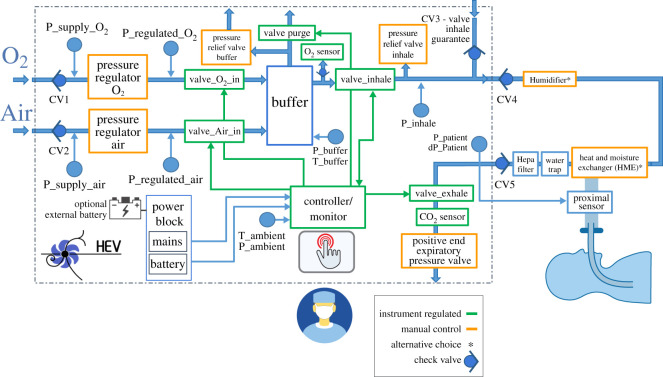
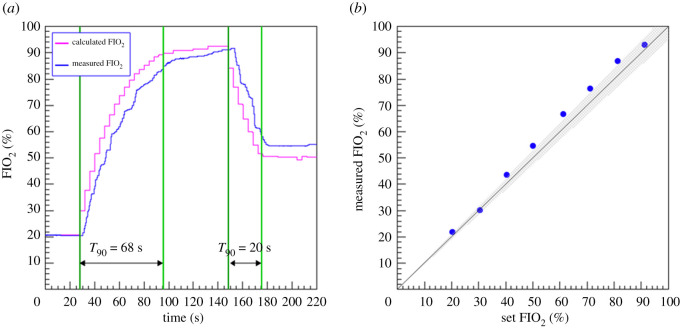
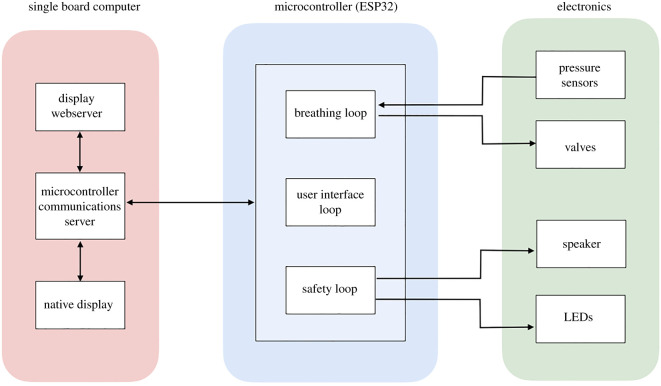
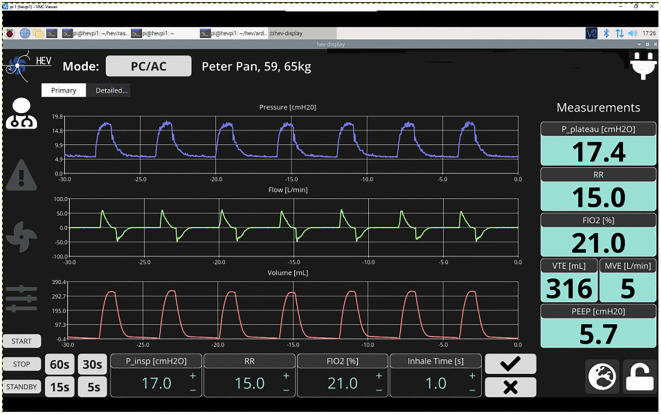
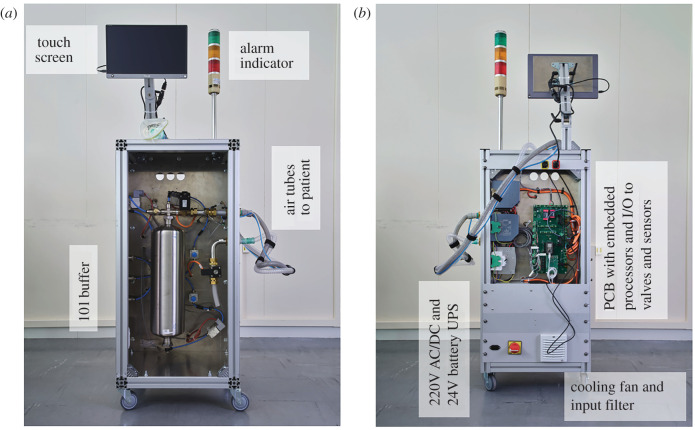
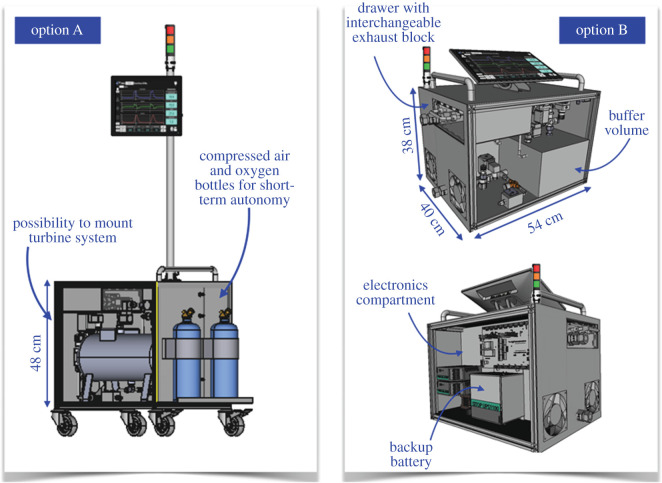
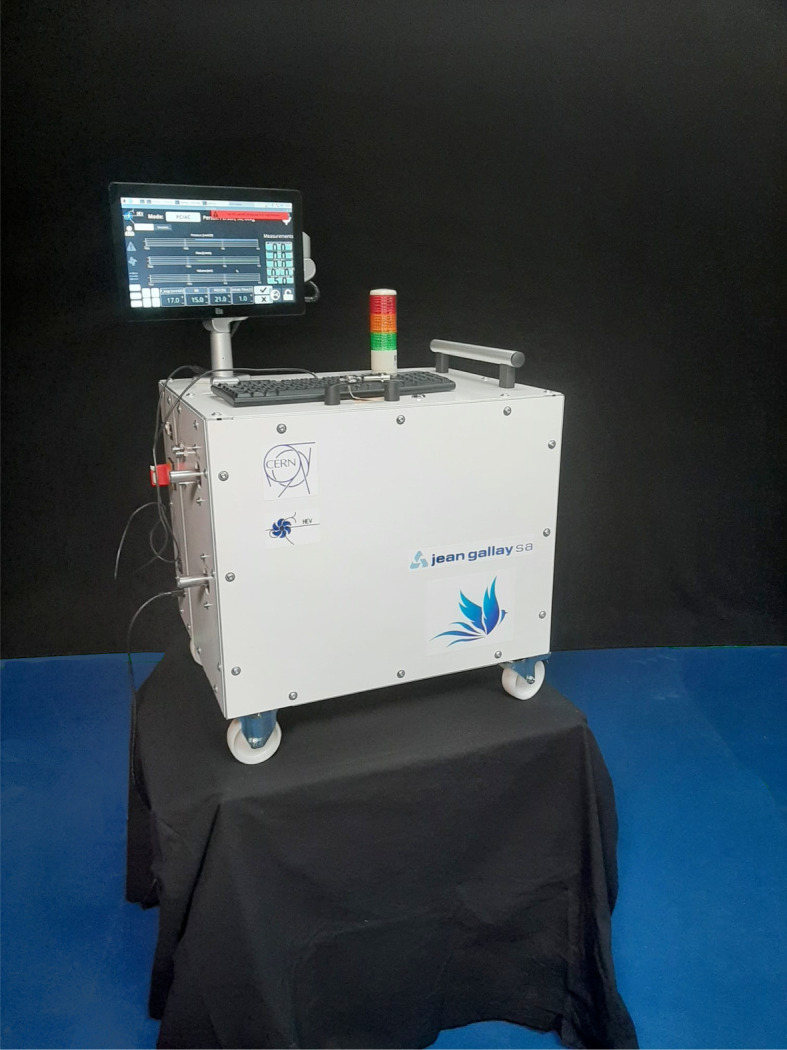
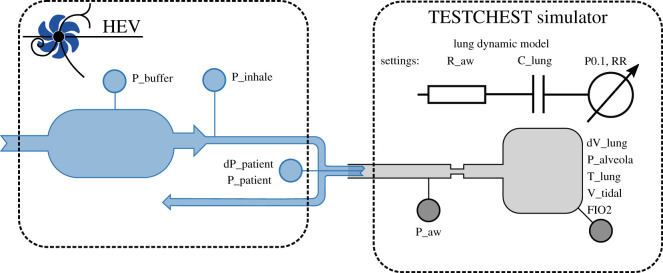
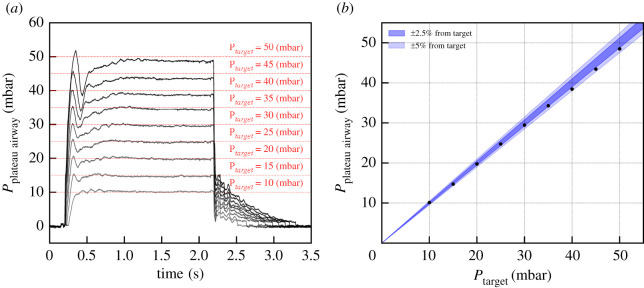
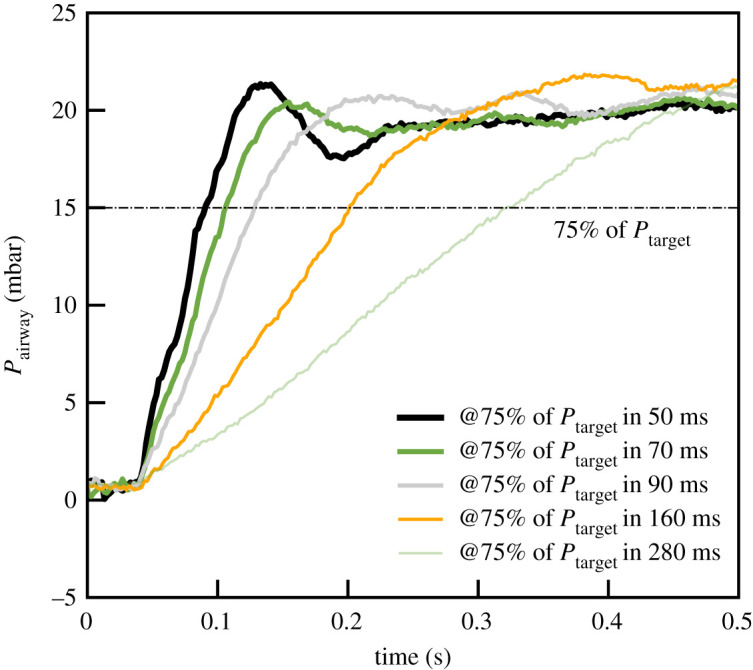
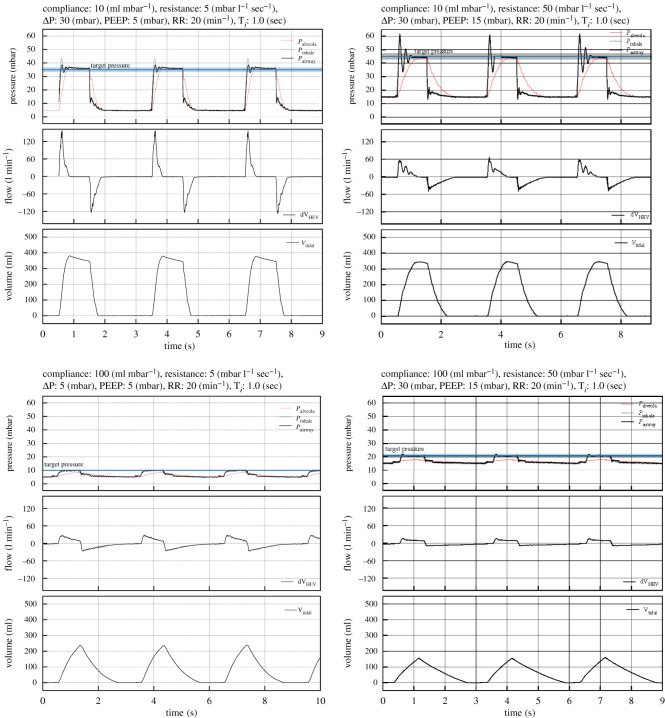
A high-quality, low-cost ventilator, dubbed HEV, has been developed by the particle physics community working together with biomedical engineers and physicians around the world. The HEV design is suitable for use both in and out of hospital intensive care units, provides a variety of modes and is capable of supporting spontaneous breathing and supplying oxygen-enriched air. An external air supply can be combined with the unit for use in situations where compressed air is not readily available. HEV supports remote training and post market surveillance via a Web interface and data logging to complement standard touch screen operation, making it suitable for a wide range of geographical deployment. The HEV design places emphasis on the ventilation performance, especially the quality and accuracy of the pressure curves, reactivity of the trigger, measurement of delivered volume and control of oxygen mixing, delivering a global performance which will be applicable to ventilator needs beyond the COVID-19 pandemic. This article describes the conceptual design and presents the prototype units together with a performance evaluation.
一种名为HEV的高质量、低成本呼吸机已由全球粒子物理界与生物医学工程师和医生合作开发出来。HEV设计适用于医院重症监护病房内外,提供多种模式,能够支持自主呼吸并供应富氧空气。在压缩空气不易获取的情况下,可将外部空气供应与该设备结合使用。HEV通过网络界面和数据记录支持远程培训和售后监测,以补充标准触摸屏操作,使其适用于广泛的地理部署。HEV设计注重通气性能,特别是压力曲线的质量和准确性、触发反应性、输送气量测量以及氧气混合控制,其整体性能将适用于新冠疫情之外的呼吸机需求。本文介绍了概念设计,并展示了原型设备以及性能评估。