Liu Shuhong, Zhao Liangjing, Liu Yang
Research Centre for Fluid-Structure Interactions, Department of Mechanical Engineering, The Hong Kong Polytechnic University, Hung Hom, Hong Kong SAR, China.
Department of Mechanical Engineering, Kowloon, Hong Kong SAR, China.
Front Bioeng Biotechnol. 2022 Mar 2;10:819716. doi: 10.3389/fbioe.2022.819716. eCollection 2022.
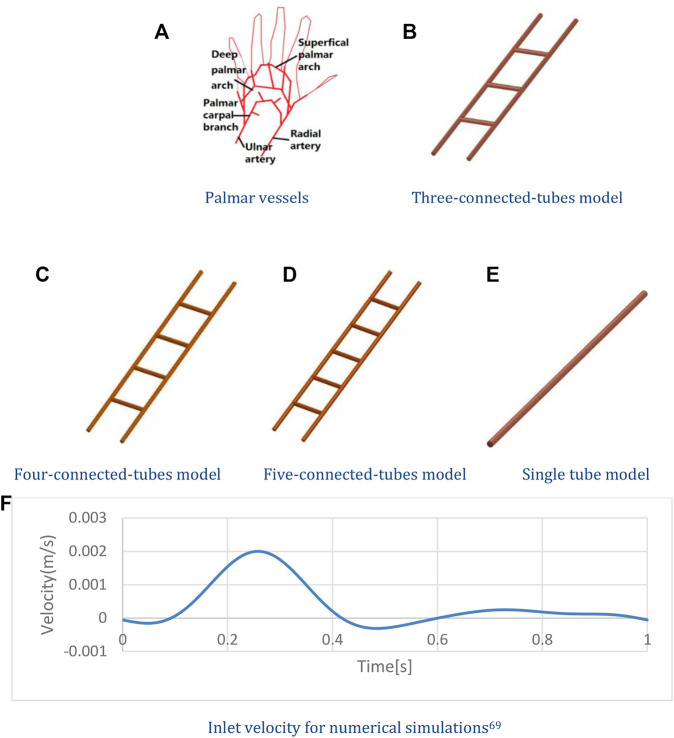
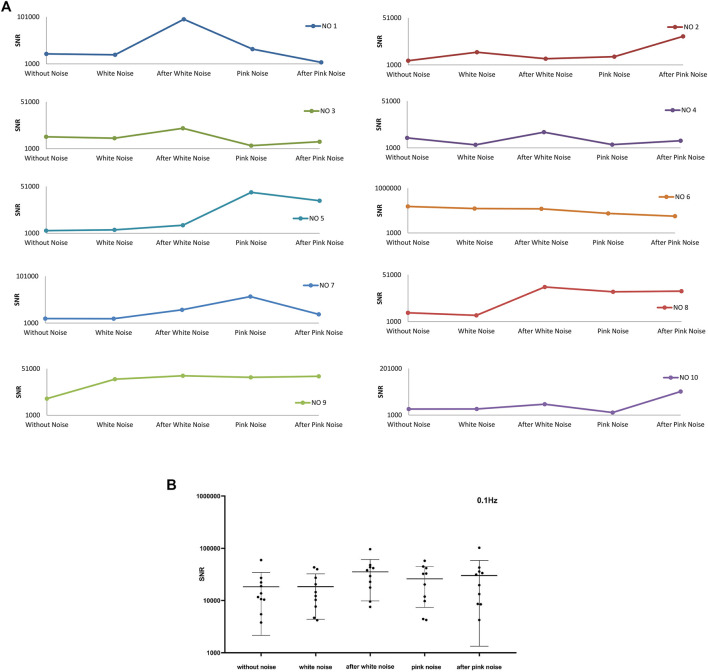
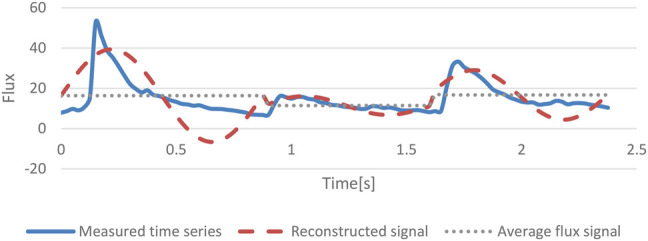
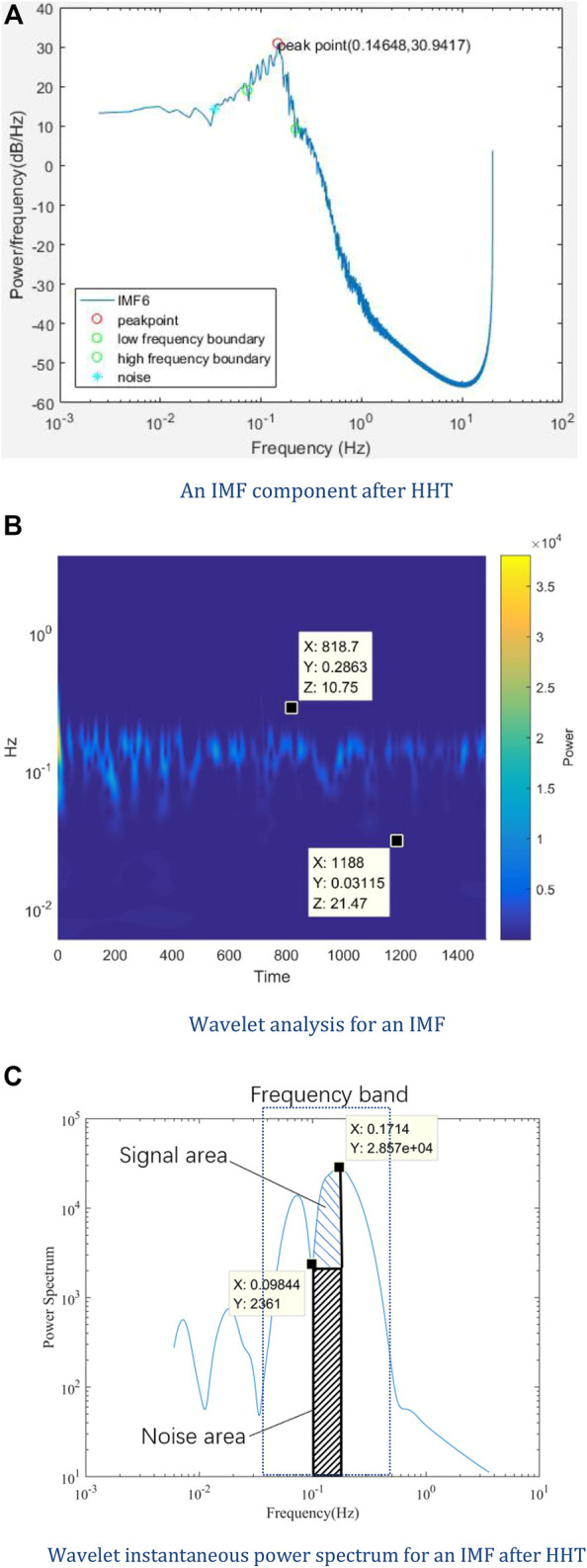
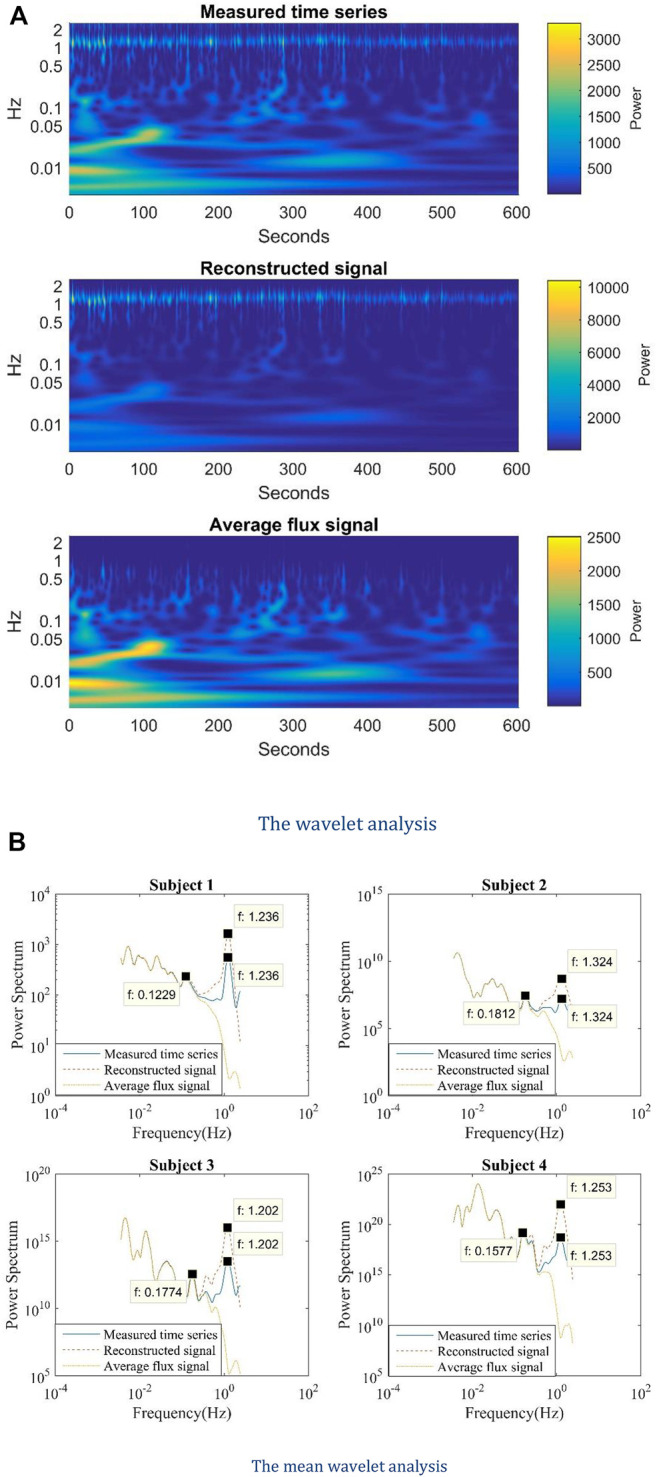
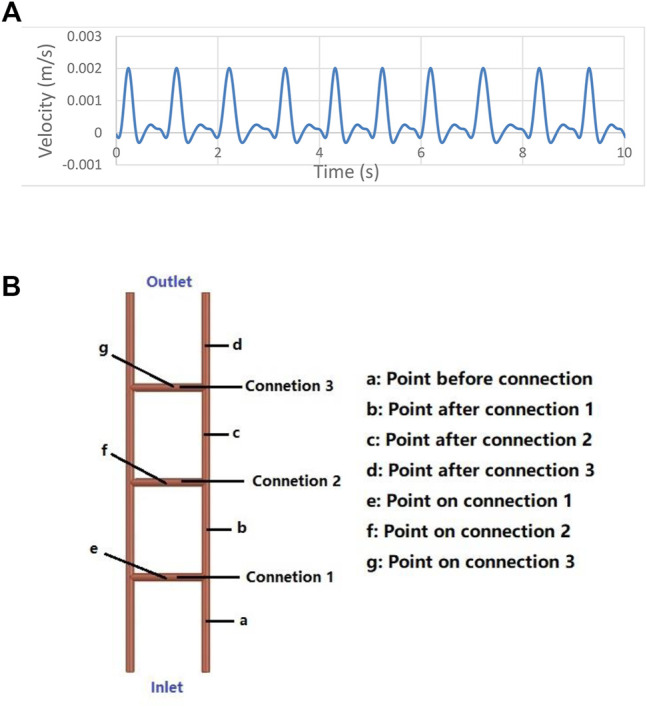
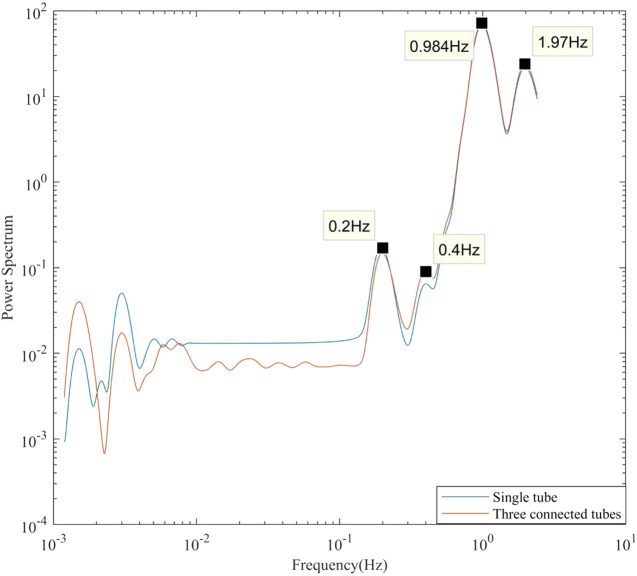
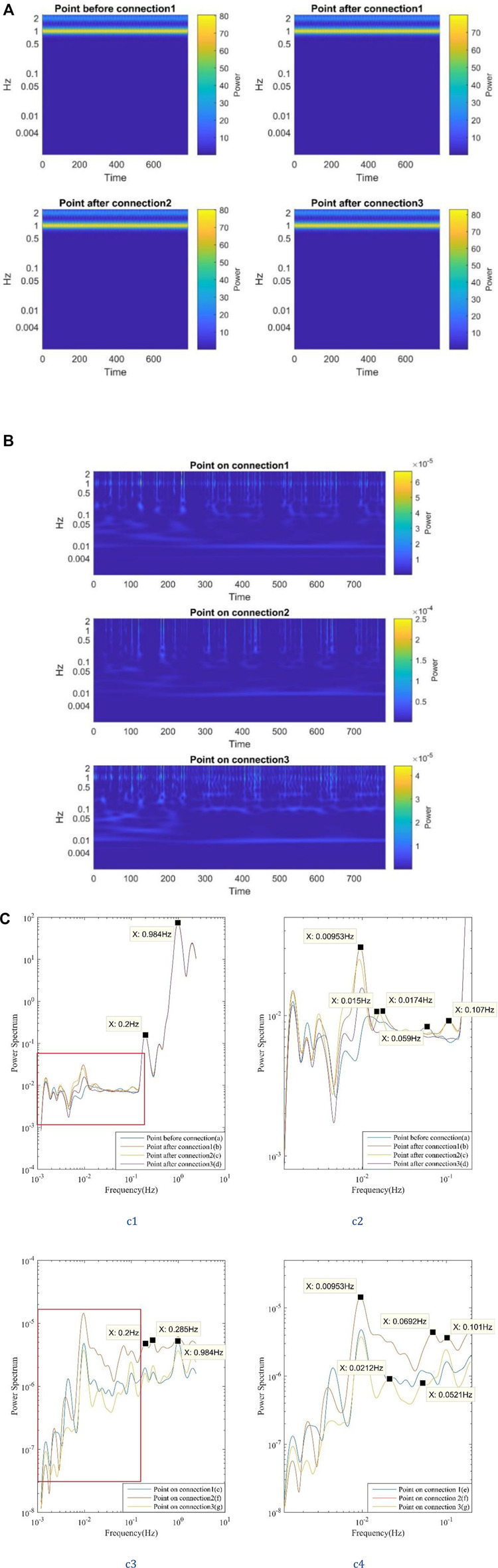
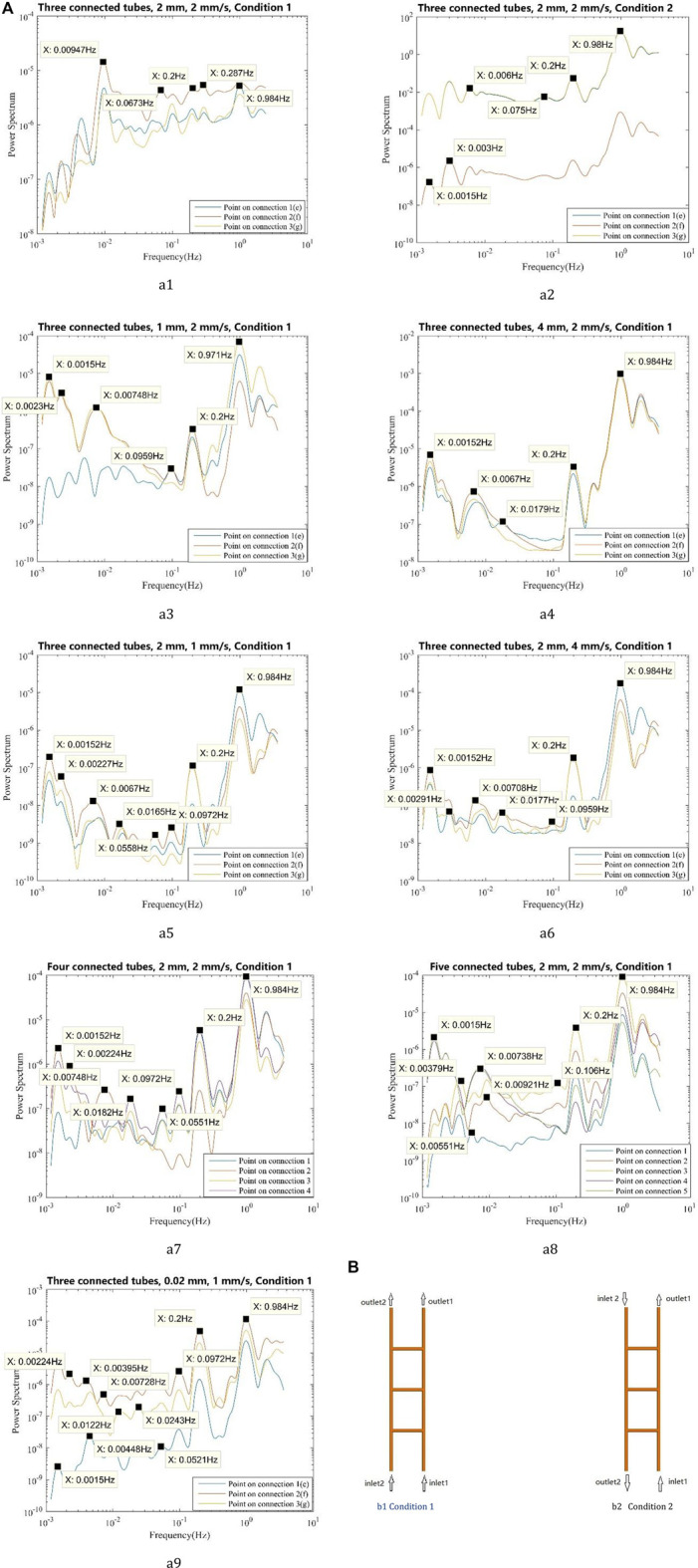
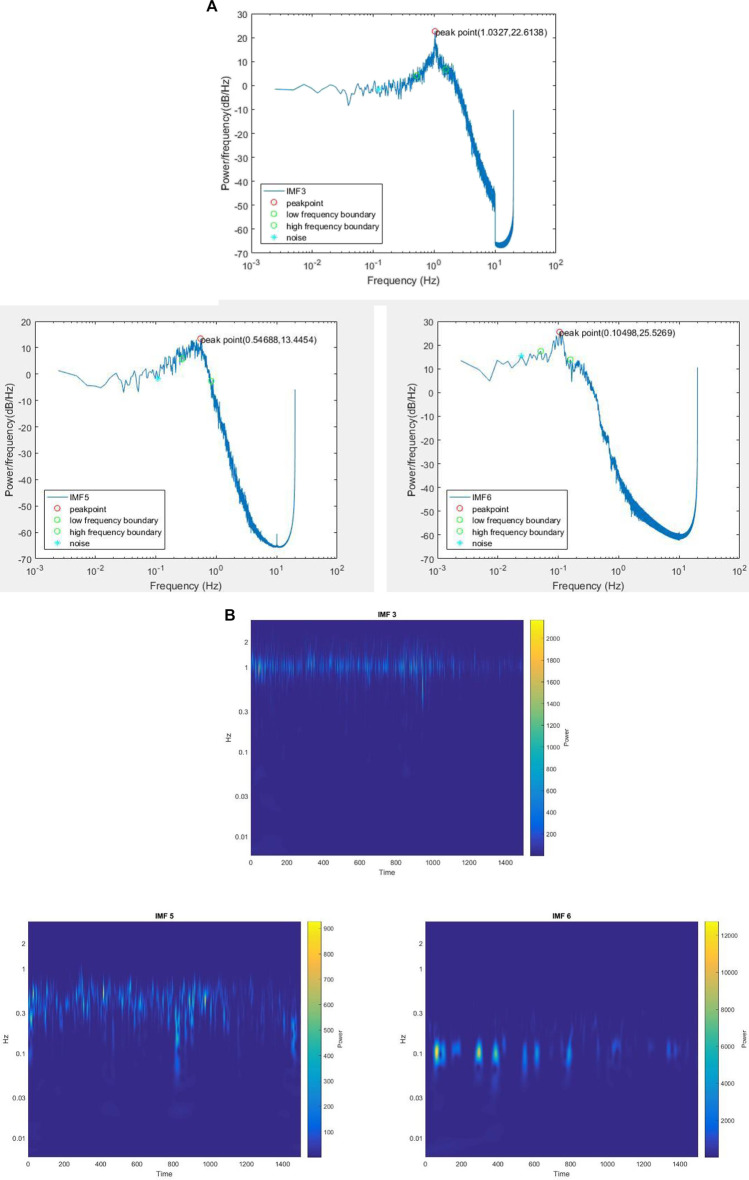
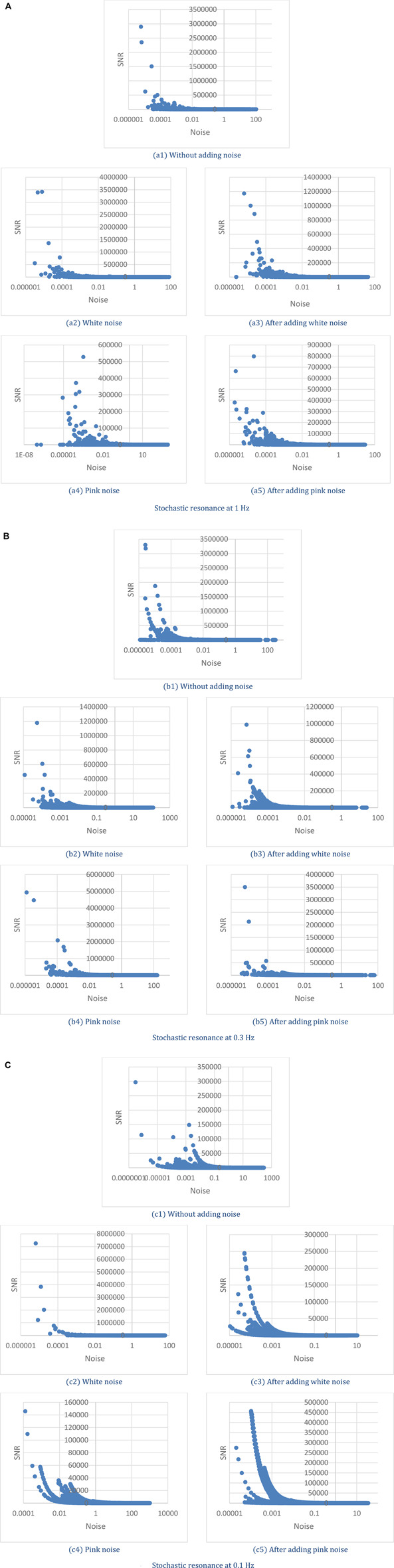
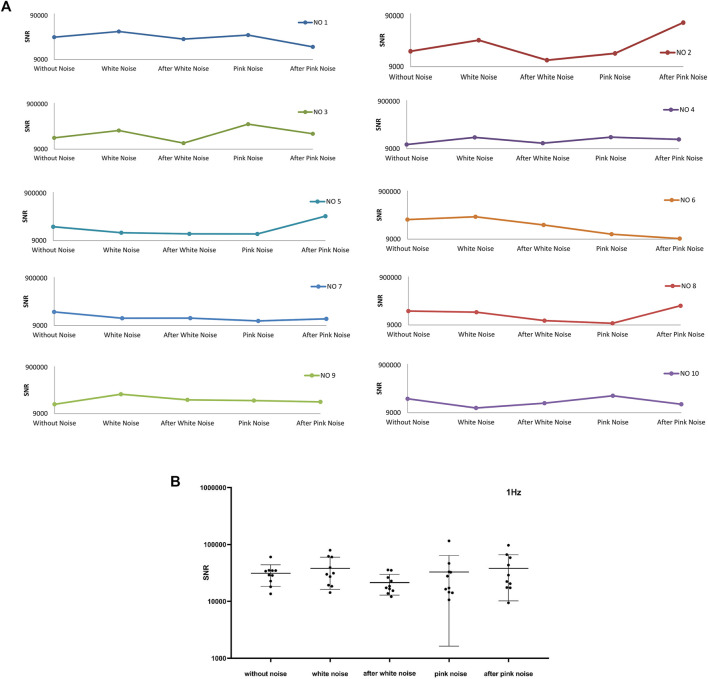
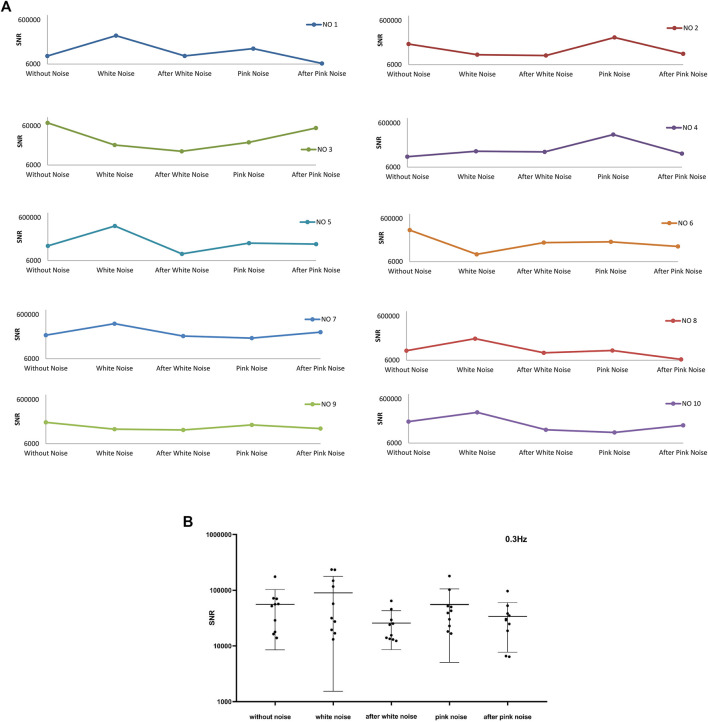
Vasomotion is the spontaneous time-dependent contraction and relaxation of micro arteries and the oscillating frequency is about 0.01-0.1 Hz. The physiological mechanism of vasomotion has not been thoroughly understood. From the dynamics point of view, the heartbeat is the only external loading exerted on the vascular system. We speculate that the nonlinear vascular system and the variable period of the heartbeat might induce the low-frequency vasomotion. In this study, the laser Doppler flowmeter is used to measure the time series of radial artery blood flow and reconstructed modified time series that has the same period as the measured time series but different heartbeat curves. We measured the time series of radial artery blood flow in different conditions by adding different noise disturbances on the forearm, and we decomposed the experiment pulse signal by Hilbert-Huang transform. The wavelet spectral analyses showed that the low-frequency components were induced by the variable period but independent of the shape of the heartbeat curve. Furthermore, we simulated the linear flow in a single pipe and the nonlinear flow in a piping network and found that the nonlinear flow would generate low-frequency components. From the results, we could deduce that the variable period of heartbeat and the nonlinearity of the vascular system induce vasomotion. The noise has effects on the blood signals related to the respiratory activities (∼0.3 Hz) but little influence on that related to the cardiac activities (∼1 Hz). Adding white noise and then stopping would induce an SNR increase in the frequency band related to vasomotion (∼0.1 Hz).
血管运动是微动脉随时间自发的收缩和舒张,其振荡频率约为0.01 - 0.1赫兹。血管运动的生理机制尚未完全明了。从动力学角度来看,心跳是施加于血管系统的唯一外部负荷。我们推测非线性血管系统和心跳的可变周期可能诱发低频血管运动。在本研究中,使用激光多普勒血流仪测量桡动脉血流的时间序列,并重建与测量时间序列具有相同周期但心跳曲线不同的修正时间序列。我们通过在前臂添加不同噪声干扰来测量不同条件下桡动脉血流的时间序列,并通过希尔伯特 - 黄变换对实验脉搏信号进行分解。小波谱分析表明,低频成分是由可变周期诱发的,而与心跳曲线的形状无关。此外,我们模拟了单管中的线性流动和管网中的非线性流动,发现非线性流动会产生低频成分。从结果中我们可以推断,心跳的可变周期和血管系统的非线性诱发了血管运动。噪声对与呼吸活动相关(约0.3赫兹)的血液信号有影响,但对与心脏活动相关(约1赫兹)的信号影响很小。添加白噪声然后停止会导致与血管运动相关频段(约0.1赫兹)的信噪比增加。