Su Fei, Liu Ming, Zhang Wei, Tang Min, Zhang Jinsong, Li Hexin, Zou Lihui, Zhang Rui, Liu Yudong, Li Lin, Ma Jie, Zhang Yaqun, Chen Meng, Xiao Fei
Clinical Biobank, Beijing Hospital, National Center of Gerontology, Institute of Geriatric Medicine, Chinese Academy of Medical Sciences, Beijing, China.
Department of Urology, Beijing Hospital, National Center of Gerontology, Institute of Geriatric Medicine, Chinese Academy of Medical Sciences, Beijing, China.
Front Oncol. 2022 Mar 3;12:842182. doi: 10.3389/fonc.2022.842182. eCollection 2022.
Calmette-Guérin (BCG) is currently the most effective intravesical therapy for non-muscle-invasive bladder cancer (NMIBC) as it can prevent disease recurrence and progression and lower mortality. However, the response rates to BCG vary widely and are dependent on a multitude of factors.
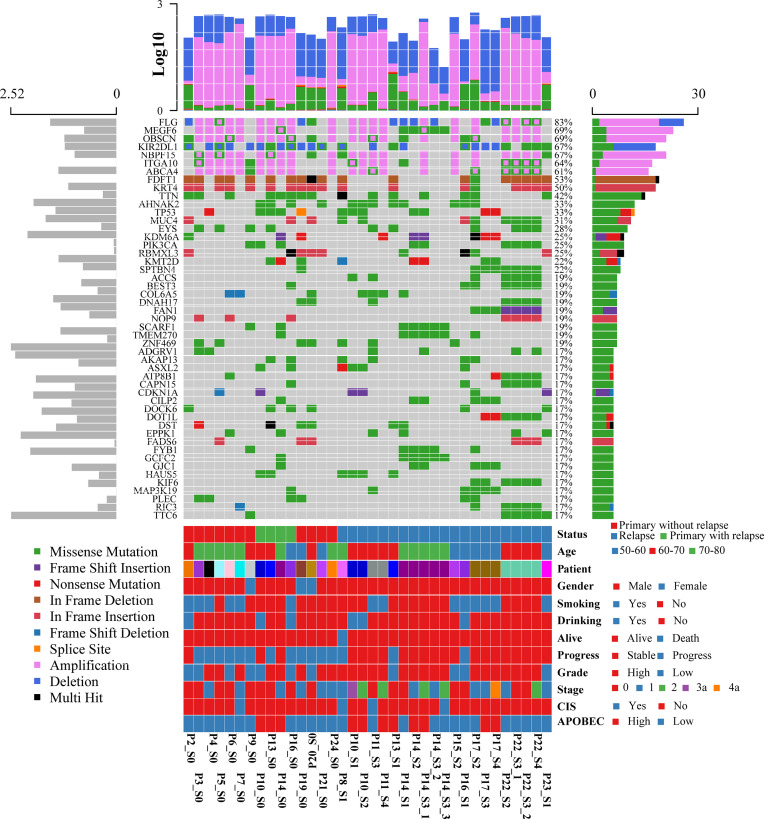
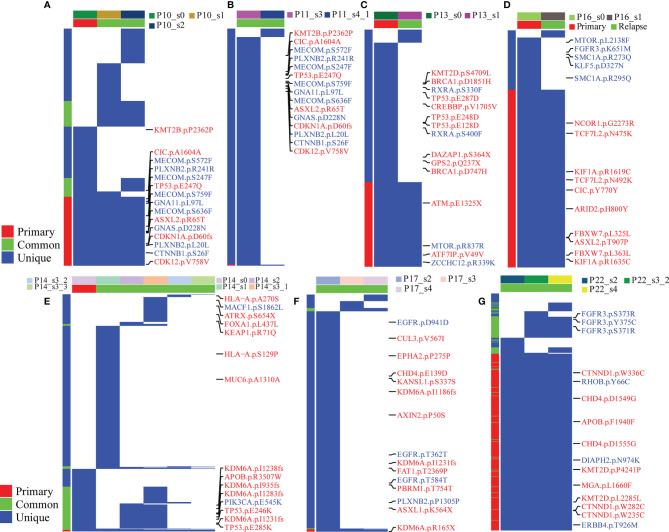
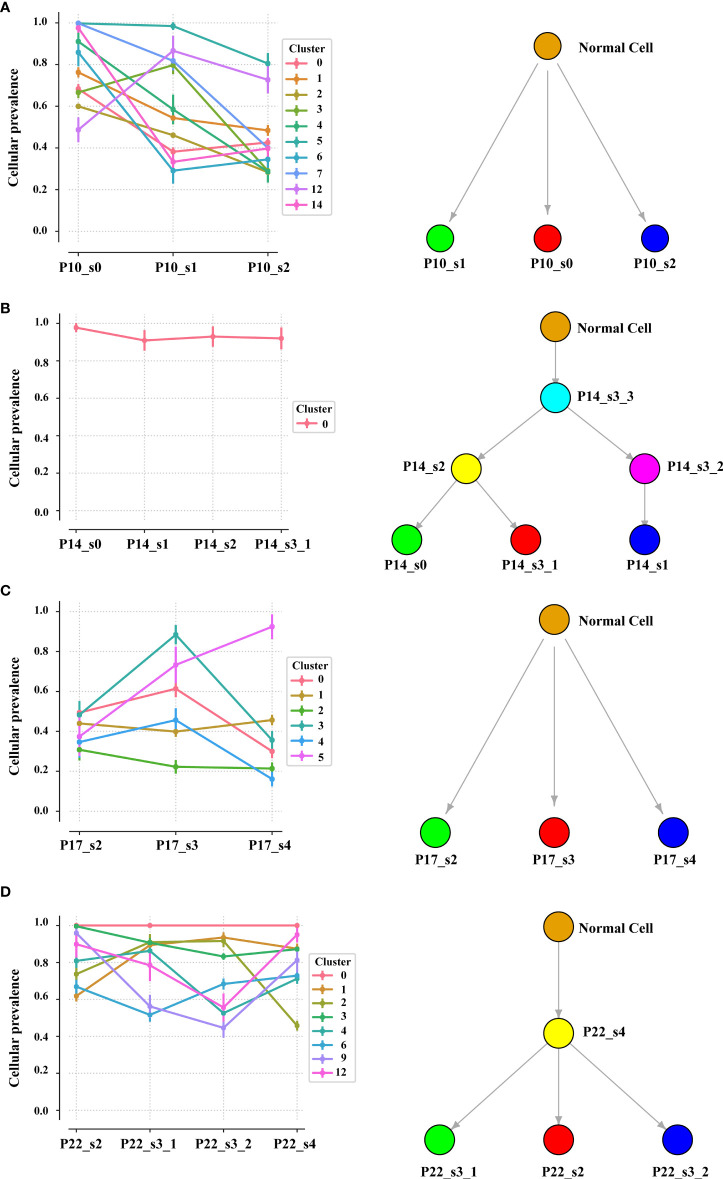
We performed a systematic discovery by analyzing the whole exome sequence, expression profile, and immune repertoire sequence of treatment-naive and 5-year time-serial relapsed tumors from 24 NMIBC patients.
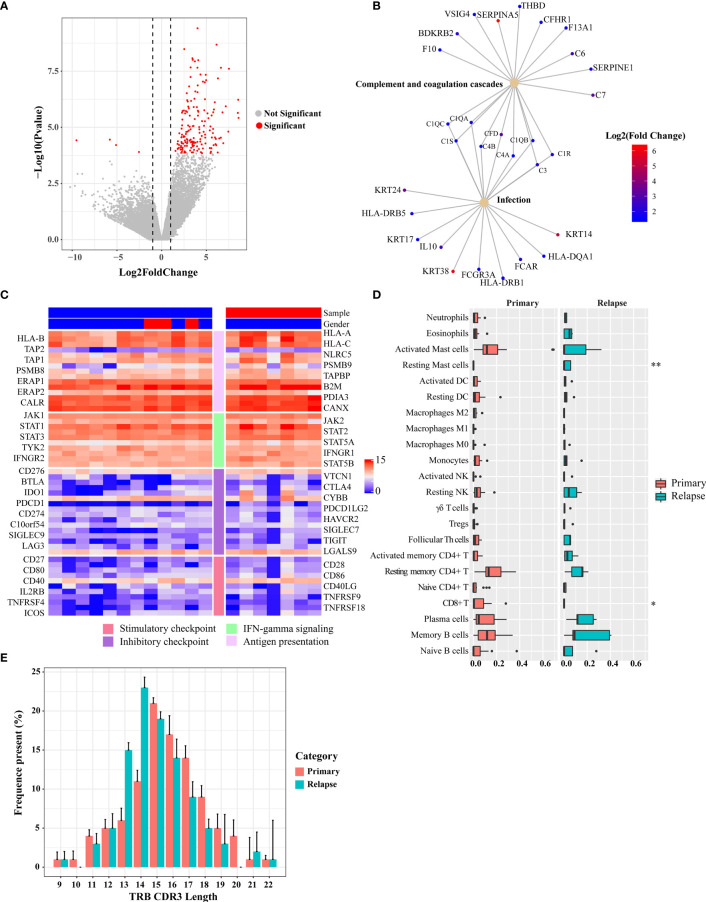
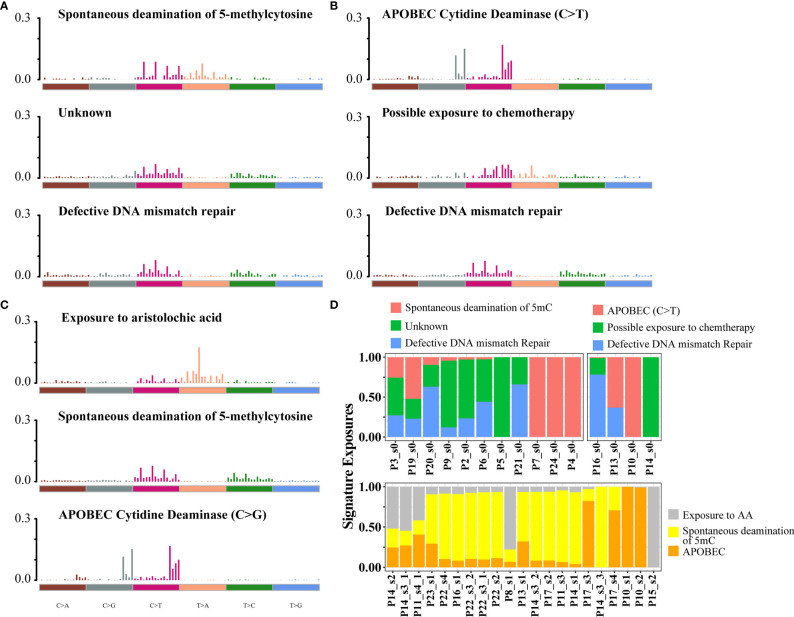
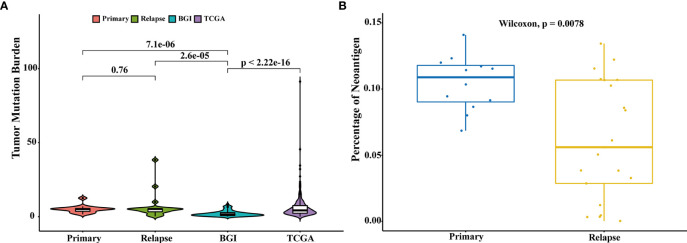
BCG therapy showed bidirectional effects on tumor evolution and immune checkpoint landscape, along with a significant reduction of the percentage of neoantigen burden. In addition, a remarkable proportion of subclonal mutations were unique to the matched pre- or post-treatment tumors, suggesting the presence of BCG-induced and/or spatial heterogeneity. In the relapsed tumors, we identified and validated a shift in the mutational signatures in which mutations associated with aristolochic acid (AA) exposure were enriched, implying AA may be associated with tumor recurrence. Enhanced expressions of immune checkpoint regulation genes were found in the relapsed tumors, suggesting that the combination of immune checkpoint with BCG treatment may be an effective strategy to treat NMIBC. TCR sequencing revealed treatment-associated changes in the T-cell repertoire in the primary and relapsed tumors.
Our results provide insight into the genomic and immune dynamics of tumor evolution with BCG treatment, suggest new mechanisms of BCG resistance, and inform the development of clinically relevant biomarkers and trials of potential immune checkpoint inhibitor combination therapies.
卡介苗(BCG)是目前治疗非肌层浸润性膀胱癌(NMIBC)最有效的膀胱内治疗方法,因为它可以预防疾病复发和进展并降低死亡率。然而,卡介苗的反应率差异很大,并且取决于多种因素。
我们通过分析24例NMIBC患者未经治疗的肿瘤以及5年时间序列复发肿瘤的全外显子组序列、表达谱和免疫组库序列进行了系统的探索。
卡介苗治疗对肿瘤进化和免疫检查点格局具有双向影响,同时新抗原负担百分比显著降低。此外,相当一部分亚克隆突变在匹配的治疗前或治疗后肿瘤中是独特的,这表明存在卡介苗诱导的和/或空间异质性。在复发肿瘤中,我们鉴定并验证了突变特征的转变,其中与马兜铃酸(AA)暴露相关的突变富集,这意味着AA可能与肿瘤复发有关。在复发肿瘤中发现免疫检查点调节基因的表达增强,这表明免疫检查点与卡介苗治疗联合可能是治疗NMIBC的有效策略。TCR测序揭示了原发性和复发肿瘤中T细胞库与治疗相关的变化。
我们的结果提供了对卡介苗治疗肿瘤进化的基因组和免疫动力学的见解,提出了卡介苗耐药的新机制,并为临床相关生物标志物的开发以及潜在免疫检查点抑制剂联合治疗的试验提供了信息。