Boichuk Sergei, Dunaev Pavel, Mustafin Ilshat, Mani Shinjit, Syuzov Kirill, Valeeva Elena, Bikinieva Firuza, Galembikova Aigul
Department of Pathology, Kazan State Medical University, 420012 Kazan, Russia.
Сentral Research Laboratory, Kazan State Medical University, 420012 Kazan, Russia.
Biomedicines. 2022 Mar 3;10(3):601. doi: 10.3390/biomedicines10030601.
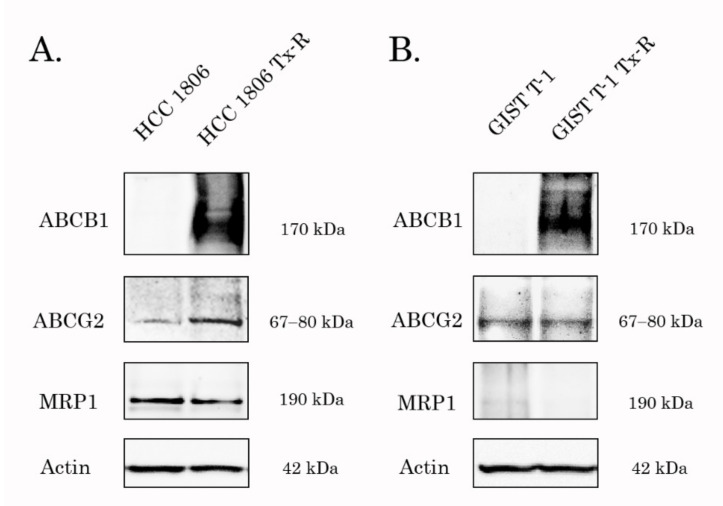
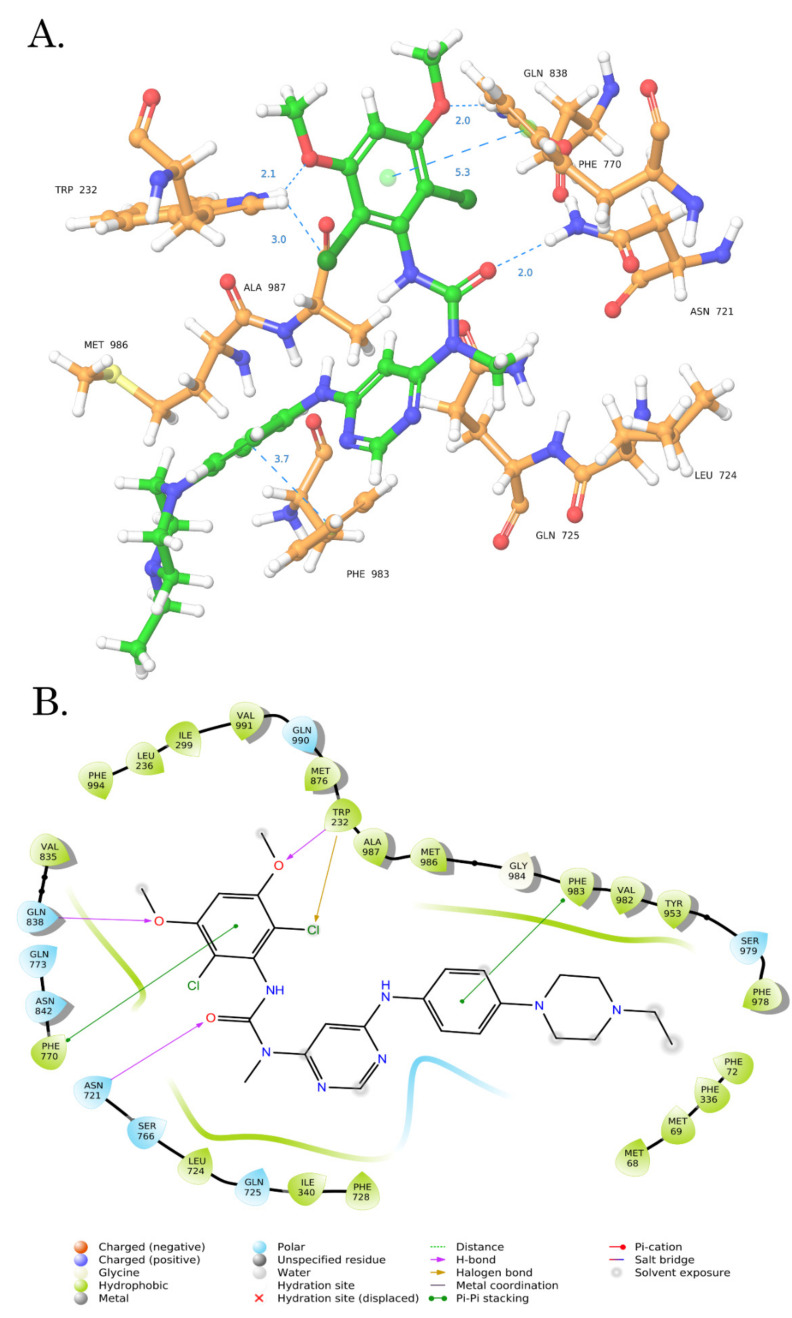
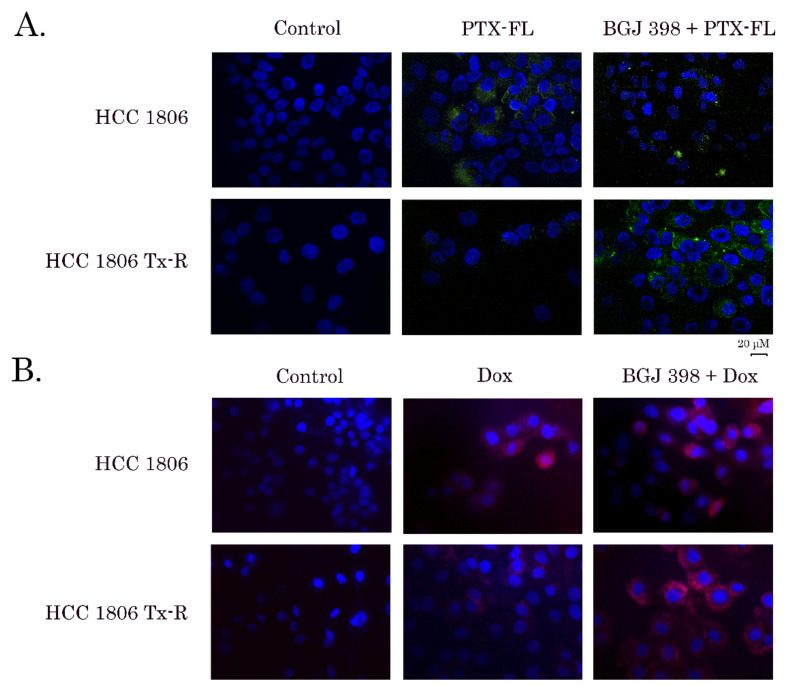
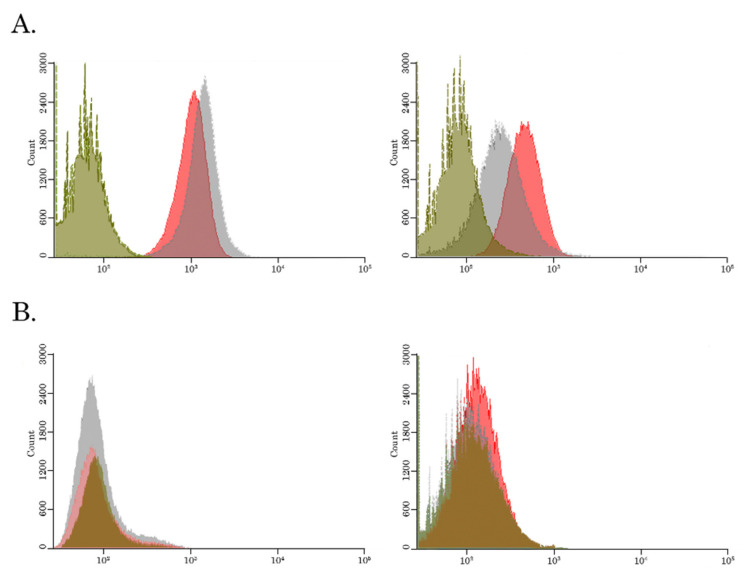
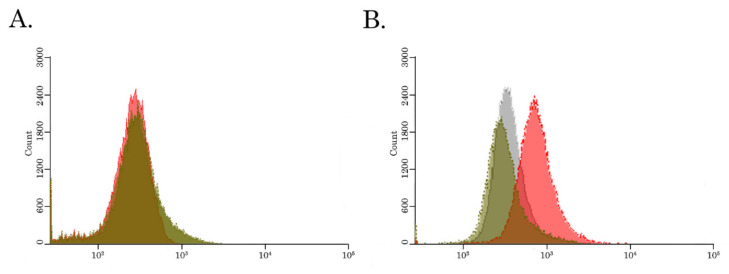
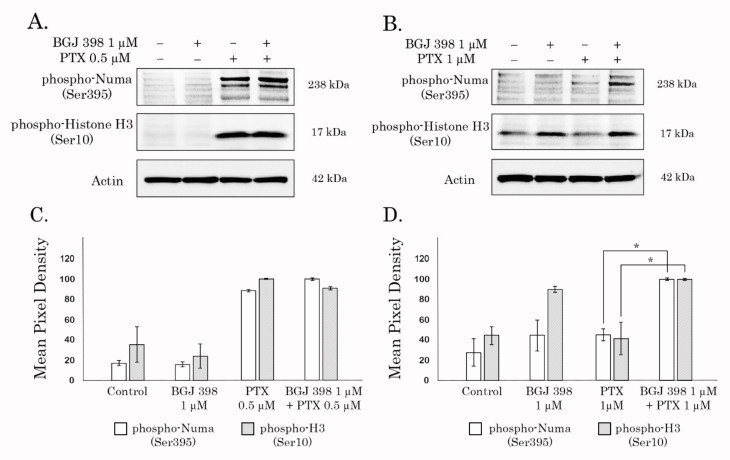
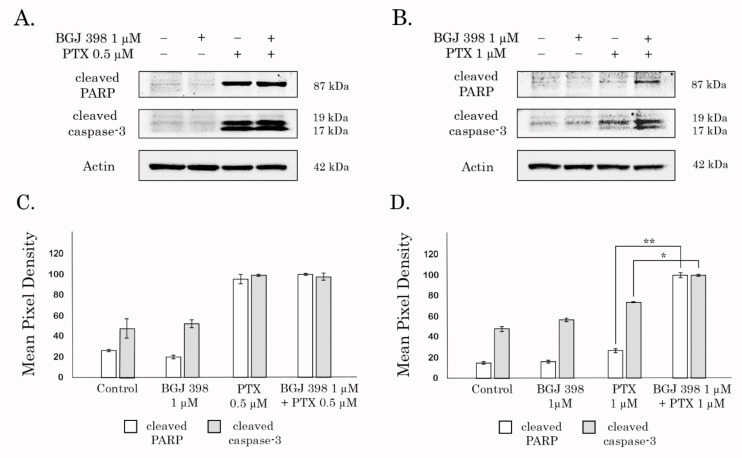
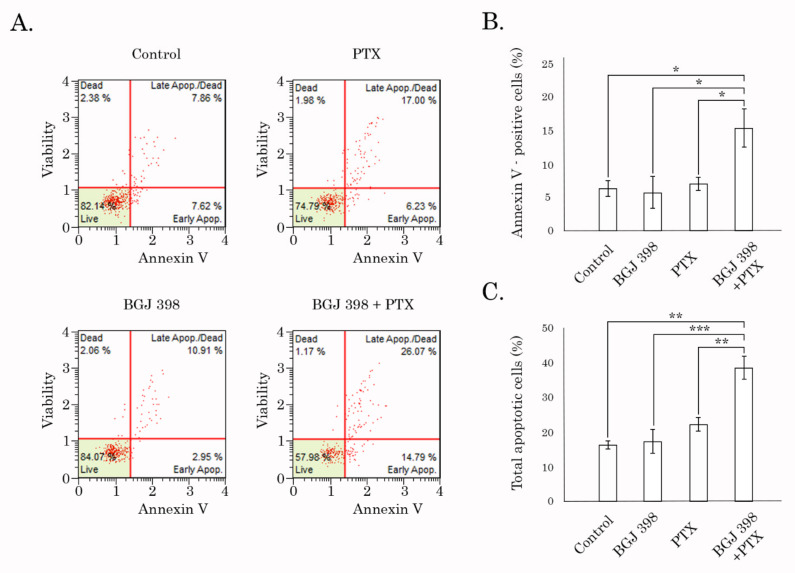
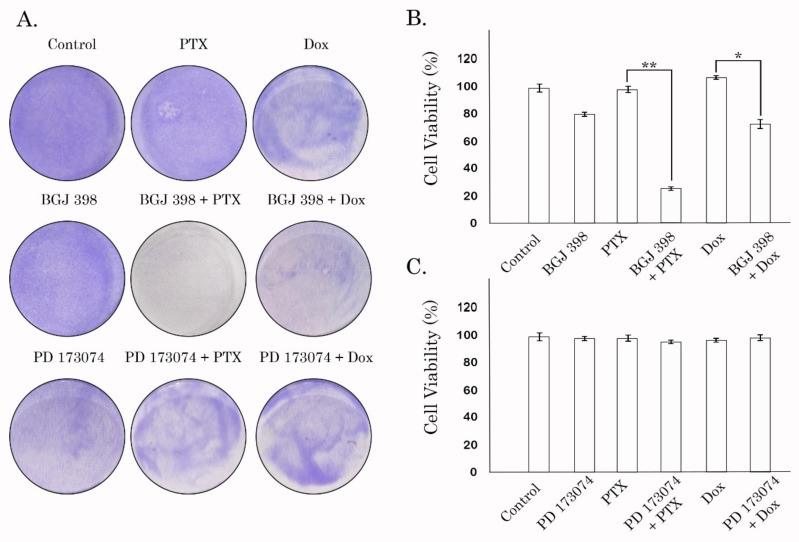
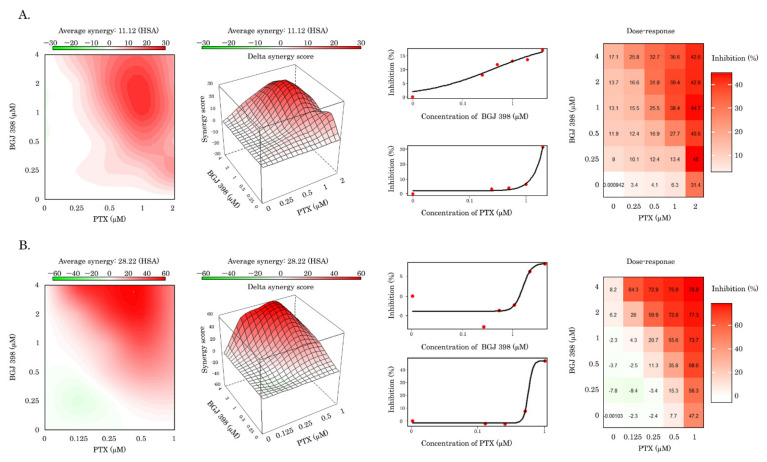
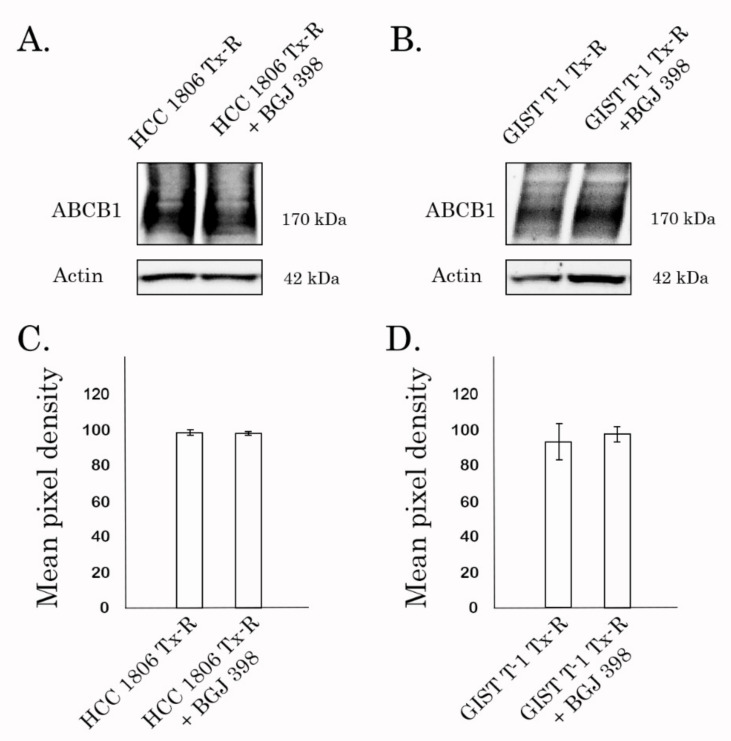
The microtubule-targeting agents (MTAs) are well-known chemotherapeutic agents commonly used for therapy of a broad spectrum of human malignancies, exhibiting epithelial origin, including breast, lung, and prostate cancer. Despite the impressive response rates shortly after initiation of MTA-based therapy, the vast majority of human malignancies develop resistance to MTAs due to the different mechanisms. Here, we report that infigratinib (BGJ 398), a potent FGFR1-4 inhibitor, restores sensitivity of a broad spectrum of ABCB1-overexpressing cancer cells to certain chemotherapeutic agents, including paclitaxel (PTX) and doxorubicin (Dox). This was evidenced for the triple-negative breast cancer (TNBC), and gastrointestinal stromal tumor (GIST) cell lines, as well. Indeed, when MDR-overexpressing cancer cells were treated with a combination of BGJ 398 and PTX (or Dox), we observed a significant increase of apoptosis which was evidenced by an increased expression of cleaved forms of PARP, caspase-3, and increased numbers of Annexin V-positive cells, as well. Moreover, BGJ 398 used in combination with PTX significantly decreased the viability and proliferation of the resistant cancer cells. As expected, no apoptosis was found in ABCB1-overexpressing cancer cells treated with PTX, Dox, or BGJ 398 alone. Inhibition of FGFR-signaling by BGJ 398 was evidenced by the decreased expression of phosphorylated (i.e., activated) forms of FGFR and FRS-2, a well-known adaptor protein of FGFR signaling, and downstream signaling molecules (e.g., STAT-1, -3, and S6). In contrast, expression of MDR-related ABC-transporters did not change after BGJ 398 treatment, thereby suggesting an impaired function of MDR-related ABC-transporters. By using the fluorescent-labeled chemotherapeutic agent PTX-Alexa488 (Flutax-2) and doxorubicin, exhibiting an intrinsic fluorescence, we found that BGJ 398 substantially impairs their efflux from MDR-overexpressing TNBC cells. Moreover, the efflux of Calcein AM, a well-known substrate for ABCB1, was also significantly impaired in BGJ 398-treated cancer cells, thereby suggesting the ABCB1 as a novel molecular target for BGJ 398. Of note, PD 173074, a potent FGFR1 and VEGFR2 inhibitor failed to retain chemotherapeutic agents inside ABCB1-overexpressing cells. This was consistent with the inability of PD 173074 to sensitize Tx-R cancer cells to PTX and Dox. Collectively, we show here for the first time that BGJ 398 reverses the sensitivity of MDR-overexpressing cancer cells to certain chemotherapeutic agents due to inhibition of their efflux from cancer cells via ABCB1-mediated mechanism.
微管靶向剂(MTAs)是众所周知的化疗药物,常用于治疗多种人类恶性肿瘤,这些肿瘤起源于上皮组织,包括乳腺癌、肺癌和前列腺癌。尽管基于MTAs的治疗开始后不久就有令人印象深刻的缓解率,但绝大多数人类恶性肿瘤由于不同的机制而对MTAs产生耐药性。在此,我们报告,强效FGFR1 - 4抑制剂英菲格拉替尼(BGJ 398)可恢复多种过表达ABCB1的癌细胞对某些化疗药物的敏感性,这些化疗药物包括紫杉醇(PTX)和多柔比星(Dox)。三阴乳腺癌(TNBC)和胃肠道间质瘤(GIST)细胞系也证实了这一点。确实,当用BGJ 398与PTX(或Dox)联合处理过表达多药耐药(MDR)的癌细胞时,我们观察到凋亡显著增加,这通过PARP、caspase - 3裂解形式的表达增加以及膜联蛋白V阳性细胞数量增加得以证实。此外,BGJ 398与PTX联合使用显著降低了耐药癌细胞的活力和增殖。正如预期的那样,单独用PTX、Dox或BGJ 398处理过表达ABCB1的癌细胞时未发现凋亡。BGJ 398对FGFR信号的抑制作用通过FGFR和FRS - 2(FGFR信号的一种著名衔接蛋白)的磷酸化(即活化)形式以及下游信号分子(如STAT - 1、 - 3和S6)表达的降低得以证实。相比之下,BGJ 398处理后MDR相关ABC转运蛋白的表达没有变化,从而表明MDR相关ABC转运蛋白的功能受损。通过使用荧光标记的化疗药物PTX - Alexa488(Flutax - 2)和具有内在荧光的多柔比星,我们发现BGJ 398显著损害了它们从过表达MDR的TNBC细胞中的外排。此外,在BGJ 398处理的癌细胞中,ABCB1的一种著名底物钙黄绿素AM的外排也显著受损,从而表明ABCB1是BGJ 398的一个新分子靶点。值得注意的是,强效FGFR1和VEGFR2抑制剂PD 173074未能将化疗药物保留在过表达ABCB1的细胞内。这与PD 173074不能使Tx - R癌细胞对PTX和Dox敏感一致。总体而言,我们在此首次表明,BGJ 398通过抑制化疗药物经ABCB1介导的机制从癌细胞中外排,逆转了过表达MDR的癌细胞对某些化疗药物的敏感性。