• 文献检索
  • 文档翻译
  • 深度研究
  • 学术资讯
  • Suppr Zotero 插件Zotero 插件
  • 邀请有礼
  • 套餐&价格
  • 历史记录
应用&插件
Suppr Zotero 插件Zotero 插件浏览器插件Mac 客户端Windows 客户端微信小程序
定价
高级版会员购买积分包购买API积分包
服务
文献检索文档翻译深度研究API 文档MCP 服务
关于我们
关于 Suppr公司介绍联系我们用户协议隐私条款
关注我们

Suppr 超能文献

核心技术专利:CN118964589B侵权必究
粤ICP备2023148730 号-1Suppr @ 2026

文献检索

告别复杂PubMed语法,用中文像聊天一样搜索,搜遍4000万医学文献。AI智能推荐,让科研检索更轻松。

立即免费搜索

文件翻译

保留排版,准确专业,支持PDF/Word/PPT等文件格式,支持 12+语言互译。

免费翻译文档

深度研究

AI帮你快速写综述,25分钟生成高质量综述,智能提取关键信息,辅助科研写作。

立即免费体验

外加剂对碱激发材料耐久性及物理力学性能的影响

Effect of Admixtures on Durability and Physical-Mechanical Properties of Alkali-Activated Materials.

作者信息

Procházka Lukáš, Boháčová Jana, Vojvodíková Barbara

机构信息

Faculty of Civil Engineering, VSB-Technical University of Ostrava, L. Podeste 1875, 70800 Ostrava, Czech Republic.

出版信息

Materials (Basel). 2022 Mar 8;15(6):2010. doi: 10.3390/ma15062010.

DOI:10.3390/ma15062010
PMID:35329461
原文链接:https://pmc.ncbi.nlm.nih.gov/articles/PMC8955892/
Abstract

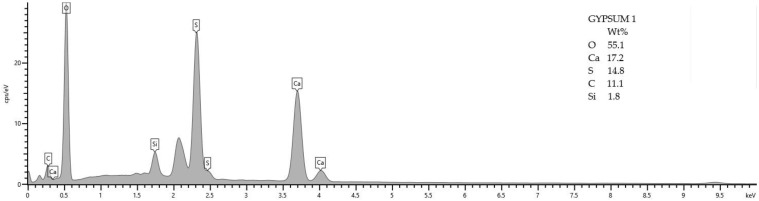
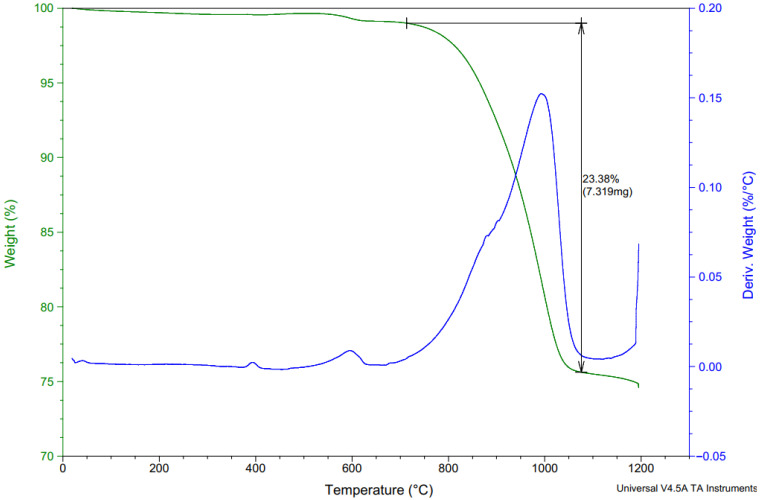
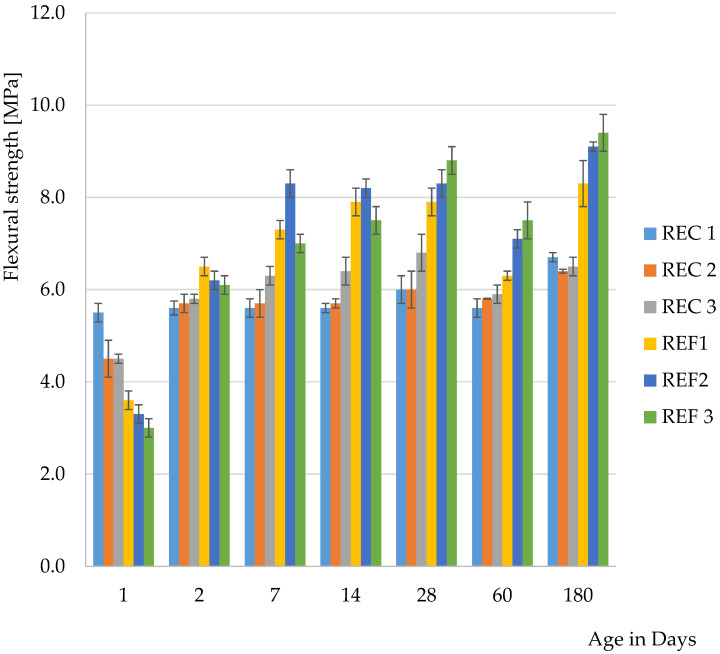
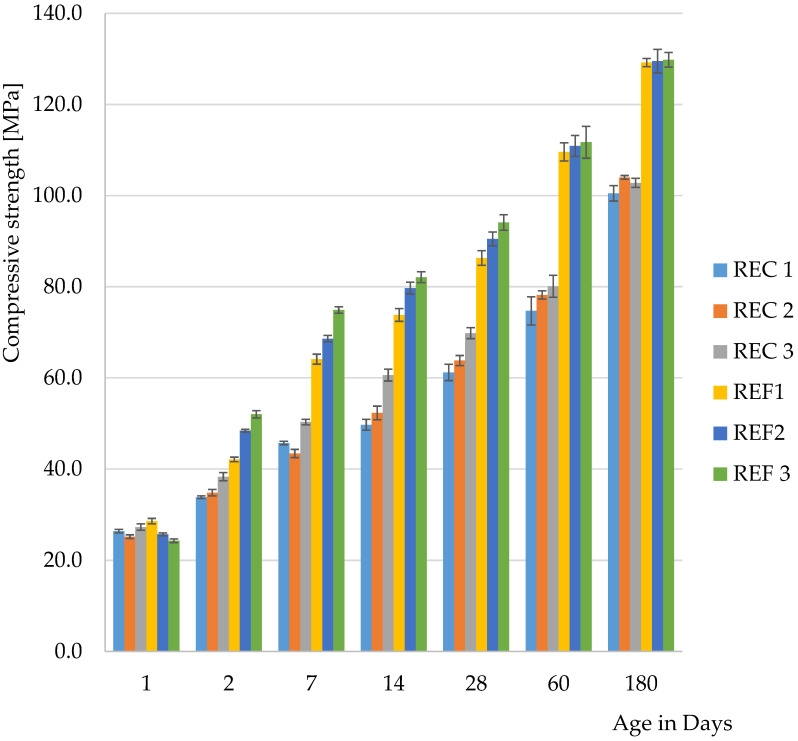
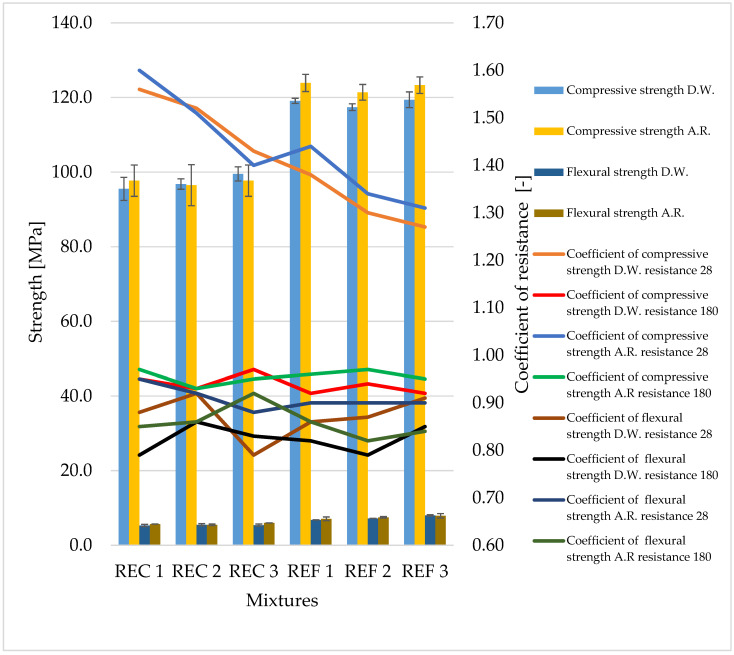
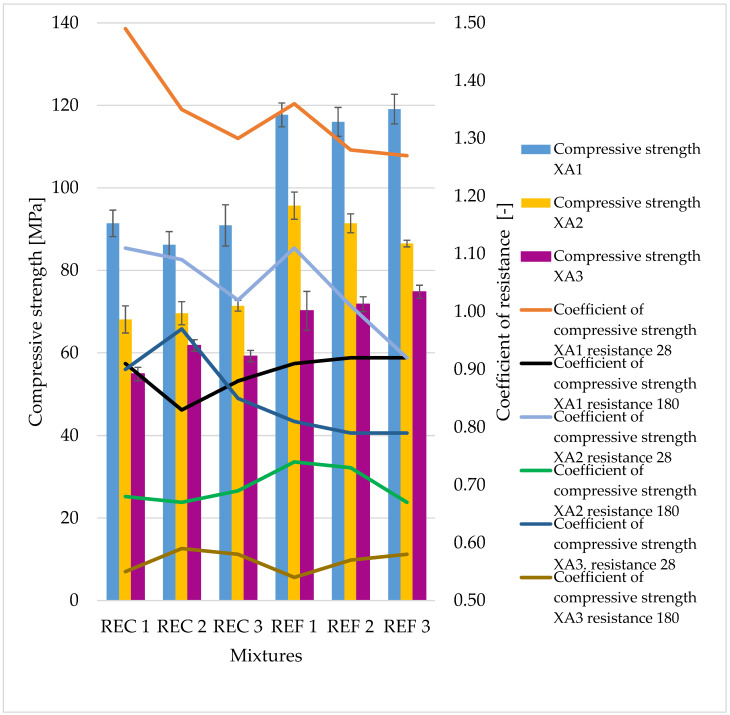
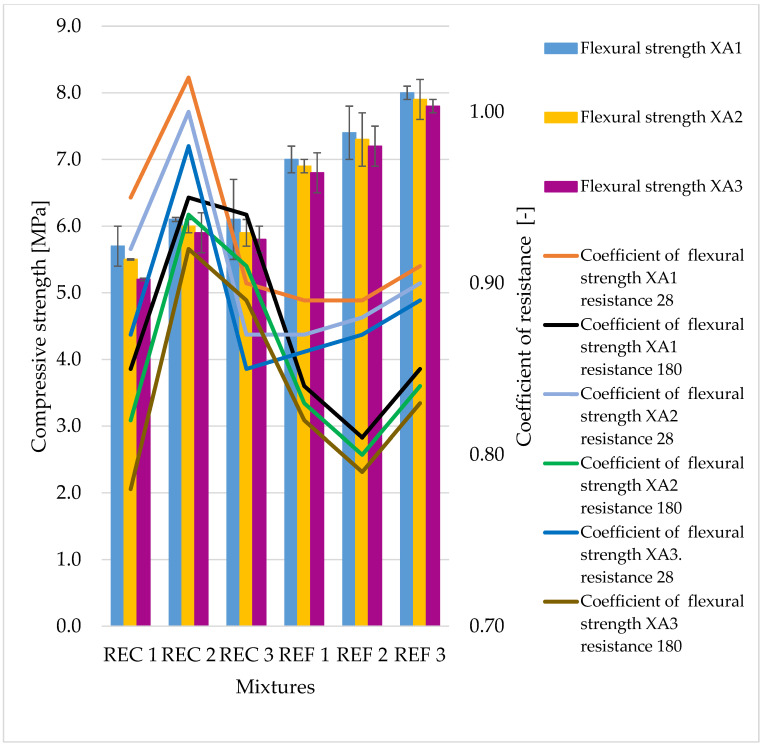
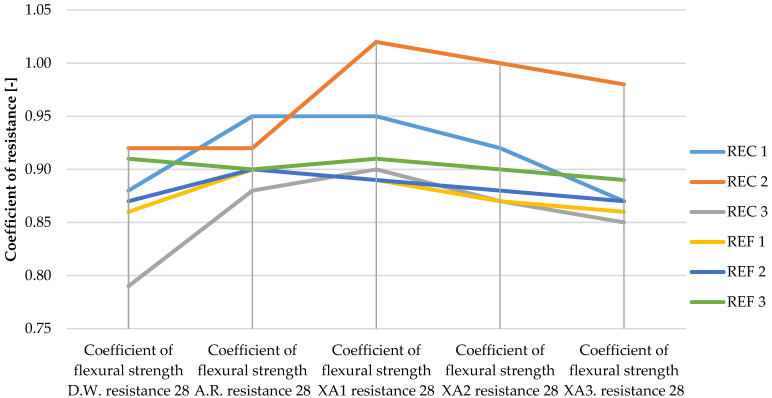
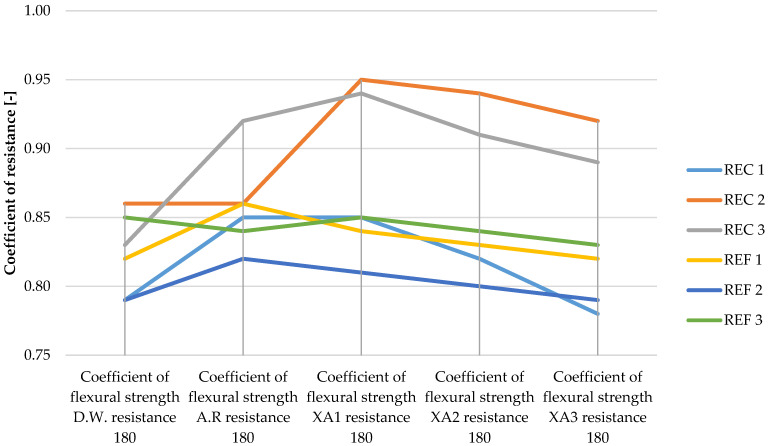
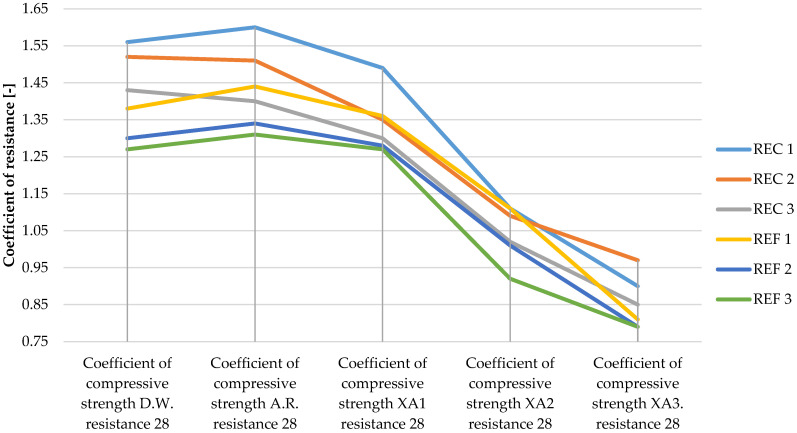
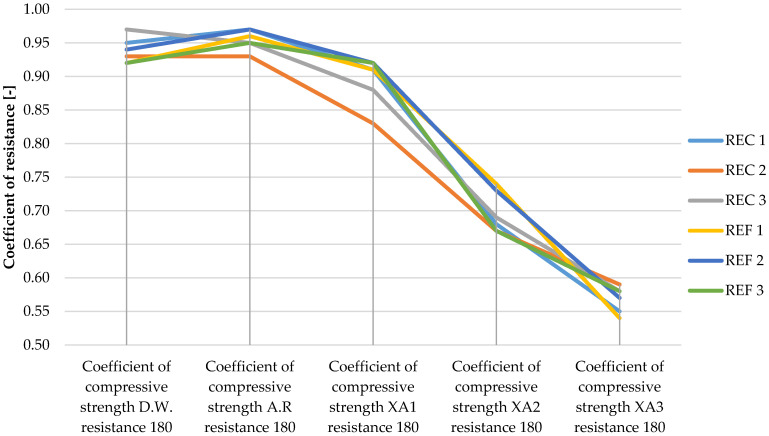
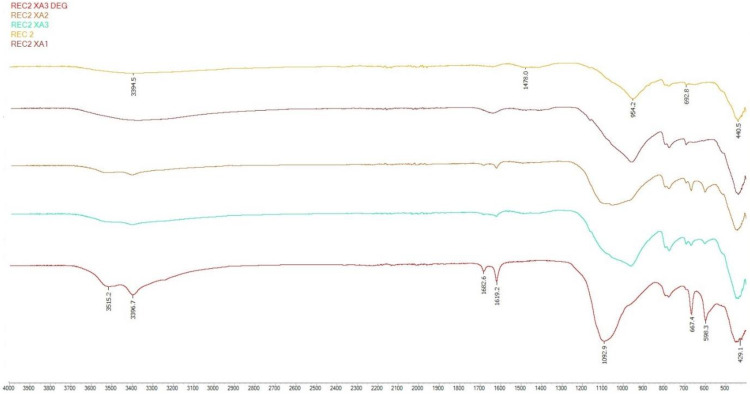
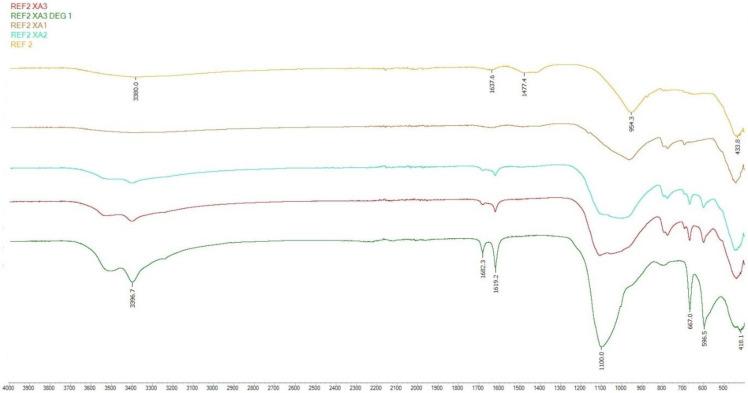
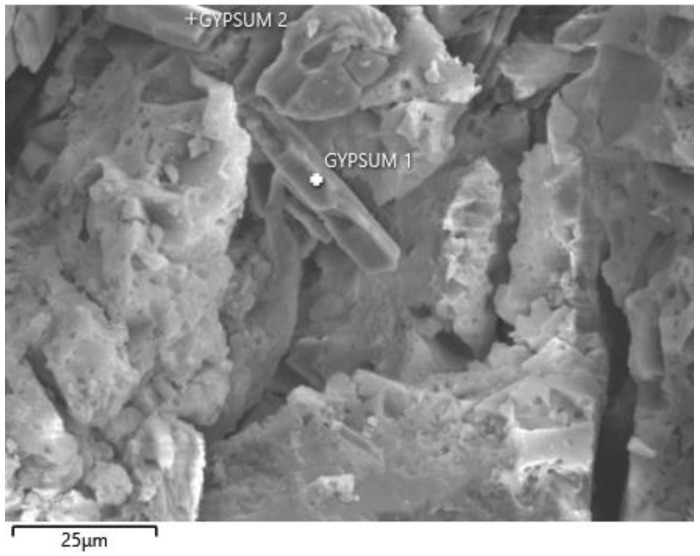
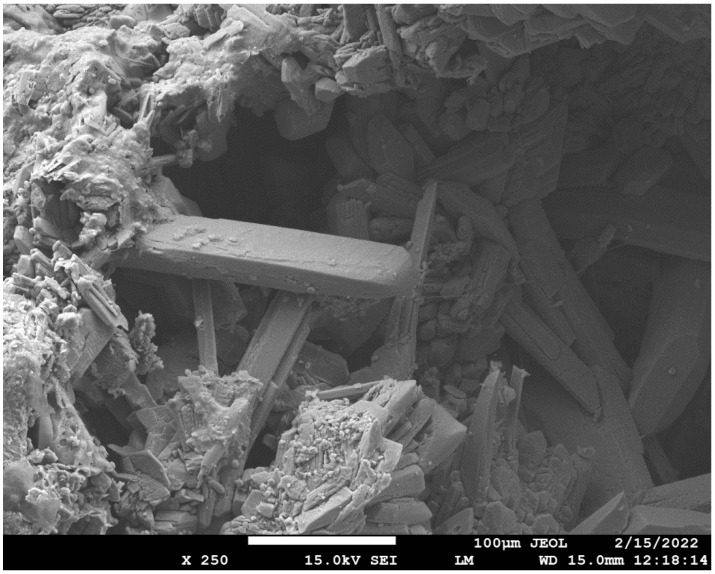
The results of ground granulated blast furnace slag (GGBS) tests in alkali-activated systems show that, with its use, it is possible to produce promising materials with the required properties. Unfortunately, GGBS is becoming a scarce commodity on the market, so the effort is to partially replace its volume in these materials with other secondary materials, while maintaining the original properties. This paper focuses on a comparison of two basic types of mixtures. The first mixture was prepared only from ground granulated blast furnace slag (GGBS) and the second type of mixture was prepared with admixtures, where the admixtures formed a total of 30% (15% of the replacement was fly ash after denitrification-FA, and 15% of the replacement was cement by-pass dust-CBPD). These mixtures were prepared with varying amounts of activator and tested. The experiment monitored the development of strength over time and the influence of different types of aggressive environments on the strength characteristics. Thermal analysis and FTIR were used in the experiment to determine the degradation products. The paper provides an interesting comparison of the resistance results of different composites in aggressive environments and at the same time an evaluation of the behavior of individual mixtures in different types of aggressive environment. After 28 days of maturation, the highest strengths were obtained with mixtures with the lowest doses of activator. The difference in these compressive strengths was around 25% in favor of the mixtures with only GGBS; in the case of flexural strength, this difference was around 23%. The largest decreases in strength were achieved in the XA3 environment. This environment contains the highest concentration of sulfate ions according to the EN 206-1 standard. The decreases in compressive strength were 40-45%, compared to the same old reference series. The surface degraded due to sulfate ions. Calcium sulphate dihydrate was identified by FTIR, thermal analysis and SEM as a degradation product.

摘要

碱激发体系中粒化高炉矿渣(GGBS)试验结果表明,使用该矿渣能够制备出具有所需性能的有前景的材料。不幸的是,GGBS在市场上正变得稀缺,因此人们努力用其他二次材料部分替代其在这些材料中的用量,同时保持原有性能。本文重点比较两种基本类型的混合物。第一种混合物仅由粒化高炉矿渣(GGBS)制备而成,第二种混合物则添加了外加剂,其中外加剂共占30%(替代量的15%为脱硝后飞灰-FA,15%为水泥旁路粉尘-CBPD)。这些混合物使用不同用量的激发剂进行制备并测试。该实验监测了强度随时间的发展以及不同类型侵蚀性环境对强度特性的影响。实验中使用热分析和傅里叶变换红外光谱(FTIR)来确定降解产物。本文提供了不同复合材料在侵蚀性环境中的抗性结果的有趣比较,同时还评估了各混合物在不同类型侵蚀性环境中的性能表现。养护28天后,激发剂用量最低的混合物获得了最高强度。这些抗压强度的差异约为25%,有利于仅含GGBS的混合物;抗弯强度方面,该差异约为23%。在XA3环境中强度下降最大。根据EN 206-1标准,该环境中硫酸根离子浓度最高。与相同的旧参考系列相比,抗压强度下降了40-45%。表面因硫酸根离子而降解。通过FTIR、热分析和扫描电子显微镜(SEM)鉴定出二水硫酸钙为降解产物。
https://cdn.ncbi.nlm.nih.gov/pmc/blobs/c458/8955892/3e3258c71ed3/materials-15-02010-g025.jpg
https://cdn.ncbi.nlm.nih.gov/pmc/blobs/c458/8955892/f922a3c47445/materials-15-02010-g001.jpg
https://cdn.ncbi.nlm.nih.gov/pmc/blobs/c458/8955892/a8d076e2e0e3/materials-15-02010-g002.jpg
https://cdn.ncbi.nlm.nih.gov/pmc/blobs/c458/8955892/3e8970902d87/materials-15-02010-g003.jpg
https://cdn.ncbi.nlm.nih.gov/pmc/blobs/c458/8955892/840013d40ae8/materials-15-02010-g004.jpg
https://cdn.ncbi.nlm.nih.gov/pmc/blobs/c458/8955892/2ec1d57ef866/materials-15-02010-g005.jpg
https://cdn.ncbi.nlm.nih.gov/pmc/blobs/c458/8955892/8b8989995f0d/materials-15-02010-g006.jpg
https://cdn.ncbi.nlm.nih.gov/pmc/blobs/c458/8955892/05e99174978b/materials-15-02010-g007.jpg
https://cdn.ncbi.nlm.nih.gov/pmc/blobs/c458/8955892/5c07b38da3a3/materials-15-02010-g008.jpg
https://cdn.ncbi.nlm.nih.gov/pmc/blobs/c458/8955892/c1599431fe1f/materials-15-02010-g009.jpg
https://cdn.ncbi.nlm.nih.gov/pmc/blobs/c458/8955892/19a75579d7a2/materials-15-02010-g010.jpg
https://cdn.ncbi.nlm.nih.gov/pmc/blobs/c458/8955892/fb32fa5e32eb/materials-15-02010-g011.jpg
https://cdn.ncbi.nlm.nih.gov/pmc/blobs/c458/8955892/6653d45cb696/materials-15-02010-g012.jpg
https://cdn.ncbi.nlm.nih.gov/pmc/blobs/c458/8955892/71998d0a6f8c/materials-15-02010-g013.jpg
https://cdn.ncbi.nlm.nih.gov/pmc/blobs/c458/8955892/425419e11252/materials-15-02010-g014.jpg
https://cdn.ncbi.nlm.nih.gov/pmc/blobs/c458/8955892/19b823f44f62/materials-15-02010-g015.jpg
https://cdn.ncbi.nlm.nih.gov/pmc/blobs/c458/8955892/97991930324a/materials-15-02010-g016.jpg
https://cdn.ncbi.nlm.nih.gov/pmc/blobs/c458/8955892/e386a6289664/materials-15-02010-g017.jpg
https://cdn.ncbi.nlm.nih.gov/pmc/blobs/c458/8955892/958e9fd4c800/materials-15-02010-g018.jpg
https://cdn.ncbi.nlm.nih.gov/pmc/blobs/c458/8955892/e7e4b4fe7ff2/materials-15-02010-g019.jpg
https://cdn.ncbi.nlm.nih.gov/pmc/blobs/c458/8955892/7c30c9295ede/materials-15-02010-g020.jpg
https://cdn.ncbi.nlm.nih.gov/pmc/blobs/c458/8955892/66034f4a67f1/materials-15-02010-g021.jpg
https://cdn.ncbi.nlm.nih.gov/pmc/blobs/c458/8955892/aab58808e2d9/materials-15-02010-g022.jpg
https://cdn.ncbi.nlm.nih.gov/pmc/blobs/c458/8955892/c95da4a5624f/materials-15-02010-g023.jpg
https://cdn.ncbi.nlm.nih.gov/pmc/blobs/c458/8955892/f97c54421fa5/materials-15-02010-g024.jpg
https://cdn.ncbi.nlm.nih.gov/pmc/blobs/c458/8955892/3e3258c71ed3/materials-15-02010-g025.jpg
https://cdn.ncbi.nlm.nih.gov/pmc/blobs/c458/8955892/f922a3c47445/materials-15-02010-g001.jpg
https://cdn.ncbi.nlm.nih.gov/pmc/blobs/c458/8955892/a8d076e2e0e3/materials-15-02010-g002.jpg
https://cdn.ncbi.nlm.nih.gov/pmc/blobs/c458/8955892/3e8970902d87/materials-15-02010-g003.jpg
https://cdn.ncbi.nlm.nih.gov/pmc/blobs/c458/8955892/840013d40ae8/materials-15-02010-g004.jpg
https://cdn.ncbi.nlm.nih.gov/pmc/blobs/c458/8955892/2ec1d57ef866/materials-15-02010-g005.jpg
https://cdn.ncbi.nlm.nih.gov/pmc/blobs/c458/8955892/8b8989995f0d/materials-15-02010-g006.jpg
https://cdn.ncbi.nlm.nih.gov/pmc/blobs/c458/8955892/05e99174978b/materials-15-02010-g007.jpg
https://cdn.ncbi.nlm.nih.gov/pmc/blobs/c458/8955892/5c07b38da3a3/materials-15-02010-g008.jpg
https://cdn.ncbi.nlm.nih.gov/pmc/blobs/c458/8955892/c1599431fe1f/materials-15-02010-g009.jpg
https://cdn.ncbi.nlm.nih.gov/pmc/blobs/c458/8955892/19a75579d7a2/materials-15-02010-g010.jpg
https://cdn.ncbi.nlm.nih.gov/pmc/blobs/c458/8955892/fb32fa5e32eb/materials-15-02010-g011.jpg
https://cdn.ncbi.nlm.nih.gov/pmc/blobs/c458/8955892/6653d45cb696/materials-15-02010-g012.jpg
https://cdn.ncbi.nlm.nih.gov/pmc/blobs/c458/8955892/71998d0a6f8c/materials-15-02010-g013.jpg
https://cdn.ncbi.nlm.nih.gov/pmc/blobs/c458/8955892/425419e11252/materials-15-02010-g014.jpg
https://cdn.ncbi.nlm.nih.gov/pmc/blobs/c458/8955892/19b823f44f62/materials-15-02010-g015.jpg
https://cdn.ncbi.nlm.nih.gov/pmc/blobs/c458/8955892/97991930324a/materials-15-02010-g016.jpg
https://cdn.ncbi.nlm.nih.gov/pmc/blobs/c458/8955892/e386a6289664/materials-15-02010-g017.jpg
https://cdn.ncbi.nlm.nih.gov/pmc/blobs/c458/8955892/958e9fd4c800/materials-15-02010-g018.jpg
https://cdn.ncbi.nlm.nih.gov/pmc/blobs/c458/8955892/e7e4b4fe7ff2/materials-15-02010-g019.jpg
https://cdn.ncbi.nlm.nih.gov/pmc/blobs/c458/8955892/7c30c9295ede/materials-15-02010-g020.jpg
https://cdn.ncbi.nlm.nih.gov/pmc/blobs/c458/8955892/66034f4a67f1/materials-15-02010-g021.jpg
https://cdn.ncbi.nlm.nih.gov/pmc/blobs/c458/8955892/aab58808e2d9/materials-15-02010-g022.jpg
https://cdn.ncbi.nlm.nih.gov/pmc/blobs/c458/8955892/c95da4a5624f/materials-15-02010-g023.jpg
https://cdn.ncbi.nlm.nih.gov/pmc/blobs/c458/8955892/f97c54421fa5/materials-15-02010-g024.jpg
https://cdn.ncbi.nlm.nih.gov/pmc/blobs/c458/8955892/3e3258c71ed3/materials-15-02010-g025.jpg

相似文献

1
Effect of Admixtures on Durability and Physical-Mechanical Properties of Alkali-Activated Materials.外加剂对碱激发材料耐久性及物理力学性能的影响
Materials (Basel). 2022 Mar 8;15(6):2010. doi: 10.3390/ma15062010.
2
Potential Role of GGBS and ACBFS Blast Furnace Slag at 90 Days for Application in Rigid Concrete Pavements.粒化高炉矿渣(GGBS)和碱性转炉钢渣(ACBFS)在90天时在刚性混凝土路面应用中的潜在作用。
Materials (Basel). 2023 Aug 29;16(17):5902. doi: 10.3390/ma16175902.
3
Recycling of Sustainable Co-Firing Fly Ashes as an Alkali Activator for GGBS in Blended Cements.可持续共烧粉煤灰作为混合水泥中粒化高炉矿渣的碱激发剂的再利用
Materials (Basel). 2015 Feb 16;8(2):784-798. doi: 10.3390/ma8020784.
4
Experimental Investigation on Ambient-Cured One-Part Alkali-Activated Binders Using Combined High-Calcium Fly Ash (HCFA) and Ground Granulated Blast Furnace Slag (GGBS).使用高钙粉煤灰(HCFA)和粒化高炉矿渣(GGBS)组合对常温固化单组分碱激发胶凝材料进行的实验研究。
Materials (Basel). 2022 Feb 21;15(4):1612. doi: 10.3390/ma15041612.
5
Incorporation of Waste Glass as an Activator in Class-C Fly Ash/GGBS Based Alkali Activated Material.将废玻璃作为活化剂掺入C类粉煤灰/粒化高炉矿渣基碱激发材料中。
Materials (Basel). 2020 Sep 3;13(17):3906. doi: 10.3390/ma13173906.
6
The Effects of Partial Replacement of Ground Granulated Blast Furnace Slag by Ground Wood Ash on Alkali-Activated Binder Systems.用磨细木灰部分替代磨细粒化高炉矿渣对碱激发胶凝材料体系的影响。
Materials (Basel). 2023 Jul 29;16(15):5347. doi: 10.3390/ma16155347.
7
Comparative Study on Chloride Binding Capacity of Cement-Fly Ash System and Cement-Ground Granulated Blast Furnace Slag System with Diethanol-Isopropanolamine.二乙醇-异丙醇胺作用下水泥-粉煤灰体系与水泥-磨细粒化高炉矿渣体系氯离子结合能力的对比研究
Materials (Basel). 2020 Sep 16;13(18):4103. doi: 10.3390/ma13184103.
8
Fresh Properties and Sulfuric Acid Resistance of Sustainable Mortar Using Alkali-Activated GGBS/Fly Ash Binder.使用碱激发粒化高炉矿渣/粉煤灰胶凝材料的可持续砂浆的新性能及耐硫酸性
Polymers (Basel). 2022 Feb 1;14(3):591. doi: 10.3390/polym14030591.
9
Development of a High Strength Geopolymer Incorporating Quarry Waste Diabase Mud (DM) and Ground Granulated Blast-Furnace Slag (GGBS).一种包含采石场废料辉绿岩泥浆(DM)和粒化高炉矿渣(GGBS)的高强度地质聚合物的开发。
Materials (Basel). 2022 Aug 28;15(17):5946. doi: 10.3390/ma15175946.
10
A Review of Durability and Strength Characteristics of Alkali-Activated Slag Concrete.碱激发矿渣混凝土的耐久性和强度特性综述
Materials (Basel). 2019 Apr 12;12(8):1198. doi: 10.3390/ma12081198.

引用本文的文献

1
Properties of Fiber-Reinforced One-Part Geopolymers: A Review.纤维增强单组分地质聚合物的性能:综述
Polymers (Basel). 2022 Aug 16;14(16):3333. doi: 10.3390/polym14163333.

本文引用的文献

1
Freeze-Thaw Effect on Road Concrete Containing Blast Furnace Slag: NMR Relaxometry Investigations.冻融对含高炉矿渣道路混凝土的影响:核磁共振弛豫测量研究
Materials (Basel). 2021 Jun 14;14(12):3288. doi: 10.3390/ma14123288.
2
Cement Kiln By-Pass Dust: An Effective Alkaline Activator for Pozzolanic Materials.水泥窑旁路粉尘:一种用于火山灰质材料的有效碱性激发剂。
Materials (Basel). 2018 Sep 19;11(9):1770. doi: 10.3390/ma11091770.