Center for Data Sciences, Brigham and Women's Hospital, Harvard Medical School, Boston, MA, USA.
Divisions of Genetics and Rheumatology, Department of Medicine, Brigham and Women's Hospital, Harvard Medical School, Boston, MA, USA.
Nat Genet. 2022 Apr;54(4):393-402. doi: 10.1038/s41588-022-01032-z. Epub 2022 Mar 24.
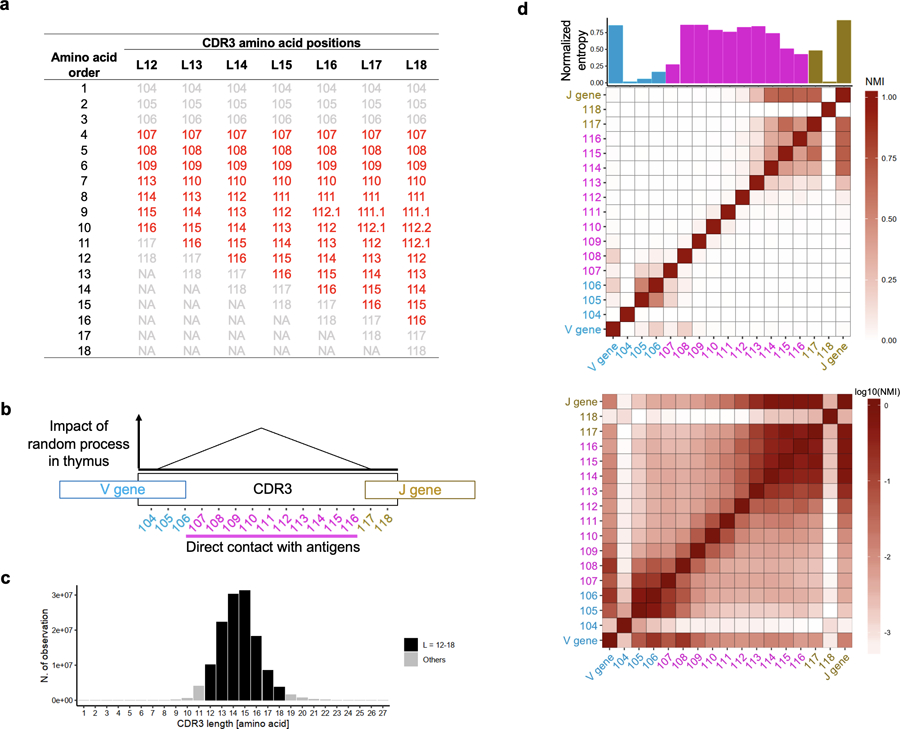
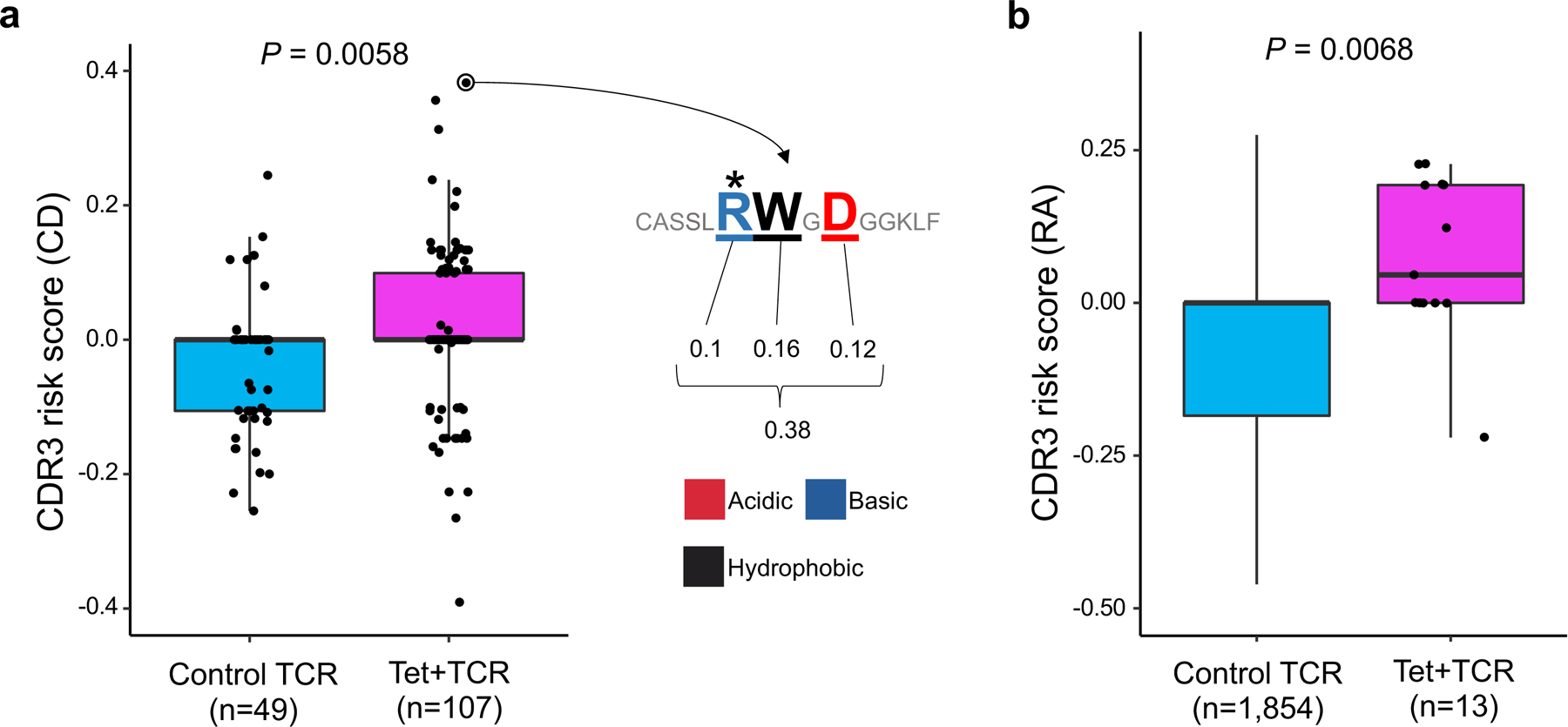
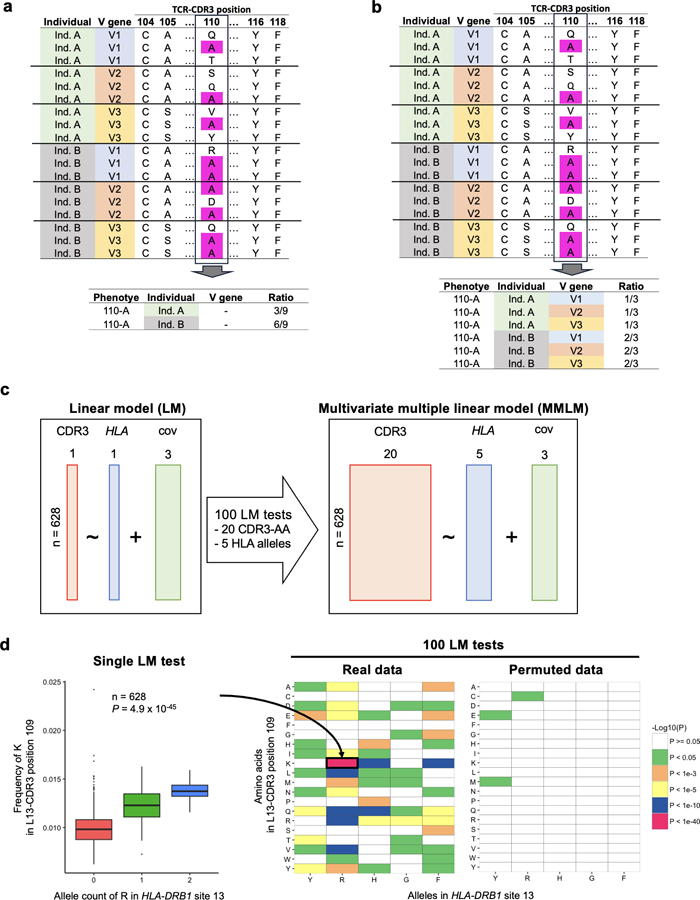
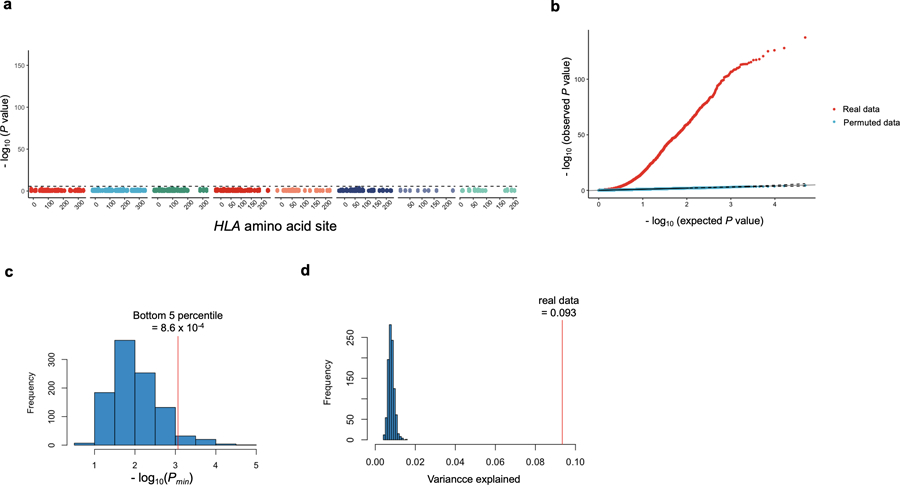
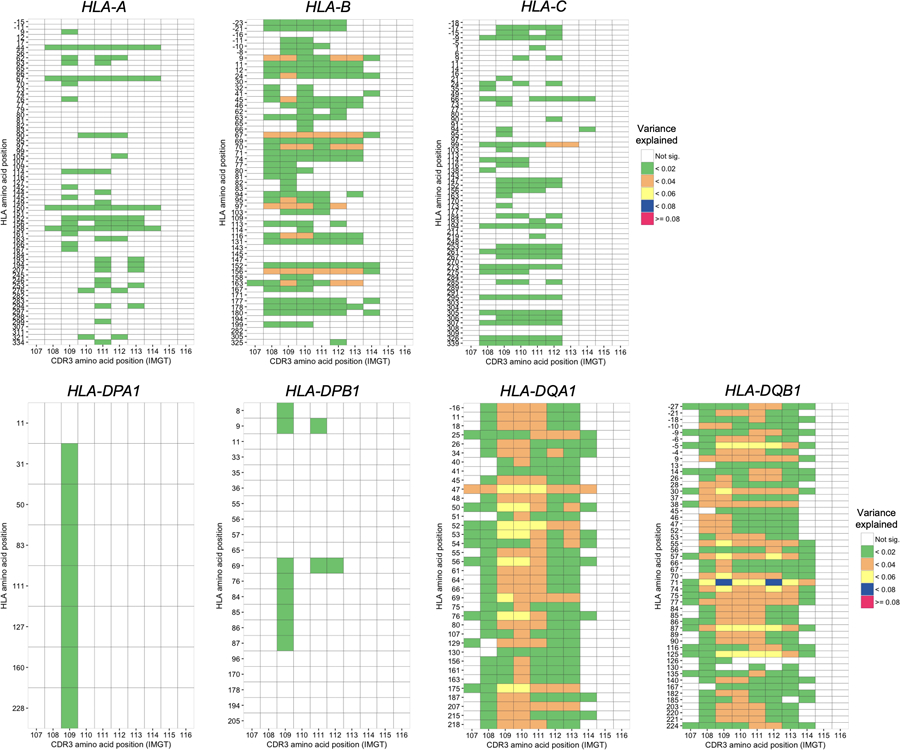
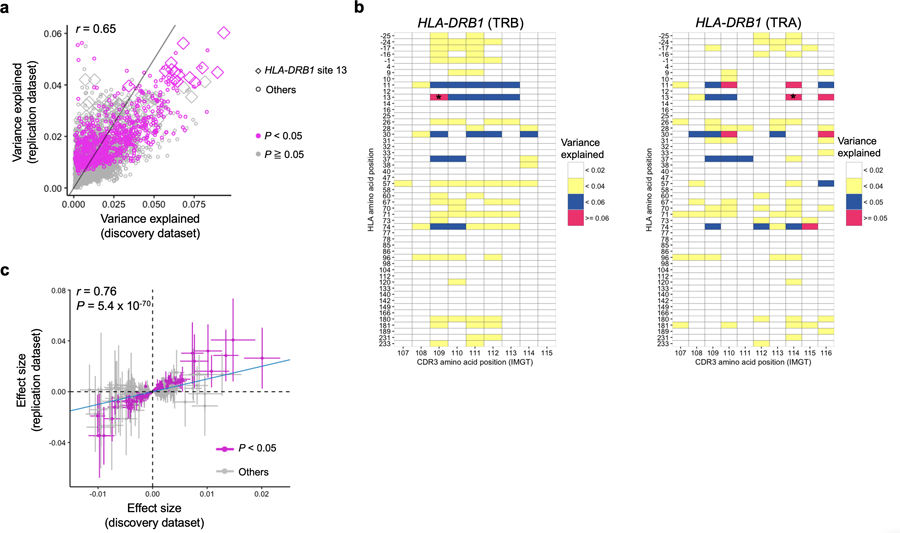
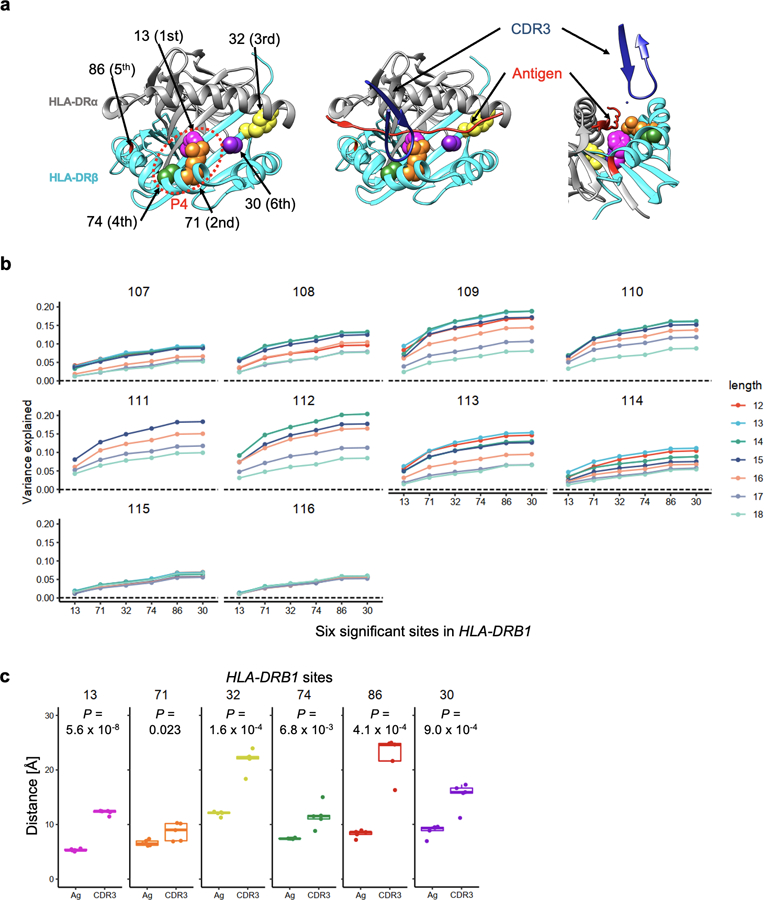
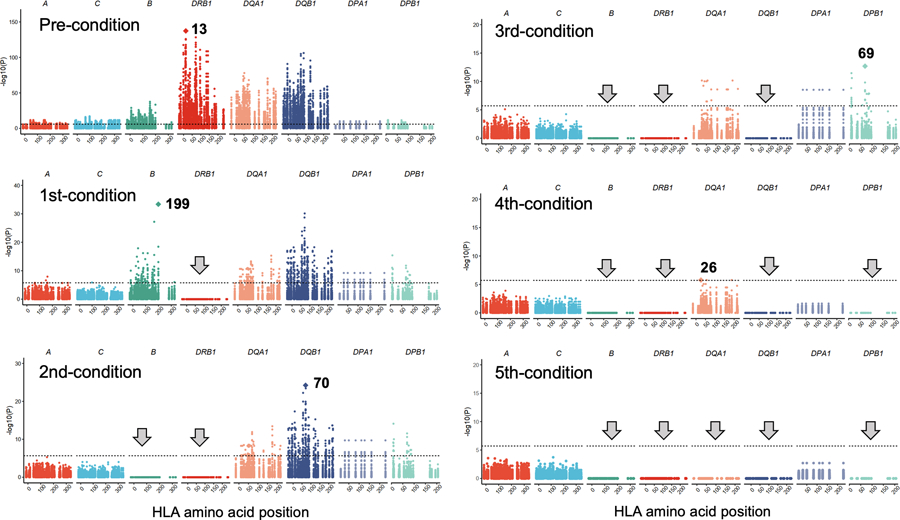
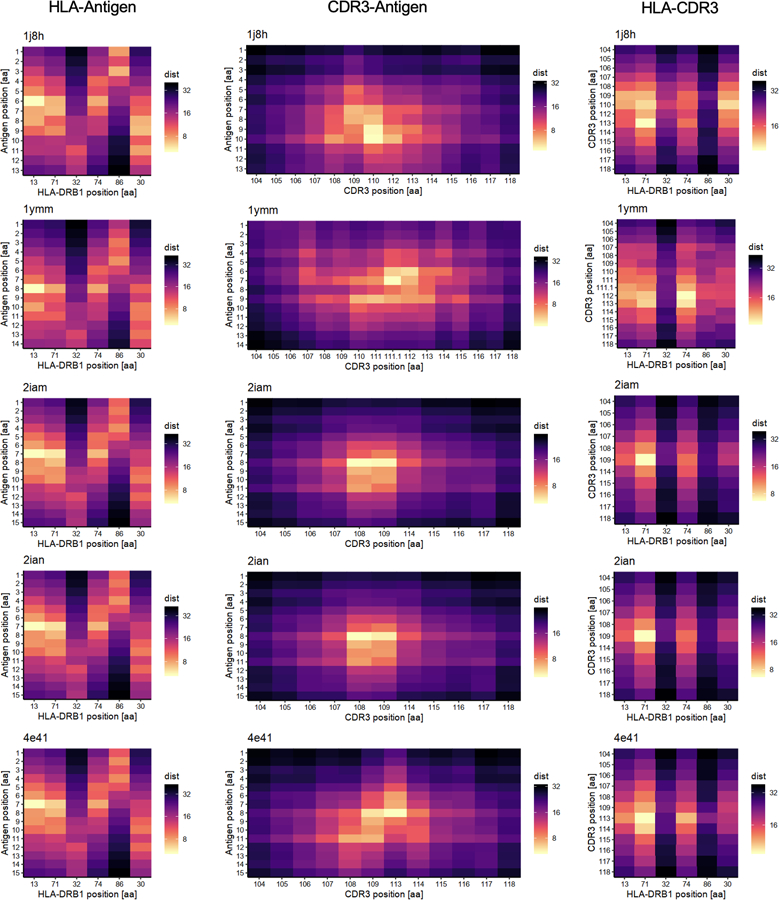
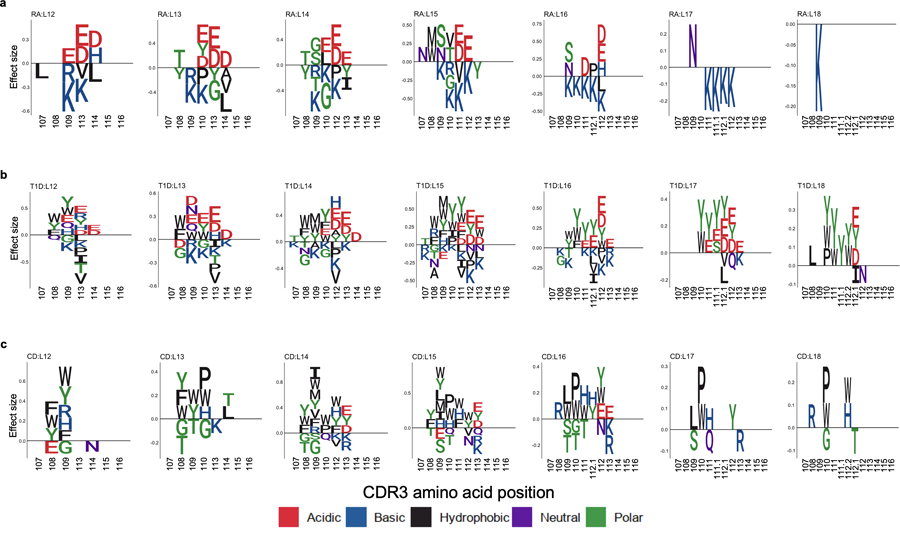
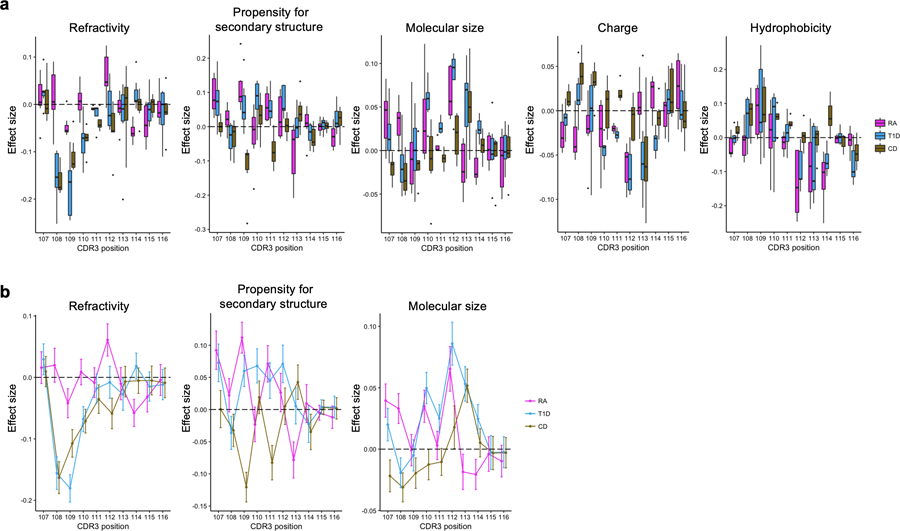
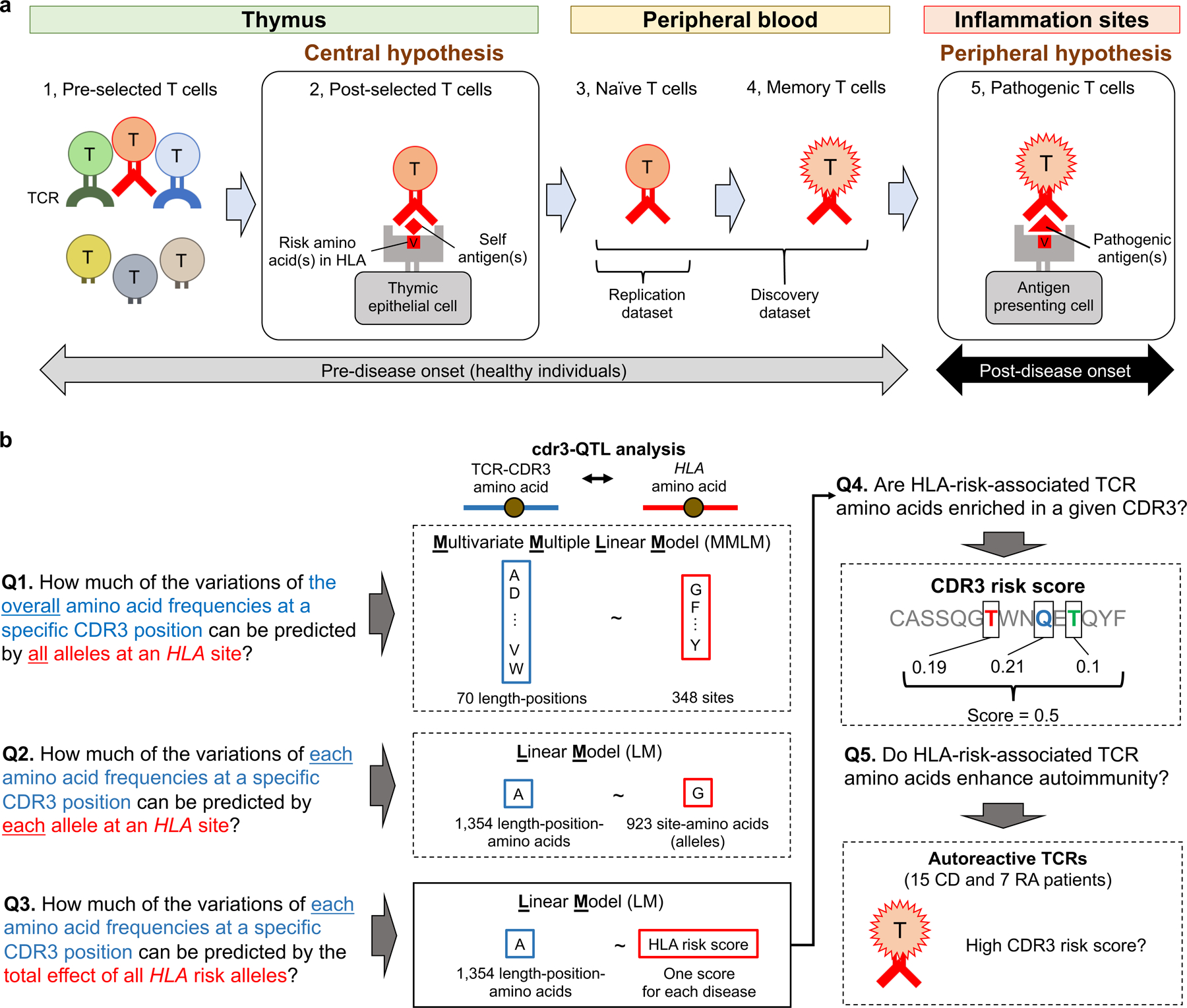
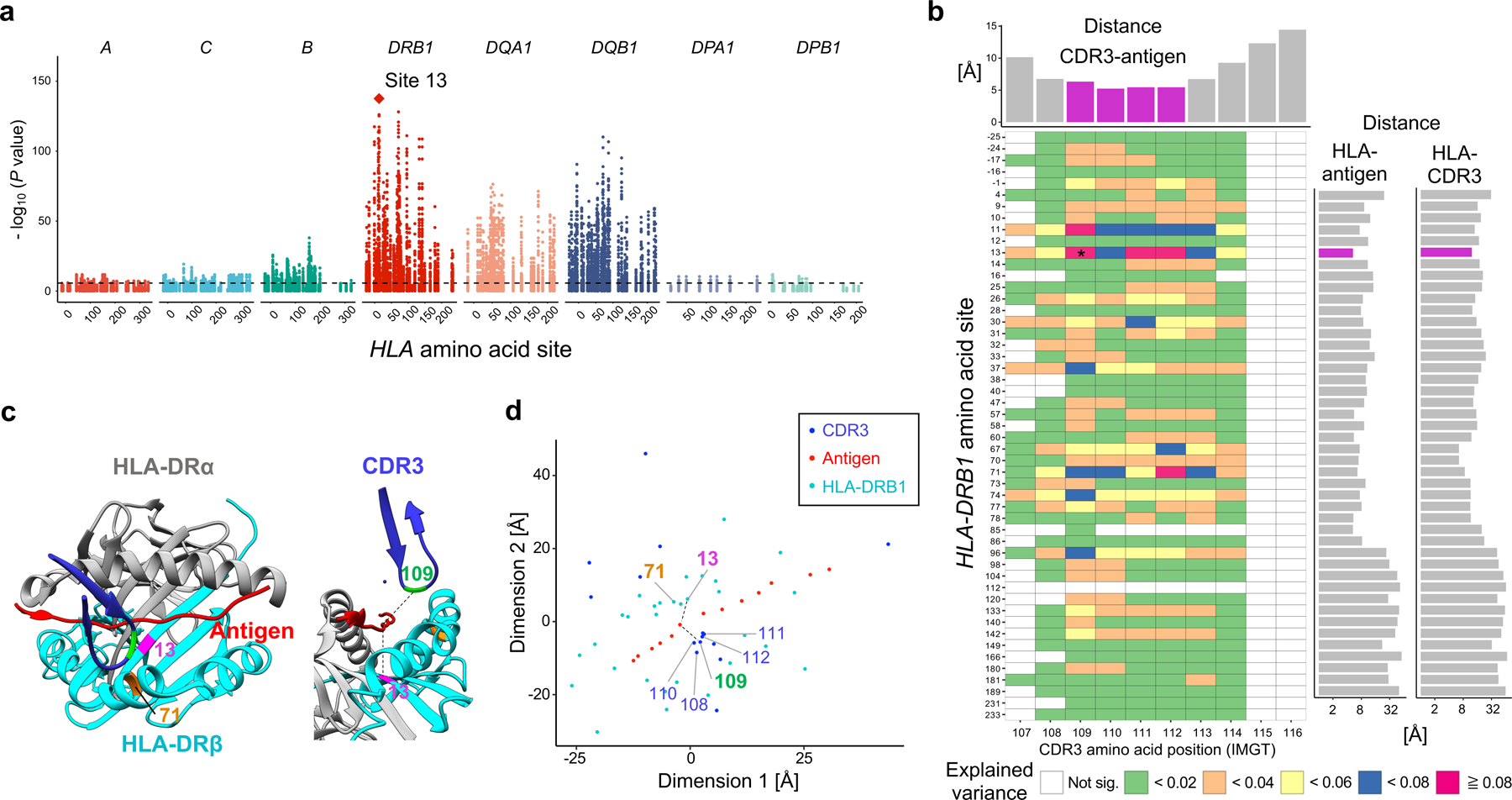
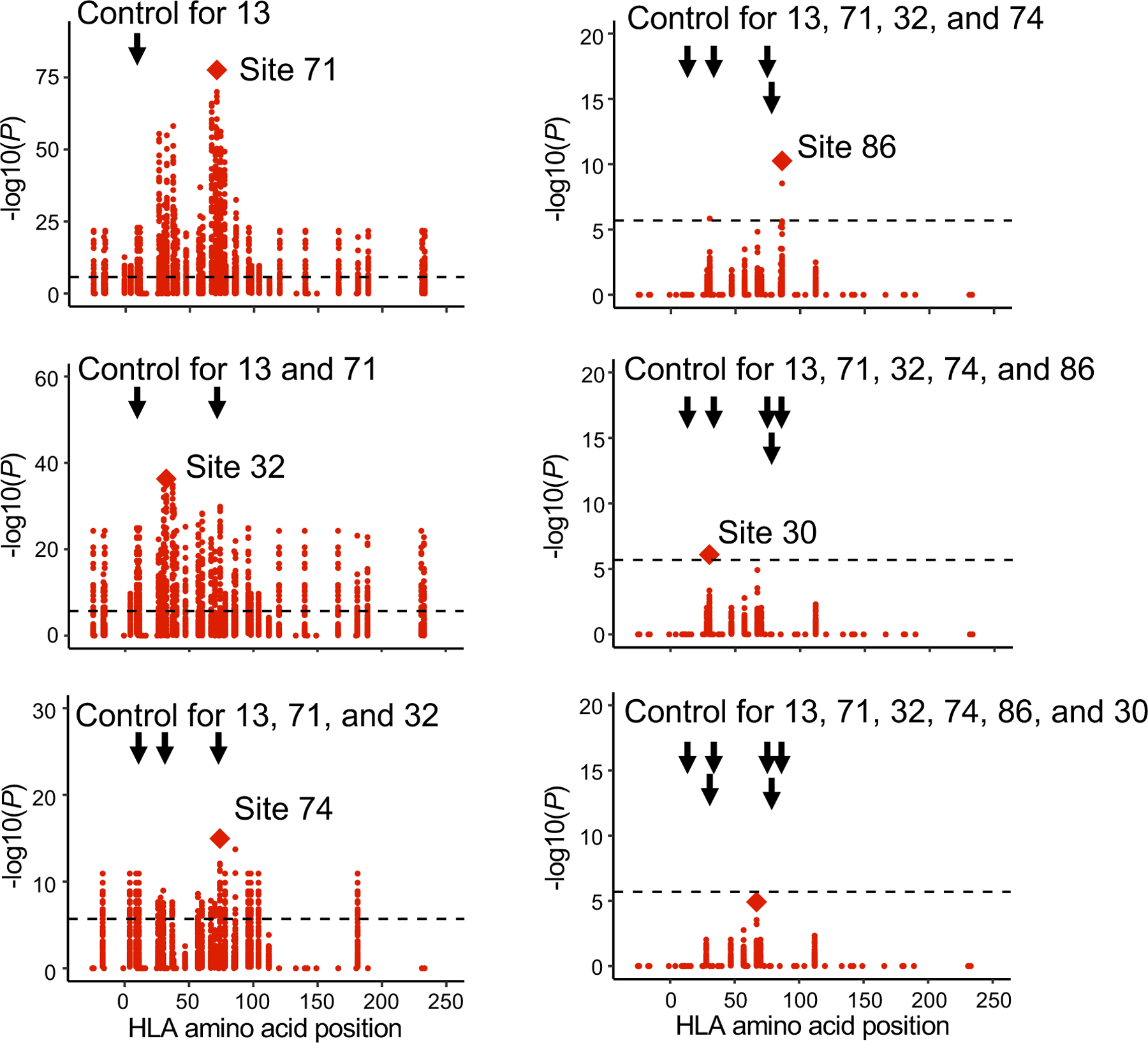
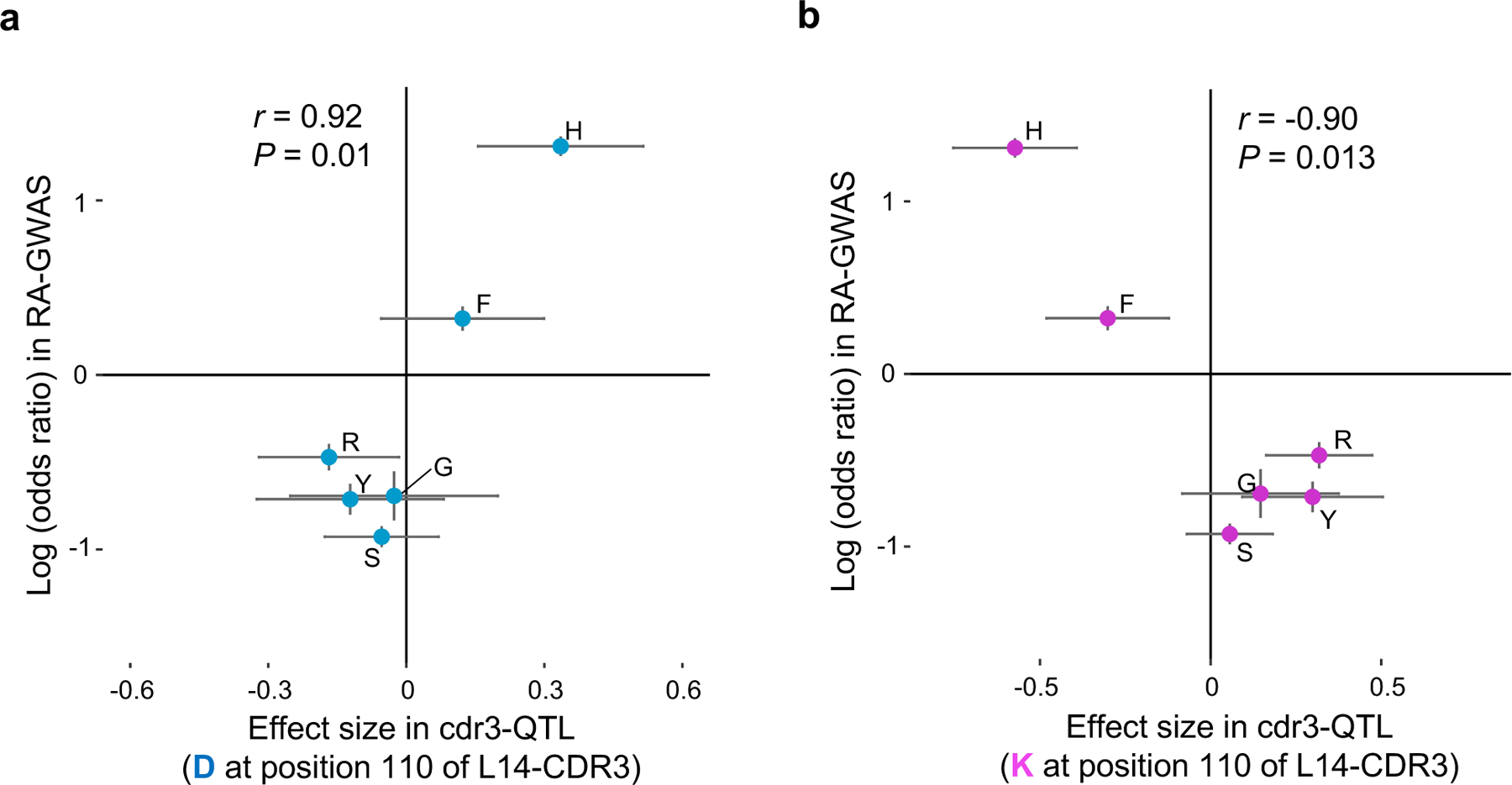
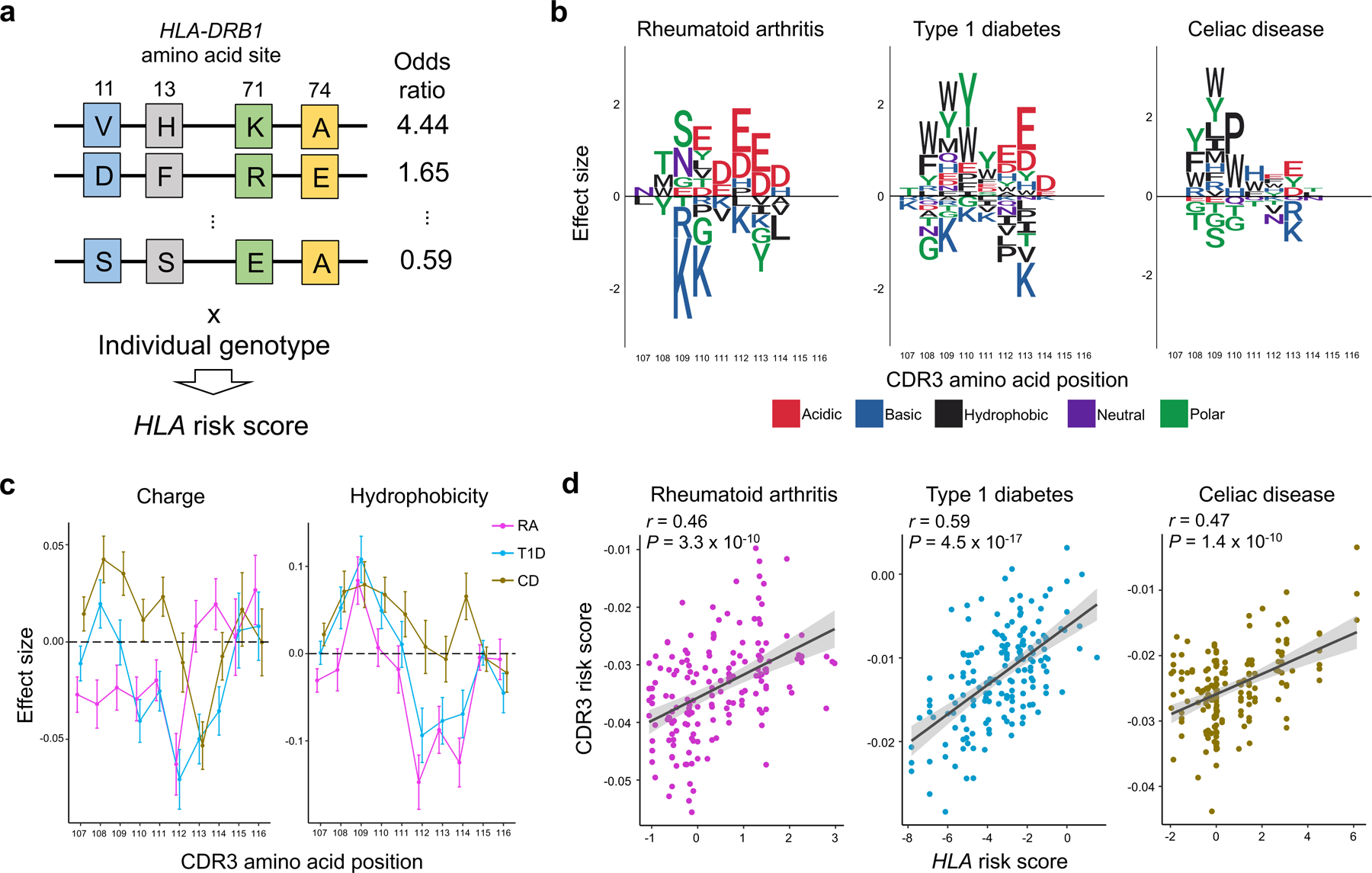
Polymorphisms in the human leukocyte antigen (HLA) genes strongly influence autoimmune disease risk. HLA risk alleles may influence thymic selection to increase the frequency of T cell receptors (TCRs) reactive to autoantigens (central hypothesis). However, research in human autoimmunity has provided little evidence supporting the central hypothesis. Here we investigated the influence of HLA alleles on TCR composition at the highly diverse complementarity determining region 3 (CDR3), which confers antigen recognition. We observed unexpectedly strong HLA-CDR3 associations. The strongest association was found at HLA-DRB1 amino acid position 13, the position that mediates genetic risk for multiple autoimmune diseases. We identified multiple CDR3 amino acid features enriched by HLA risk alleles. Moreover, the CDR3 features promoted by the HLA risk alleles are more enriched in candidate pathogenic TCRs than control TCRs (for example, citrullinated epitope-specific TCRs in patients with rheumatoid arthritis). Together, these results provide genetic evidence supporting the central hypothesis.
人类白细胞抗原(HLA)基因的多态性强烈影响自身免疫性疾病的风险。HLA 风险等位基因可能影响胸腺选择,从而增加对自身抗原反应的 T 细胞受体(TCR)的频率(中心假设)。然而,人类自身免疫性疾病的研究几乎没有提供支持中心假设的证据。在这里,我们研究了 HLA 等位基因对高度多样化的互补决定区 3(CDR3)的 TCR 组成的影响,CDR3 决定了抗原识别。我们观察到出乎意料的强烈的 HLA-CDR3 相关性。最强的相关性发生在 HLA-DRB1 氨基酸位置 13,该位置介导多种自身免疫性疾病的遗传风险。我们确定了多个由 HLA 风险等位基因富集的 CDR3 氨基酸特征。此外,由 HLA 风险等位基因促进的 CDR3 特征在候选致病性 TCR 中比对照 TCR 更为丰富(例如,类风湿关节炎患者中瓜氨酸化表位特异性 TCR)。这些结果共同提供了支持中心假设的遗传证据。