Dairy and Functional Foods Research Unit, Eastern Regional Research Center, Agricultural Research Service, United States Department of Agriculture, 600E Mermaid Lane, Montgomery, PA 19038, USA.
Proteomics and Mass Spectrometry Facility, Donald Danforth Plant Science Center, 975 North Warson Road, St. Louis, MO 63132, USA.
Nutrients. 2022 Mar 18;14(6):1283. doi: 10.3390/nu14061283.
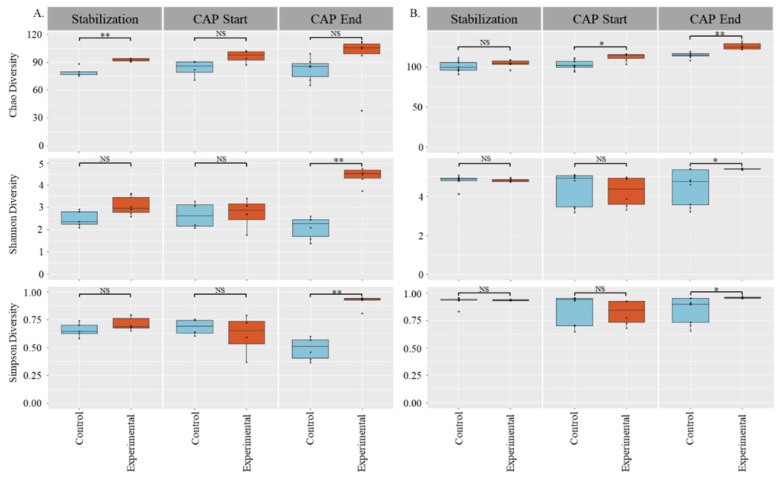
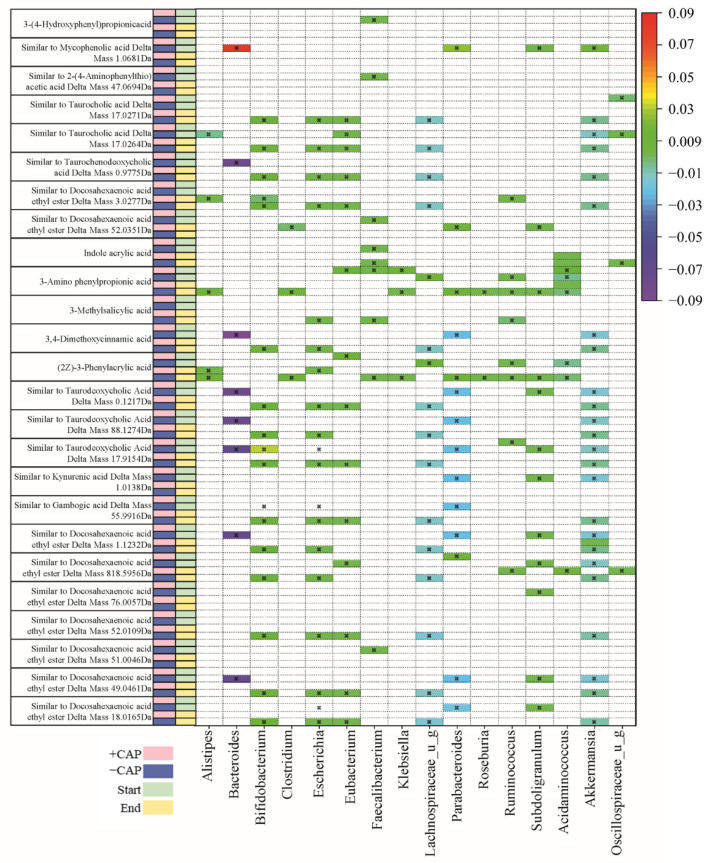
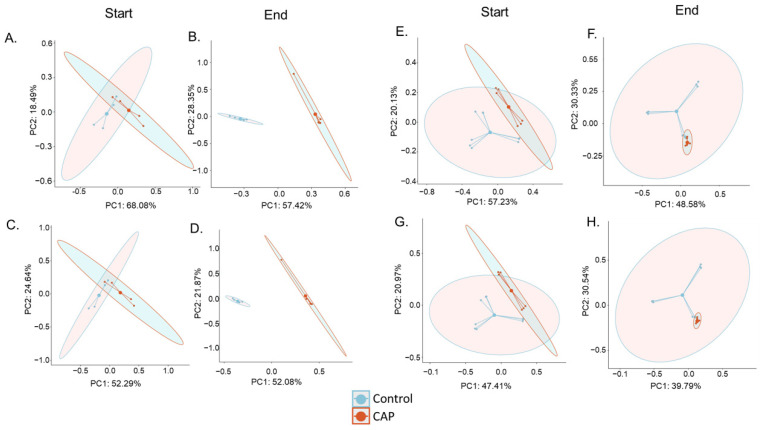
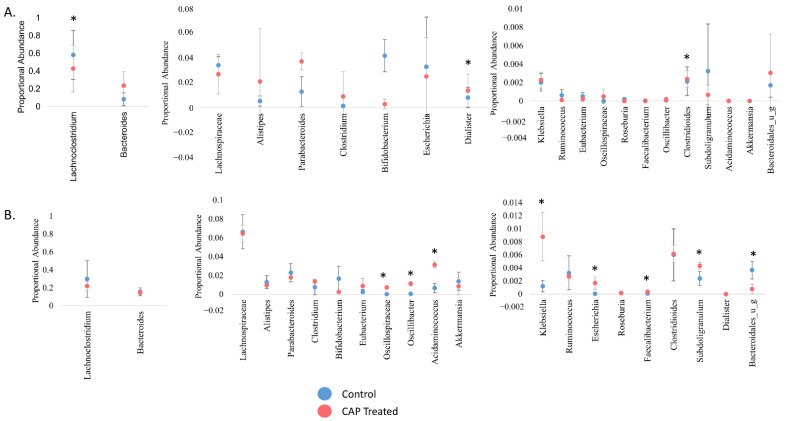
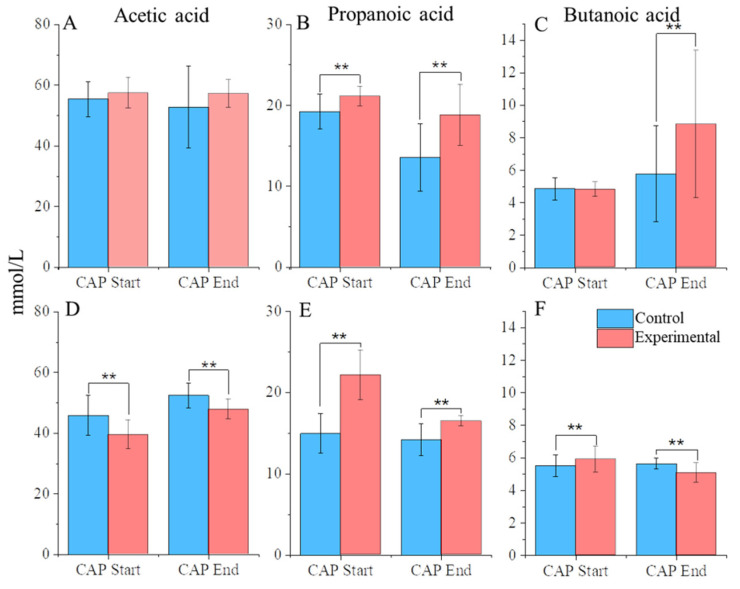
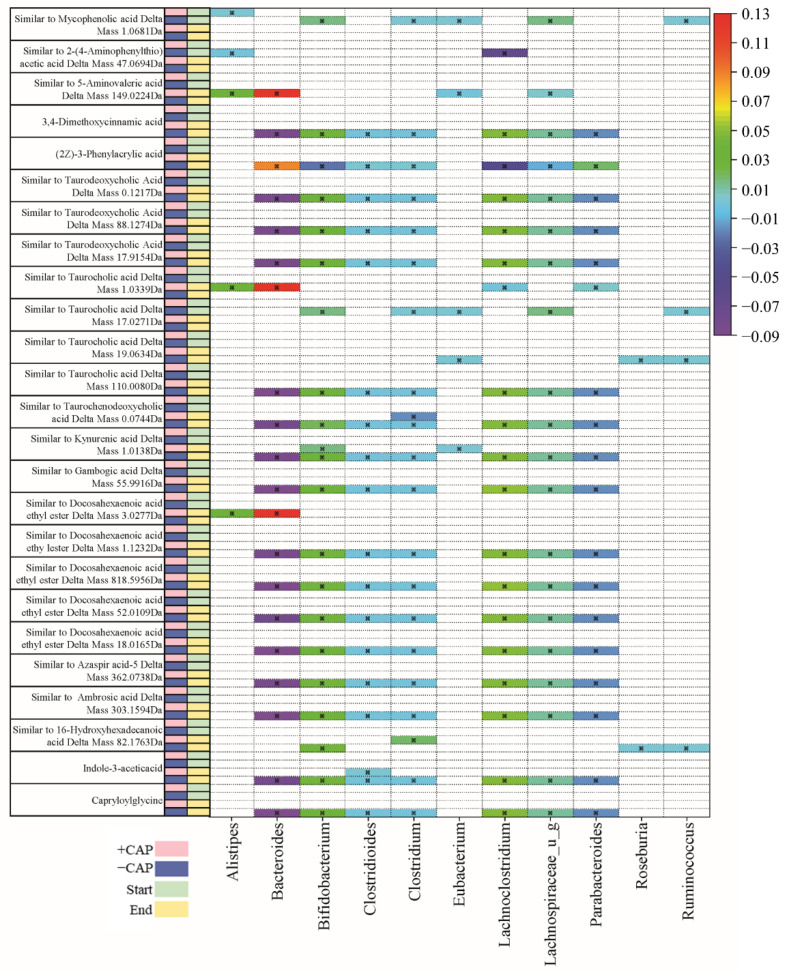
Previous studies on capsaicin, the bioactive compound in chili peppers, have shown that it may have a beneficial effect in vivo when part of a regular diet. These positive health benefits, including an anti-inflammatory potential and protective effects against obesity, are often attributed to the gut microbial community response to capsaicin. However, there is no consensus on the mechanism behind the protective effect of capsaicin. In this study, we used an in vitro model of the human gut microbiota to determine how regular consumption of capsaicin impacts the gut microbiota. Using a combination of NextGen sequencing and metabolomics, we found that regular capsaicin treatment changed the structure of the gut microbial community by increasing diversity and certain SCFA abundances, particularly butanoic acid. Through this study, we determined that the addition of capsaicin to the in vitro cultures of the human gut microbiome resulted in increased diversity of the microbial community and an increase in butanoic acid. These changes may be responsible for the health benefits associated with CAP consumption.
先前有关辣椒素(辣椒中的生物活性化合物)的研究表明,它可能在日常饮食中具有有益的体内作用。这些积极的健康益处,包括抗炎潜力和预防肥胖的作用,通常归因于辣椒素对肠道微生物群落的反应。然而,对于辣椒素的保护作用的机制尚未达成共识。在这项研究中,我们使用了人类肠道微生物群的体外模型来确定常规摄入辣椒素如何影响肠道微生物群。通过结合下一代测序和代谢组学,我们发现,常规辣椒素处理通过增加多样性和某些 SCFA 的丰度(特别是丁酸)来改变肠道微生物群落的结构。通过这项研究,我们确定了在人类肠道微生物组的体外培养物中添加辣椒素可导致微生物群落的多样性增加和丁酸的增加。这些变化可能是与 CAP 消费相关的健康益处的原因。