Laboratory of Entomology, Wageningen University and Research, P.O. Box 16, 6700 AA, Wageningen, The Netherlands.
J Ethnobiol Ethnomed. 2022 Mar 26;18(1):24. doi: 10.1186/s13002-022-00524-w.
In sub-Saharan Africa, there is a wealth of information about insects which is often only orally available. The purpose of the study was to remedy this shortcoming and make an overview of how orthopteran species are utilised, perceived and experienced in daily life across sub-Saharan Africa.
Ethno-entomological information on Orthoptera in sub-Saharan Africa was collected by (1) interviews with more than 300 people from about 120 ethnic groups in 27 countries in the region; (2) library studies in Africa, London, Paris and Leiden; and (3) using web search engines.
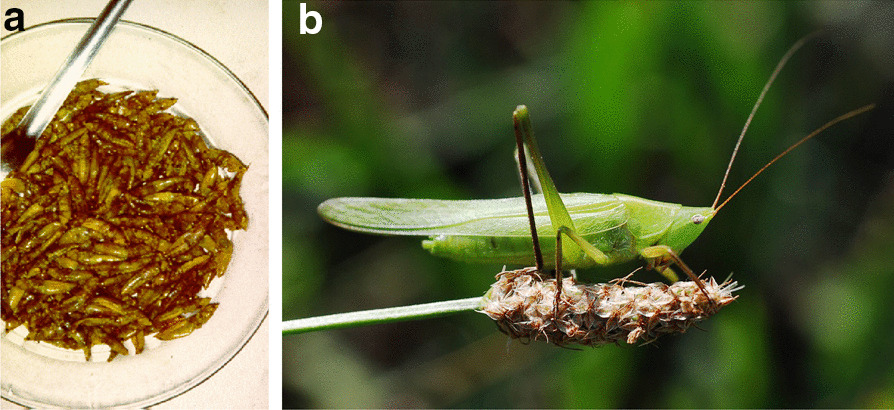
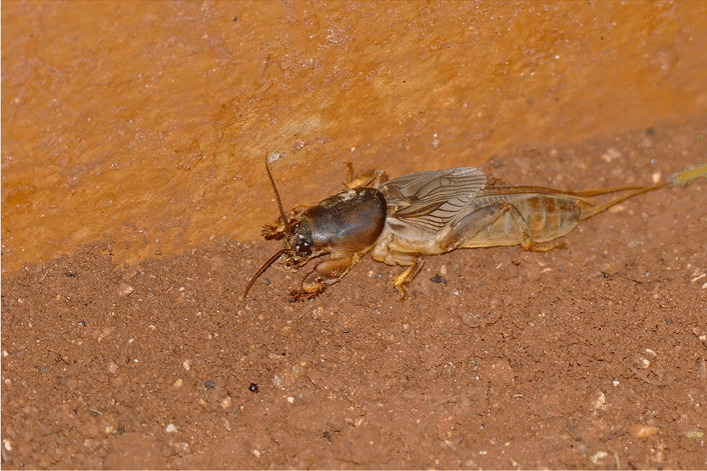
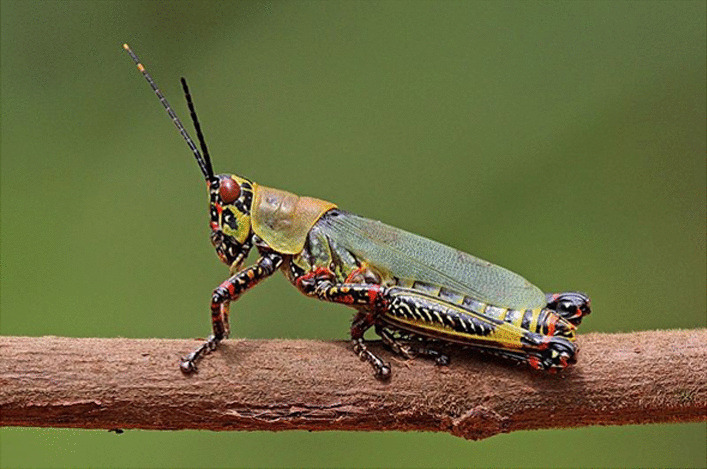
More than 126 species of crickets, grasshoppers, and locusts have been identified as edible in sub-Saharan Africa. Some toxic species, such as Zonocerus spp., are eaten by some groups who use processing and detoxifying techniques. The katydid Ruspolia differens is very popular as food in central and eastern Africa and is captured by indigenous and commercial methods. Vernacular names refer to their morphology, behaviour, characteristics or the beliefs associated with the insect. The aposematic pyrgomorphid species, such as Zonocerus spp., are often used as medicine. Children play with grasshoppers, by for instance herding them like cattle, and they consider cricket-hunting for food as a game. The doctrine of signatures probably plays a role, as crickets, because of their chirping, are used to improve the sound of a music instrument, or as medicine to treat earache. Locust plagues are considered a punishment which requires repentance, but also an opportunity to acquire food. Proverbs and stories relate to using the orthopterans as food or to the underground lives of the crickets. Possible explanations are given as to why so many practices, beliefs and stories about orthopterans are so widespread in sub-Saharan Africa. The relevance of recording such ethno-entomological practices is discussed.
Grasshoppers, locusts and crickets, although they may be agricultural pests, are very popular as food. They are also used in medicine, and as toys, and they play a role in religion, art and literature.
在撒哈拉以南非洲,有丰富的昆虫学信息,但这些信息通常仅以口头形式存在。本研究旨在弥补这一不足,概述撒哈拉以南非洲各地直翅目物种在日常生活中是如何被利用、认知和体验的。
通过(1)在该地区 27 个国家的 120 多个民族中对 300 多人进行访谈;(2)在非洲、伦敦、巴黎和莱顿的图书馆进行研究;(3)利用网络搜索引擎,收集撒哈拉以南非洲直翅目昆虫的民族昆虫学信息。
在撒哈拉以南非洲,已确定有 126 多种蟋蟀、蚱蜢和蝗虫可食用。一些有毒物种,如斑腿蝗属(Zonocerus spp.),被一些使用加工和解毒技术的群体食用。东非和中非非常受欢迎的蝉蟋蟀(Ruspolia differens)是通过土著和商业方法捕获的。俗名指的是昆虫的形态、行为、特征或与之相关的信仰。警戒型pyrgomorphid 物种,如斑腿蝗属(Zonocerus spp.),常被用作药物。孩子们玩蚱蜢,例如像放牧牛一样驱赶它们,他们认为捉蟋蟀作为食物是一种游戏。“象征学说”可能起了作用,因为蟋蟀由于其鸣叫声而被用来改善乐器的声音,或作为治疗耳痛的药物。蝗灾被认为是一种需要悔改的惩罚,但也是获得食物的机会。谚语和故事涉及到将直翅目动物用作食物或与蟋蟀的地下生活有关。对为什么如此多的关于直翅目动物的做法、信仰和故事在撒哈拉以南非洲如此普遍的原因给出了可能的解释。还讨论了记录这些民族昆虫学实践的相关性。
尽管蝗虫、蚱蜢和蟋蟀可能是农业害虫,但它们作为食物非常受欢迎。它们也被用于医学和玩具,在宗教、艺术和文学中也发挥着作用。