Department of Food Science, Purdue University, West Lafayette, Indiana, USA; Department of Food Science and Technology, Oregon State University, Corvallis, Oregon, USA; Seafood Research and Education Center, Oregon State University, Astoria, Oregon, USA.
Department of Food Science, Purdue University, West Lafayette, Indiana, USA; Department of Public and Allied Health, Bowling Green State University, Bowling Green, Ohio, USA.
J Nutr Biochem. 2022 Jul;105:108998. doi: 10.1016/j.jnutbio.2022.108998. Epub 2022 Mar 26.
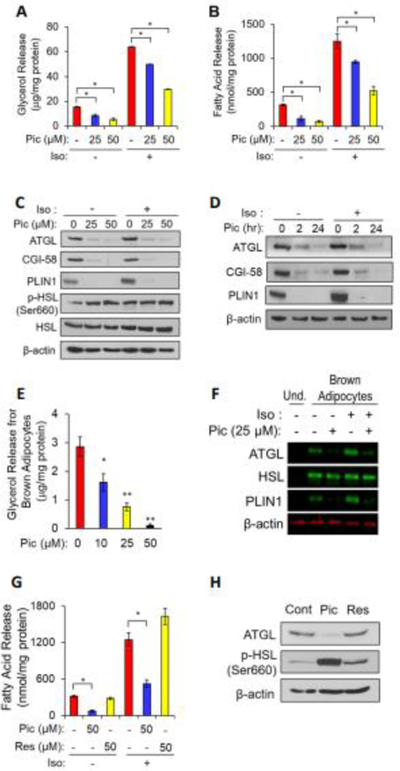
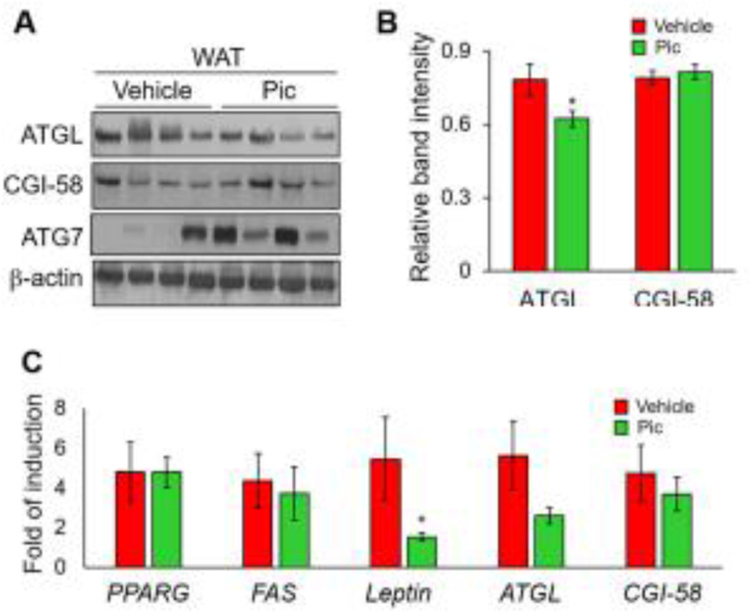
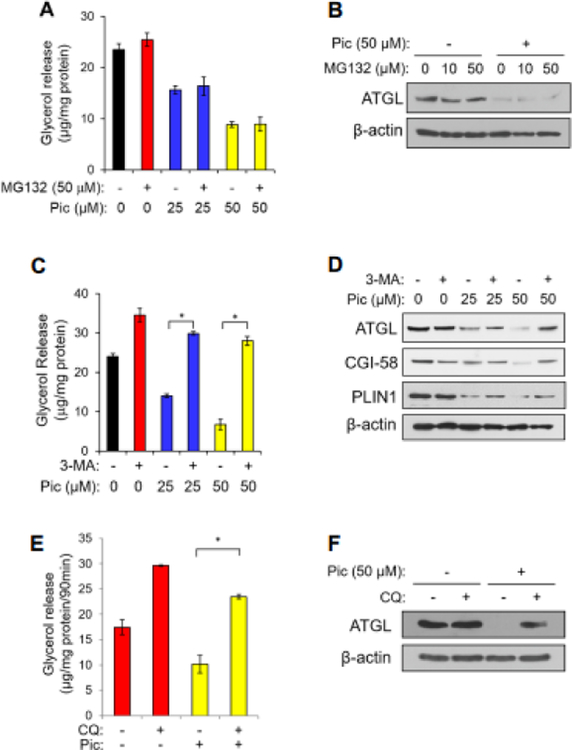
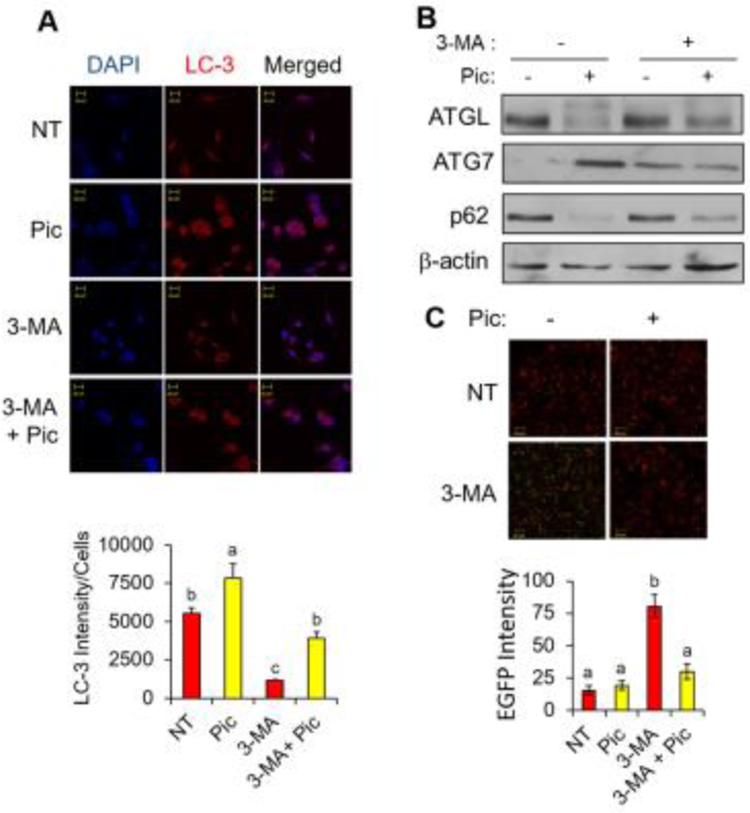
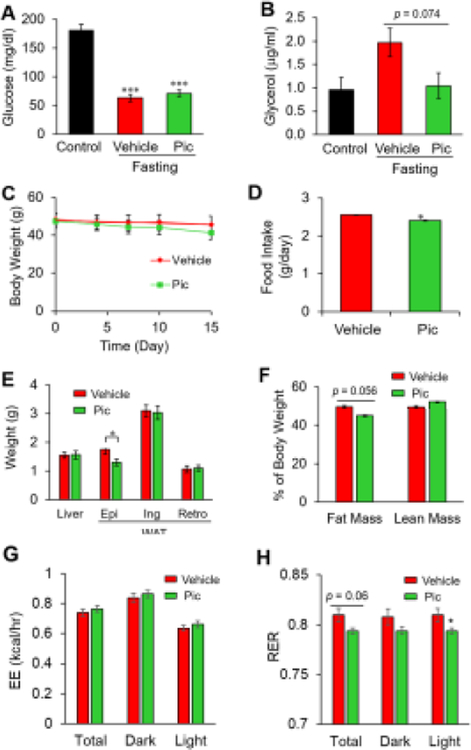
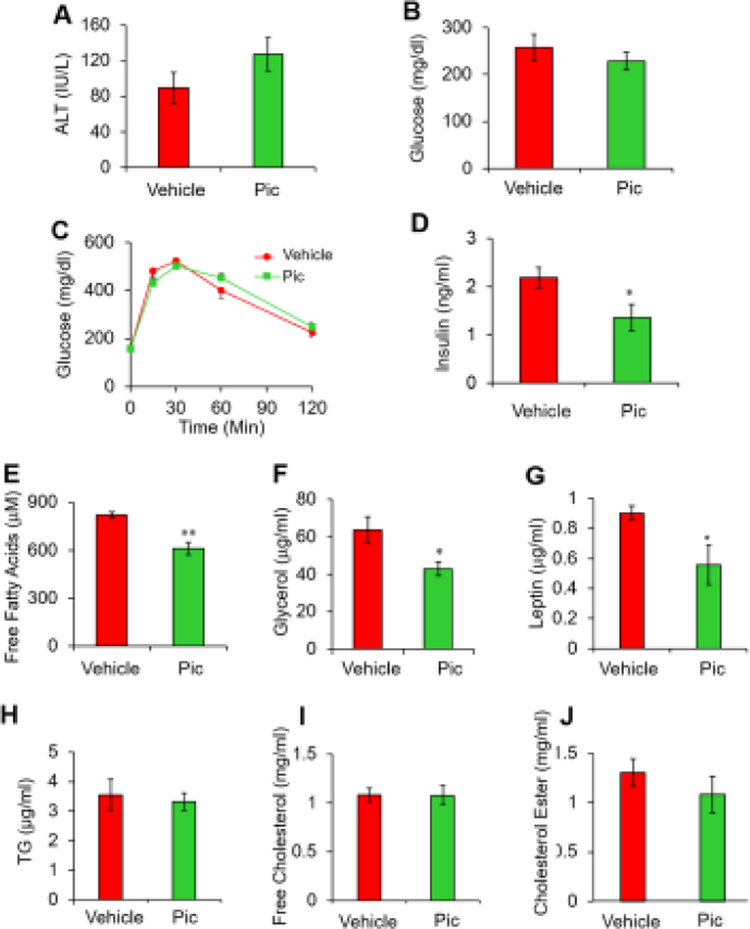
Overly elevated circulating non-esterified fatty acids (NEFAs) is an emerging health concern of obesity-associated energy disorders. However, methods to reduce circulating NEFAs remain elusive. The present study determined the effect of piceatannol, a naturally occurring stilbene, on adipocyte lipolysis and its underlying mechanism. Differentiated 3T3-L1 adipocytes, brown adipocytes and isolated white adipose tissue were treated with various concentrations of piceatannol for 1.5-h both in the basal and stimulated lipolysis conditions. Piceatannol significantly inhibited NEFAs and glycerol release with a concomitant reduction of ATGL, CGI-58 and PLIN1 expression in adipocytes. Using a series of inhibitor assays, piceatannol-induced degradation of these proteins was found to be mediated by upregulation of the autophagy-lysosome pathway. Moreover, we demonstrated that piceatannol is capable of stimulating autophagy in vitro. Importantly, piceatannol administration tended to lower fasting-induced serum glycerol levels in healthy mice. Furthermore, piceatannol administration lowered lipolysis, central adiposity and hyperinsulinemia in diet-induced obese mice. Our study provides profound evidence of a novel inhibitory role of piceatannol in lipolysis through autophagy-lysosome-dependent degradation of the key lipolytic proteins in adipocytes. This study offers a mechanistic foundation for investigating the potential of piceatannol-containing foods in reducing lipolysis and its associated metabolic disorders.
循环中非酯化脂肪酸(NEFAs)水平过高是肥胖相关能量代谢紊乱的一个新的健康关注点。然而,降低循环 NEFAs 的方法仍然难以捉摸。本研究旨在确定白藜芦醇(一种天然存在的芪类化合物)对脂肪细胞脂解作用及其潜在机制的影响。用不同浓度的白藜芦醇处理分化的 3T3-L1 脂肪细胞、棕色脂肪细胞和分离的白色脂肪组织,在基础和刺激的脂解条件下处理 1.5 小时。白藜芦醇显著抑制 NEFAs 和甘油的释放,同时降低脂肪细胞中 ATGL、CGI-58 和 PLIN1 的表达。通过一系列抑制剂试验,发现白藜芦醇诱导这些蛋白的降解是通过自噬溶酶体途径的上调介导的。此外,我们证明白藜芦醇能够在体外刺激自噬。重要的是,白藜芦醇的给药倾向于降低健康小鼠空腹诱导的血清甘油水平。此外,白藜芦醇给药降低了饮食诱导肥胖小鼠的脂解作用、中心性肥胖和高胰岛素血症。本研究为白藜芦醇通过自噬溶酶体依赖性降解脂肪细胞中关键的脂解蛋白在脂解作用中发挥新的抑制作用提供了确凿的证据。本研究为研究含白藜芦醇的食物在减少脂解作用及其相关代谢紊乱方面的潜力提供了机制基础。