Morehouse School of Medicine, Atlanta, Georgia.
Department of Biomedical Sciences.
Am J Respir Cell Mol Biol. 2022 Sep;67(3):275-283. doi: 10.1165/rcmb.2021-0374PS.
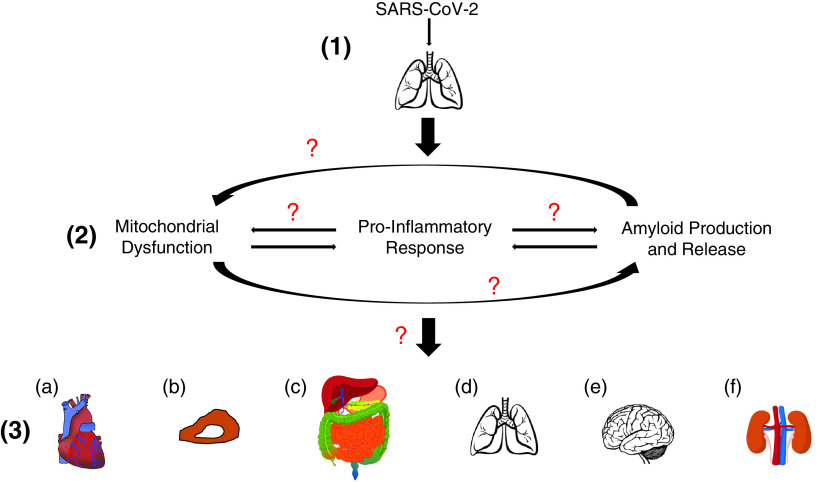
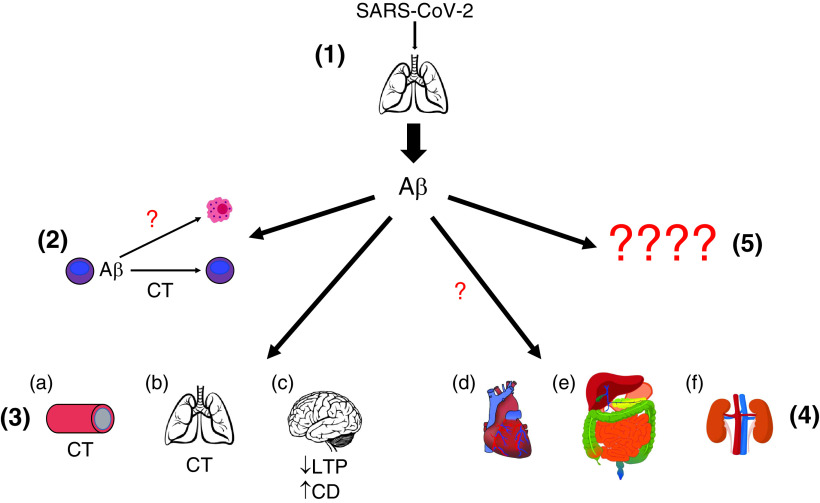
Severe acute respiratory syndrome coronavirus 2 (SARS-CoV-2) is a novel coronavirus that is currently causing a pandemic and has been termed coronavirus disease (COVID-19). The elderly or those with preexisting conditions like diabetes, hypertension, coronary heart disease, chronic obstructive pulmonary disease, cerebrovascular disease, or kidney dysfunction are more likely to develop severe cases when infected. Patients with COVID-19 admitted to the ICU have higher mortality than non-ICU patients. Critical illness has consistently posed a challenge not only in terms of mortality but also in regard to long-term outcomes of survivors. Patients who survive acute critical illness including, but not limited to, pulmonary and systemic insults associated with acute respiratory distress syndrome, pneumonia, systemic inflammation, and mechanical ventilation, will likely suffer from post-ICU syndrome, a phenomenon of cognitive, psychiatric, and/or physical disability after treatment in the ICU. Post-ICU morbidity and mortality continue to be a cause for concern when considering large-scale studies showing 12-month mortality risks of 11.8-21%. Previous studies have demonstrated that multiple mechanisms, including cytokine release, mitochondrial dysfunction, and even amyloids, may lead to end-organ dysfunction in patients. We hypothesize that COVID-19 infection will lead to post-ICU syndrome via potentially similar mechanisms as other chronic critical illnesses and cause long-term morbidity and mortality in patients. We consider a variety of mechanisms and questions that not only consider the short-term impact of the COVID-19 pandemic but its long-term effects that may not yet be imagined.
严重急性呼吸综合征冠状病毒 2(SARS-CoV-2)是一种新型冠状病毒,目前正在引发大流行,并被称为冠状病毒病(COVID-19)。老年人或患有糖尿病、高血压、冠心病、慢性阻塞性肺疾病、脑血管病或肾功能不全等既往疾病的人在感染后更有可能出现严重病例。入住 ICU 的 COVID-19 患者的死亡率高于非 ICU 患者。危重病不仅在死亡率方面,而且在幸存者的长期预后方面一直是一个挑战。包括但不限于与急性呼吸窘迫综合征、肺炎、全身炎症和机械通气相关的肺和全身损伤在内的急性危重病患者可能会患有 ICU 后综合征,这是一种 ICU 治疗后认知、精神和/或身体残疾的现象。在考虑大规模研究时,ICU 后发病率和死亡率仍然令人担忧,这些研究显示 12 个月的死亡率风险为 11.8-21%。先前的研究表明,多种机制,包括细胞因子释放、线粒体功能障碍,甚至淀粉样物质,可能导致患者的终末器官功能障碍。我们假设 COVID-19 感染将通过与其他慢性危重病相似的潜在机制导致 ICU 后综合征,并在患者中造成长期发病率和死亡率。我们考虑了多种机制和问题,这些机制和问题不仅考虑了 COVID-19 大流行的短期影响,还考虑了可能尚未想象到的长期影响。